Artwork
Man Scraping a Grill
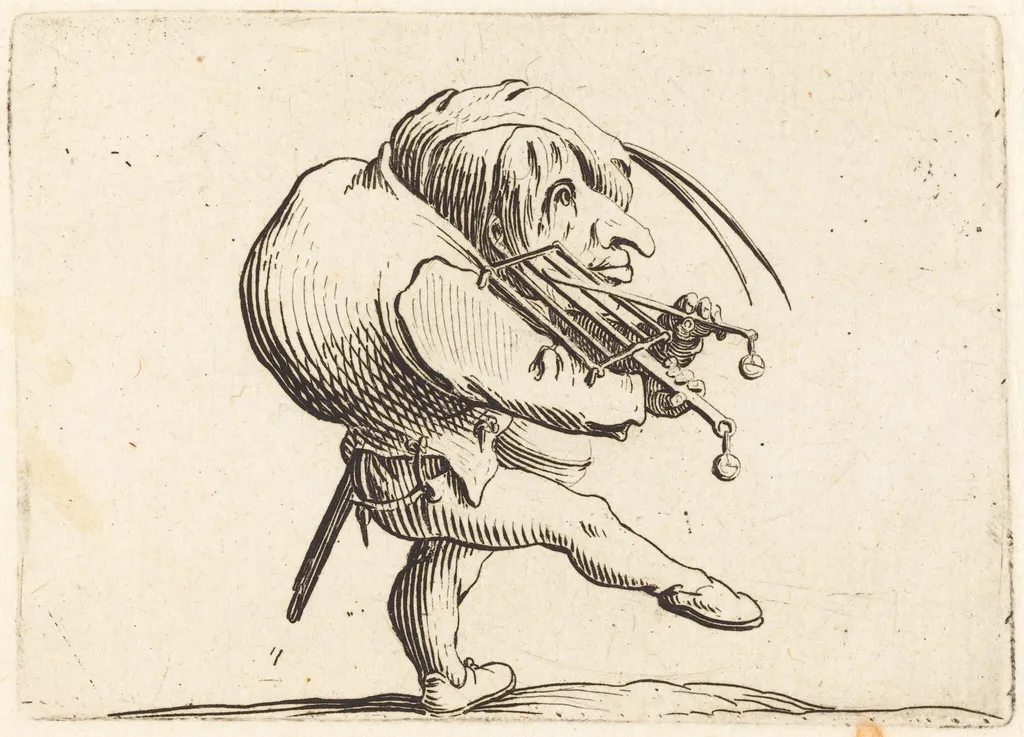
Man Scraping a Grill is an ink print by the Baroque artist Jacques Callot. It dates from 1622 and is held in the collection of the National Gallery of Art.
About this work
Overview
Callot, a printmaker from the Duchy of Lorraine, produced more than 1,400 prints, many of which observe ordinary people in quiet, unidealized moments.
Created around 1622 by Jacques Callot, this etching and engraving on laid paper captures a solitary figure engaged in a mundane labor. Callot, a printmaker from the Duchy of Lorraine, produced more than 1,400 prints, many of which observe ordinary people in quiet, unidealized moments. This work exemplifies his dedication to documenting daily life through precise, finely rendered lines, avoiding grand narratives in favor of intimate, focused scenes.
Subject & Meaning
The figure, a man in simple attire, is shown in profile, intensely focused on scraping a metal grill. His furrowed brow and clenched mouth convey absorbed concentration, suggesting a moment of private effort rather than public spectacle. The act itself—cleaning or maintaining a utilitarian object—hints at the dignity of labor, a theme Callot often explored without moralizing, allowing the viewer to observe rather than interpret.
Technique & Style
Callot employed both etching and engraving to achieve fine, controlled lines that define texture and form with remarkable clarity. The man’s clothing, the grill’s surface, and the subtle modeling of his limbs are rendered through delicate cross-hatching and precise incisions. The paper’s laid texture subtly interacts with the ink, enhancing the tactile quality of the scene and demonstrating Callot’s mastery of the medium’s potential for detail.
History & Provenance
The print emerged during Callot’s most prolific period, when he was active in Florence and Paris, producing works for collectors and patrons interested in genre scenes. While its early ownership is undocumented, it aligns with a broader trend in early 17th-century printmaking that valued observational accuracy over mythological or religious subjects. Its survival reflects the enduring interest in Callot’s depictions of common life.
Context
In early 17th-century Europe, printmaking became a key medium for recording social realities beyond aristocratic portraiture. Callot’s work, including this etching, contributed to a growing visual archive of laborers, soldiers, and street figures. His images circulated widely, offering viewers a window into the routines of ordinary people during a time of political and religious upheaval.
Legacy
Callot’s attention to the minutiae of daily existence influenced later generations of printmakers, including Rembrandt and Goya. His ability to elevate humble subjects through technical precision helped redefine the artistic value of genre scenes. *Man Scraping a Grill* remains a quiet testament to his commitment to observing the world as it was, not as it was idealized.
Artist & collection
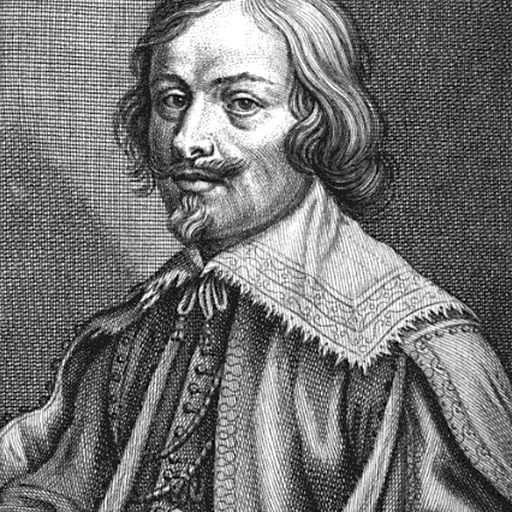
Artist
Jacques Callot was a baroque printmaker and draftsman from the Duchy of Lorraine.

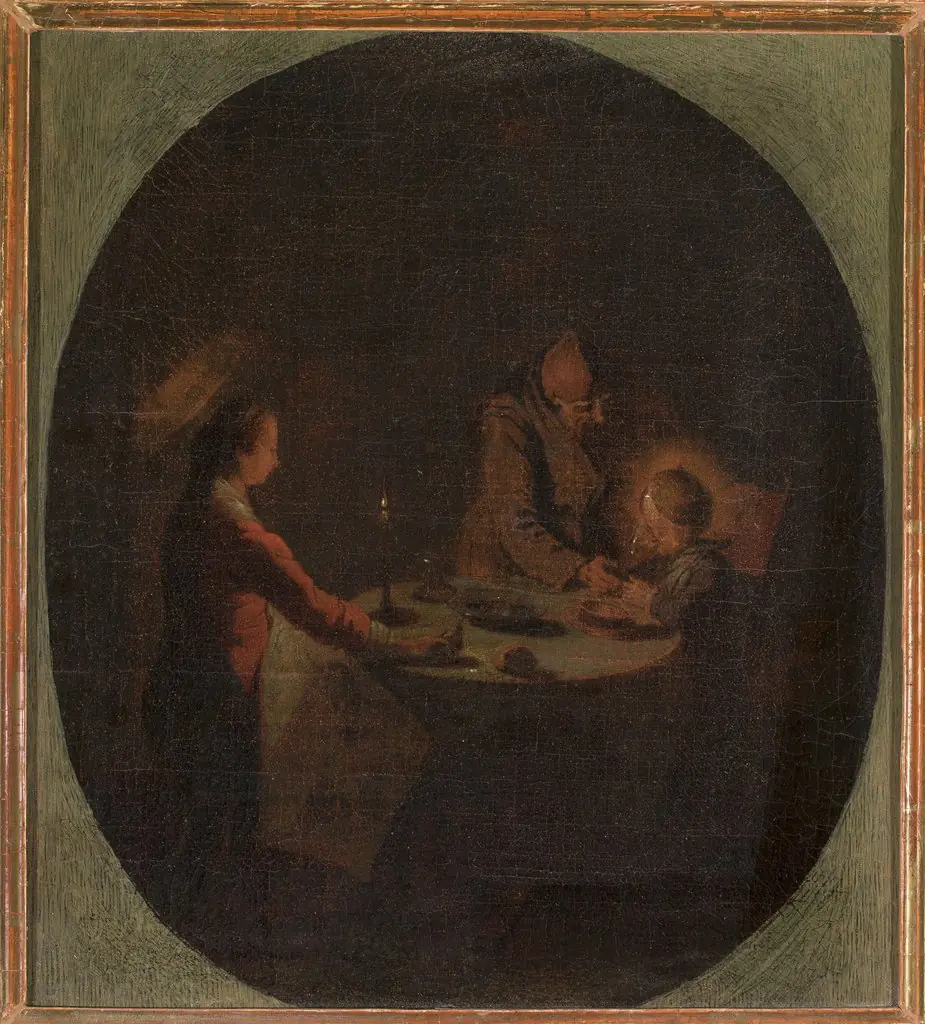 Holy Family at supper
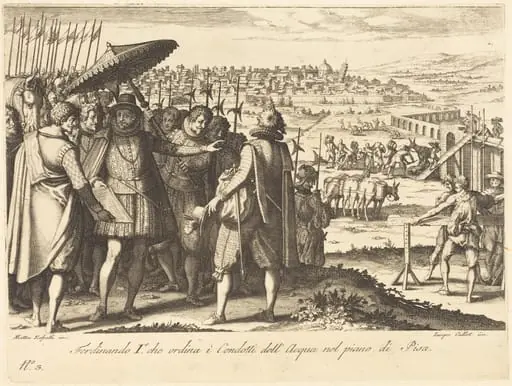 Restoration of the Aqueduct at Pisa
 Restoration of the Aqueduct at Pisa
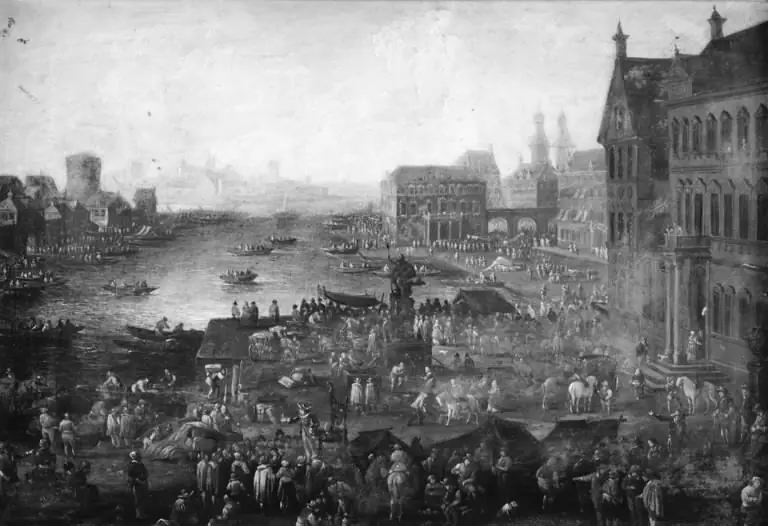 Square in Paris with Many Figures
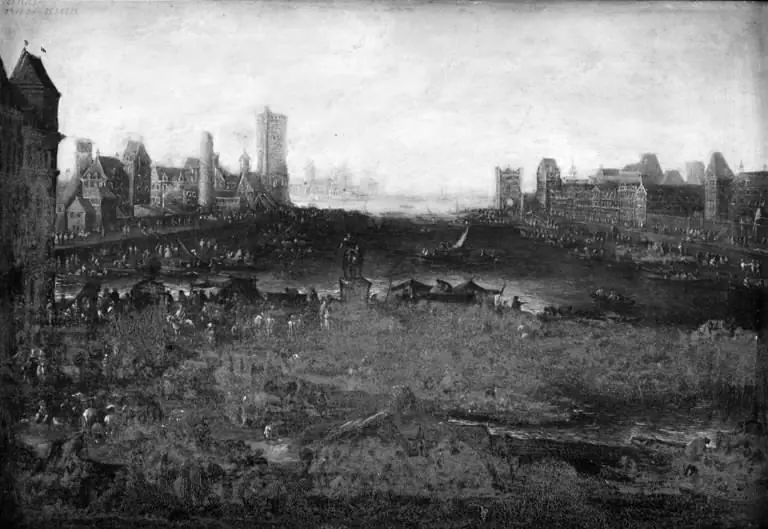 Square in Paris with Many Figures
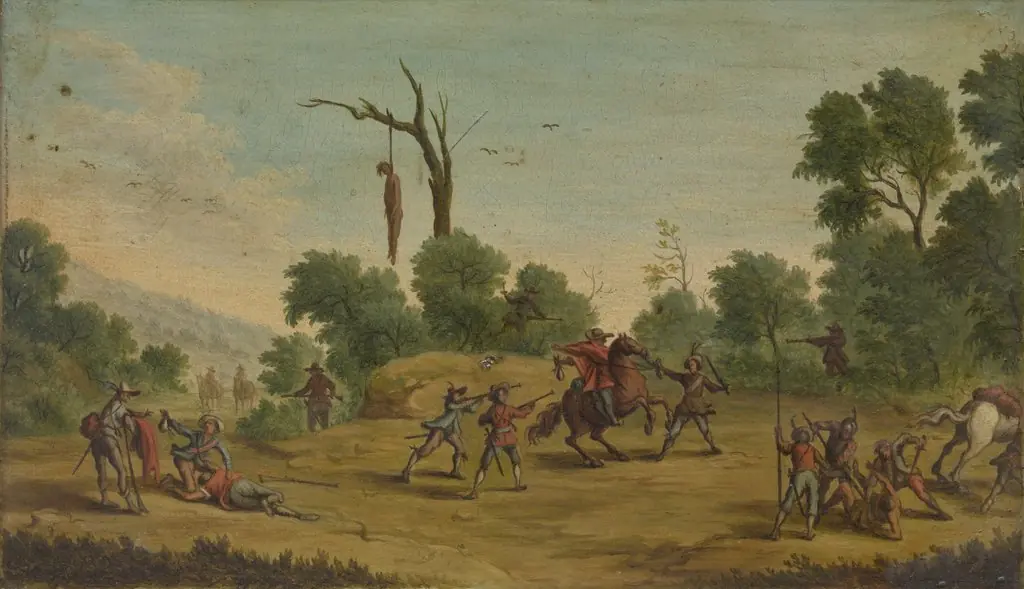 Horsemen Attacked by Robbers
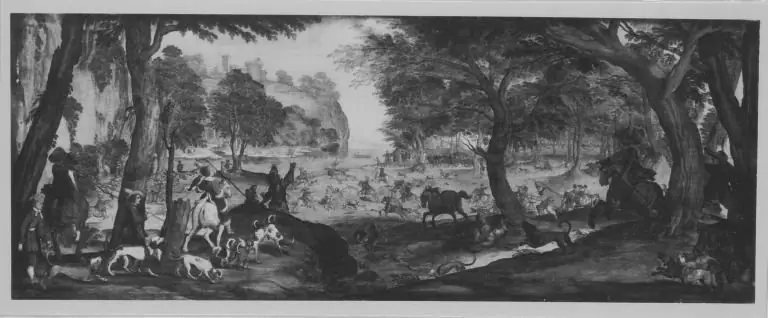 HOW WILL A COVERED PART BE CORRECTED?HOW WIKA A COVERED HEART DEED CORRECTED?
![Christ Walking on the Water [second plate], by Jacques Callot](https://artifactworldgallery.com/img/jacques-callot--christ-walking-on-the-water-second-plate--2069f3bfe4cb2126-w320.webp) Christ Walking on the Water [second plate]
Christ Walking on the Water [second plate]