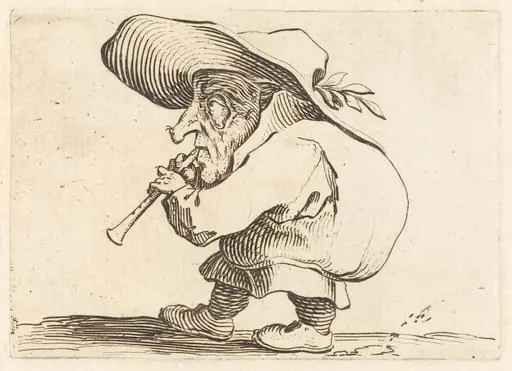
Artwork
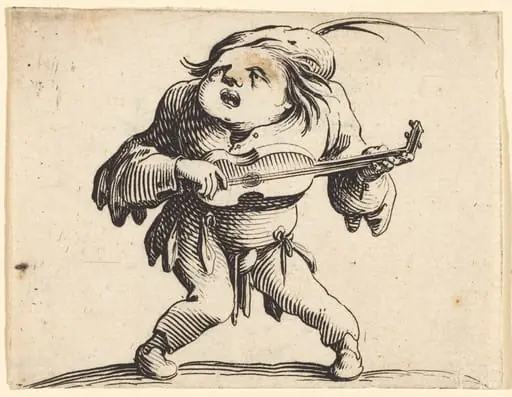
The Lute Player
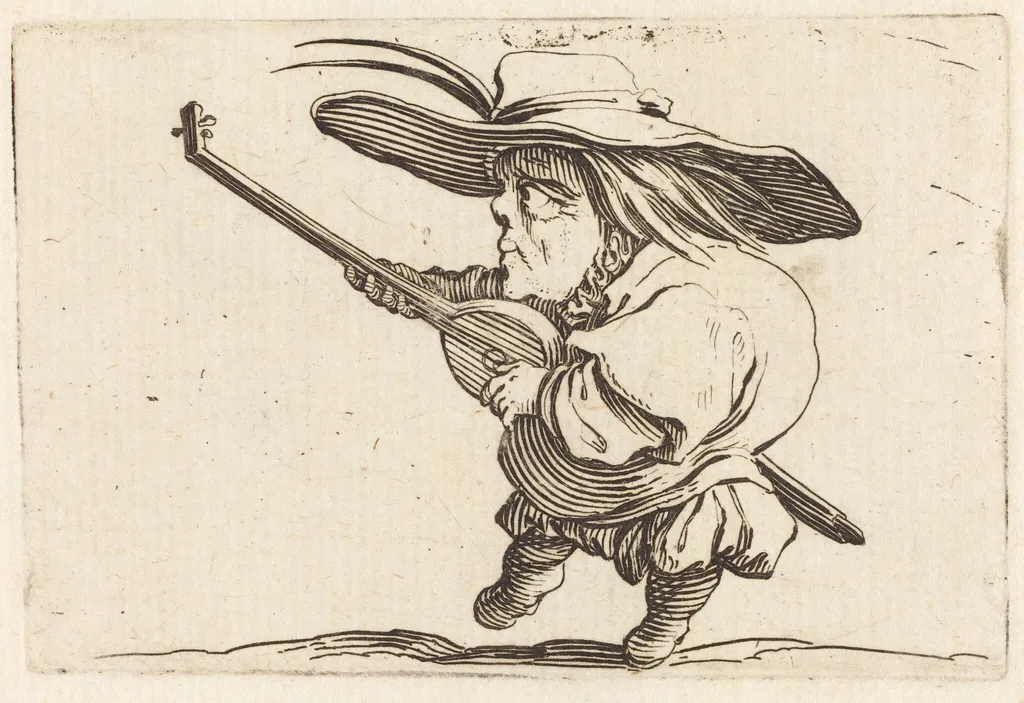
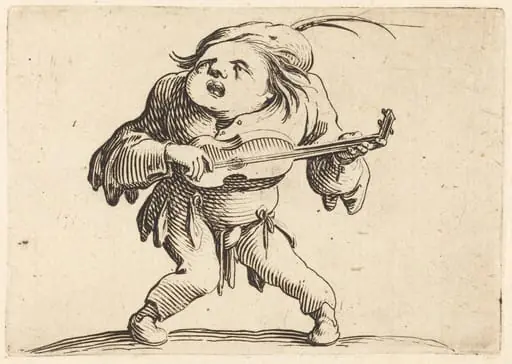
The Lute Player is an ink print by the Baroque artist Jacques Callot. It dates from 1622 and is held in the collection of the National Gallery of Art.
About this work
Overview
Created circa 1622, *The Lute Player* is a print by Jacques Callot, a French baroque artist active in the Duchy of Lorraine. Executed with both etching and engraving on laid paper, the work exemplifies Callot’s prolific output, which exceeds fourteen hundred prints documenting a range of everyday and courtly scenes.
Subject & Meaning
The image portrays a solitary musician seated with a lute, his head tipped upward and his hand resting on the instrument’s neck. The figure’s relaxed posture and the expressive line work convey a moment of quiet contemplation, offering a glimpse into the intimate, private side of early‑17th‑century musical life.
Technique & Style
Callot combines etching’s fluid lines with the precise incisions of engraving, employing cross‑hatching to model the volume of the lute, the hat’s sharply curved brim, and the sitter’s features. The laid‑paper surface enhances the texture of the marks, while the overall composition balances loose, lively drawing with meticulous detail.
History & Provenance
Part of Callot’s extensive series that recorded contemporary figures—from soldiers to beggars—*The Lute Player* reflects his interest in everyday subjects. Though specific ownership records are scarce, the print has circulated among collections of early modern European prints, illustrating the artist’s reputation for documenting the social fabric of his time.
Artist & collection
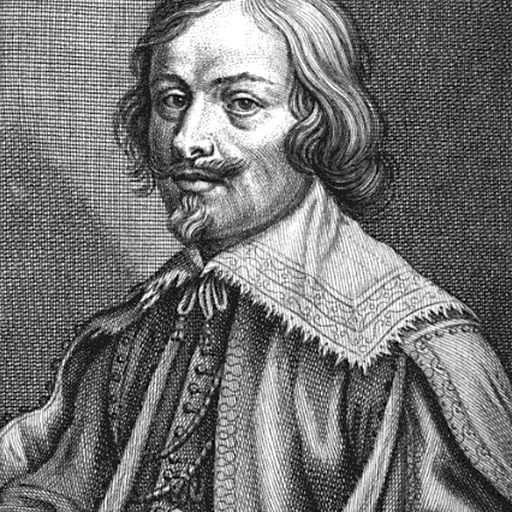
Artist
Jacques Callot was a baroque printmaker and draftsman from the Duchy of Lorraine.

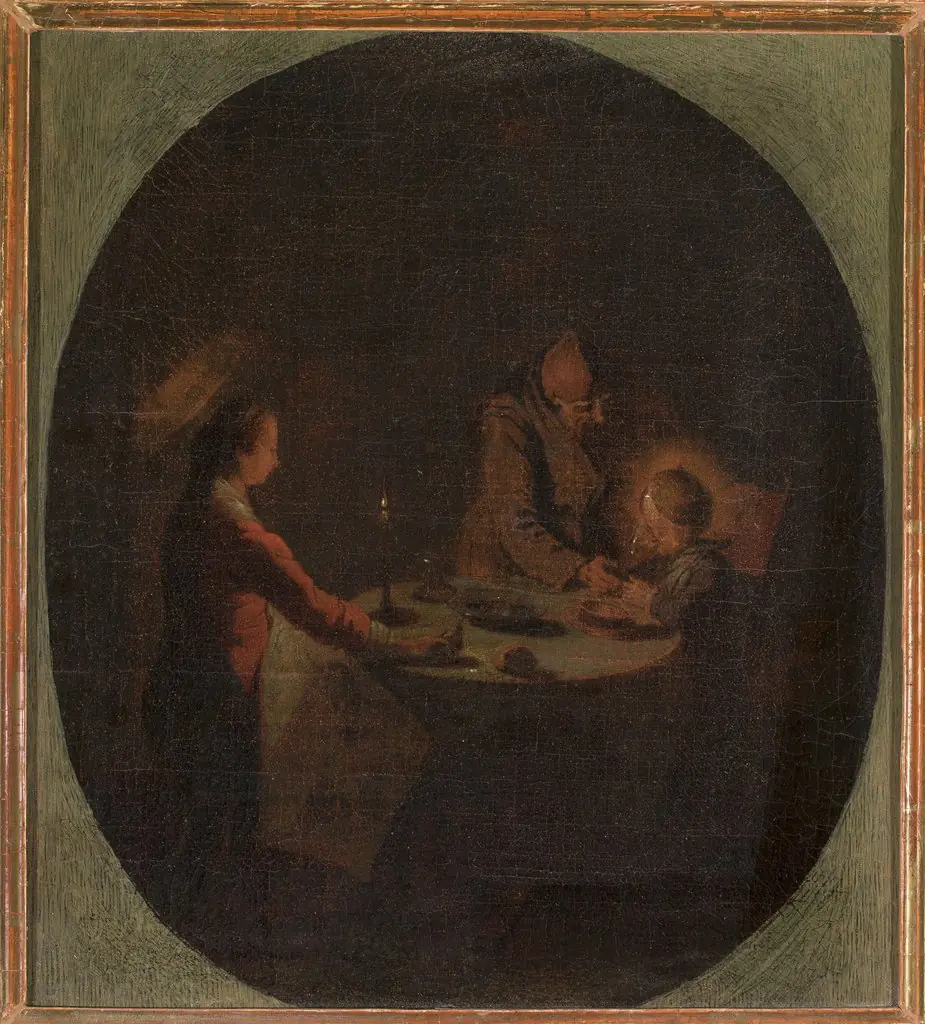 Holy Family at supper
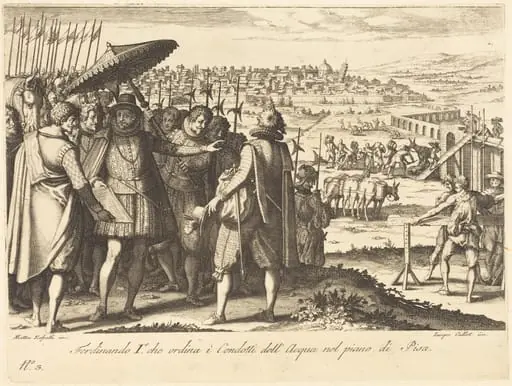 Restoration of the Aqueduct at Pisa
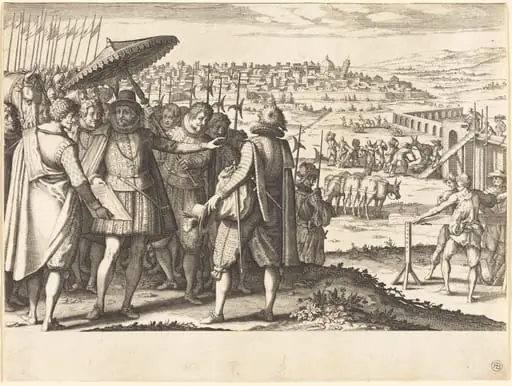 Restoration of the Aqueduct at Pisa
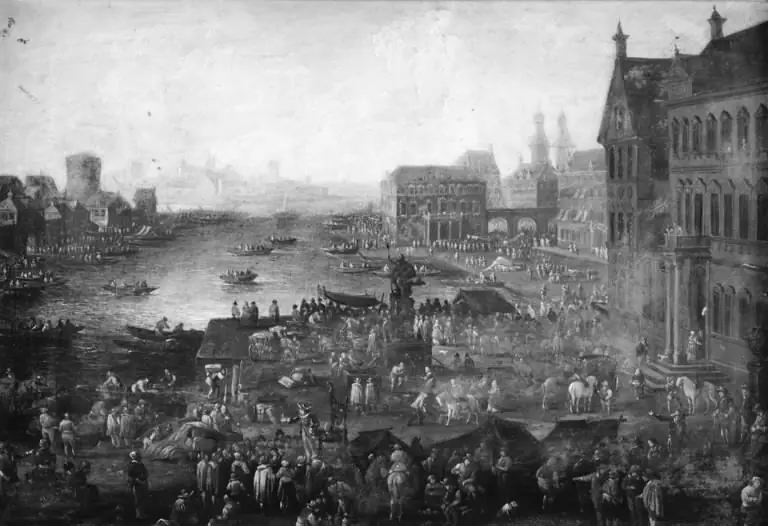 Square in Paris with Many Figures
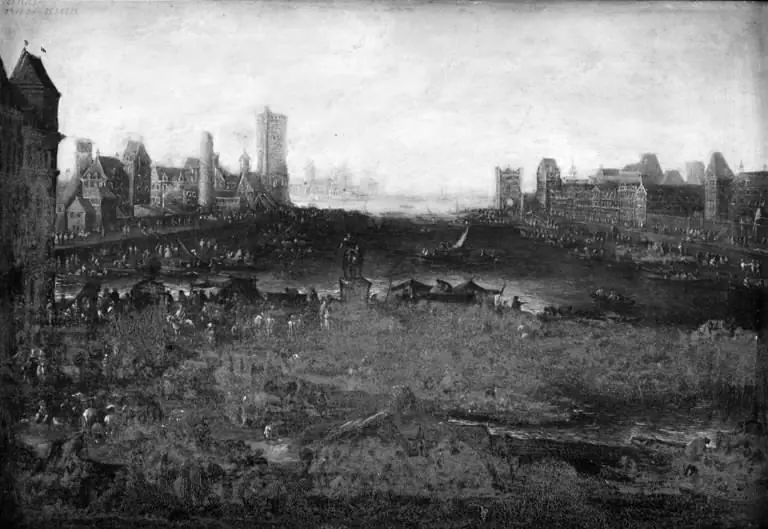 Square in Paris with Many Figures
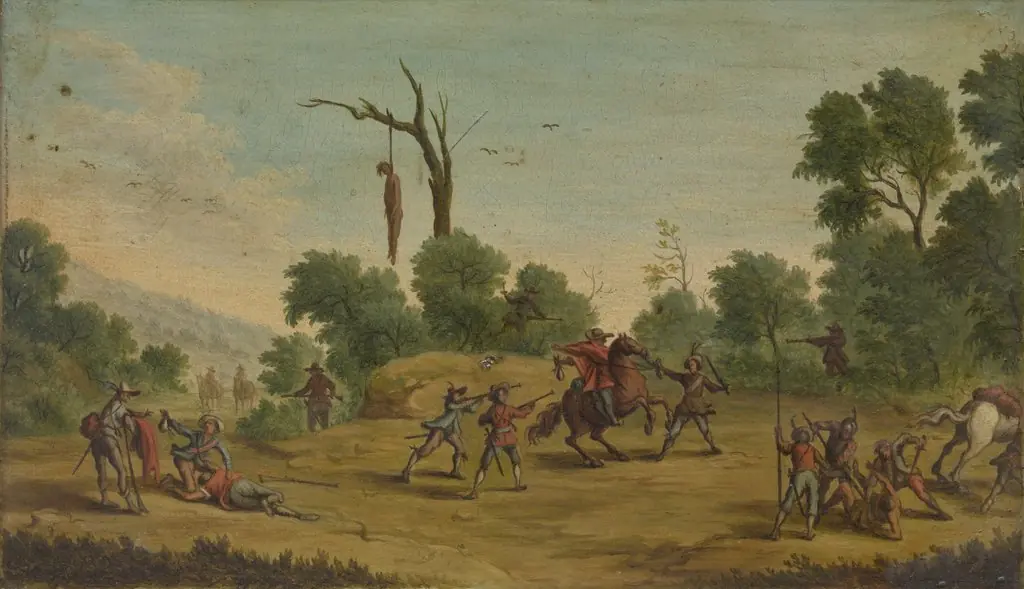 Horsemen Attacked by Robbers
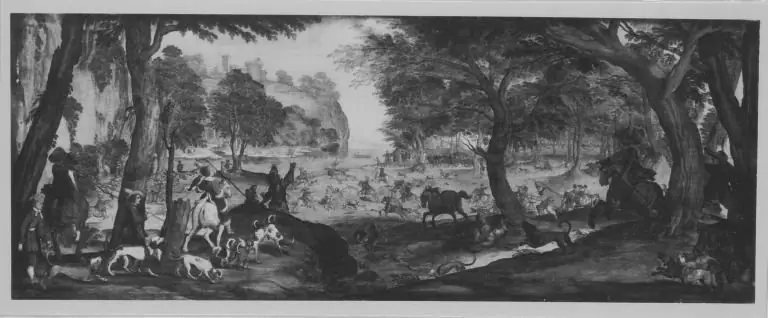 HOW WILL A COVERED PART BE CORRECTED?HOW WIKA A COVERED HEART DEED CORRECTED?
![Christ Walking on the Water [second plate], by Jacques Callot](https://artifactworldgallery.com/img/jacques-callot--christ-walking-on-the-water-second-plate--2069f3bfe4cb2126-w320.webp) Christ Walking on the Water [second plate]
Christ Walking on the Water [second plate]