Artwork
Mariotto di Martino
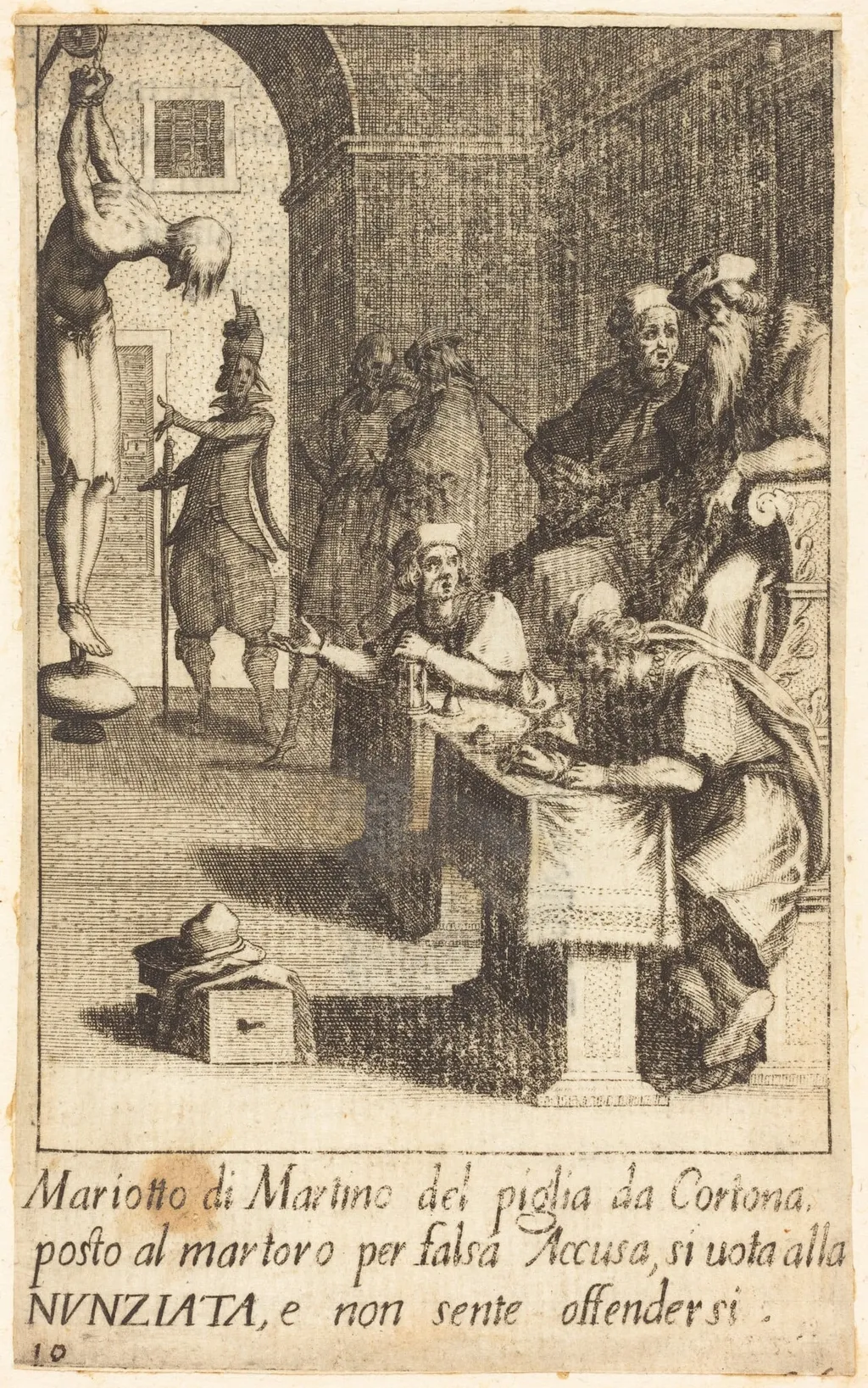
Mariotto di Martino is an ink print by the Baroque artist Jacques Callot. It dates from 1619 and is held in the collection of the National Gallery of Art.
About this work
Overview
It belongs to a vast body of work comprising more than 1,400 prints, many of which capture moments from everyday life in early 17th-century Europe.
Created in 1619, *Mariotto di Martino* is an engraving on laid paper by Jacques Callot, a printmaker from the Duchy of Lorraine. It belongs to a vast body of work comprising more than 1,400 prints, many of which capture moments from everyday life in early 17th-century Europe. This piece exemplifies Callot’s precision in line and his interest in narrative scenes drawn from contemporary social contexts.
Subject & Meaning
The scene portrays a man with bound hands standing near a seated figure at a table, suggesting a moment of interrogation or judgment. An arched doorway and window frame the background, grounding the action in a domestic or institutional space. The figures’ postures and arrangement imply tension or authority, possibly referencing legal or penal customs of the period, though the exact narrative remains unconfirmed.
Technique & Style
Callot employed fine cross-hatching to model form and suggest volume, using layered parallel lines to build gradations of light and shadow. The texture of clothing, skin, and architectural elements is rendered with meticulous line work, characteristic of his mastery in engraving. The use of laid paper, with its subtle watermark texture, enhances the tactile quality of the print and reflects standard materials of the time.
History & Provenance
The engraving was produced during Callot’s early career, before his move to Florence and rise to prominence in Italian courts. While specific ownership records for this particular print are not widely documented, it aligns with his broader output from the period, which circulated among collectors and artists across Europe. Its survival reflects the durability and demand for his graphic works.
Context
In early 17th-century Italy and the Low Countries, printmaking served as a medium for both artistic expression and social commentary. Callot’s focus on marginalized figures—soldiers, beggars, and those in legal peril—mirrored broader cultural interest in human behavior under duress. This engraving fits within a tradition of genre scenes that documented the margins of society with observational clarity.
Legacy
Callot’s technical innovations in engraving, including refined cross-hatching and detailed spatial composition, influenced generations of printmakers. While *Mariotto di Martino* is not among his most famous works, it contributes to the understanding of his consistent engagement with human condition and his role in elevating printmaking as a serious artistic discipline.
Artist & collection
Artist
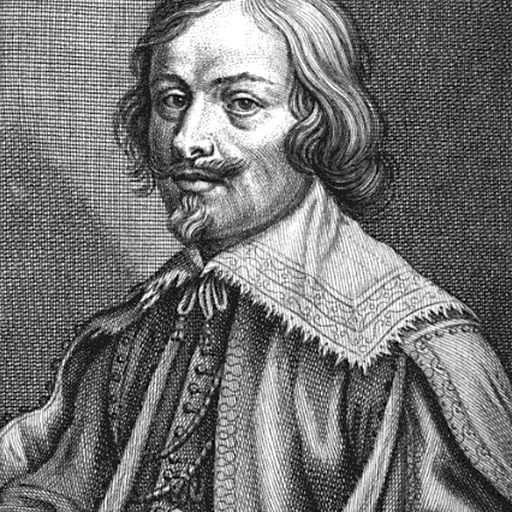
Jacques Callot was a baroque printmaker and draftsman from the Duchy of Lorraine.

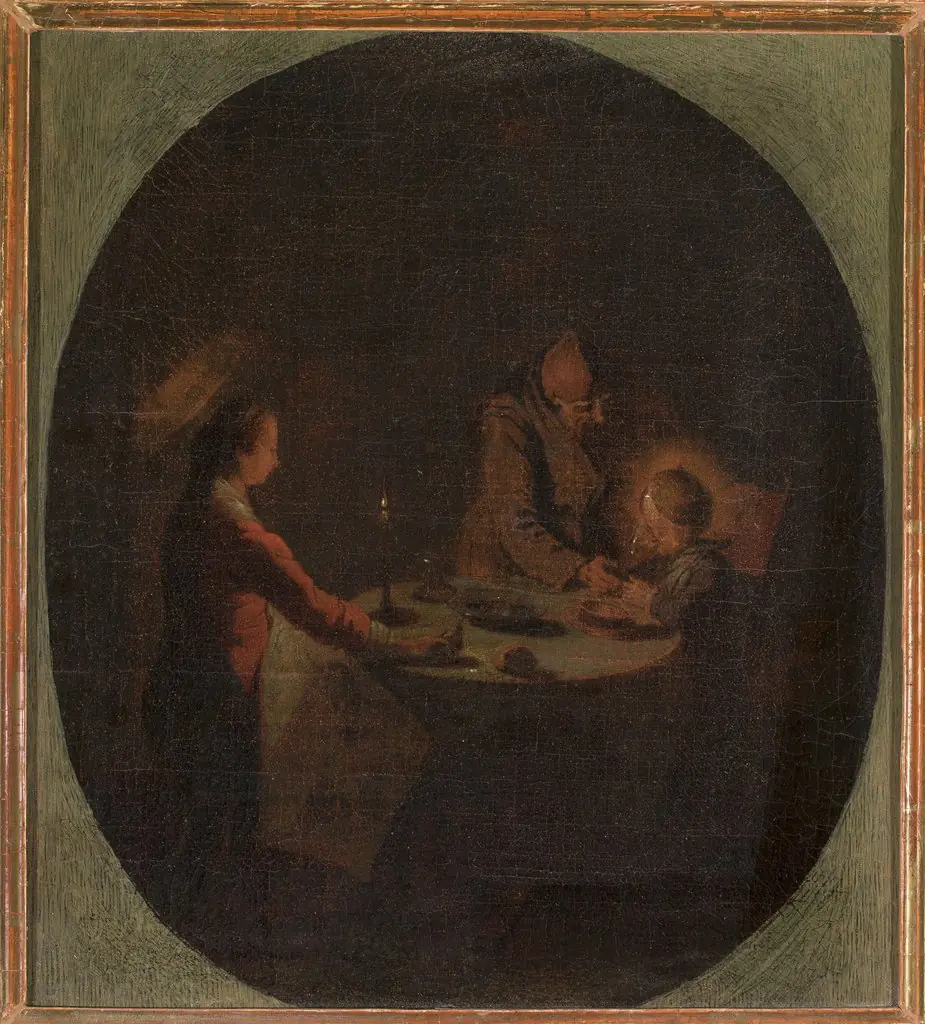 Holy Family at supper
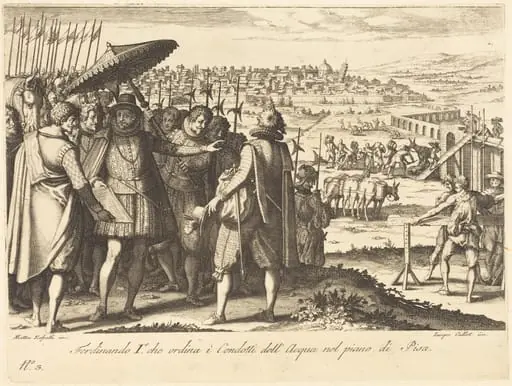 Restoration of the Aqueduct at Pisa
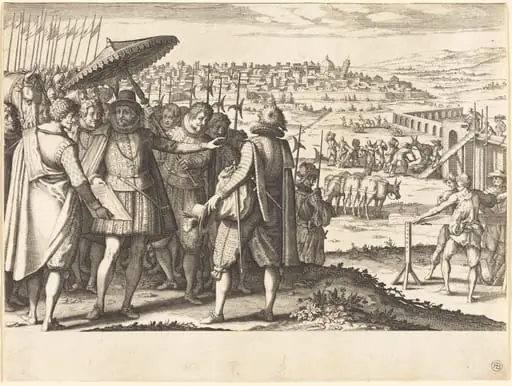 Restoration of the Aqueduct at Pisa
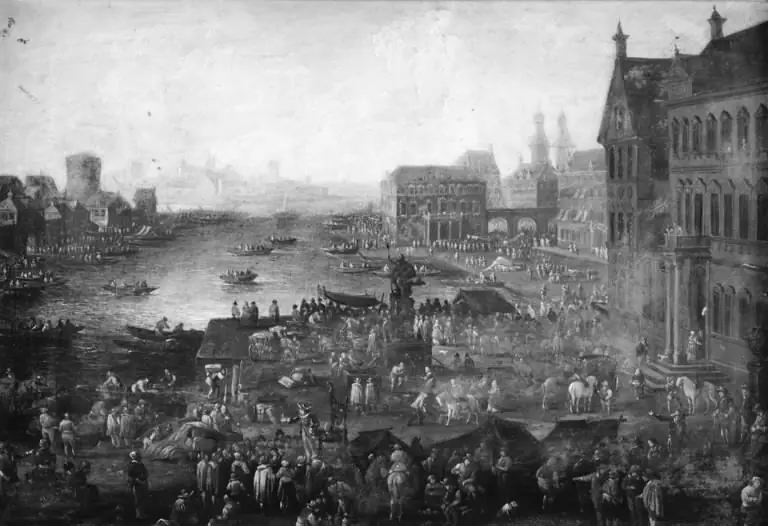 Square in Paris with Many Figures
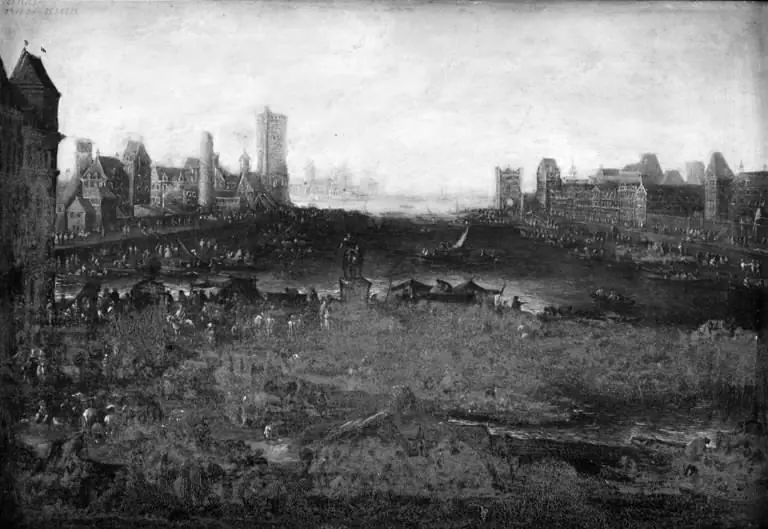 Square in Paris with Many Figures
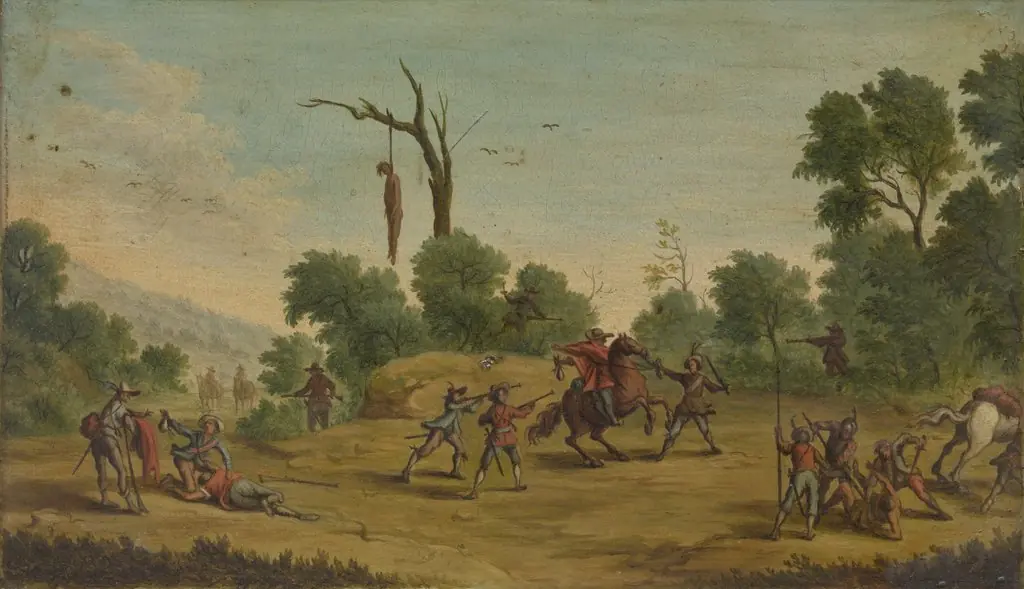 Horsemen Attacked by Robbers
 HOW WILL A COVERED PART BE CORRECTED?HOW WIKA A COVERED HEART DEED CORRECTED?
![Christ Walking on the Water [second plate], by Jacques Callot](https://artifactworldgallery.com/img/jacques-callot--christ-walking-on-the-water-second-plate--2069f3bfe4cb2126-w320.webp) Christ Walking on the Water [second plate]
Christ Walking on the Water [second plate]
 Life of Christ: The Last Supper
 The Mocking
 The Baptism of Christ
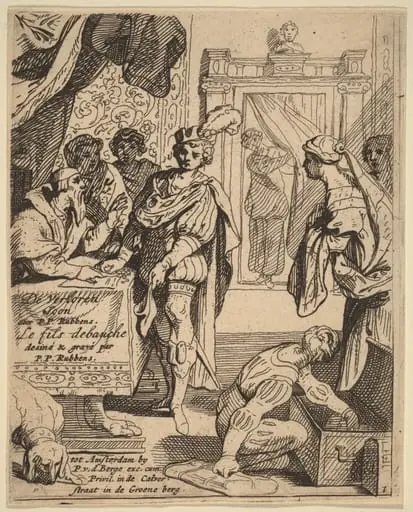 The Prodigal Son Receiving His Patrimony
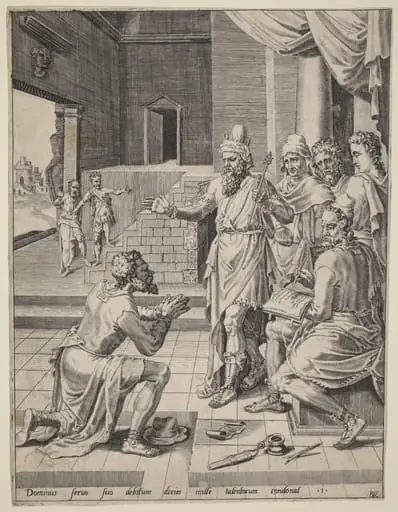 The King Forgiving His Servant His Debt
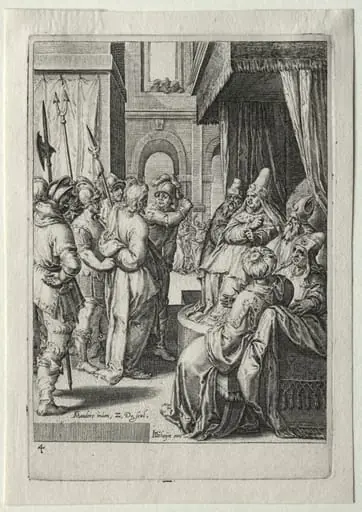 Passion Set: Christ before Herod
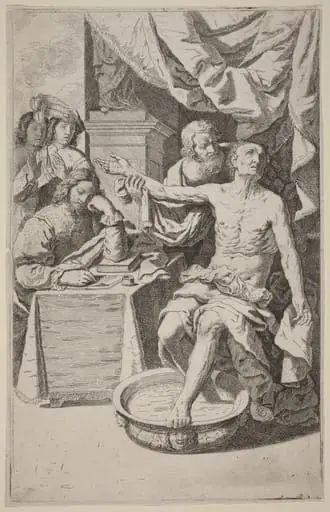 Death of Seneca
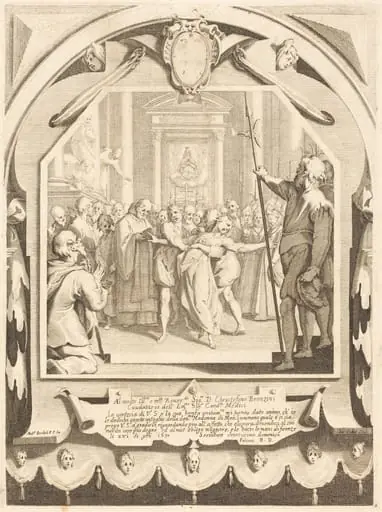 The Possessed
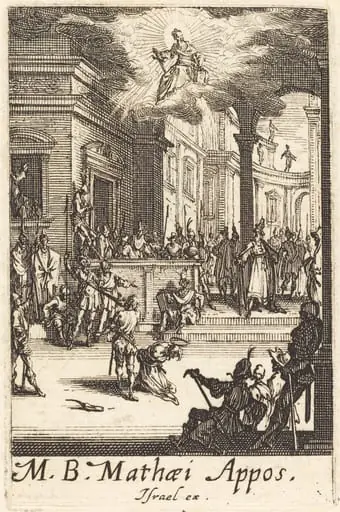 The Martyrdom of Saint Matthew
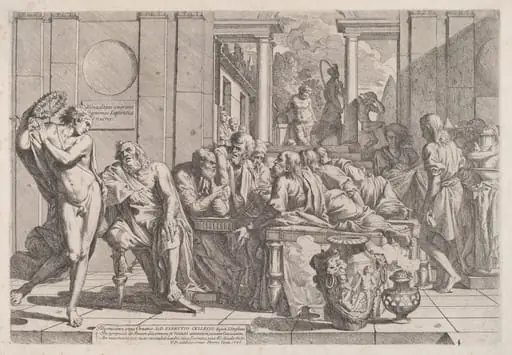 The Symposium
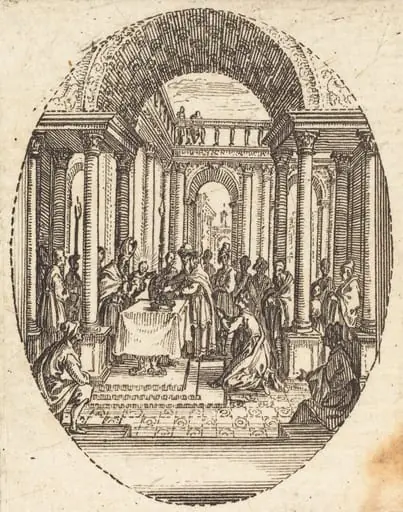 Presentation in the Temple
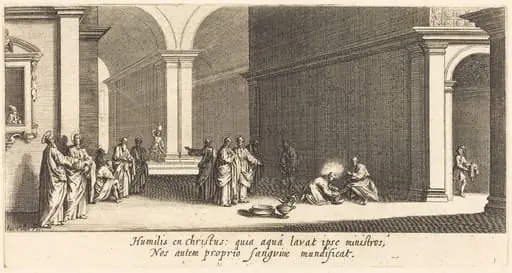 Christ Washing the Apostles' Feet