Artwork
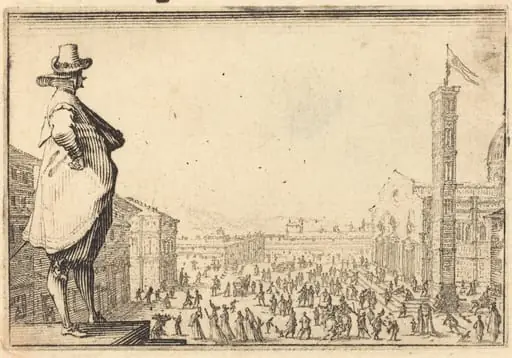
Piazza della Signoria, Florence
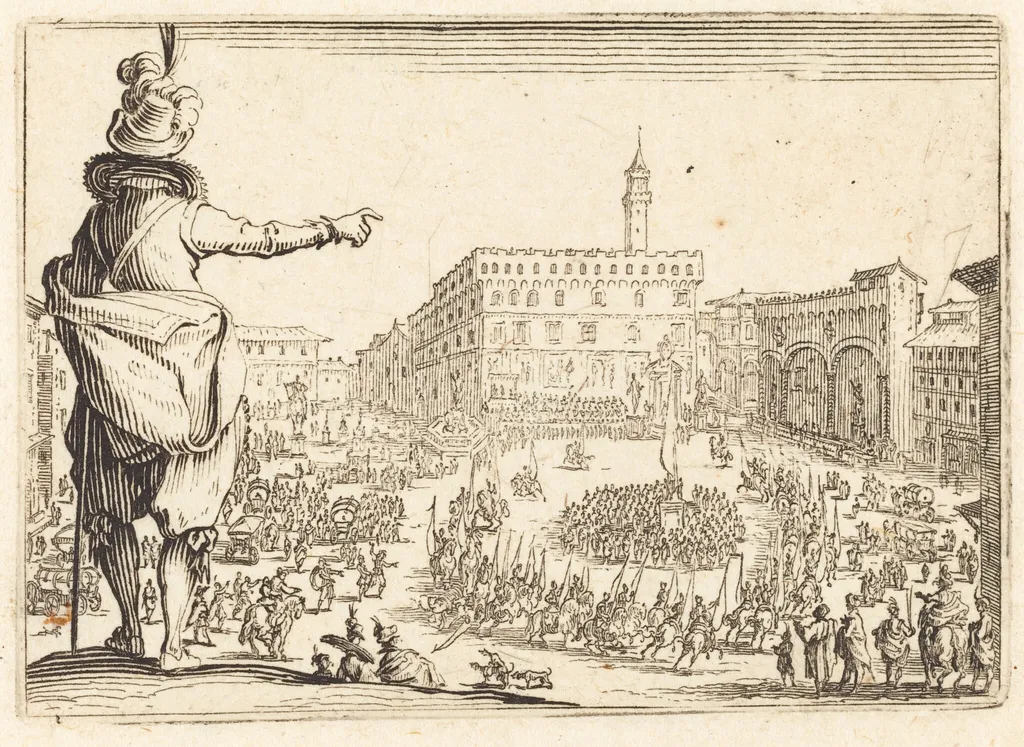
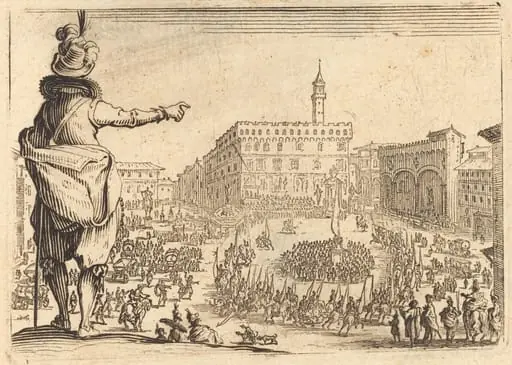
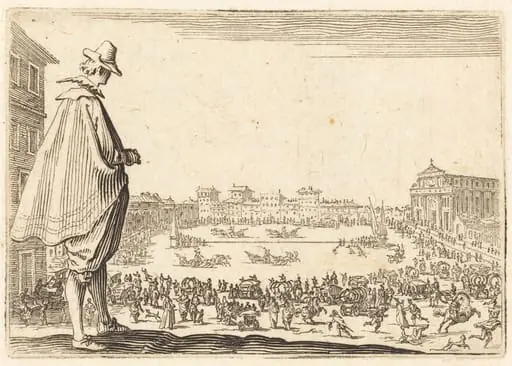
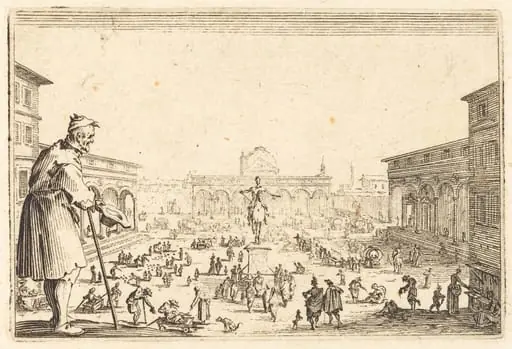
Piazza della Signoria, Florence is an ink print by the Baroque artist Jacques Callot. It dates from 1622 and is held in the collection of the National Gallery of Art.
About this work
Overview
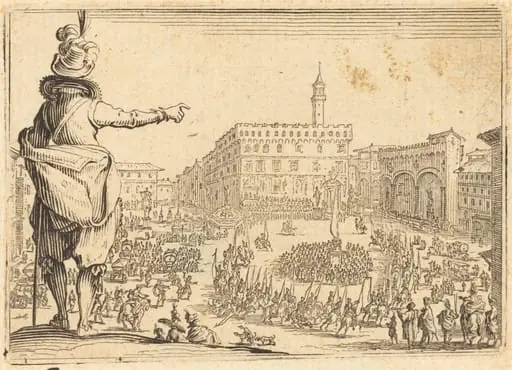
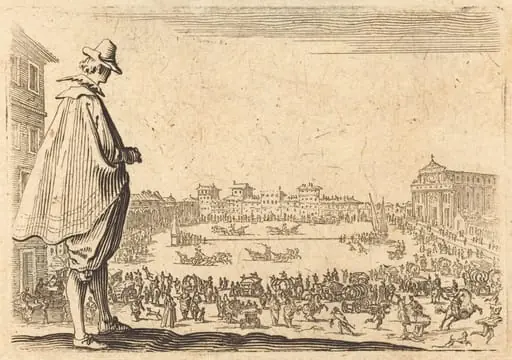
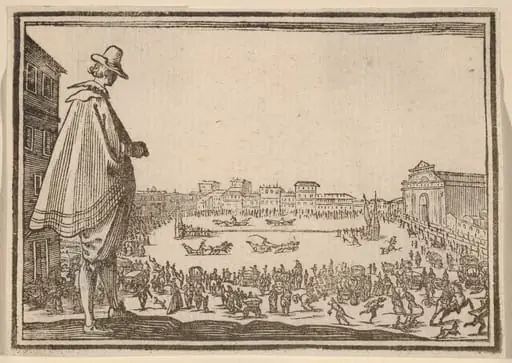
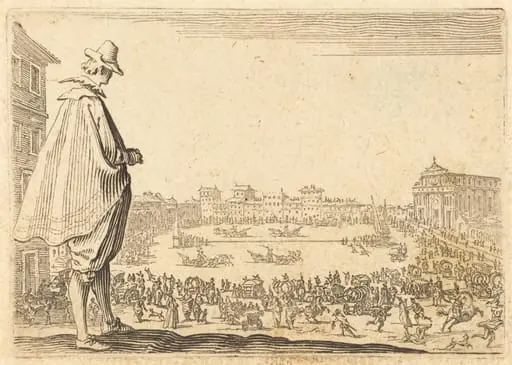
Jacques Callot’s etching of Florence’s Piazza della Signoria, dated circa 1622, presents a densely populated urban scene rendered in fine black lines on laid paper. The composition captures the square’s architectural framework and the mass of figures that occupy it, offering a snapshot of early‑seventeenth‑century public life in the Tuscan capital.
Subject & Meaning
The image focuses on the bustling central plaza, bounded by towering façades and a prominent tower that rises above the surrounding structures. A richly dressed, larger‑than‑life figure gestures toward the crowd, a visual device that may underscore the social hierarchy or serve as an allegorical focal point amid the throng of pedestrians, seated spectators, and onlookers.
Technique & Style
Callot employs his characteristic micro‑etching technique, using minute, closely spaced lines to delineate both architecture and the multitude of individuals. This dense linear approach creates a sense of movement and congestion, while the contrast of light and shadow on the laid‑paper surface enhances the three‑dimensional impression of the square’s depth.
History & Provenance
The French printmaker, a leading figure of the Baroque period from the Duchy of Lorraine, produced more than 1,400 etchings documenting contemporary life, ranging from military subjects to courtly scenes. This particular work belongs to his series of urban views, reflecting his interest in recording the physical and social fabric of European cities.
Context
Created during a period when printmaking served both artistic and documentary functions, the etching illustrates the growing demand for visual records of notable civic spaces. Piazza della Signoria, as Florence’s political and cultural hub, was a natural subject for artists seeking to convey the city’s prominence and daily rhythms.
Legacy
Callot’s meticulous rendering of crowded urban environments influenced later generations of printmakers who explored the interplay of architecture and human activity. His approach to densely populated scenes anticipates later developments in genre printing and contributes to the historical visual archive of early modern European public spaces.
Artist & collection
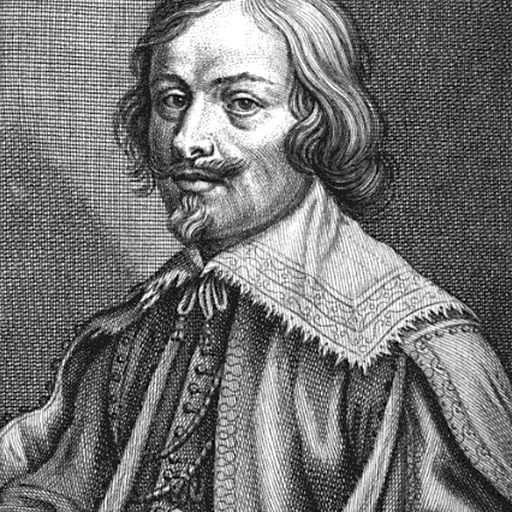
Artist
Jacques Callot was a baroque printmaker and draftsman from the Duchy of Lorraine.

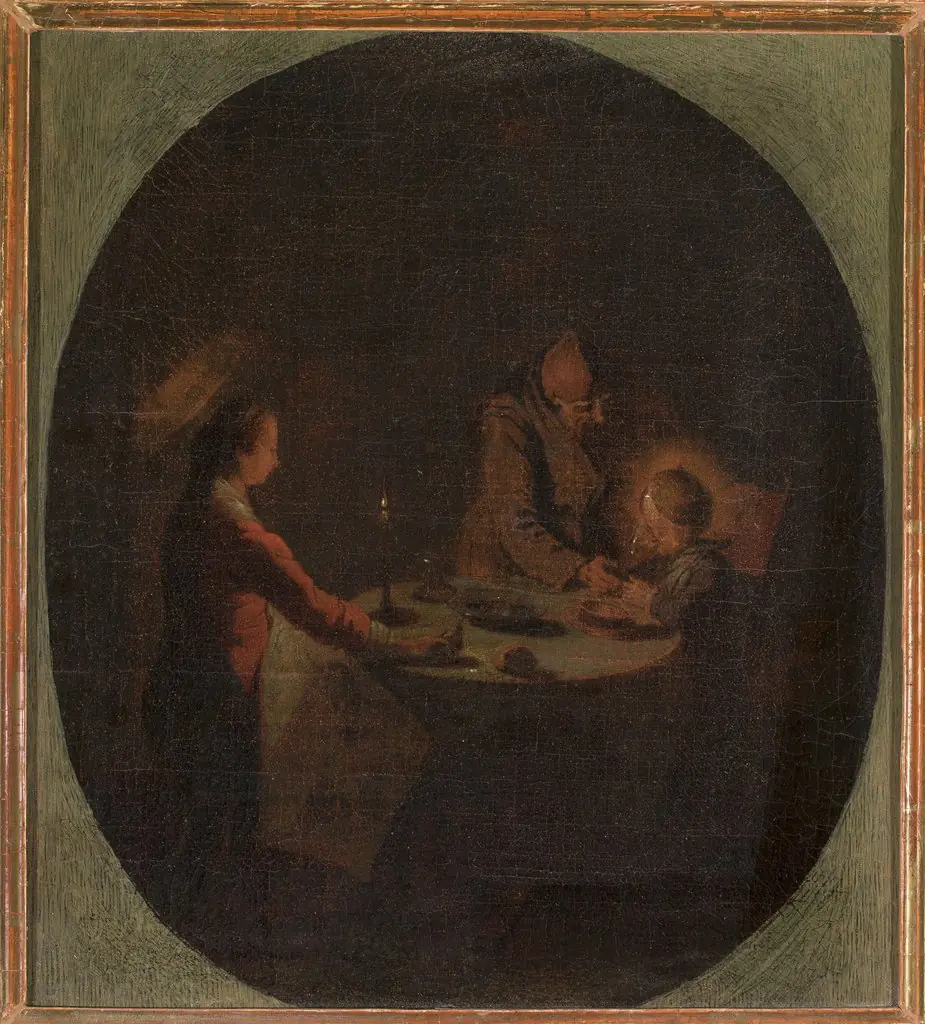 Holy Family at supper
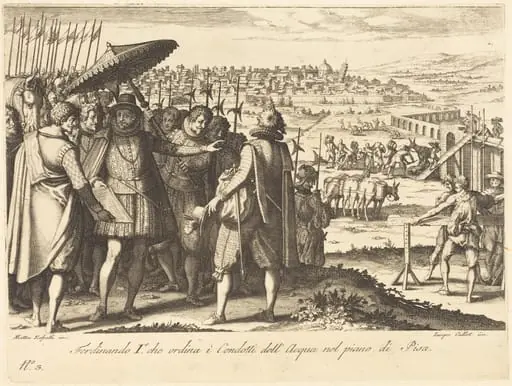 Restoration of the Aqueduct at Pisa
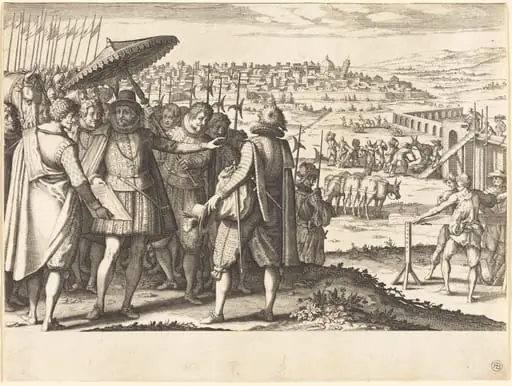 Restoration of the Aqueduct at Pisa
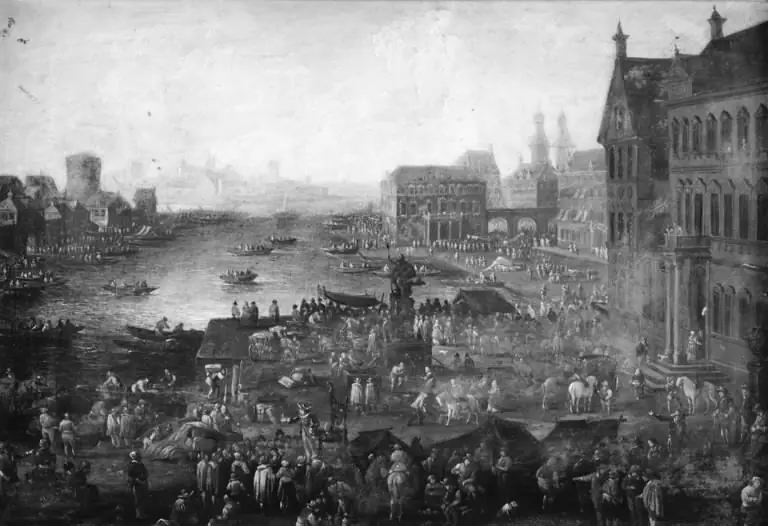 Square in Paris with Many Figures
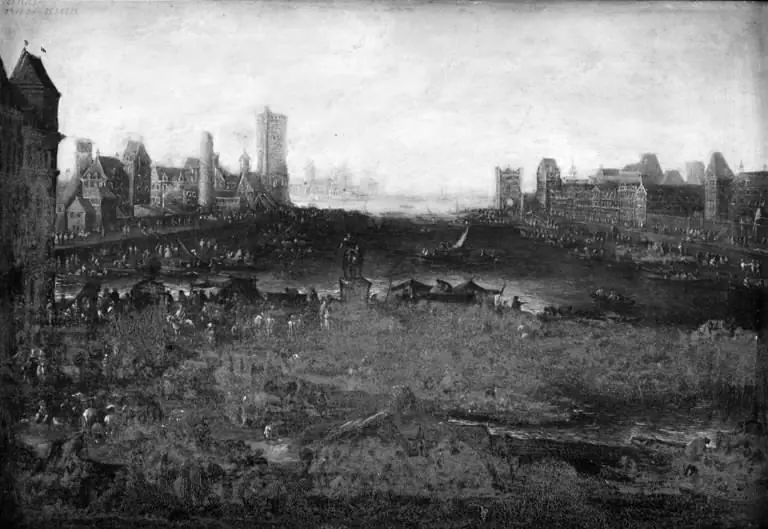 Square in Paris with Many Figures
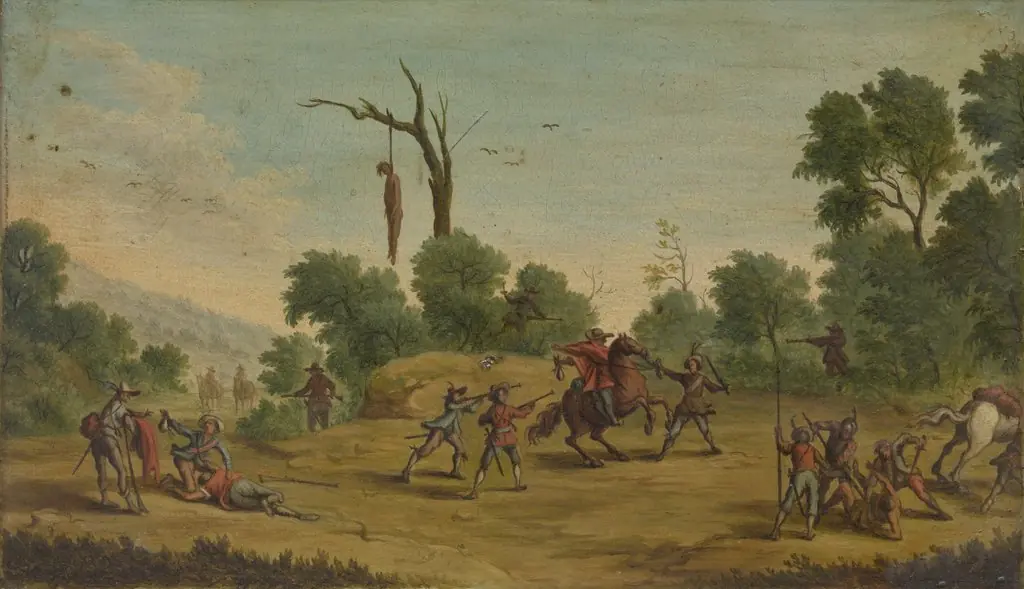 Horsemen Attacked by Robbers
 HOW WILL A COVERED PART BE CORRECTED?HOW WIKA A COVERED HEART DEED CORRECTED?
![Christ Walking on the Water [second plate], by Jacques Callot](https://artifactworldgallery.com/img/jacques-callot--christ-walking-on-the-water-second-plate--2069f3bfe4cb2126-w320.webp) Christ Walking on the Water [second plate]
Christ Walking on the Water [second plate]
 Piazza della Signoria, Florence
 Piazza della Signoria, Florence
 Piazza della Signoria, Florence
 Piazza Santa Maria Novella, Florence
 Piazza Santa Maria Novella, Florence
 Piazza Santa Maria Novella, Florence
 Piazza Santa Maria Novella, Florence
 Piazza SS. Annunziata, Florence
 Piazza del Duomo, Florence
 Piazza Santa Croce, Florence
 Piazza SS. Annunziata, Florence
 Piazza del Duomo, Florence