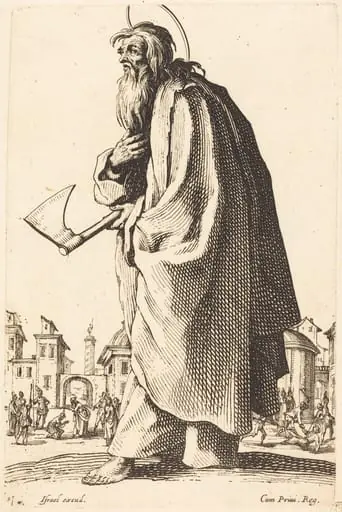
Artwork
Saint Andrew
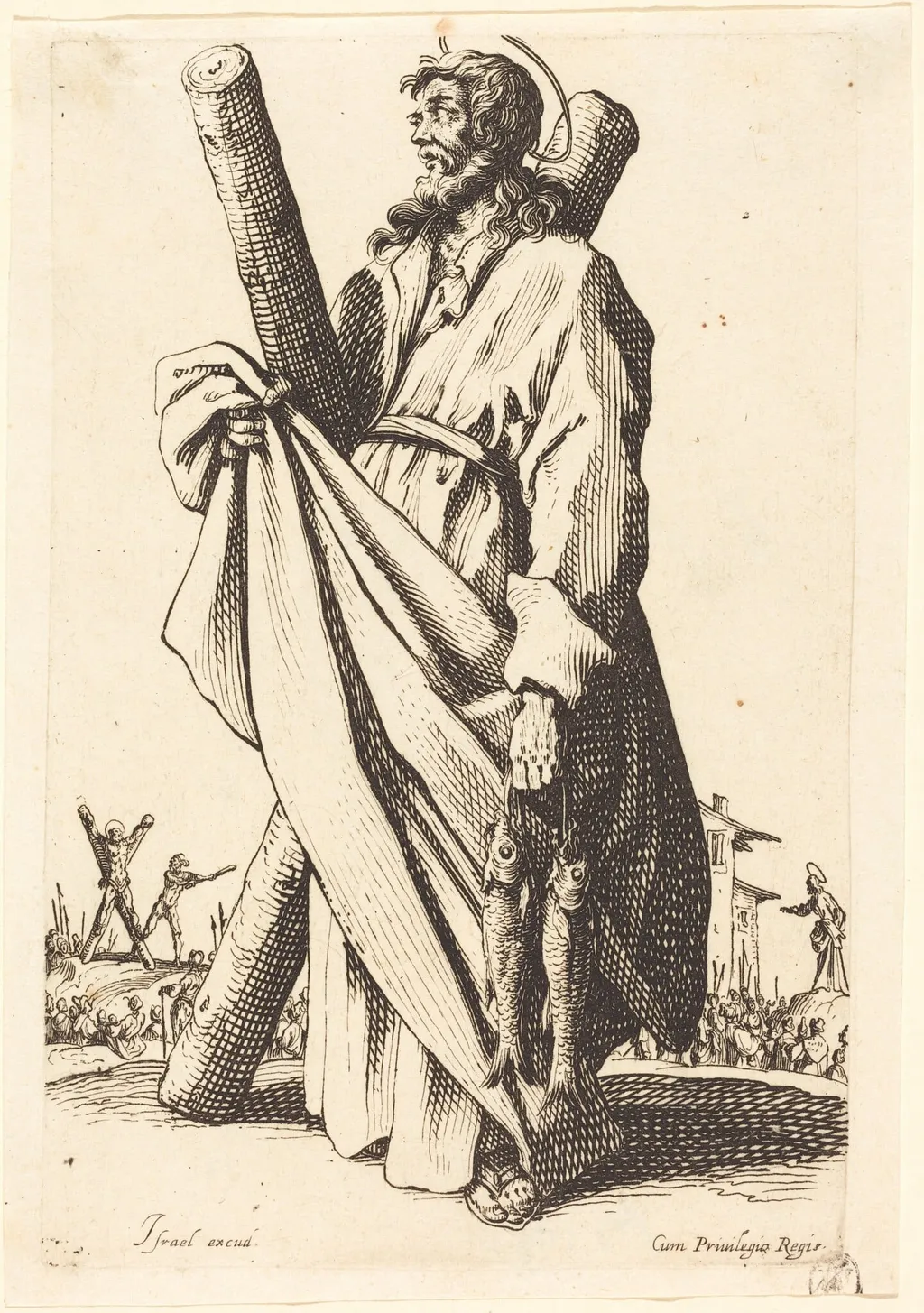
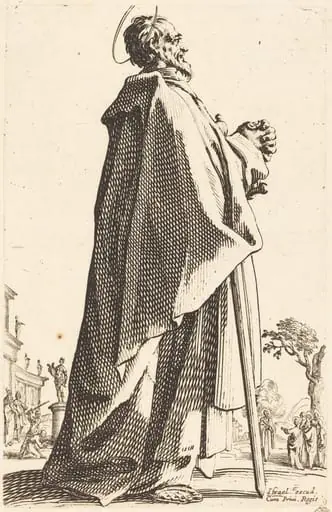
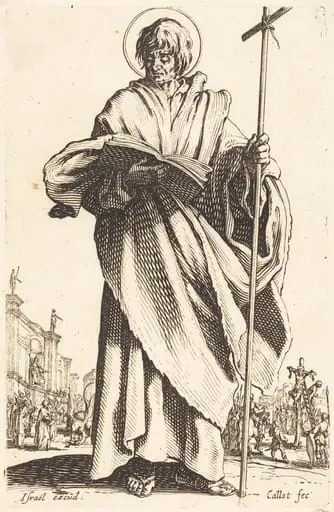
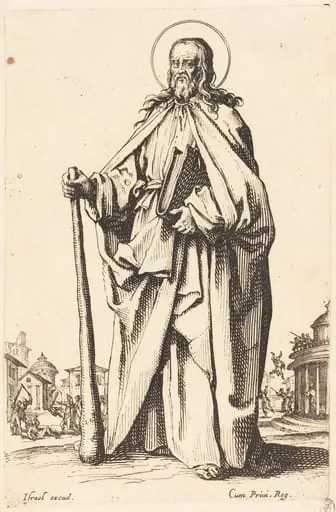
Saint Andrew is an ink print by the Baroque artist Jacques Callot. It dates from 1631 and is held in the collection of the National Gallery of Art.
About this work
Overview
Saint Andrew is a 1631 etching on laid paper by Jacques Callot, a prolific French Baroque printmaker from Lorraine. This work exemplifies Callot's contribution to the religious genre within his vast output of over 1,400 etchings, which often depicted contemporary life.
Subject & Meaning
The etching portrays Saint Andrew, identifiable by his beard and long robe, solemnly holding two large scrolls, one under each arm. His intense expression and wild hair convey a sense of gravity. The surrounding scene includes a crowd near a building and two distant figures engaged in a heated interaction, contextualizing the saint within a narrative scene.
Technique & Style
Executed using the etching technique, Callot carved the design into a metal plate, resulting in sharp, detailed lines that highlight his technical skill. The precise rendering of the saint's figure, the crowd, and the landscape background demonstrates Callot's mastery of etching.
History & Provenance
Created in 1631, Saint Andrew is part of Callot's religious oeuvre. Specific provenance details (ownership history) are not provided in the available information.
Context
Saint Andrew reflects the Baroque period's emphasis on detailed, emotionally charged religious imagery. Callot's choice of etching facilitated widespread dissemination of religious themes to a broad audience.
Legacy
As part of Callot's extensive printmaking corpus, Saint Andrew contributes to his legacy as a versatile artist who effectively used etching to explore religious subjects, influencing the broader European printmaking tradition.
Artist & collection
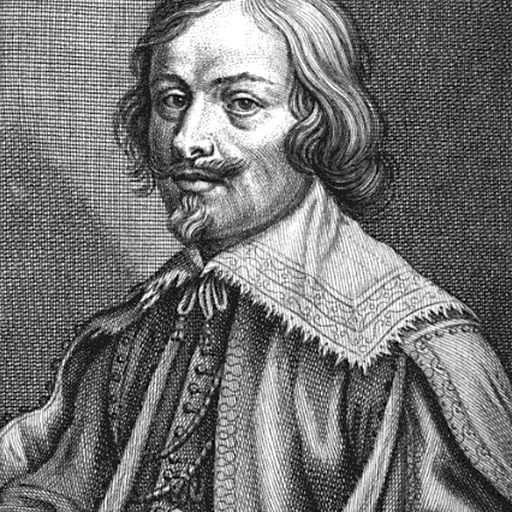
Artist
Jacques Callot was a baroque printmaker and draftsman from the Duchy of Lorraine.

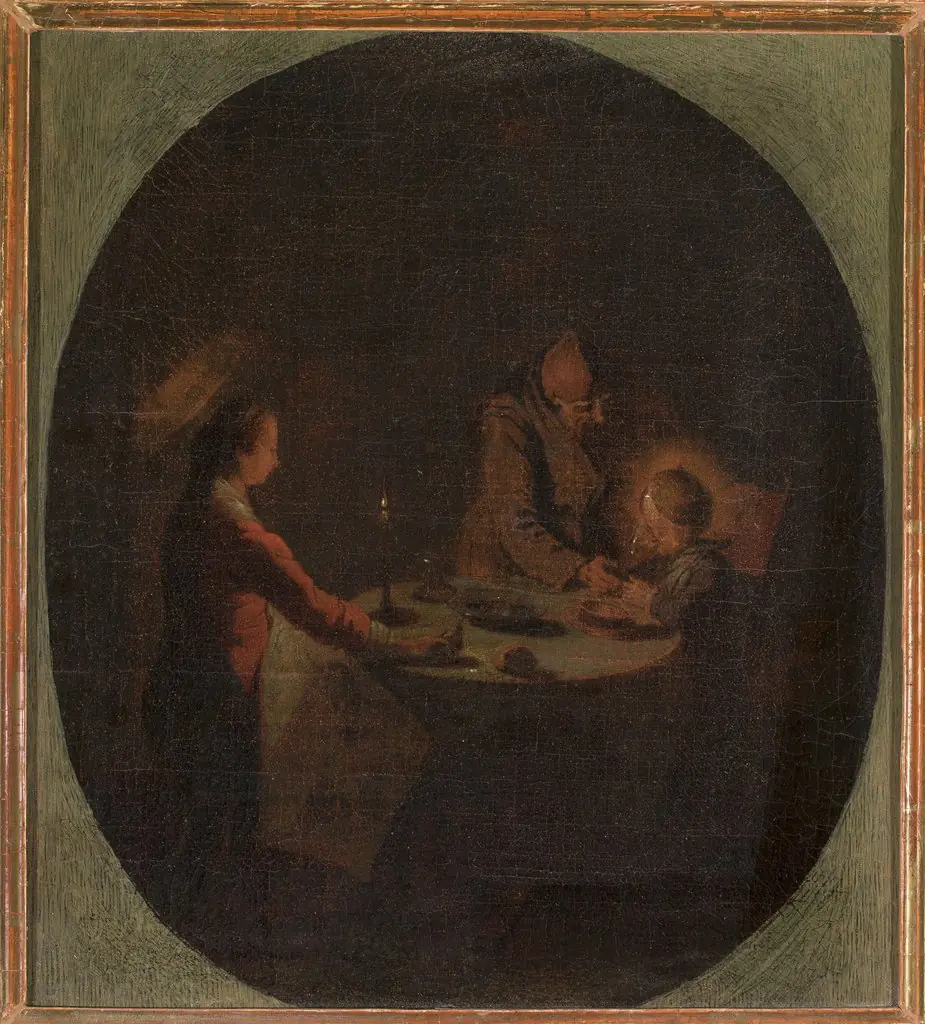 Holy Family at supper
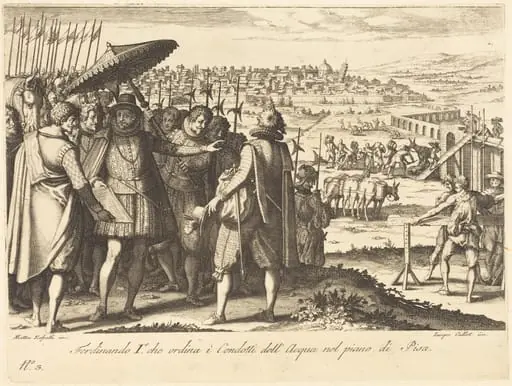 Restoration of the Aqueduct at Pisa
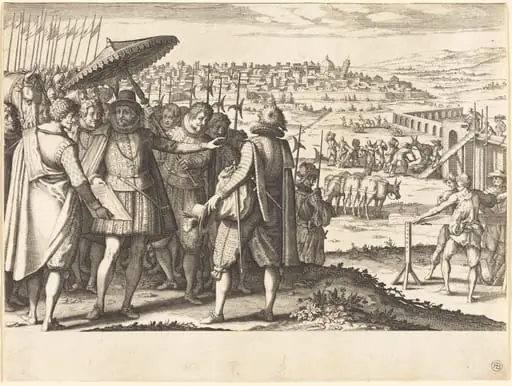 Restoration of the Aqueduct at Pisa
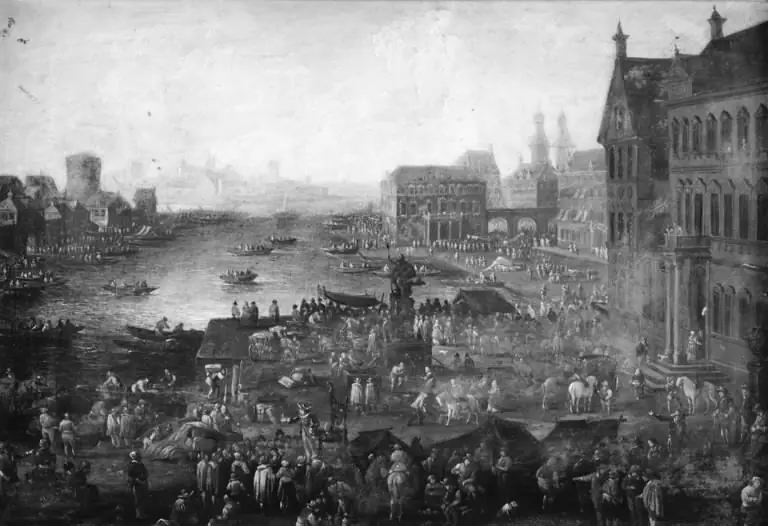 Square in Paris with Many Figures
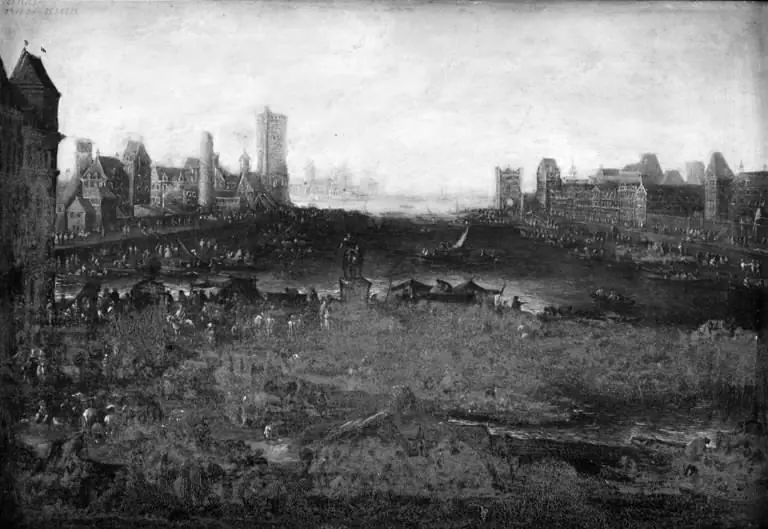 Square in Paris with Many Figures
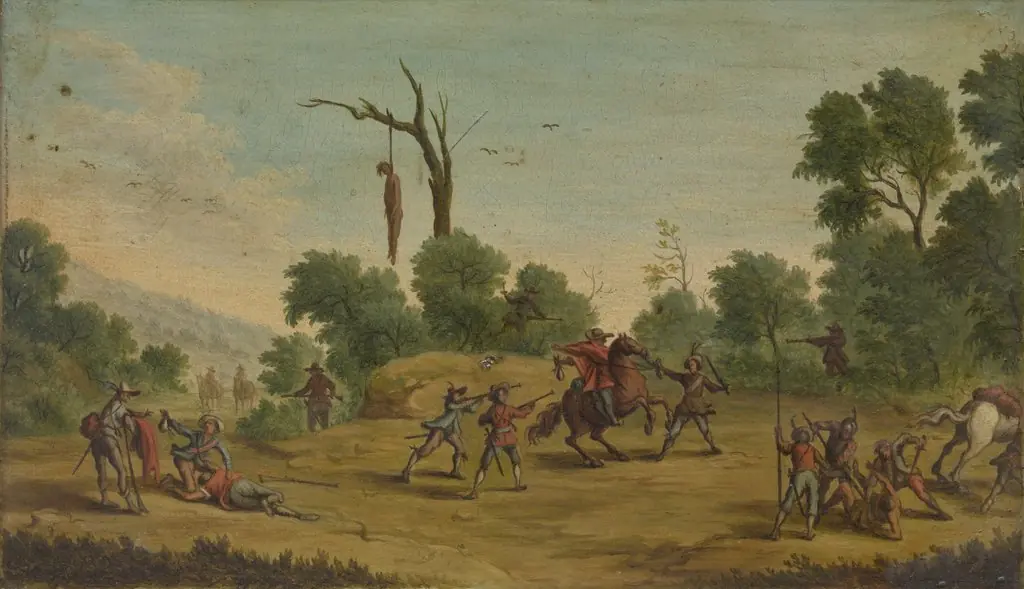 Horsemen Attacked by Robbers
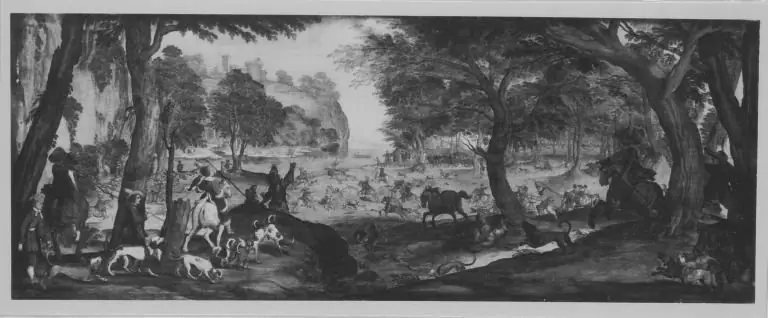 HOW WILL A COVERED PART BE CORRECTED?HOW WIKA A COVERED HEART DEED CORRECTED?
![Christ Walking on the Water [second plate], by Jacques Callot](https://artifactworldgallery.com/img/jacques-callot--christ-walking-on-the-water-second-plate--2069f3bfe4cb2126-w320.webp) Christ Walking on the Water [second plate]
Christ Walking on the Water [second plate]