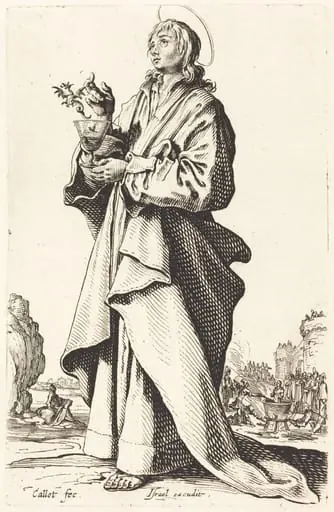
Artwork
Saint Simon
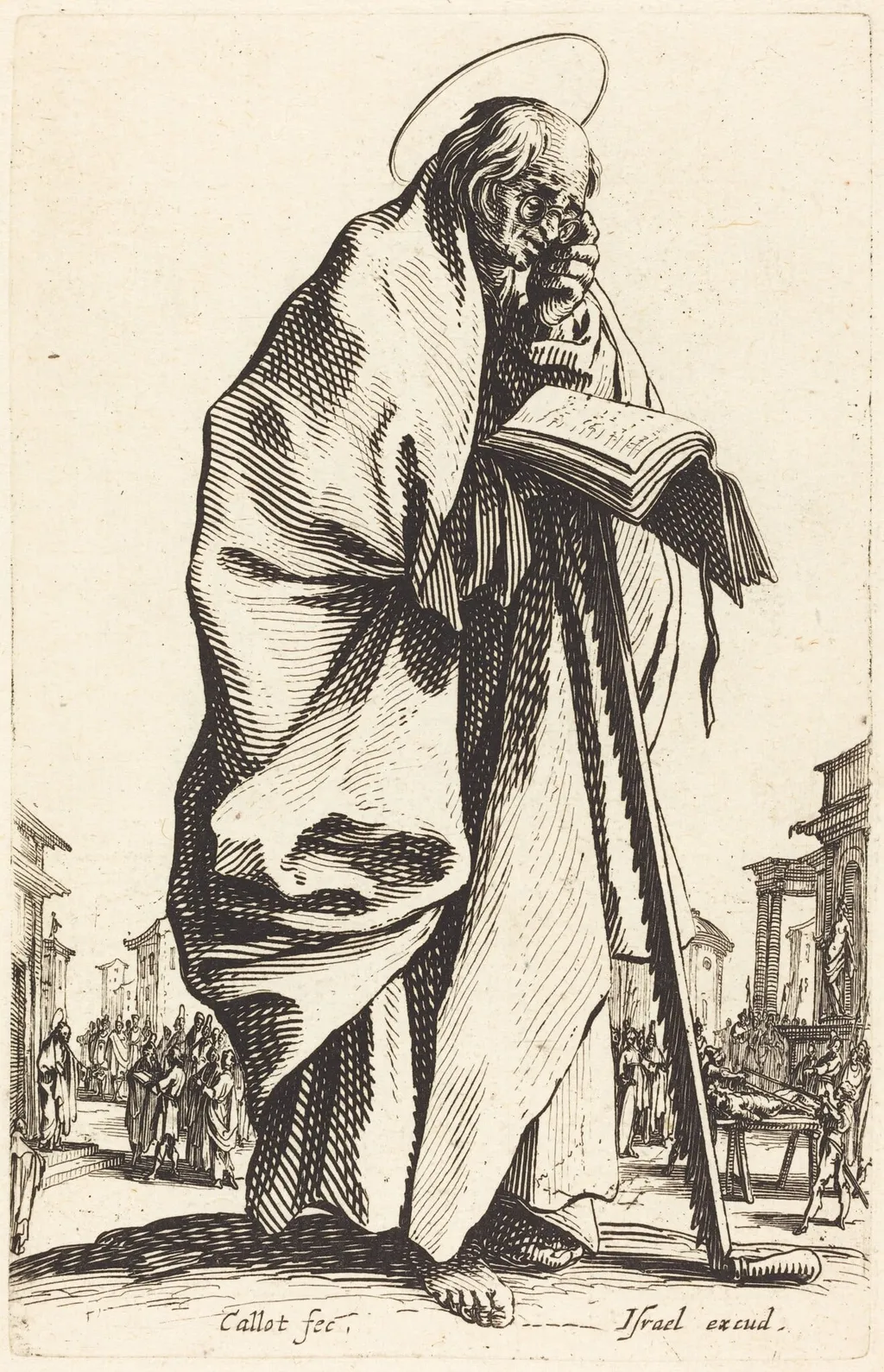
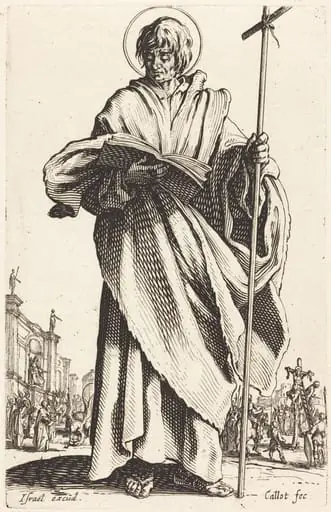
Saint Simon is an ink print by the Baroque artist Jacques Callot. It dates from 1631 and is held in the collection of the National Gallery of Art.
About this work
Overview
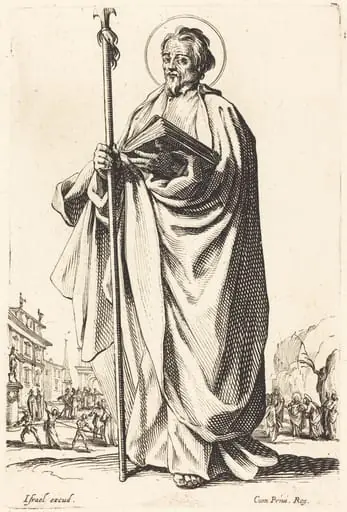
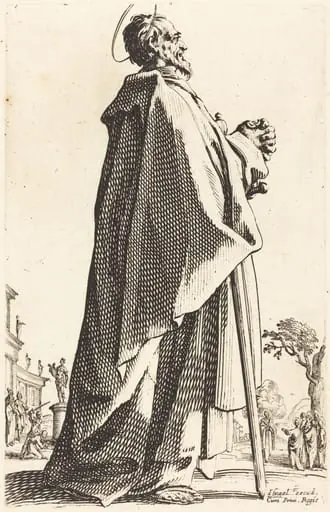
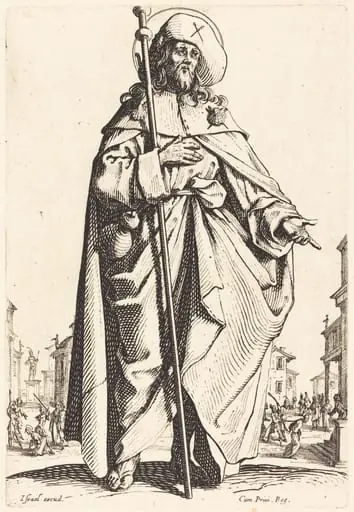
Created in 1631, *Saint Simon* is an etching on laid paper by Jacques Callot, a French printmaker active in the Duchy of Lorraine. The work belongs to Callot’s prolific output of more than 1,400 etchings, many of which record religious and everyday subjects of his era. The image presents a solitary, gaunt figure in a long robe, illuminated by a halo and leaning on an open book.
Subject & Meaning
The central figure is Saint Simon, rendered with a solemn expression that underscores his spiritual authority. He is positioned before a modest crowd gathered near architectural elements, suggesting a public teaching or sermon. The inclusion of a book emphasizes his role as a teacher, while the surrounding figures and tables hint at a communal setting within a broader landscape.
Technique & Style
Callot employs fine, sharply incised lines to delineate the folds of the saint’s robe and the texture of his beard, creating a subtle sense of volume. The etched background features a detailed landscape with buildings and a small assembly, characteristic of Callot’s baroque sensibility for intricate, narrative-rich compositions.
History & Provenance
The print emerged during Callot’s most productive period, when he was establishing a reputation for documenting contemporary life through print. Though specific ownership records for this particular impression are scarce, it forms part of the larger corpus of Callot’s religious prints that circulated widely across Europe in the mid‑17th century.
Artist & collection
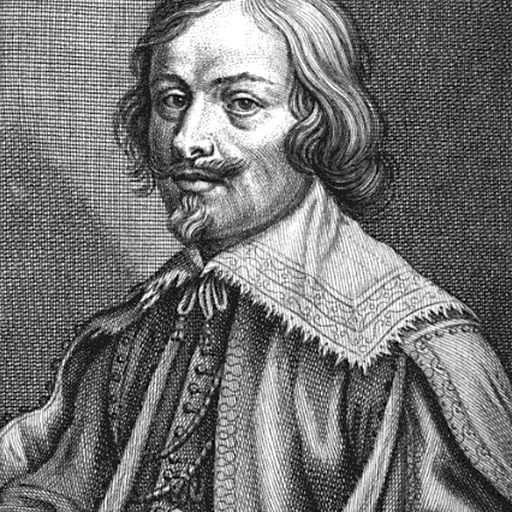
Artist
Jacques Callot was a baroque printmaker and draftsman from the Duchy of Lorraine.

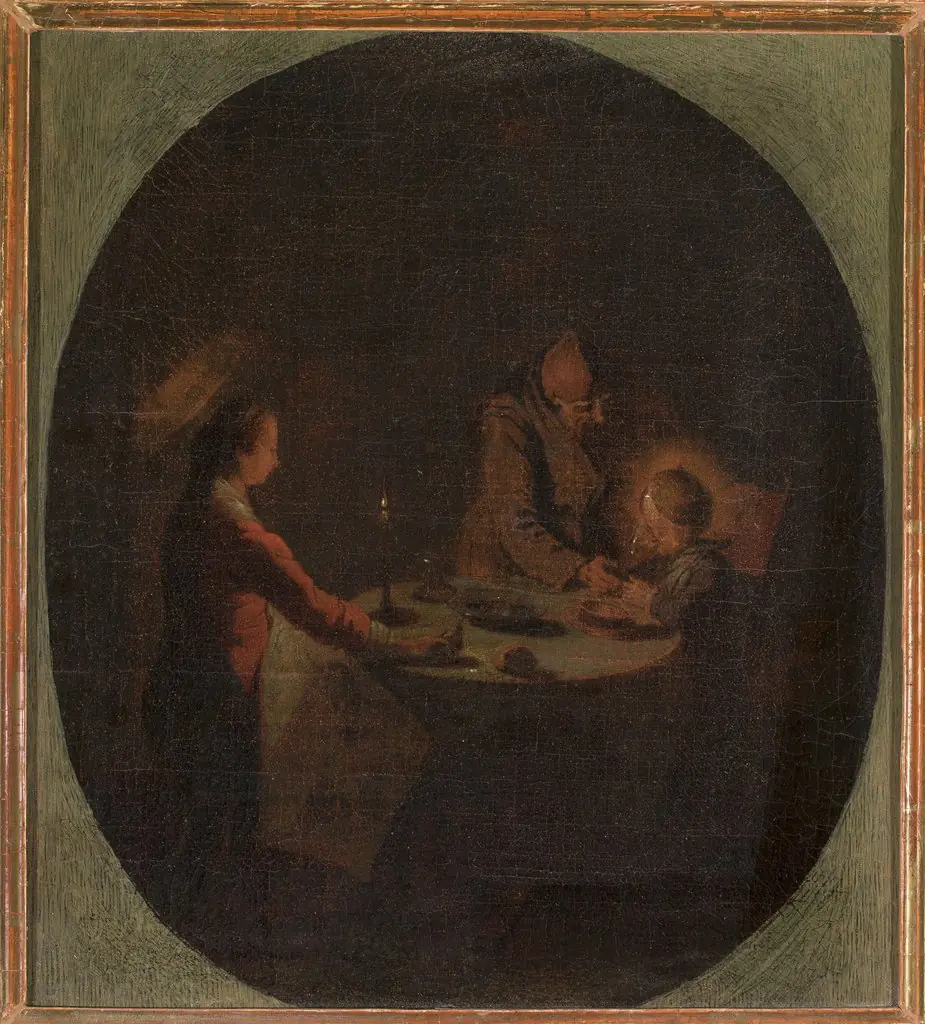 Holy Family at supper
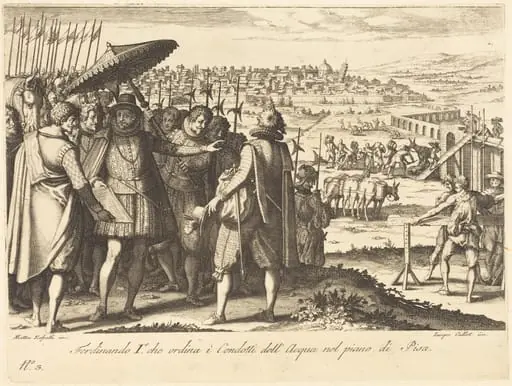 Restoration of the Aqueduct at Pisa
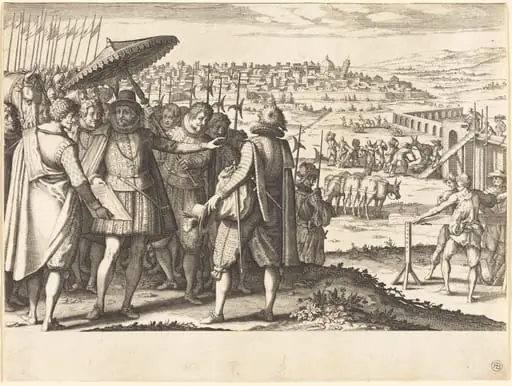 Restoration of the Aqueduct at Pisa
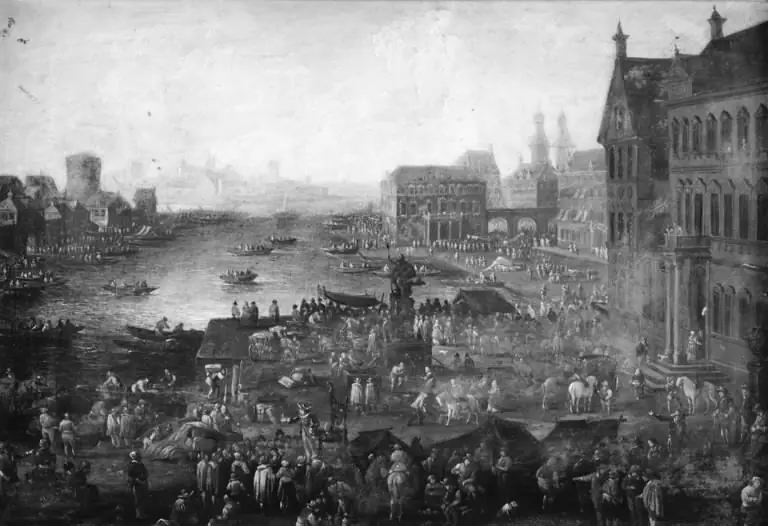 Square in Paris with Many Figures
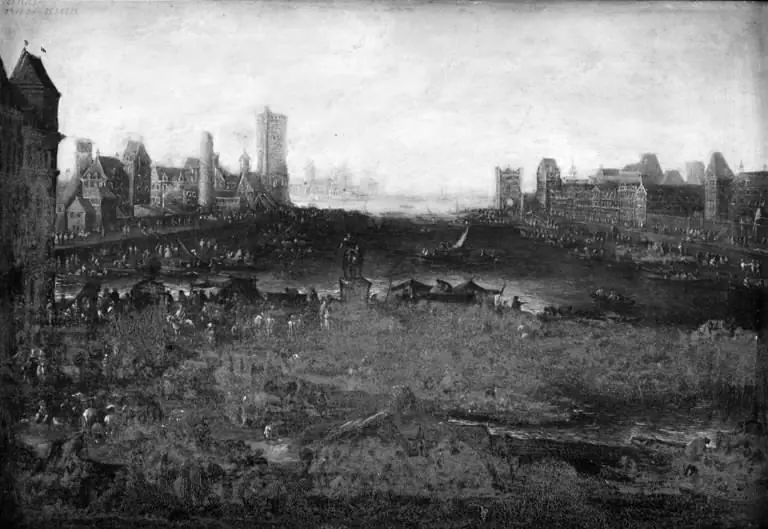 Square in Paris with Many Figures
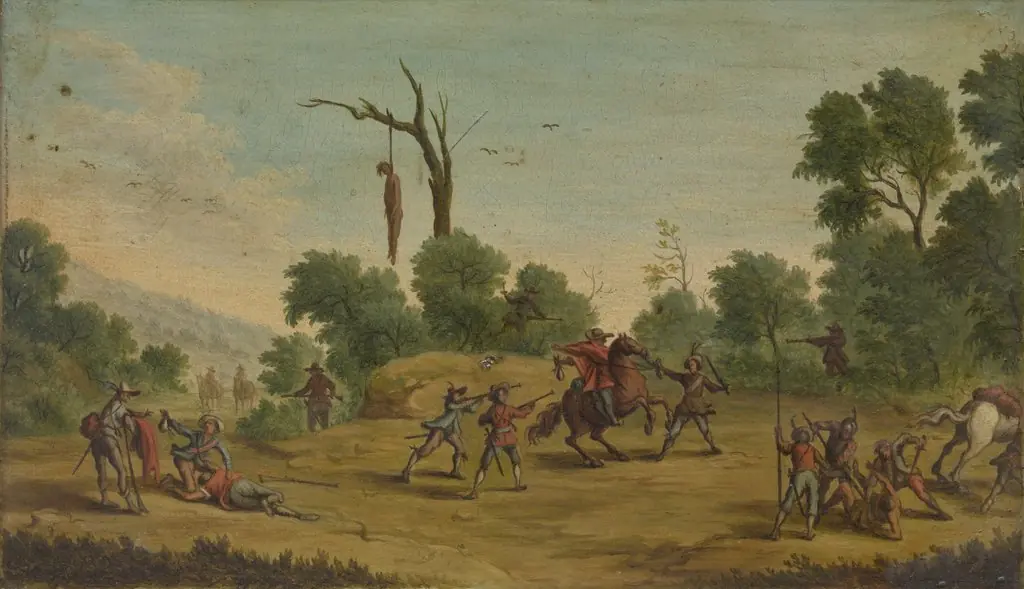 Horsemen Attacked by Robbers
 HOW WILL A COVERED PART BE CORRECTED?HOW WIKA A COVERED HEART DEED CORRECTED?
![Christ Walking on the Water [second plate], by Jacques Callot](https://artifactworldgallery.com/img/jacques-callot--christ-walking-on-the-water-second-plate--2069f3bfe4cb2126-w320.webp) Christ Walking on the Water [second plate]
Christ Walking on the Water [second plate]