Artwork
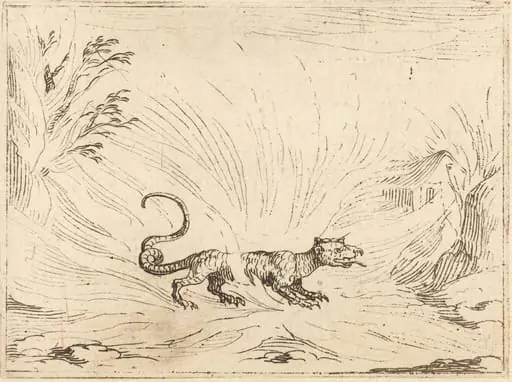
Salamander Surrounded by Flames
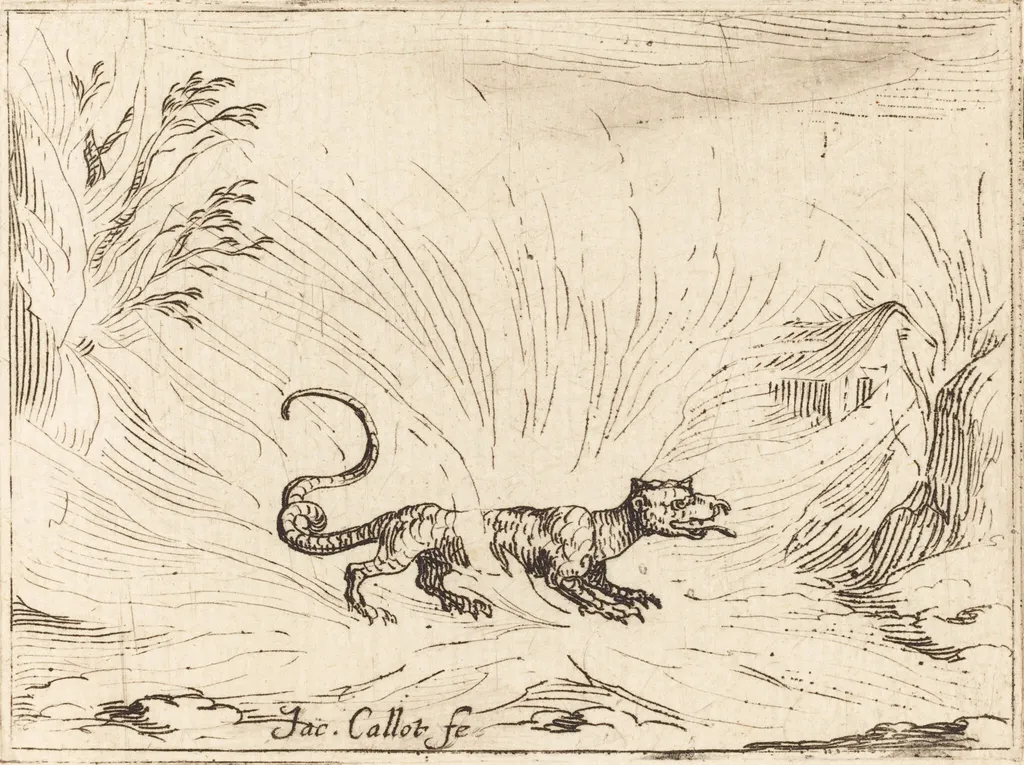
Salamander Surrounded by Flames is an ink print by the Renaissance artist Jacques Callot. It dates from 1628 and is held in the collection of the National Gallery of Art.
About this work
Overview
Executed on laid paper, the work belongs to a series of allegorical and naturalistic prints produced during Callot’s time in the Duchy of Lorraine.
Created in 1628, this etching by Jacques Callot depicts a salamander moving through an intense field of flames. Executed on laid paper, the work belongs to a series of allegorical and naturalistic prints produced during Callot’s time in the Duchy of Lorraine. Known for his meticulous line work and dense compositions, Callot used etching to explore both observed reality and symbolic themes, often blending the two with subtle surrealism.
Subject & Meaning
The salamander, long associated in medieval and early modern natural philosophy with fire resistance, is rendered here not as a literal creature but as a figure navigating an elemental force. The flames curl dynamically around its body, suggesting both danger and symbiosis. The image transforms a scientific trope into a poetic vision, inviting contemplation on endurance, transformation, and the boundary between myth and nature.
Technique & Style
Callot employed fine etching lines to build texture and movement, using controlled acid bites to achieve delicate gradations of shadow and light. The flames are rendered with swirling, rhythmic strokes, while the rocky ground and swaying grass are suggested through sparse, angular marks. His use of fine detail and atmospheric depth reflects his mastery of the medium, allowing complex scenes to emerge from minimal yet precise ink lines.
History & Provenance
This print was made during a period when Callot was prolific in producing allegorical and genre scenes for collectors and patrons in Lorraine and beyond. Though specific early ownership records are sparse, the work aligns with his broader output of prints circulated through print dealers. It was likely part of a thematic group exploring natural phenomena and symbolic creatures, common in early 17th-century Northern European print culture.
Context
In early 17th-century Europe, natural history texts often described the salamander as a creature born from fire, a belief rooted in ancient sources and perpetuated by Renaissance encyclopedias. Callot’s image responds to this tradition, not as scientific illustration but as imaginative reinterpretation. His work reflects a broader cultural interest in the intersection of empirical observation and inherited myth, particularly in the visual arts.
Legacy
Callot’s etchings, including this one, influenced later printmakers through their technical precision and narrative nuance. While not widely reproduced in popular imagery, the piece remains a quiet example of how scientific symbolism was reimagined in art. It endures as a testament to the period’s fascination with nature’s mysteries and the artist’s ability to translate them into evocative, otherworldly compositions.
Artist & collection
Artist
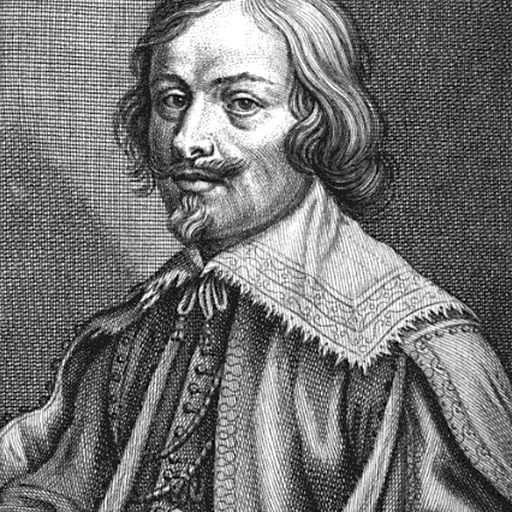
Jacques Callot was a baroque printmaker and draftsman from the Duchy of Lorraine.

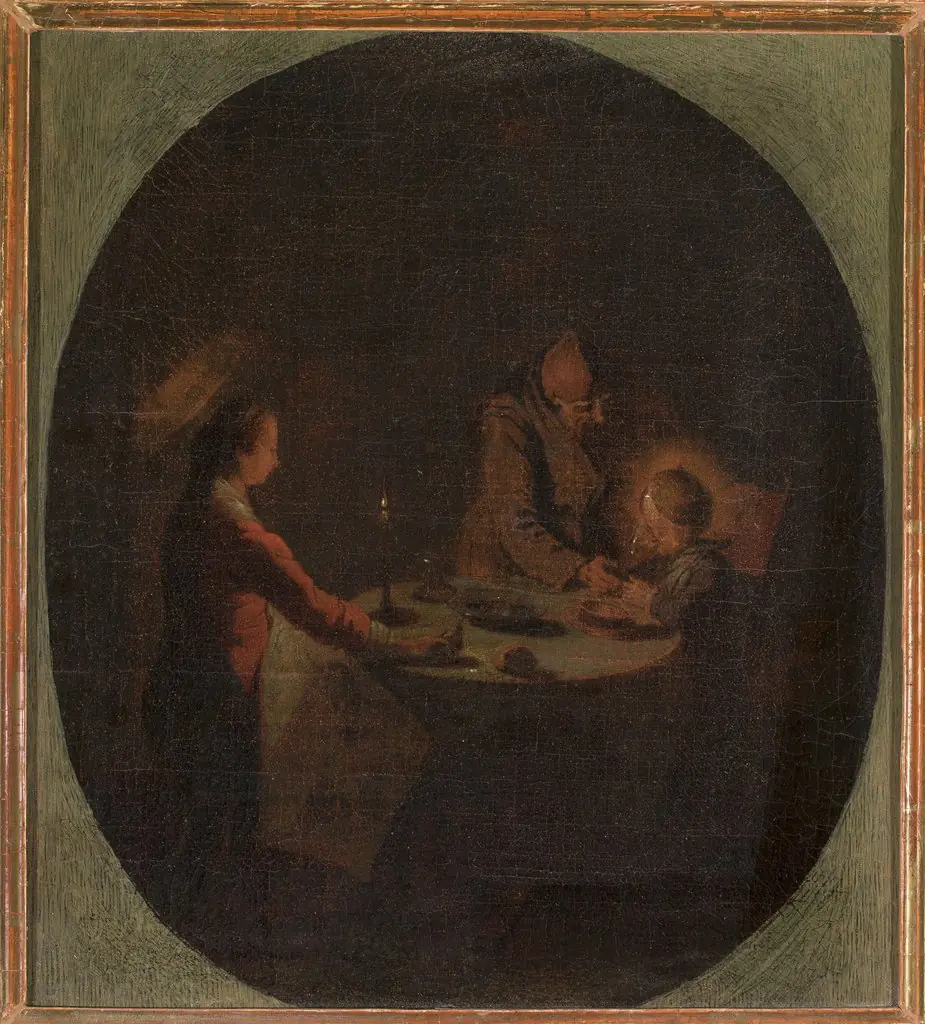 Holy Family at supper
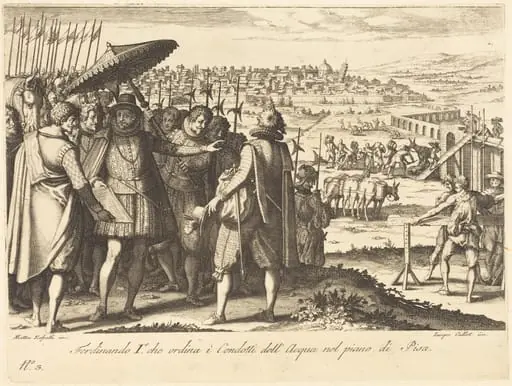 Restoration of the Aqueduct at Pisa
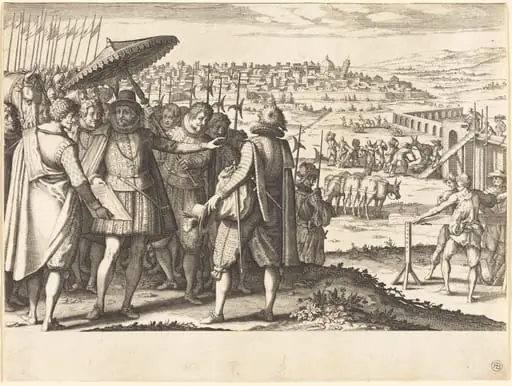 Restoration of the Aqueduct at Pisa
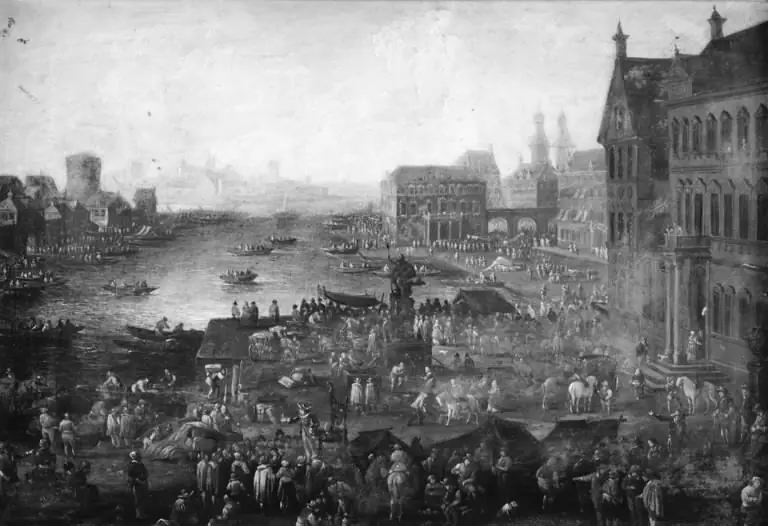 Square in Paris with Many Figures
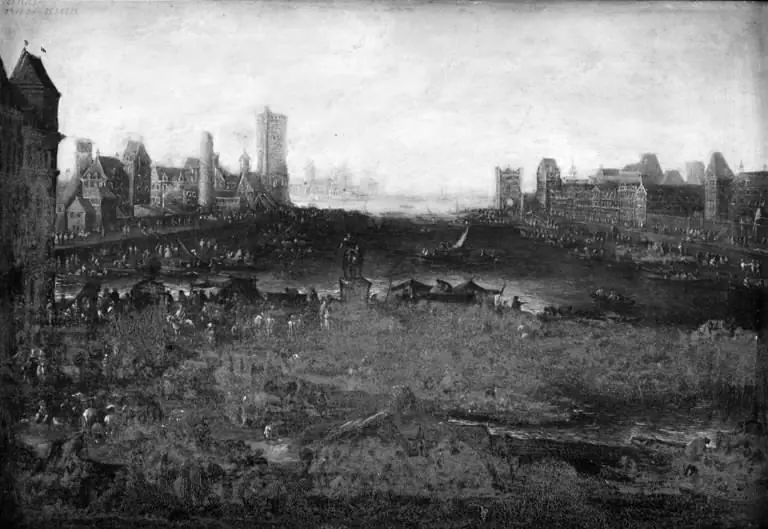 Square in Paris with Many Figures
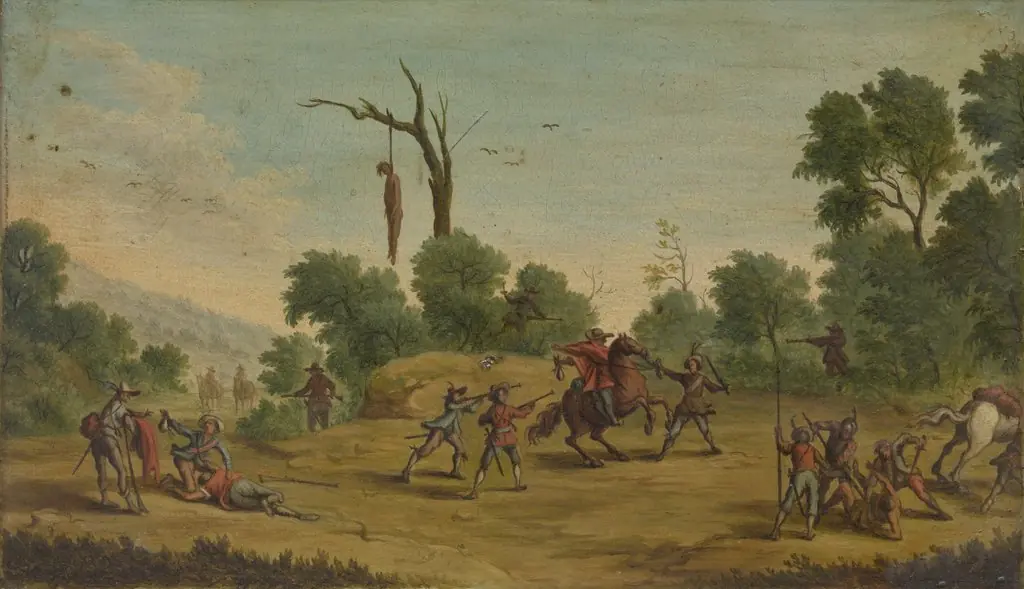 Horsemen Attacked by Robbers
 HOW WILL A COVERED PART BE CORRECTED?HOW WIKA A COVERED HEART DEED CORRECTED?
![Christ Walking on the Water [second plate], by Jacques Callot](https://artifactworldgallery.com/img/jacques-callot--christ-walking-on-the-water-second-plate--2069f3bfe4cb2126-w320.webp) Christ Walking on the Water [second plate]
Christ Walking on the Water [second plate]
 Doe Mourning her Foal
 Doe Mourning her Foal
 The Wolves on the Ice
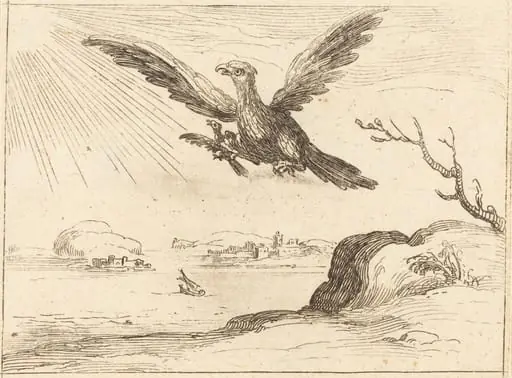 Eagle and Young
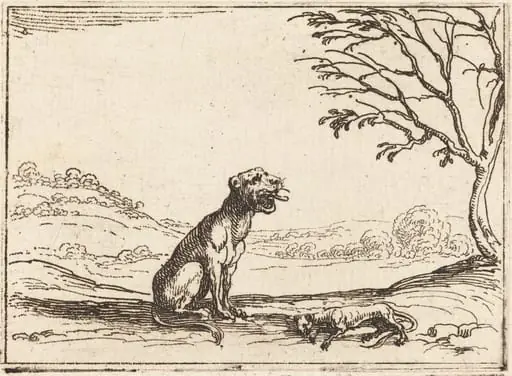 Lioness Mourning her Cub
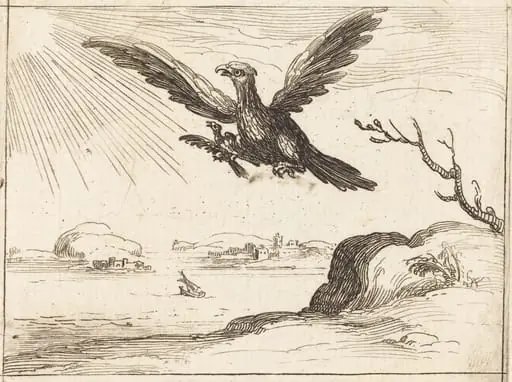 Eagle and Young
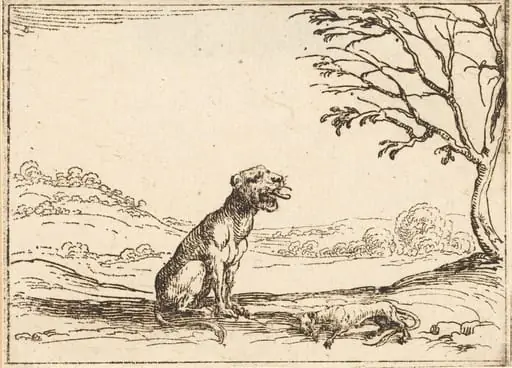 Lioness Mourning her Cub
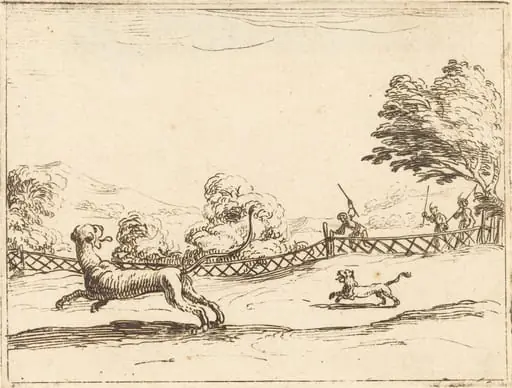 Lioness and Cub Pursued by Hunters
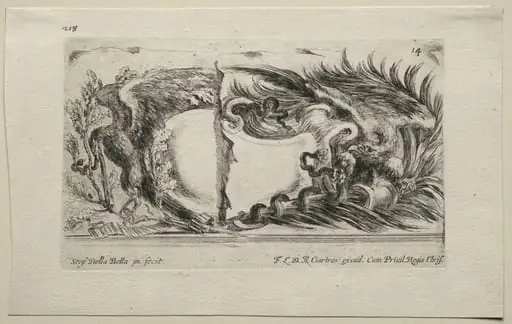 Collection of Various Caprices and New Designs of Cartouches and Ornaments: No 14
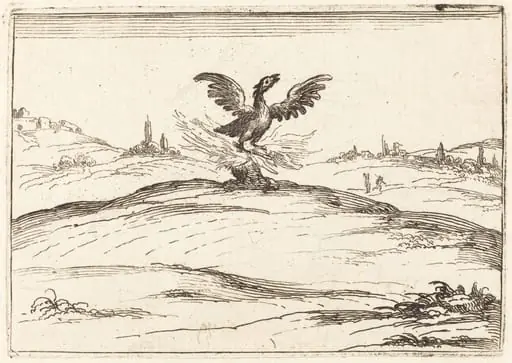 Burning Phoenix
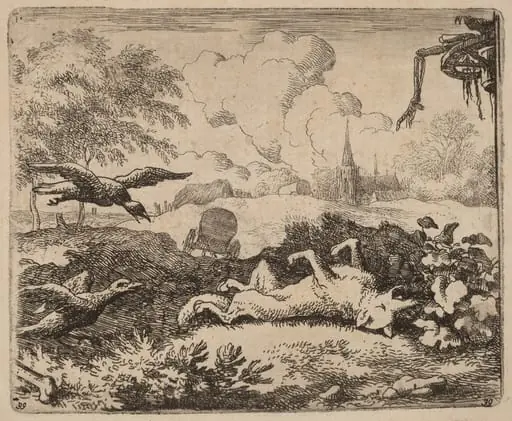 Reynard and the Crows
 Salamander Surrounded by Flames