Artwork
St. Hugo; St. Francis of Paula; St. Mary of Egypt; St. Richard
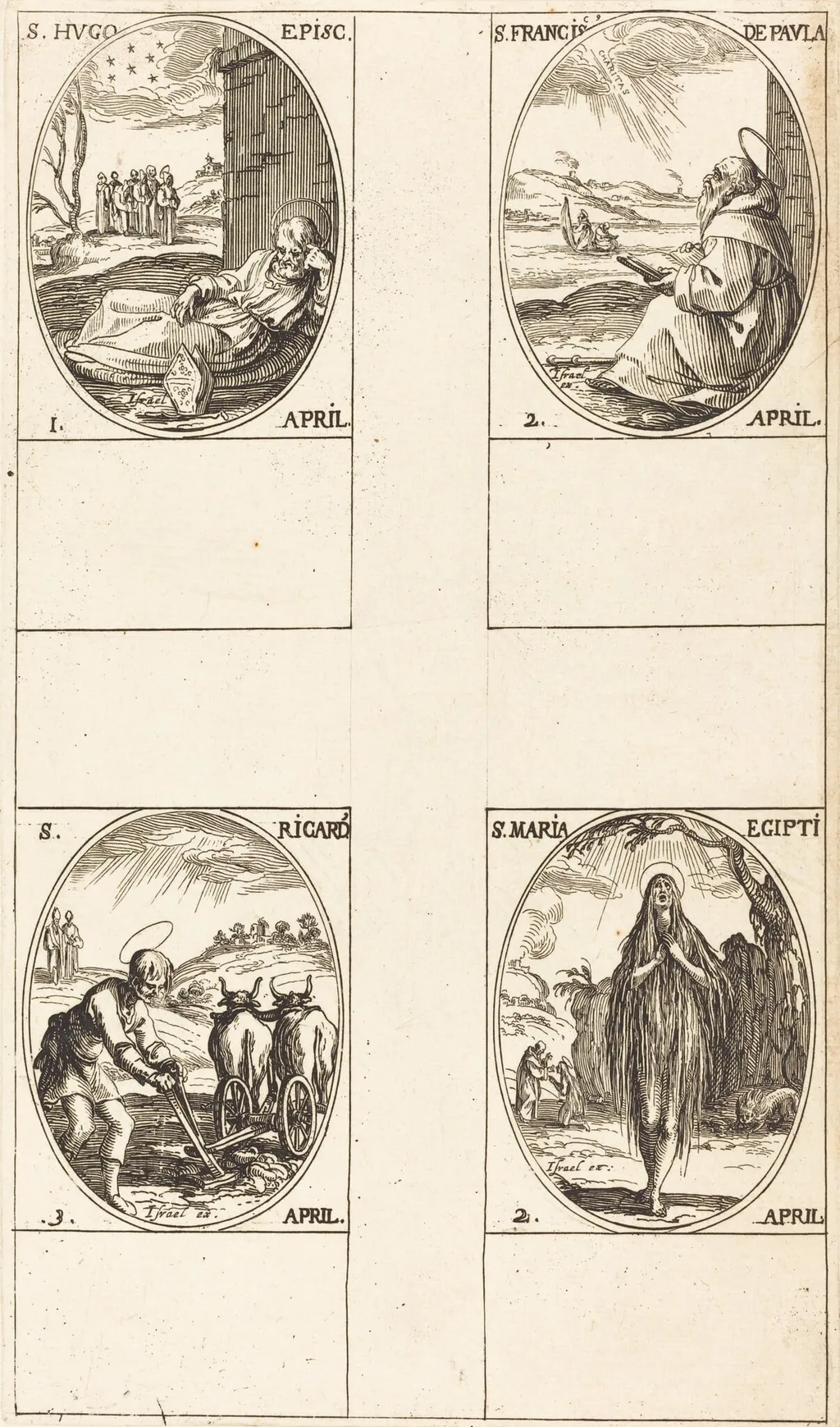
St. Hugo; St. Francis of Paula; St. Mary of Egypt; St. Richard is an ink print by the Baroque artist Jacques Callot. It dates from 1634 and is held in the collection of the National Gallery of Art.
About this work
Overview
Around 1634 the French baroque printmaker Jacques Callot produced an etching on laid paper that groups four saints—Hugo, Francis of Paola, Mary of Egypt, and Richard—into a single composition. The work exemplifies Callot’s prolific output, which exceeds fourteen hundred prints, and reflects his engagement with religious subjects alongside his well‑known depictions of military and courtly life.
Subject & Meaning
Each saint is presented in a separate oval vignette, allowing distinct narratives to unfold within a unified frame.
Each saint is presented in a separate oval vignette, allowing distinct narratives to unfold within a unified frame. The scenes reference traditional hagiographic motifs: a reclined figure surrounded by attendants, a contemplative man looking toward divine light, a laboring figure in a field with oxen, and a standing woman before a tree with a kneeling supplicant, suggesting themes of piety, humility and divine revelation.
Technique & Style
Callot employed the etching technique on laid paper, achieving fine line work and subtle tonal variation that convey both interior detail and expansive landscape elements. The clear, unadorned backgrounds focus attention on the figures, while the precise rendering of textures—such as fabric, foliage, and animal hide—demonstrates his meticulous observational approach.
History & Provenance
The print bears Callot’s signature and date at the top, confirming its authorship and placing it within his early‑seventeenth‑century oeuvre. It forms part of the broader corpus of his religious series, which were circulated among collectors and devotional patrons across France and the Low Countries during the Baroque period.
Context
Created in the Duchy of Lorraine, the work reflects the Catholic Counter‑Reformation’s emphasis on saintly exemplarity. Callot’s choice to depict multiple saints together aligns with contemporary devotional prints that offered viewers a compact visual meditation on varied models of sanctity.
Legacy
While not as widely reproduced as Callot’s military series, this multi‑saint etching illustrates his versatility and contributes to the understanding of early modern print culture, where a single sheet could convey a complex program of religious instruction.
Artist & collection
Artist
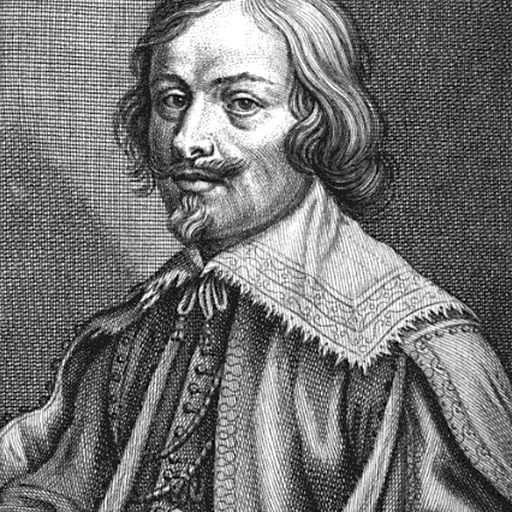
Jacques Callot was a baroque printmaker and draftsman from the Duchy of Lorraine.

 Holy Family at supper
 Restoration of the Aqueduct at Pisa
 Restoration of the Aqueduct at Pisa
 Square in Paris with Many Figures
 Square in Paris with Many Figures
 Horsemen Attacked by Robbers
 HOW WILL A COVERED PART BE CORRECTED?HOW WIKA A COVERED HEART DEED CORRECTED?
![Christ Walking on the Water [second plate], by Jacques Callot](https://artifactworldgallery.com/img/jacques-callot--christ-walking-on-the-water-second-plate--2069f3bfe4cb2126-w320.webp) Christ Walking on the Water [second plate]
Christ Walking on the Water [second plate]
 St. Thomas Aquin; St. Adrian and Companions; St. Frances; St. Macari
 St. Remigius; St. Leodegarius; St. Gerard, Abbot; St. Francis of Assisi
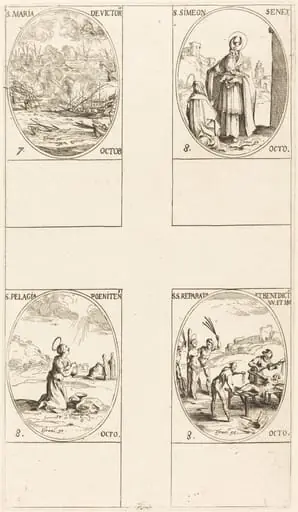 St. Mary of Victory; St. Simeon, Prophet; St. Pelagia; Sts. Reparata and Benedicta
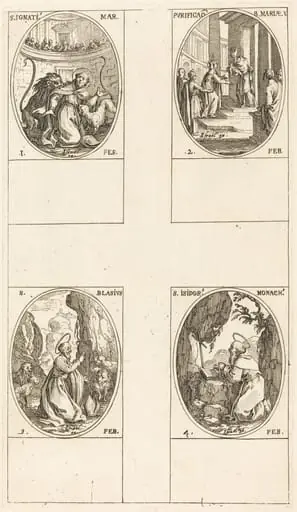 St. Ignatius; Purification of the Virgin; St. Blaise; St. Isidore
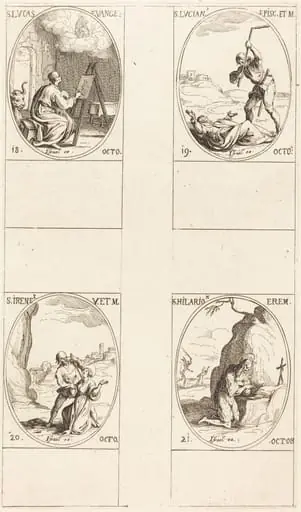 St. Luke; St. Lucian; St. Irene; St. Hilarion
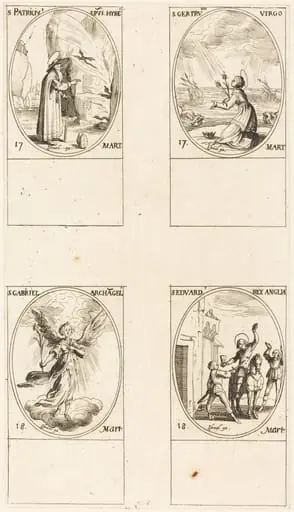 St. Patrick; St. Gertrude; St. Gabriel, Archangel; St. Edward
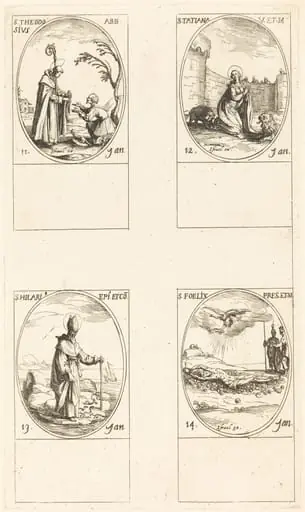 St. Theodosius; St. Tatiana; St. Hilary; St. Felix
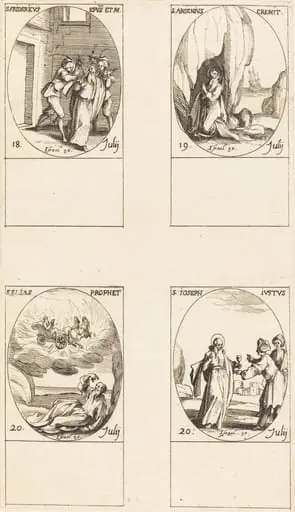 St. Frederick; St. Arsenius, Hermit; St. Elias, Prophet; St. Joseph the Just
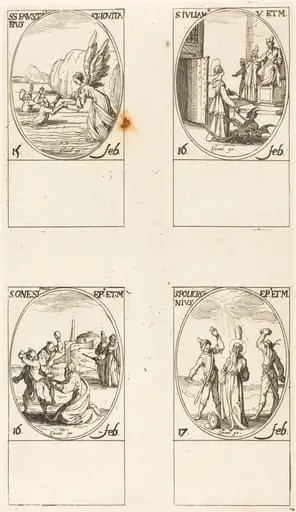 Sts. Faustinus and Jovita; St. Juliana; St. Onesimus; St. Policronius
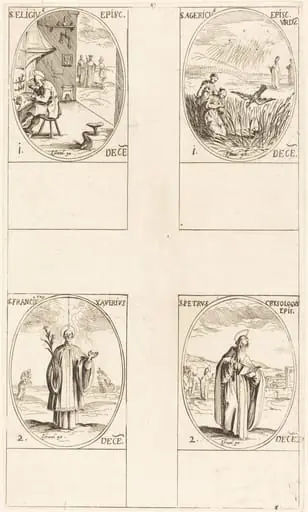 St. Eligius; St. Agericus; St. Francis Xavier; St. Peter Chrysologus