Artwork
St. Luke; St. Lucian; St. Irene; St. Hilarion
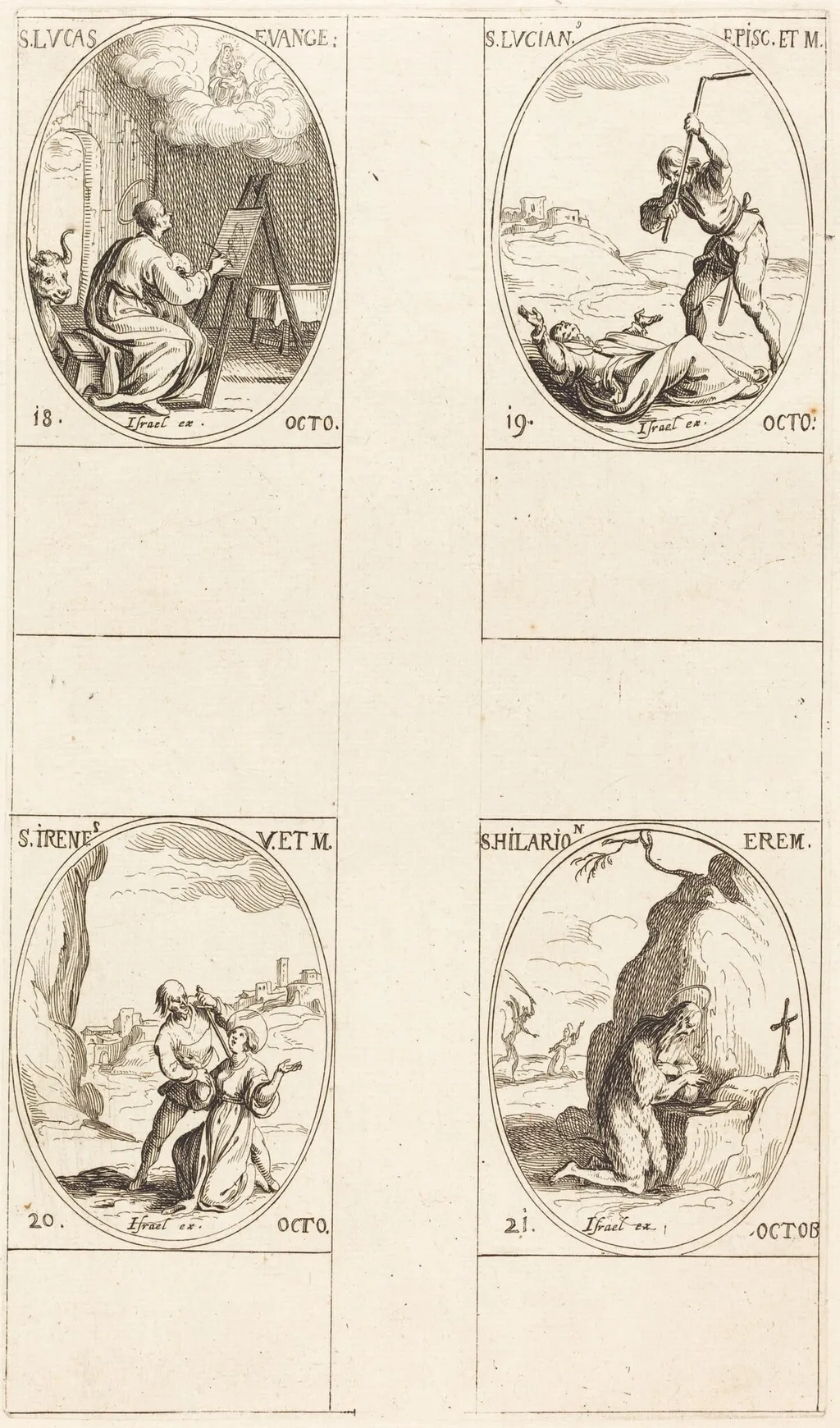
St. Luke; St. Lucian; St. Irene; St. Hilarion is an ink print by the Baroque artist Jacques Callot. It dates from 1634 and is held in the collection of the National Gallery of Art.
About this work
Overview
As part of a broader body of over 1,400 prints, the work reflects Callot’s interest in both sacred narratives and meticulous draftsmanship.
Created around 1634 by Jacques Callot, this etching presents four small, framed scenes of saints on laid paper. As part of a broader body of over 1,400 prints, the work reflects Callot’s interest in both sacred narratives and meticulous draftsmanship. Each oval composition functions as a discrete vignette, arranged in a grid to suggest a devotional sequence. The technique relies on fine, controlled lines to define form and atmosphere, characteristic of Callot’s mastery of the etching medium.
Subject & Meaning
The four figures represent St. Luke, St. Lucian, St. Irene, and St. Hilarion, each depicted in moments drawn from hagiographic tradition. Kneeling beside a bed with a book, St. Luke may symbolize scholarly devotion; St. Lucian stands on a shore with a staff, evoking pilgrimage or martyrdom; the pair walking near a tree could reference companionship in faith; and the solitary climber suggests spiritual ascent. These scenes, though compact, convey themes of endurance, contemplation, and divine calling.
Technique & Style
Callot employed fine-line etching to render intricate textures—folds of fabric, rocky terrain, and foliage—with precision. The use of closely spaced lines creates subtle gradations of light and shadow, enhancing the three-dimensionality of each scene. The oval frames unify the composition while isolating individual narratives, a structural choice that invites focused contemplation. The paper’s laid texture subtly interacts with the ink, adding a tactile quality to the printed surface.
History & Provenance
Produced during Callot’s mature period in Nancy, then part of the Duchy of Lorraine, the print reflects the religious and cultural climate of early 17th-century France. While its exact early ownership is undocumented, it aligns with a broader trend of devotional prints circulated among private collectors and religious communities. Callot’s prints were widely distributed across Europe, and this work likely entered collections through print dealers or ecclesiastical networks.
Context
In the Baroque era, religious imagery remained central to print culture, serving both devotional and educational purposes. Callot’s work responded to Counter-Reformation demands for clear, emotionally resonant sacred scenes. Unlike grand altarpieces, his small-scale etchings allowed personal engagement with saints’ lives. His attention to landscape and everyday detail also reflects a growing interest in naturalism, bridging religious subject matter with observational realism.
Legacy
Callot’s etchings influenced generations of printmakers through their technical refinement and narrative clarity. This group of saints exemplifies his ability to condense complex stories into intimate compositions. Though less celebrated than his military scenes, such religious prints demonstrate his range and contributed to the broader dissemination of Catholic iconography in early modern Europe. His approach to framing and detail became a model for later artists working in the medium.
Artist & collection
Artist
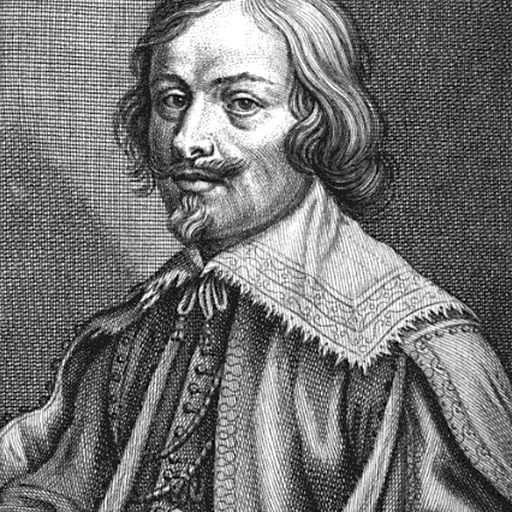
Jacques Callot was a baroque printmaker and draftsman from the Duchy of Lorraine.

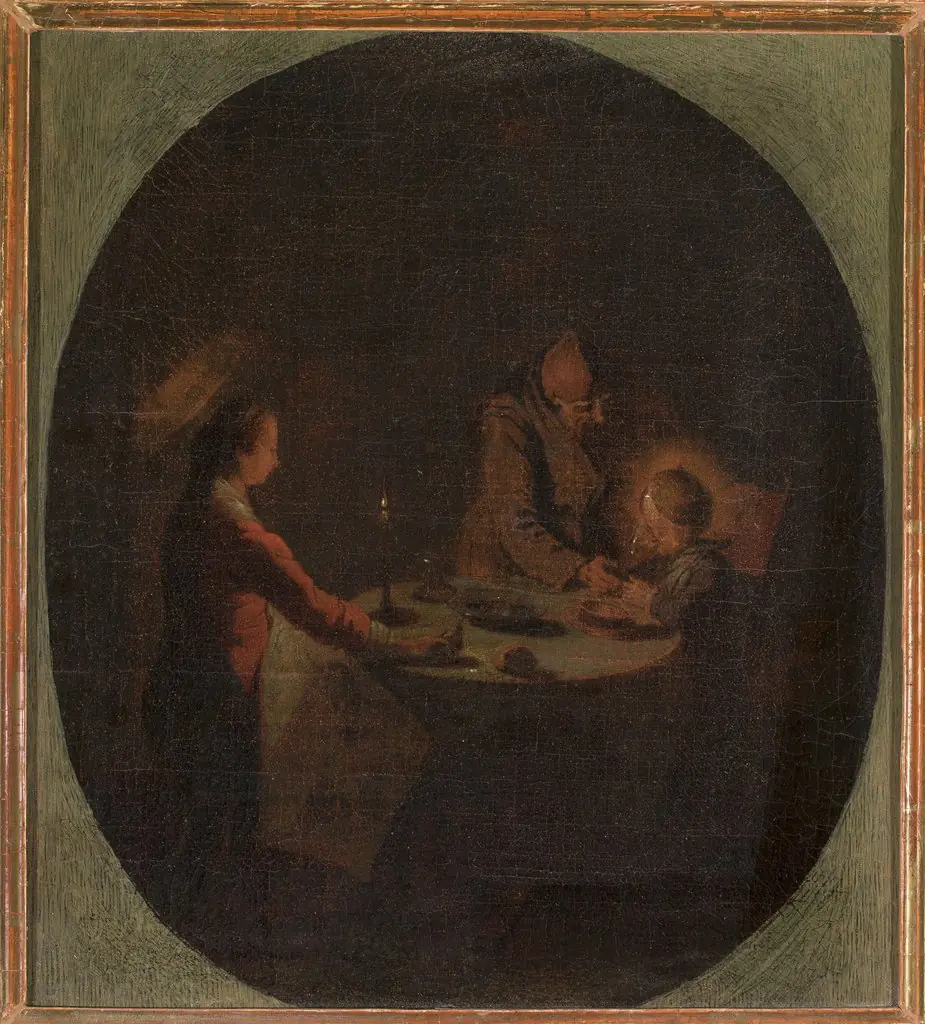 Holy Family at supper
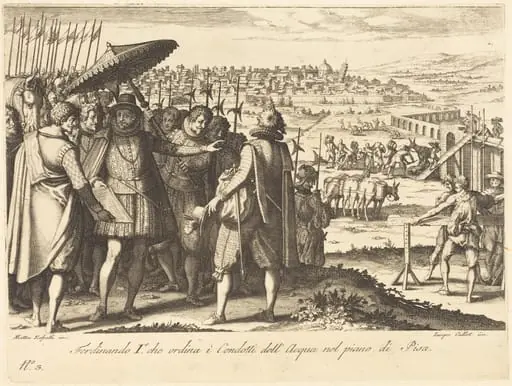 Restoration of the Aqueduct at Pisa
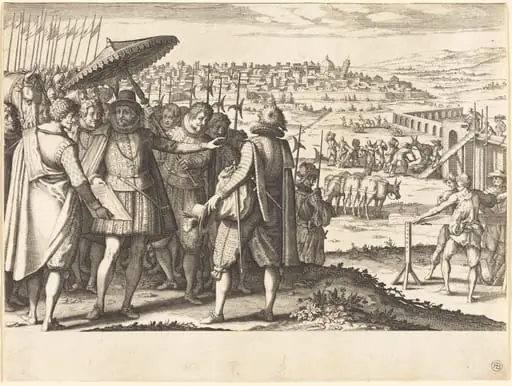 Restoration of the Aqueduct at Pisa
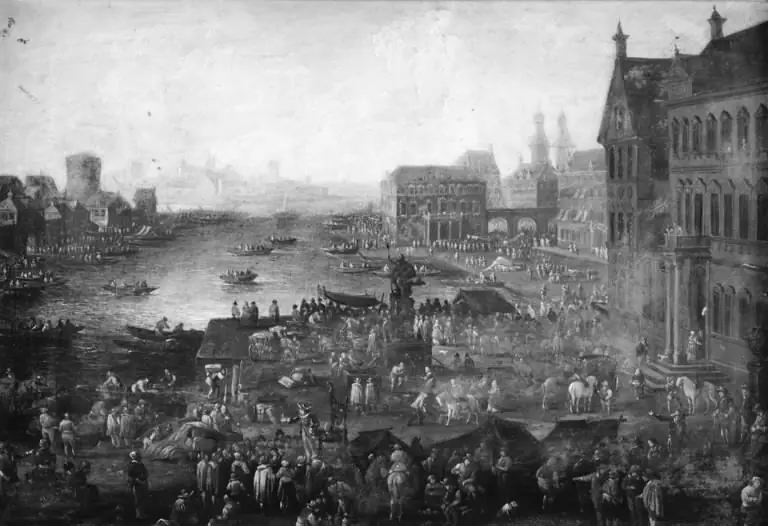 Square in Paris with Many Figures
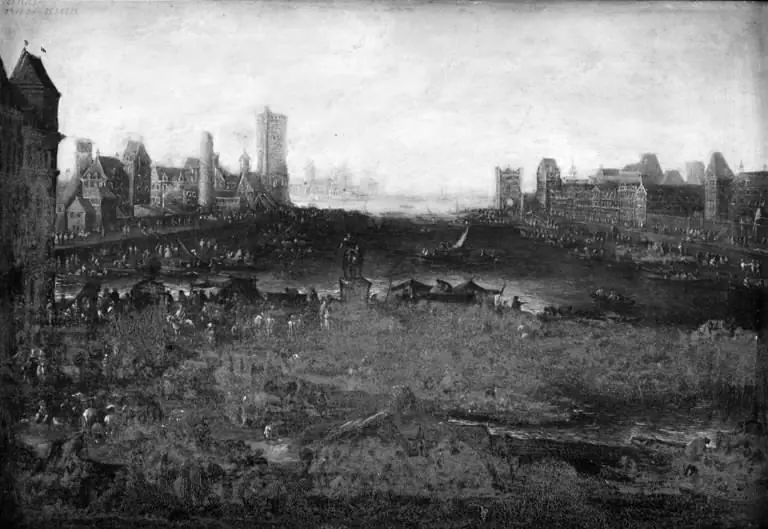 Square in Paris with Many Figures
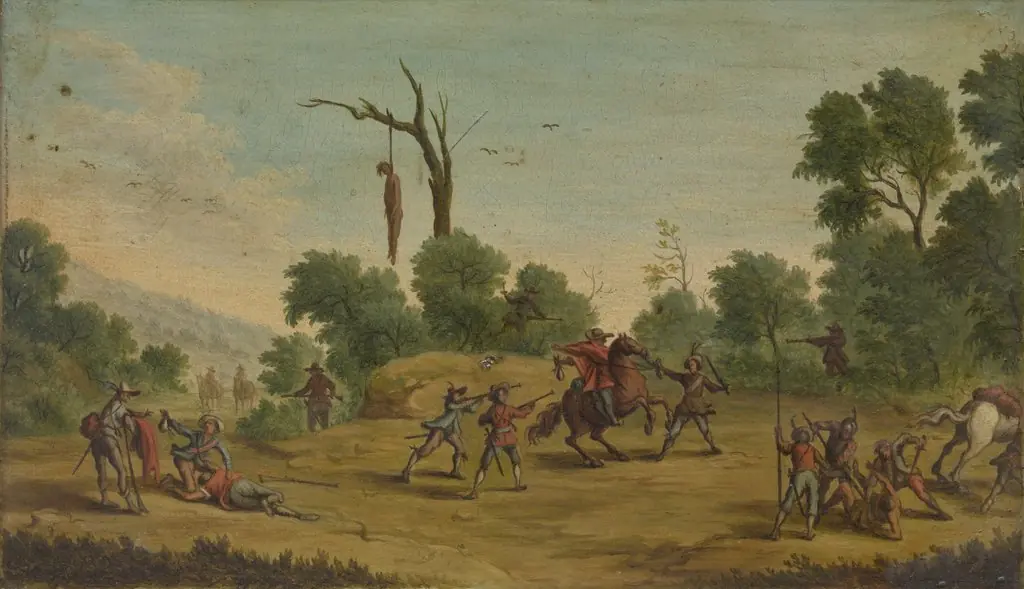 Horsemen Attacked by Robbers
 HOW WILL A COVERED PART BE CORRECTED?HOW WIKA A COVERED HEART DEED CORRECTED?
![Christ Walking on the Water [second plate], by Jacques Callot](https://artifactworldgallery.com/img/jacques-callot--christ-walking-on-the-water-second-plate--2069f3bfe4cb2126-w320.webp) Christ Walking on the Water [second plate]
Christ Walking on the Water [second plate]
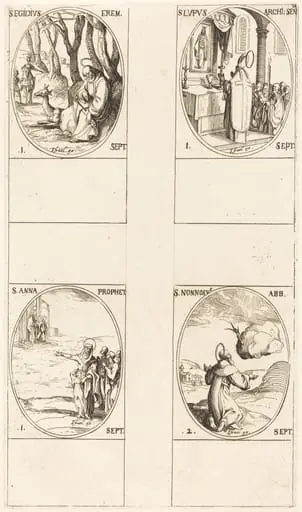 St. Giles; St. Lupus; St. Anne; St. Nonnosus
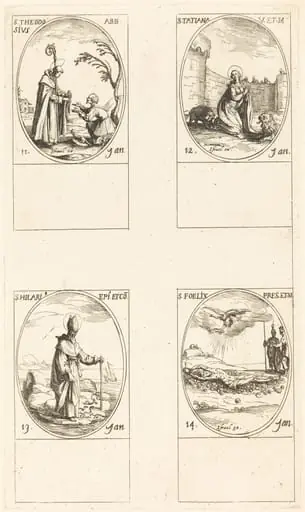 St. Theodosius; St. Tatiana; St. Hilary; St. Felix
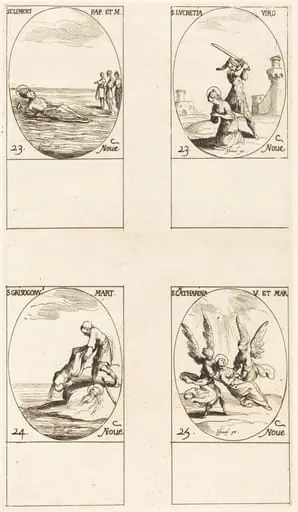 St. Clement; St. Lucretia; St. Chrysogonus; St. Catharine
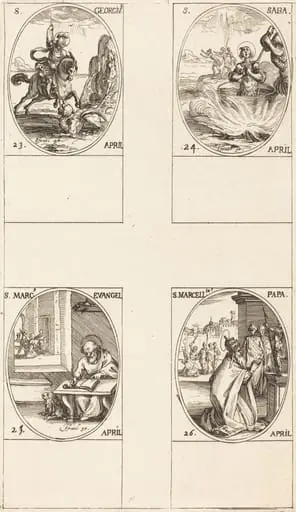 St. George; St. Sabas; St. Mark, Evangelist; St. Marcellin
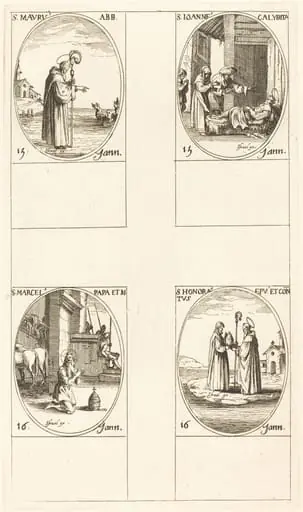 St. Maurus; St. John Calybite; St. Marcellus; St. Honoratus
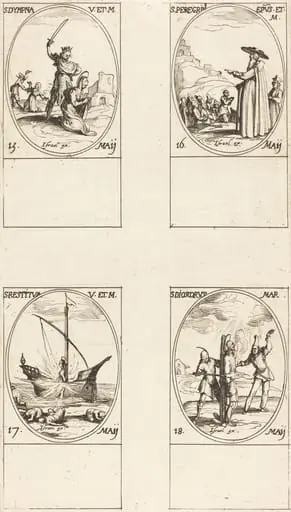 St. Dympna; St. Peregrinus; St. Restituta; St. Dioscorus