Artwork
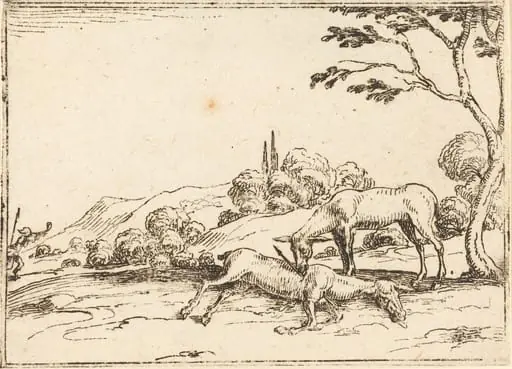
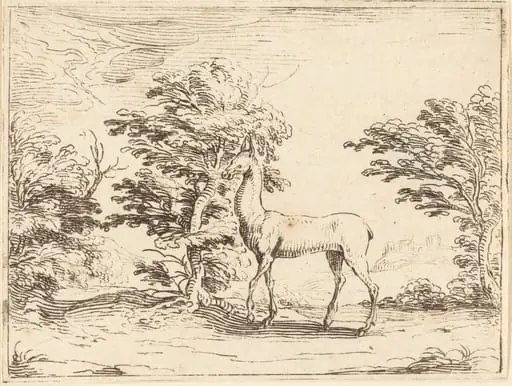
Stag in the Water
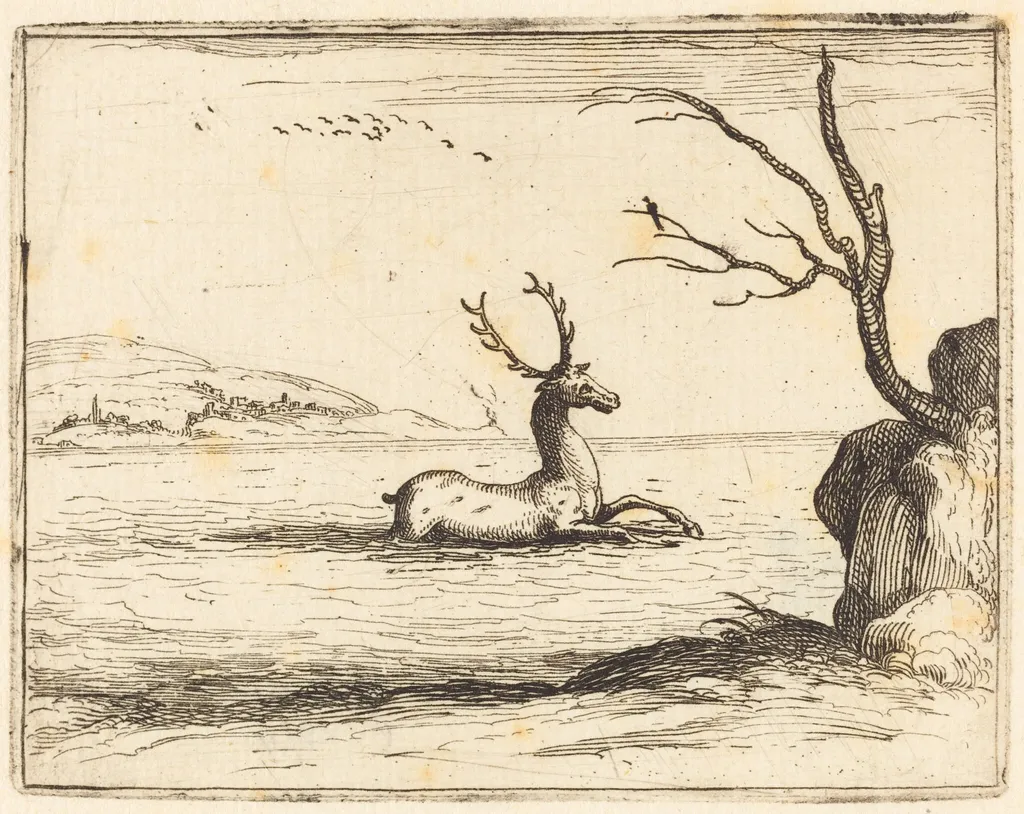
Stag in the Water is an ink print by the Baroque artist Jacques Callot. It dates from 1628 and is held in the collection of the National Gallery of Art.
About this work
Overview
Created in 1628, *Stag in the Water* is an etching on laid paper by Jacques Callot, a French printmaker active in the early Baroque era. The work measures modestly, yet it conveys a clear scene of a deer at a riverbank, rendered in monochrome with precise line work.
Subject & Meaning
The image depicts a solitary stag bending to drink from a tranquil river, framed by a barren tree and a distant settlement perched on a hill. The composition balances the animal’s natural behavior with a quiet, rural landscape, suggesting a moment of stillness within the broader countryside.
Technique & Style
Callot employed the traditional etching process, incising lines into a copper plate with acid to hold ink. The resulting print shows crisp, sharply defined outlines, delicate water ripples, and subtle gradations of shadow that give the scene depth despite its small scale.
History & Provenance
Part of Callot’s prolific output—over 1,400 prints documenting everyday life and varied subjects—this piece exemplifies his interest in combining genre detail with landscape. It was produced in the Duchy of Lorraine, where Callot worked before his later years in Paris, and has since entered collections of European print holdings.
Context
During the early 17th century, French printmakers like Callot expanded the possibilities of etching, moving beyond religious and mythological themes to portray quotidian scenes. *Stag in the Water* reflects this shift, integrating natural observation with the baroque taste for atmospheric effect.
Artist & collection
Artist
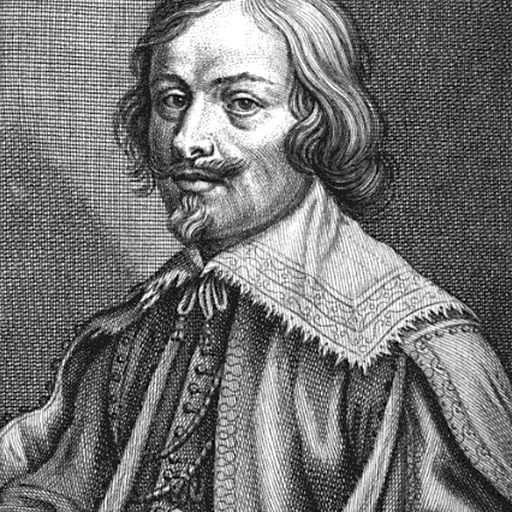
Jacques Callot was a baroque printmaker and draftsman from the Duchy of Lorraine.

 Holy Family at supper
 Restoration of the Aqueduct at Pisa
 Restoration of the Aqueduct at Pisa
 Square in Paris with Many Figures
 Square in Paris with Many Figures
 Horsemen Attacked by Robbers
 HOW WILL A COVERED PART BE CORRECTED?HOW WIKA A COVERED HEART DEED CORRECTED?
![Christ Walking on the Water [second plate], by Jacques Callot](https://artifactworldgallery.com/img/jacques-callot--christ-walking-on-the-water-second-plate--2069f3bfe4cb2126-w320.webp) Christ Walking on the Water [second plate]
Christ Walking on the Water [second plate]