Artwork
Studies of Horses [verso]
![Studies of Horses [verso], by Jacques Callot, ink, 1612](https://artifactworldgallery.com/img/jacques-callot--studies-of-horses-verso--968bbf047ebcef7b-w1024.webp)
Studies of Horses [verso] is an ink drawing by the Baroque artist Jacques Callot. It dates from 1612 and is held in the collection of the National Gallery of Art.
About this work
Overview
Studies of Horses [verso] is a drawing created by Jacques Callot around 1612, executed in pen and brown ink on laid paper. Characterized by loose, energetic lines, the work features multiple quick sketches of horses in various poses.
Subject & Meaning
The subject of the drawing is an array of horses depicted in different actions—rearing, galloping, and standing still—accompanied by a row of horses being led by figures at the bottom. These sketches likely served as observational studies, possibly preparatory for a larger work.
Technique & Style
Callot's draftsmanship skills are evident in the spontaneous, unrefined penstrokes, indicative of rapid execution. The absence of line smoothing and the emphasis on capturing movement reflect his observational approach.
History & Provenance
Dating to the early phase of Callot's career (c. 1612), this drawing precedes his later focus on printmaking, for which he would become renowned with over 1,400 etchings documenting various aspects of contemporary life.
Context
Created during Callot's time in the Duchy of Lorraine, this work aligns with the Baroque period's emphasis on dynamic movement and detailed observation. The worn state of the paper, with faint marks and stains, suggests extensive use, possibly in an artistic or preparatory context.
Legacy
While not a finished work, *Studies of Horses [verso]* showcases Callot's foundational draftsmanship, influencing his subsequent etchings. It also exemplifies Baroque drawing practices, where quick sketches were integral to the creative process.
Artist & collection
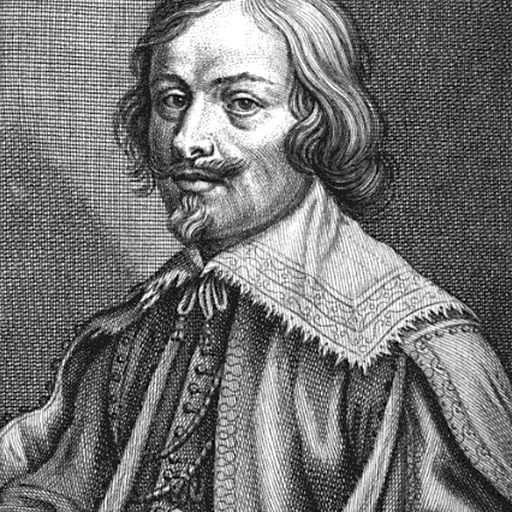
Artist
Jacques Callot was a baroque printmaker and draftsman from the Duchy of Lorraine.

 Holy Family at supper
 Restoration of the Aqueduct at Pisa
 Restoration of the Aqueduct at Pisa
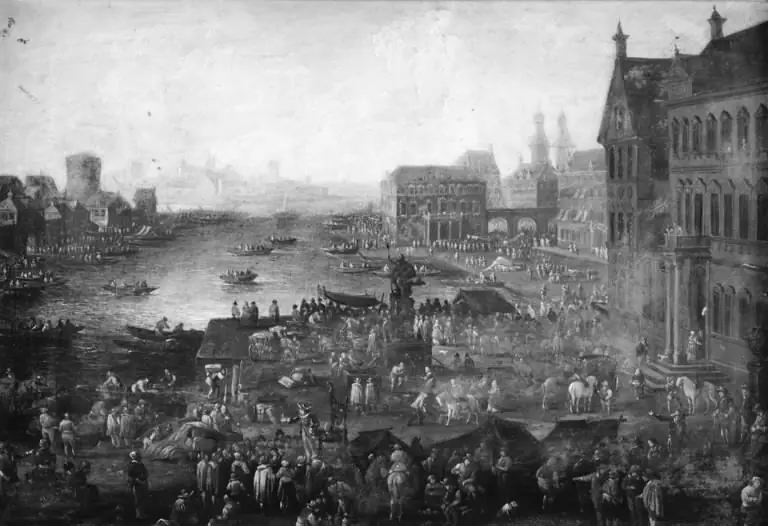 Square in Paris with Many Figures
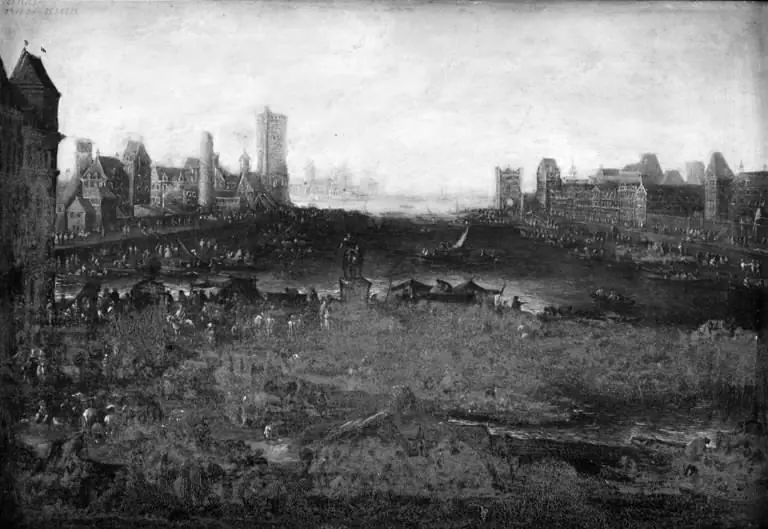 Square in Paris with Many Figures
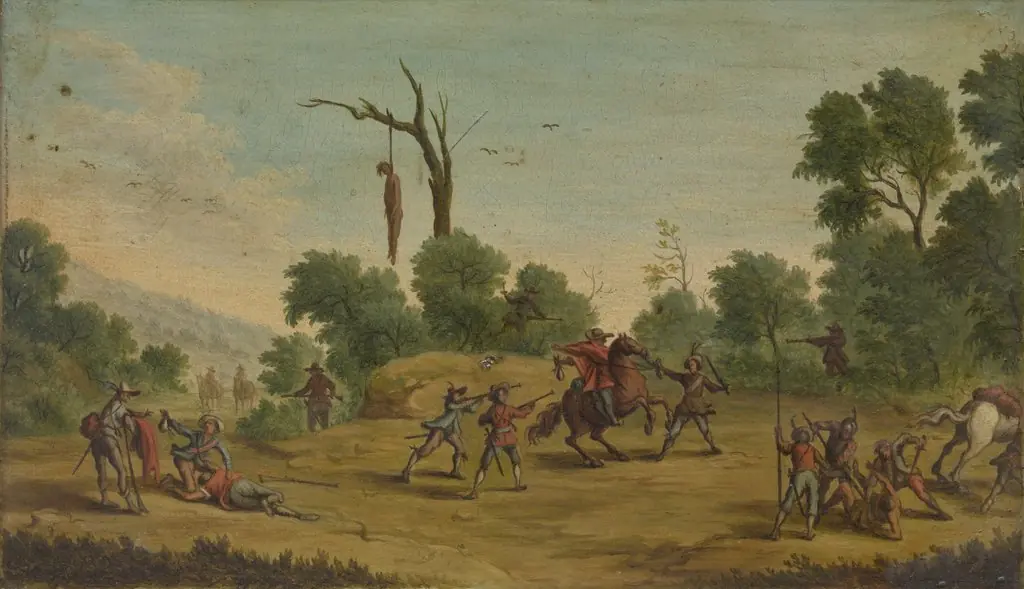 Horsemen Attacked by Robbers
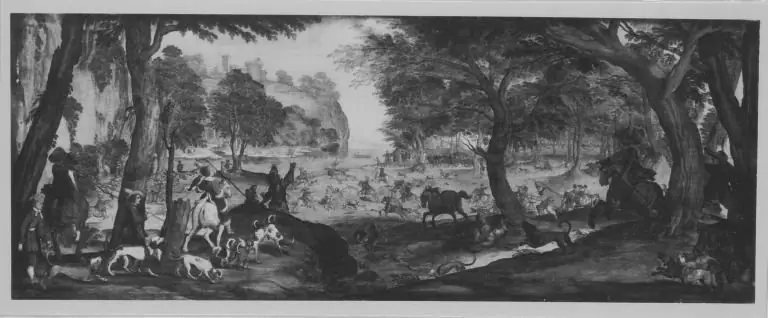 HOW WILL A COVERED PART BE CORRECTED?HOW WIKA A COVERED HEART DEED CORRECTED?
![Christ Walking on the Water [second plate], by Jacques Callot](https://artifactworldgallery.com/img/jacques-callot--christ-walking-on-the-water-second-plate--2069f3bfe4cb2126-w320.webp) Christ Walking on the Water [second plate]
Christ Walking on the Water [second plate]
![Studies of Horses [recto], by Jacques Callot](https://artifactworldgallery.com/img/jacques-callot--studies-of-horses-recto--e2af3b1e857eae0e-w320.webp)
![Figures on Horseback [verso], by Unknown](https://artifactworldgallery.com/img/unknown--figures-on-horseback-verso--014ce85ac0e4d9d4-w320.webp)
![Studies of a Cow [verso], by Paul Gauguin](https://artifactworldgallery.com/img/paul-gauguin--studies-of-a-cow-verso--80694066ae3cfdb3-w320.webp)