Artwork
The Annunciation
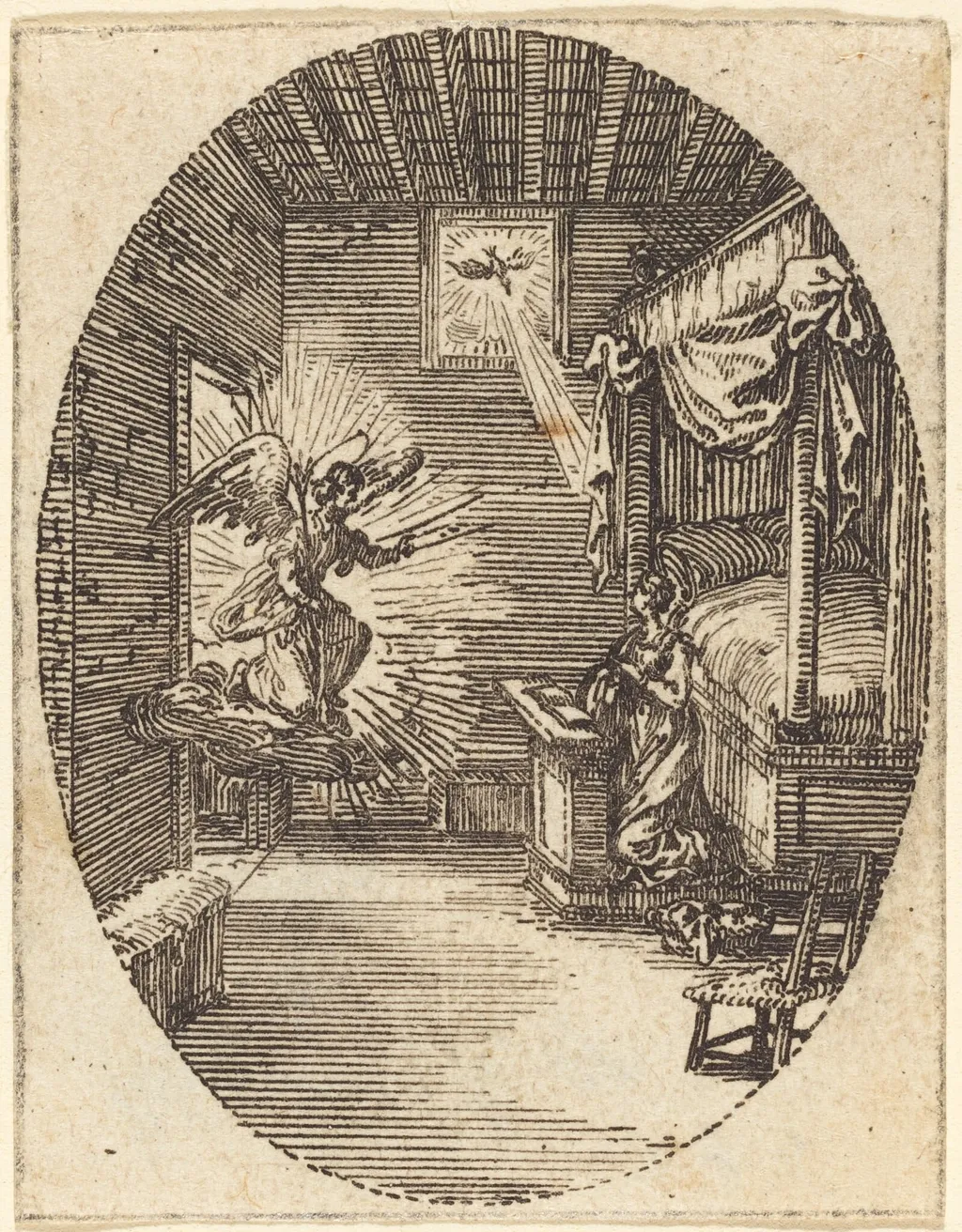
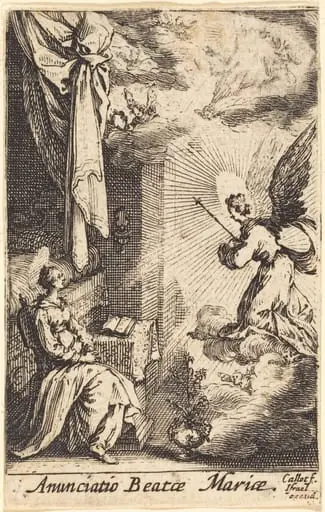
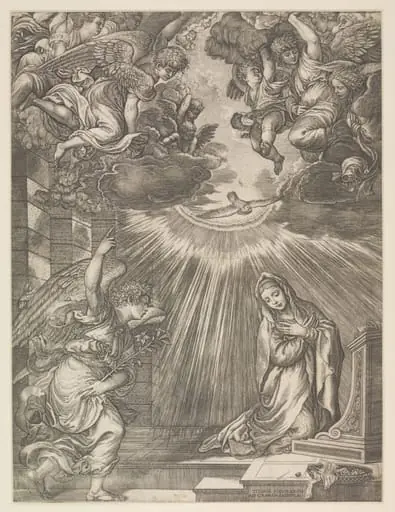
The Annunciation is an ink print by the Renaissance artist Jacques Callot. It dates from 1631 and is held in the collection of the National Gallery of Art.
About this work
Overview
The Annunciation is an etching on laid paper created by Jacques Callot around 1631. It represents a pivotal moment in Christian art, showcasing Callot's contribution to religious themes within his prolific output of over 1,400 etchings.
Subject & Meaning
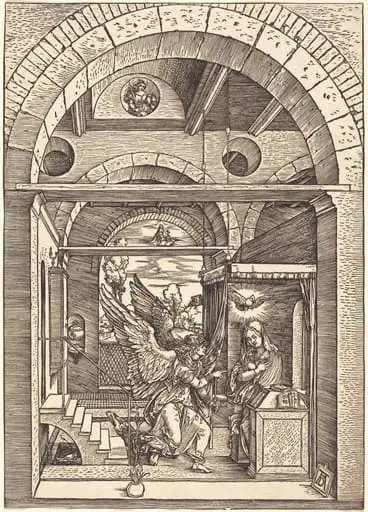
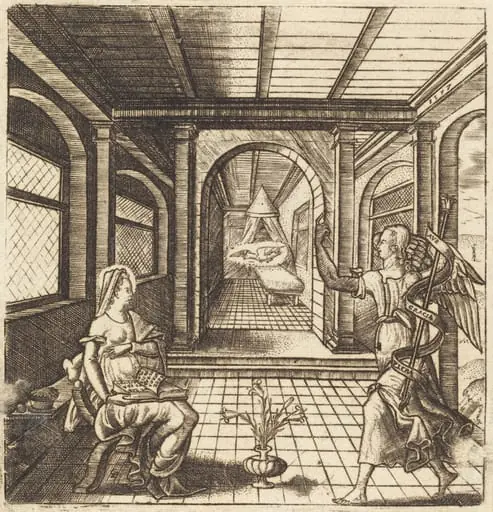
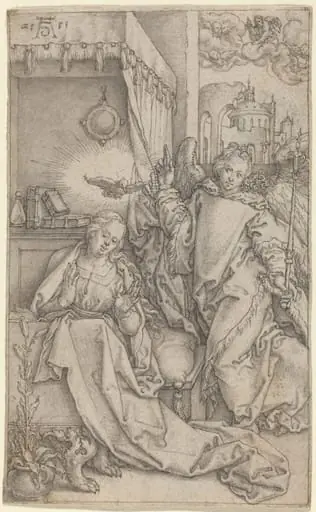
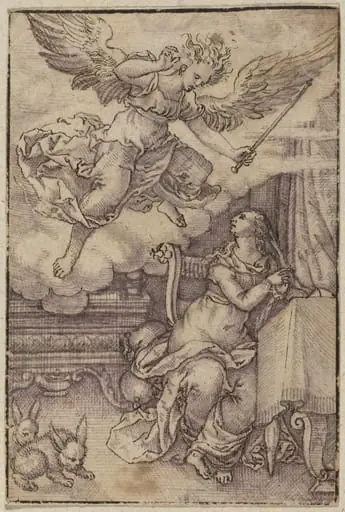
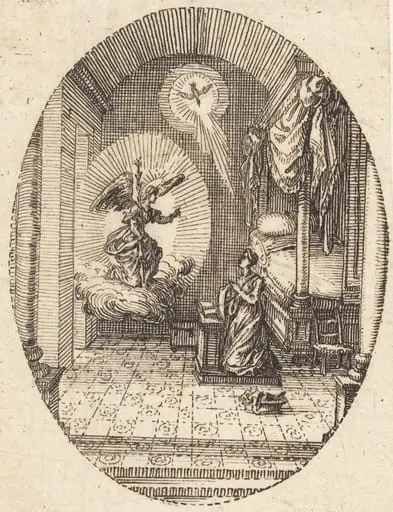
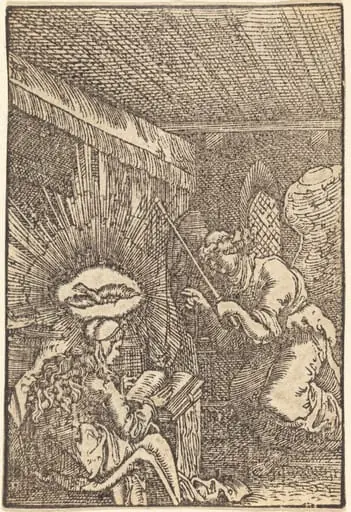
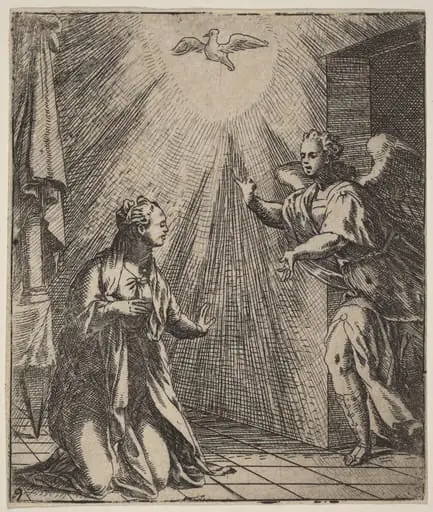
The etching depicts the biblical scene of the angel Gabriel announcing to the Virgin Mary that she will bear the Son of God. Symbolic elements include the angel's lily, representing purity, and Mary's clasped hands in prayer, conveying devotion.
Technique & Style
Callot utilized etching on laid paper to achieve a textured, depthful quality. The composition balances detailed figures with a simple, domestic backdrop, emphasizing intimacy.
History & Provenance
Created circa 1631 by Jacques Callot, a French Baroque printmaker from Lorraine, this work is part of his religious genre output. Specific provenance details are not provided.
Context
This piece reflects Callot's practice of documenting contemporary life and religious subjects, often with detailed settings. The Annunciation fits within his broader exploration of biblical themes.
Legacy
As part of Callot's extensive etchings, The Annunciation contributes to the artist's lasting impact on Baroque printmaking, though its individual legacy within his corpus is not distinctly highlighted.
Artist & collection
Artist
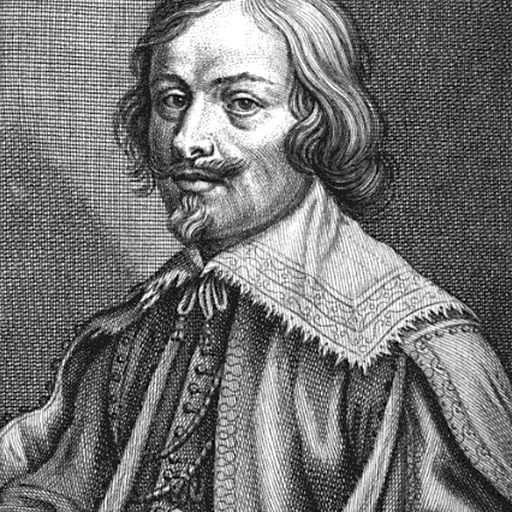
Jacques Callot was a baroque printmaker and draftsman from the Duchy of Lorraine.

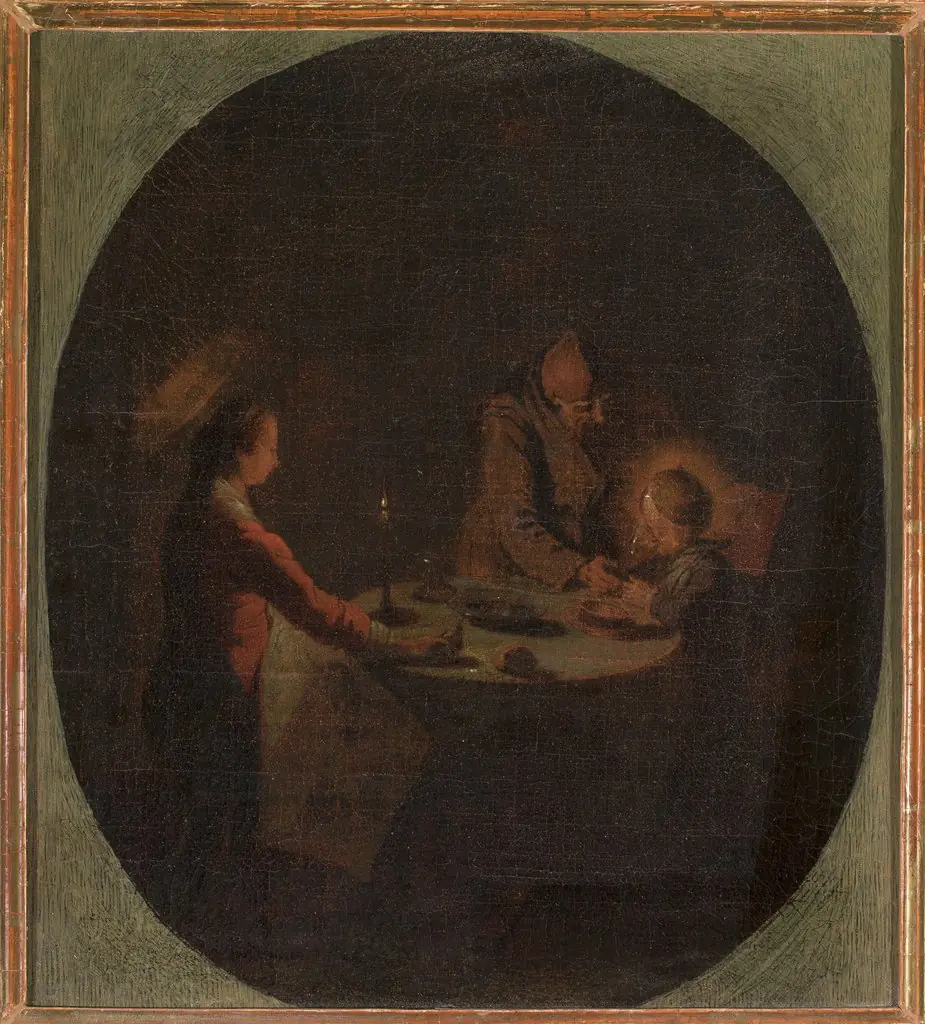 Holy Family at supper
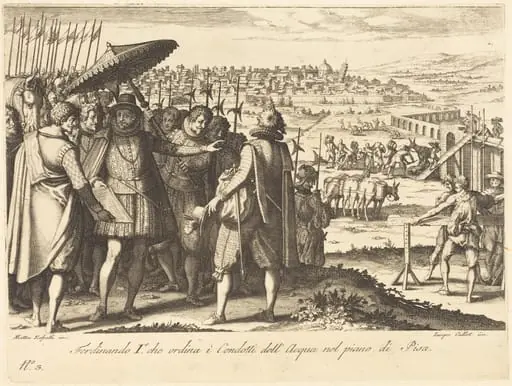 Restoration of the Aqueduct at Pisa
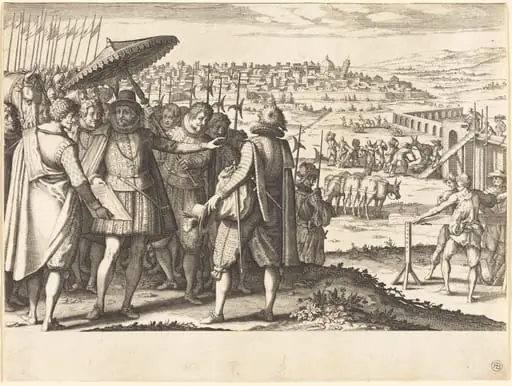 Restoration of the Aqueduct at Pisa
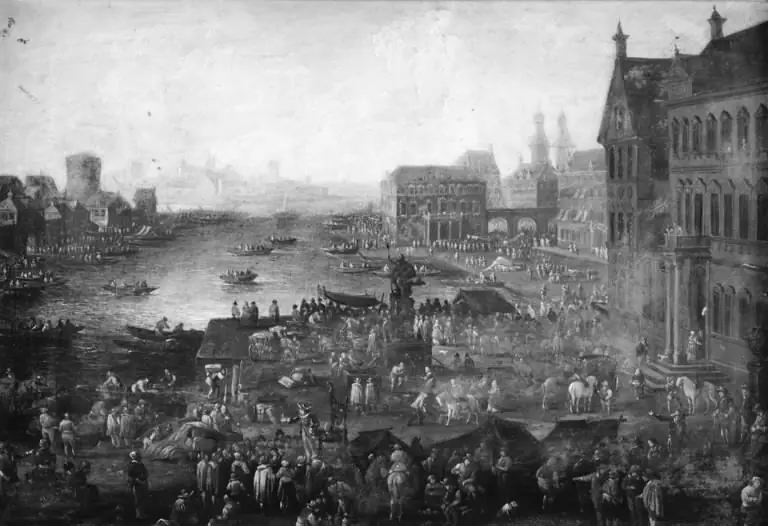 Square in Paris with Many Figures
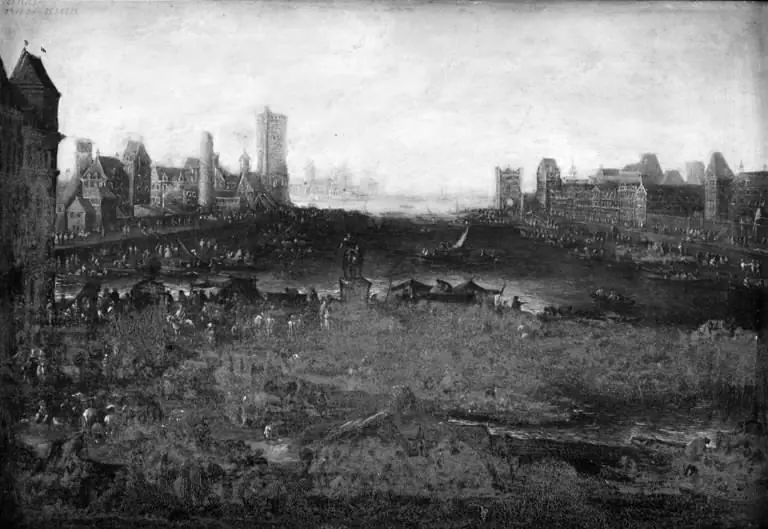 Square in Paris with Many Figures
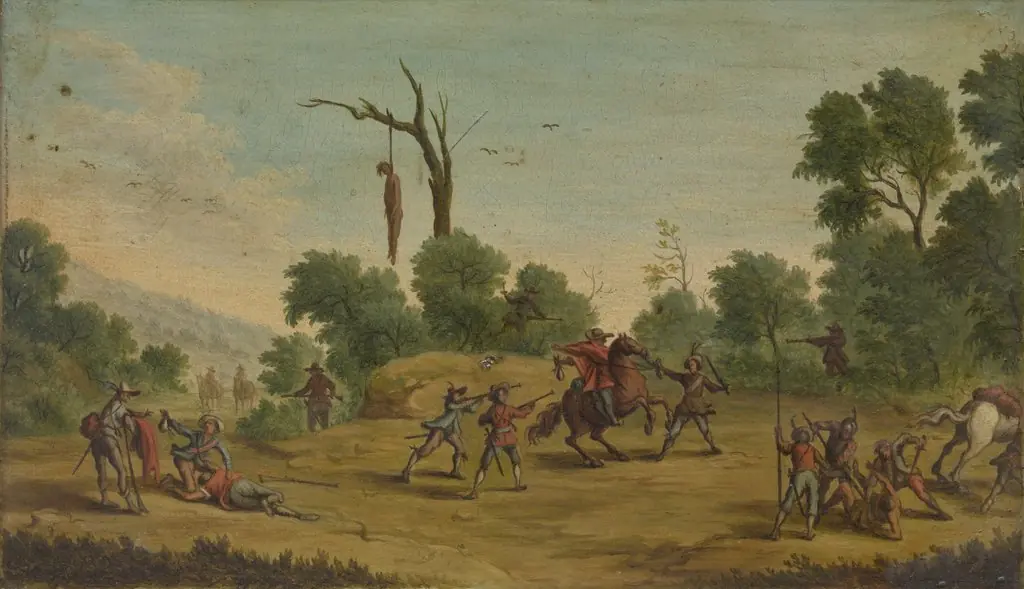 Horsemen Attacked by Robbers
 HOW WILL A COVERED PART BE CORRECTED?HOW WIKA A COVERED HEART DEED CORRECTED?
![Christ Walking on the Water [second plate], by Jacques Callot](https://artifactworldgallery.com/img/jacques-callot--christ-walking-on-the-water-second-plate--2069f3bfe4cb2126-w320.webp) Christ Walking on the Water [second plate]
Christ Walking on the Water [second plate]