Artwork
The Crowning with Thorns
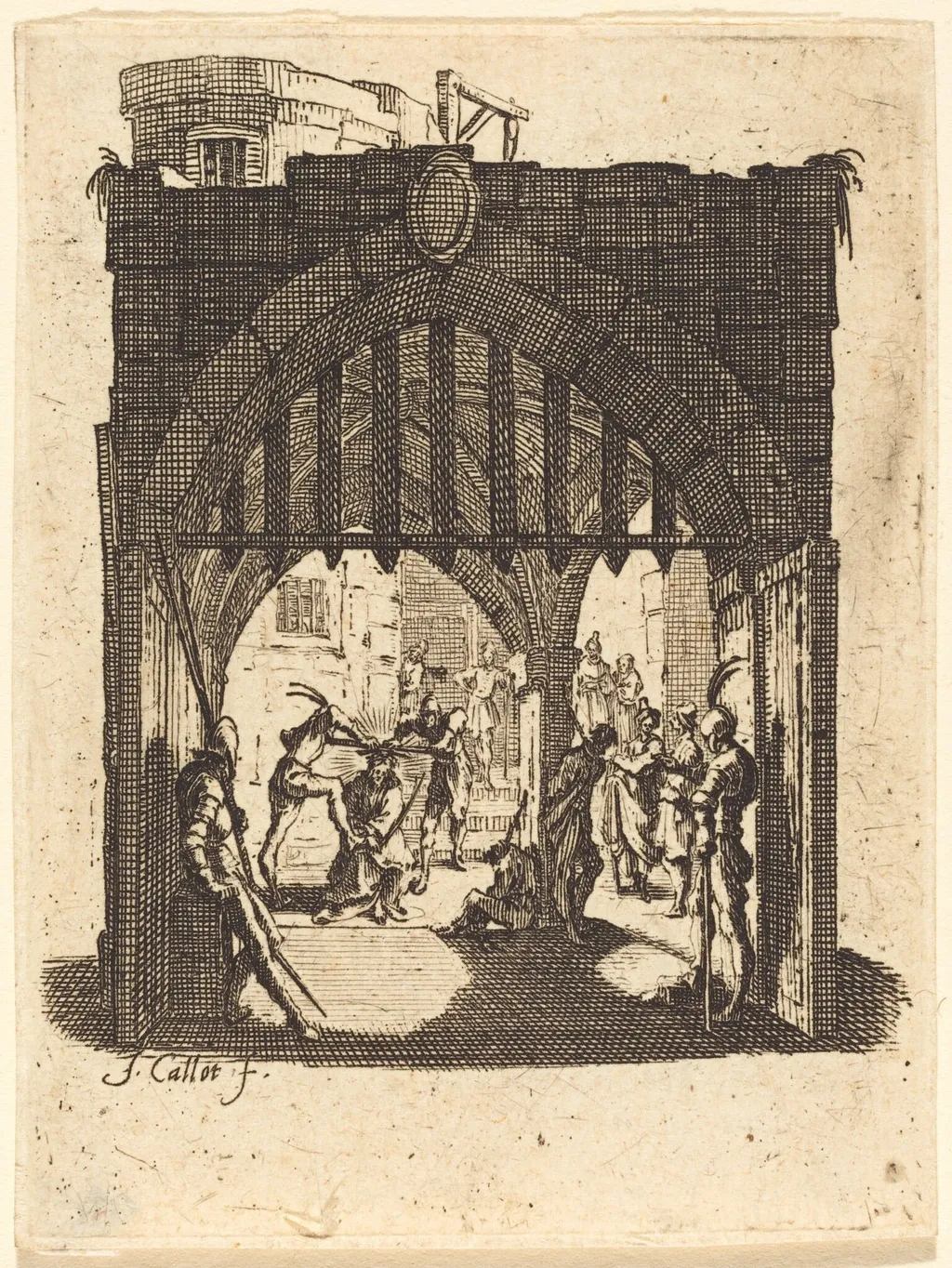
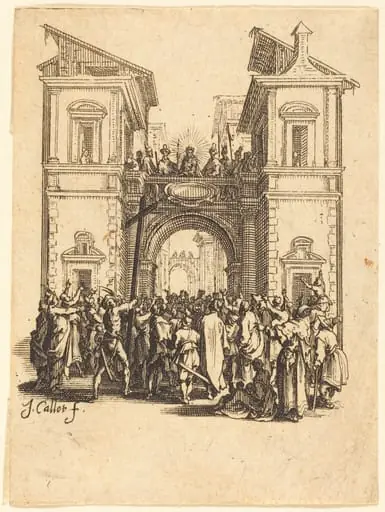
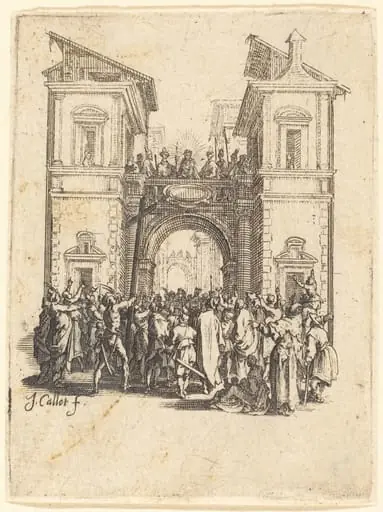
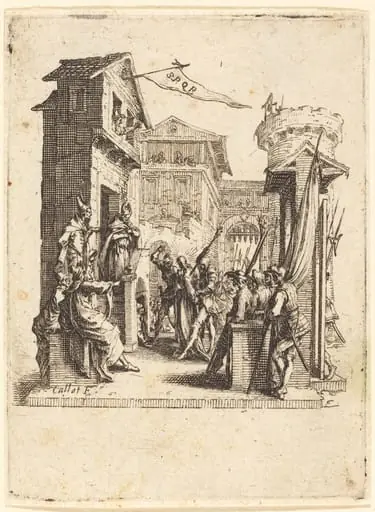
The Crowning with Thorns is an ink print by the Baroque artist Jacques Callot. It dates from 1624 and is held in the collection of the National Gallery of Art.
About this work
Overview
The image exemplifies Callot’s prolific output, which exceeds a thousand prints, and situates him within the Baroque era’s religious visual culture.
Jacques Callot, a French printmaker active in the early seventeenth century, produced an etching titled *The Crowning with Thorns* around 1624. Executed on laid paper, the work depicts the biblical episode in which Christ is mocked with a crown of thorns. The image exemplifies Callot’s prolific output, which exceeds a thousand prints, and situates him within the Baroque era’s religious visual culture.
Subject & Meaning
The composition captures the moment of Christ’s humiliation, emphasizing the solemnity of the scene rather than dramatic action. Figures surrounding the central figure are rendered with restrained gestures, focusing attention on the physical and spiritual suffering implied by the thorns. The work reflects contemporary Counter‑Reformation concerns, using a familiar Passion narrative to inspire contemplation and piety.
Technique & Style
Callot employed the etching process, incising lines into a copper plate with a needle before acid bath, then printing onto laid paper. His handling of fine lines creates intricate textures, from the roughness of the crown to the folds of clothing, demonstrating a high level of control for the period. The tonal range achieved through varied line density contributes to a nuanced, atmospheric effect.
History & Provenance
Created in the Duchy of Lorraine, the print circulated among collectors and religious institutions during Callot’s lifetime, as was typical for his works. Though specific ownership records for this particular impression are scarce, it is representative of the series of Passion prints that were widely disseminated in early modern Europe, influencing later graphic artists.
Context
Callot’s career coincided with a flourishing of printmaking in the Baroque period, when artists used the medium to document both secular and sacred subjects. His ability to combine detailed landscape elements with narrative scenes placed him alongside contemporaries such as Rembrandt and Rubens, who also explored religious themes through print.
Legacy
The etching remains a reference point for studies of early modern religious printmaking, illustrating how technical innovation could serve devotional purposes. Scholars cite Callot’s precise line work as a precursor to later developments in chiaroscuro engraving, and the image continues to be reproduced in academic publications on Baroque art.
Artist & collection
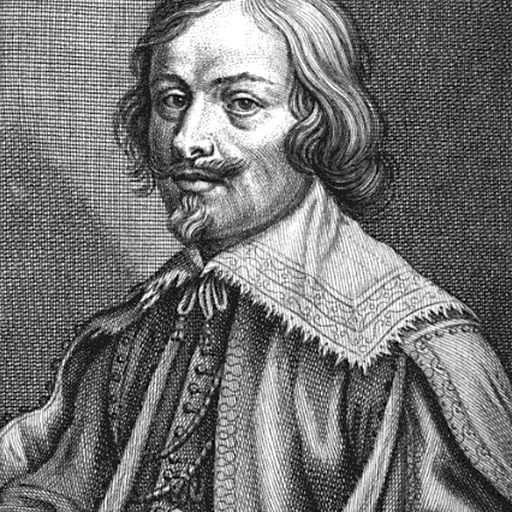
Artist
Jacques Callot was a baroque printmaker and draftsman from the Duchy of Lorraine.

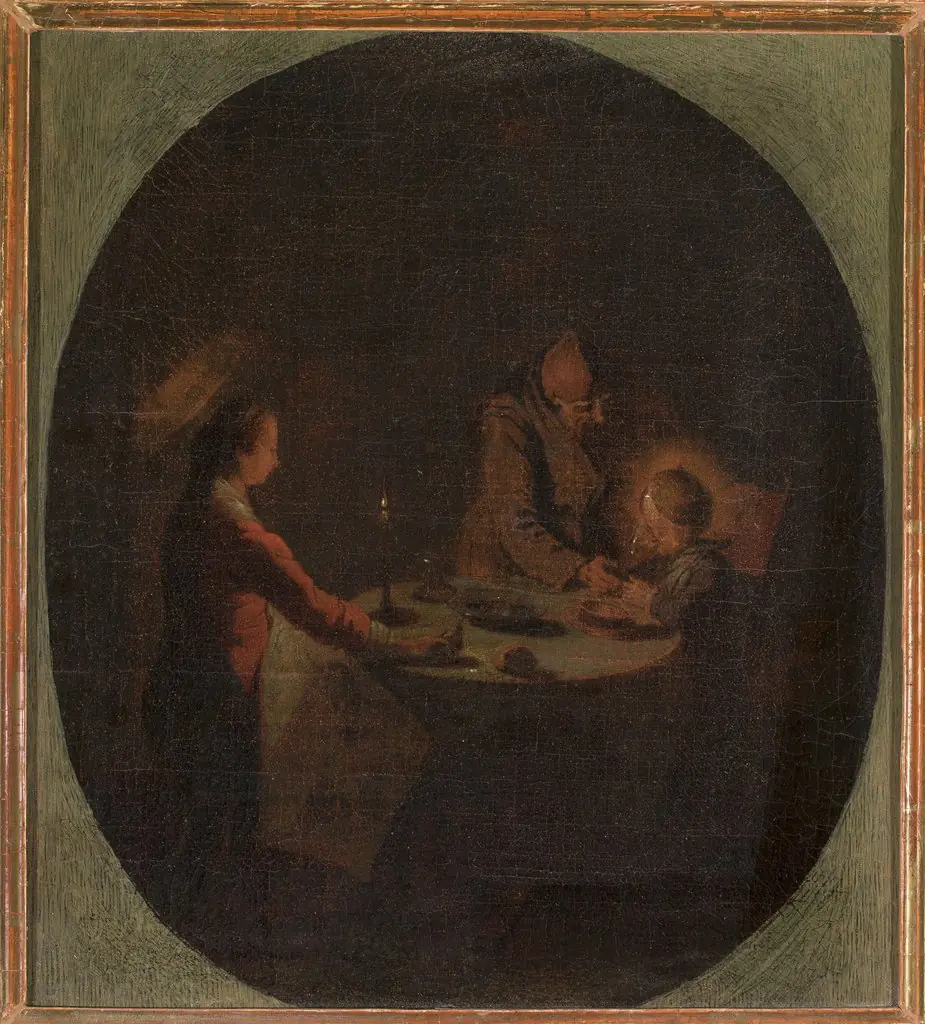 Holy Family at supper
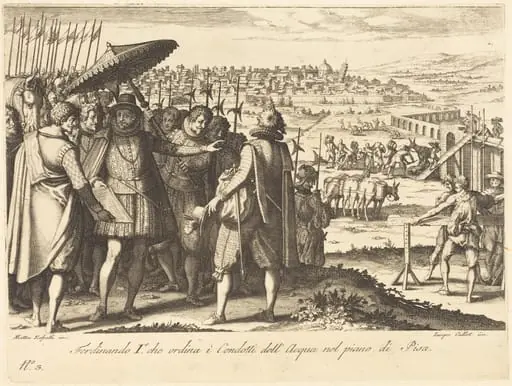 Restoration of the Aqueduct at Pisa
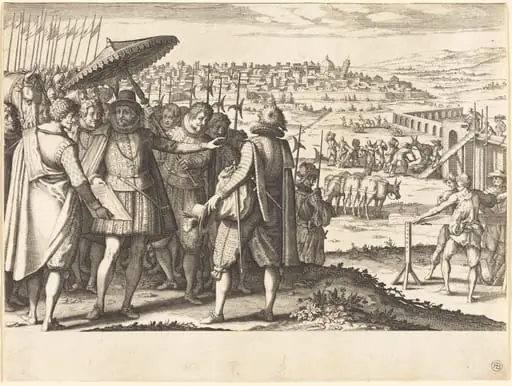 Restoration of the Aqueduct at Pisa
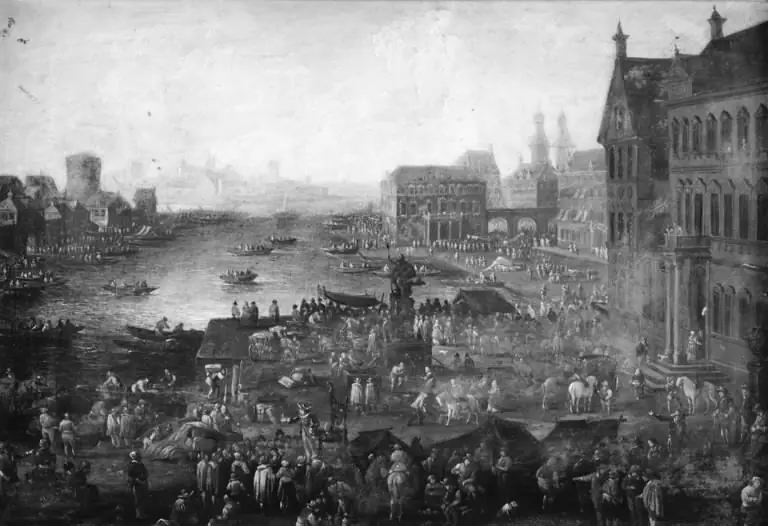 Square in Paris with Many Figures
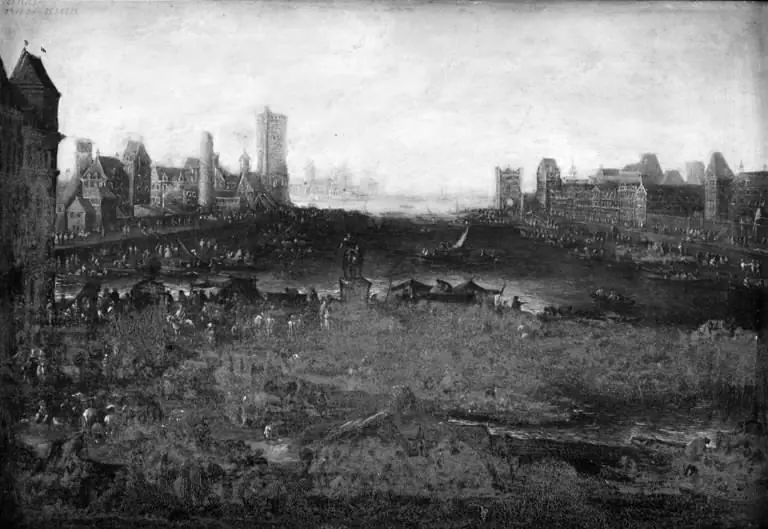 Square in Paris with Many Figures
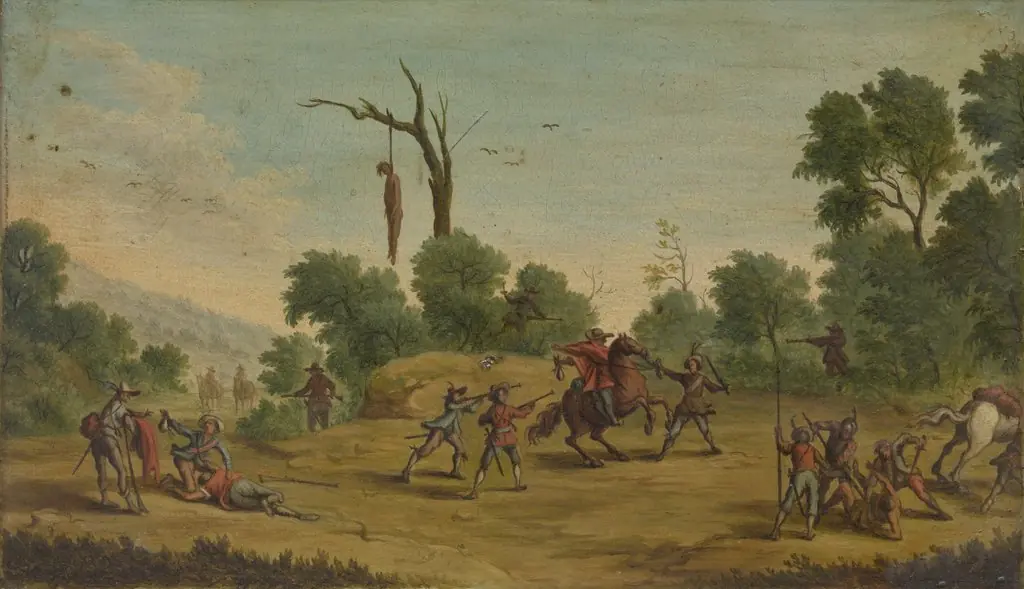 Horsemen Attacked by Robbers
 HOW WILL A COVERED PART BE CORRECTED?HOW WIKA A COVERED HEART DEED CORRECTED?
![Christ Walking on the Water [second plate], by Jacques Callot](https://artifactworldgallery.com/img/jacques-callot--christ-walking-on-the-water-second-plate--2069f3bfe4cb2126-w320.webp) Christ Walking on the Water [second plate]
Christ Walking on the Water [second plate]