Artwork
Ecce Homo
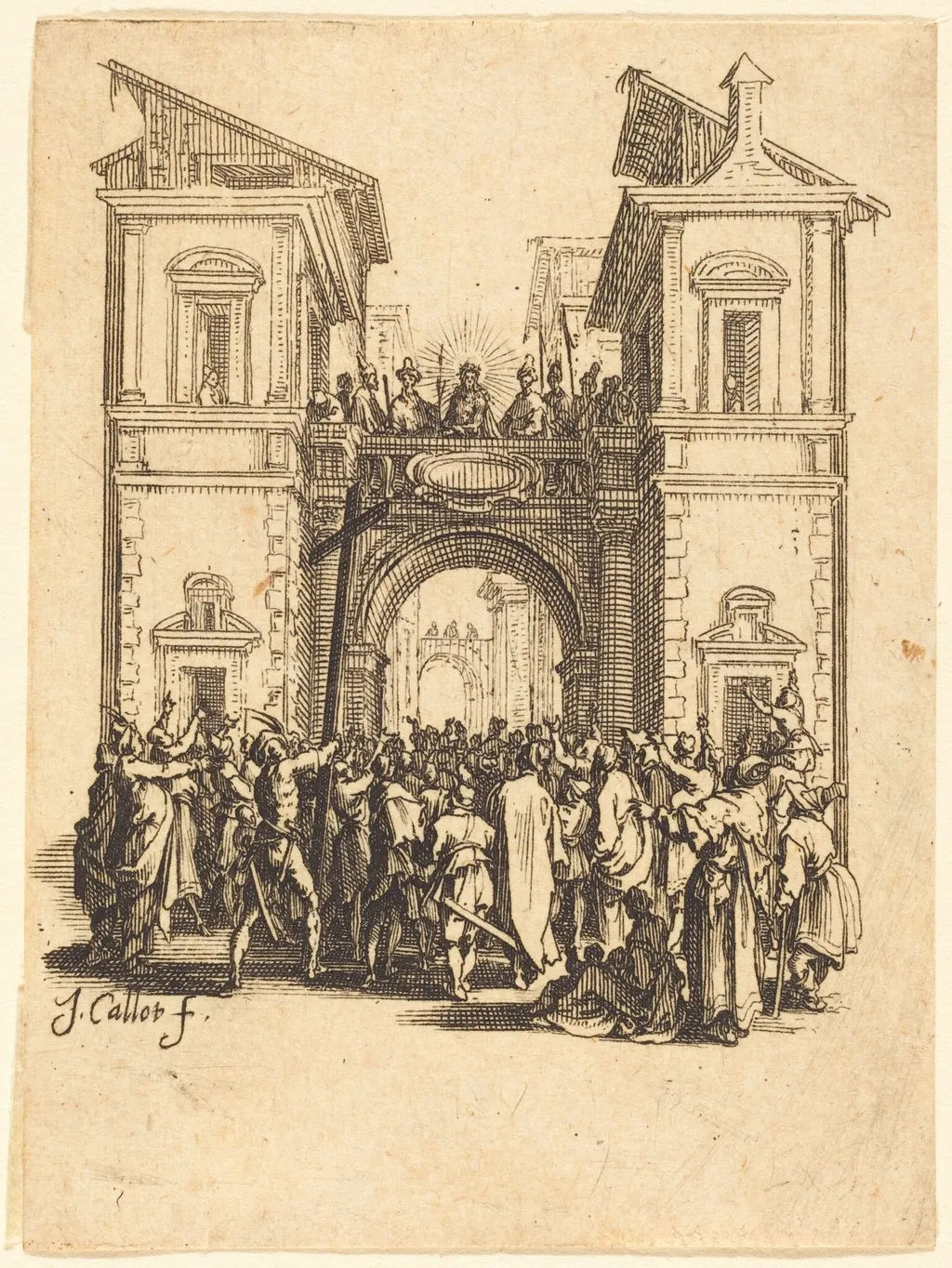
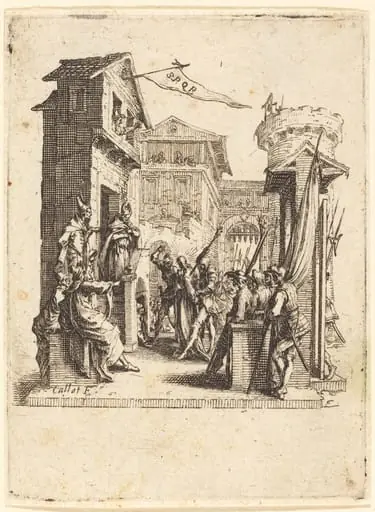
Ecce Homo is an ink print by the Baroque artist Jacques Callot. It dates from 1624 and is held in the collection of the National Gallery of Art.
About this work
Overview
Jacques Callot produced this etching around 1624, using a metal plate scratched with a burin to create fine, controlled lines.
Jacques Callot produced this etching around 1624, using a metal plate scratched with a burin to create fine, controlled lines. The work is part of a vast printmaking output that numbered over 1,400 pieces, reflecting his dedication to the medium. Executed on laid paper, it exemplifies the precision and detail for which Callot became known, blending religious narrative with meticulous observation of the physical world.
Subject & Meaning
The scene depicts Christ presented to the crowd by Pontius Pilate, a moment from the Passion narrative. Callot renders the figures with restrained emotion, focusing on the tension between the solitary condemned figure and the dense, varied assembly before him. The composition invites contemplation of judgment, power, and human response, without overt dramatization, aligning with the sober tone of Counter-Reformation devotional imagery.
Technique & Style
Callot employed etching with exceptional control, using fine, layered lines to model form and texture across figures, drapery, and landscape. His use of multiple plate washes and delicate cross-hatching creates depth and atmospheric perspective. The background, rich with architectural and natural elements, demonstrates his interest in spatial complexity, a hallmark of his mature style and a technical advancement in printmaking of the period.
History & Provenance
Created during Callot’s time in Florence, the etching likely circulated among collectors and religious institutions in Italy and northern Europe. While specific early ownership records are sparse, its survival in multiple institutional collections suggests steady appreciation among connoisseurs. The work’s small scale and reproducibility made it accessible, contributing to its dissemination across artistic and ecclesiastical networks.
Context
In the early 17th century, religious imagery remained central to print culture, especially in Catholic regions. Callot’s etchings responded to both devotional needs and the growing market for graphic art. His depictions of biblical scenes often incorporated contemporary details—costumes, architecture, and social types—blending sacred narrative with the visual reality of his era, bridging piety and observation.
Legacy
Callot’s technical innovations in etching influenced generations of printmakers, particularly in their handling of fine detail and complex compositions. *Ecce Homo* exemplifies his role in elevating etching from a reproductive tool to a medium capable of nuanced storytelling. His approach to integrating landscape and crowd scenes became a reference point for later artists working in narrative printmaking.
Artist & collection
Artist
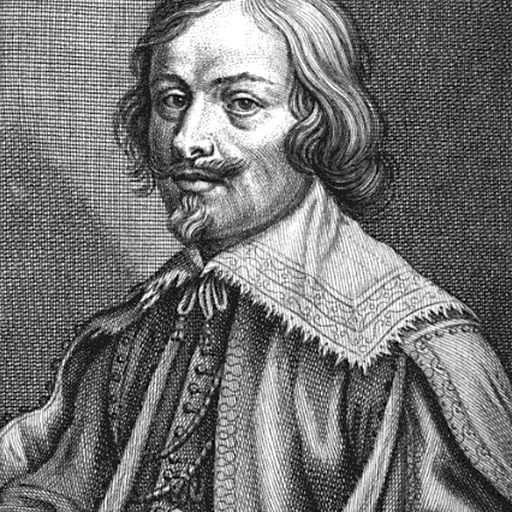
Jacques Callot was a baroque printmaker and draftsman from the Duchy of Lorraine.

 Holy Family at supper
 Restoration of the Aqueduct at Pisa
 Restoration of the Aqueduct at Pisa
 Square in Paris with Many Figures
 Square in Paris with Many Figures
 Horsemen Attacked by Robbers
 HOW WILL A COVERED PART BE CORRECTED?HOW WIKA A COVERED HEART DEED CORRECTED?
![Christ Walking on the Water [second plate], by Jacques Callot](https://artifactworldgallery.com/img/jacques-callot--christ-walking-on-the-water-second-plate--2069f3bfe4cb2126-w320.webp) Christ Walking on the Water [second plate]
Christ Walking on the Water [second plate]
 Ecce Homo
 The Martyrdom of Saint Bartholomew
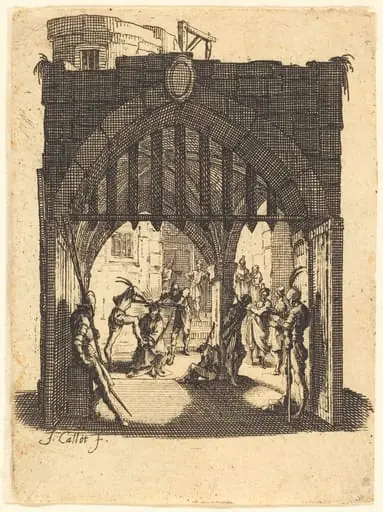 The Crowning with Thorns
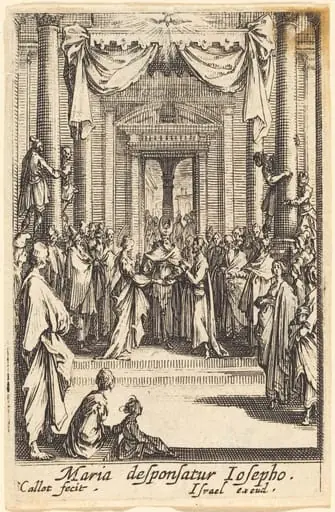 The Marriage of the Virgin
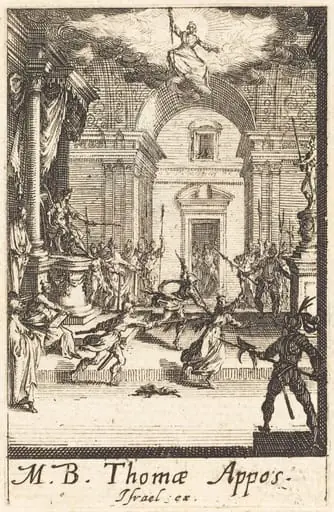 The Martyrdom of Saint Thomas
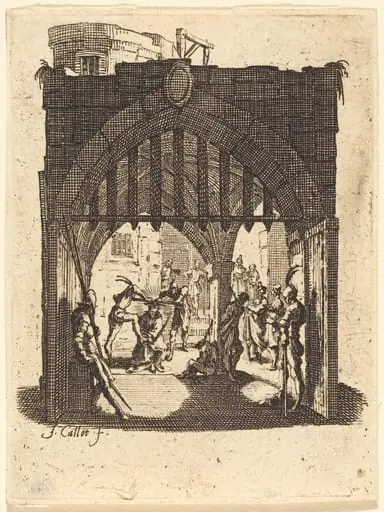 The Crowning with Thorns
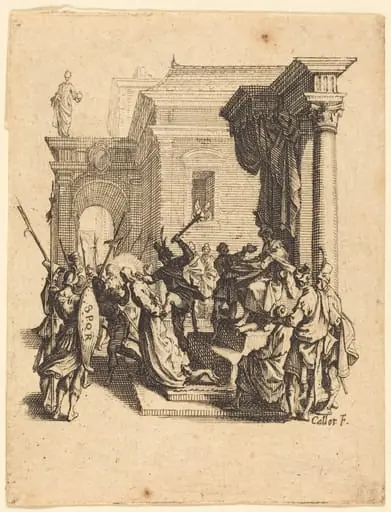 Christ Condemned to Death by Pilate
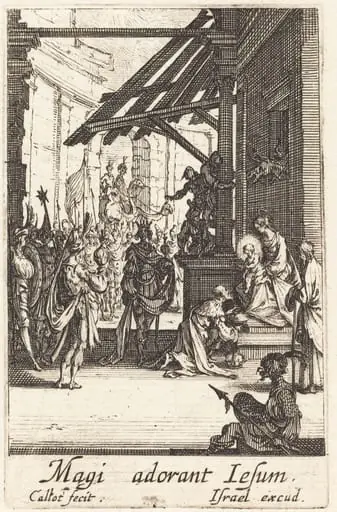 The Adoration of the Magi
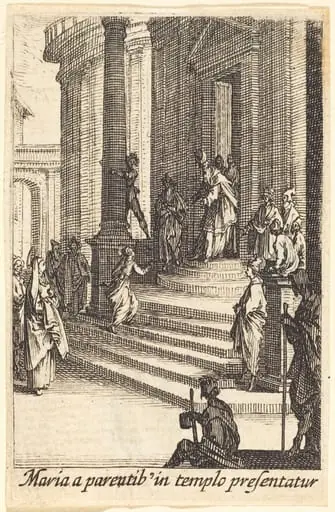 The Presentation of the Virgin
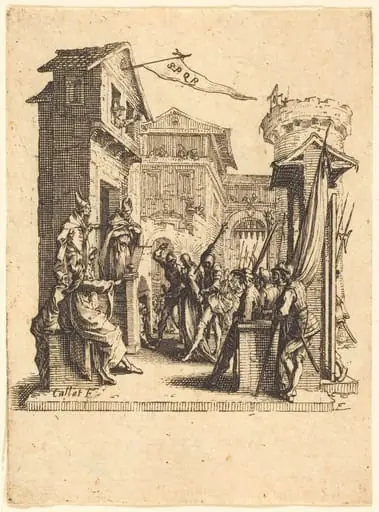 Christ before Caiaphas
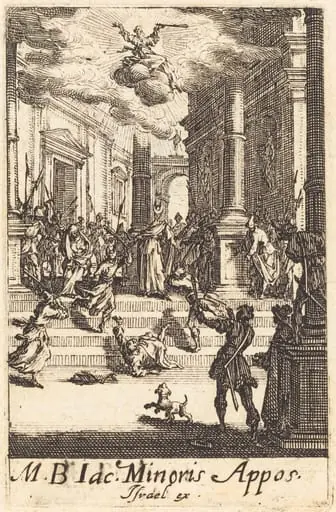 The Martyrdom of Saint James Minor
 Christ before Caiaphas