Artwork
The Cult of Men
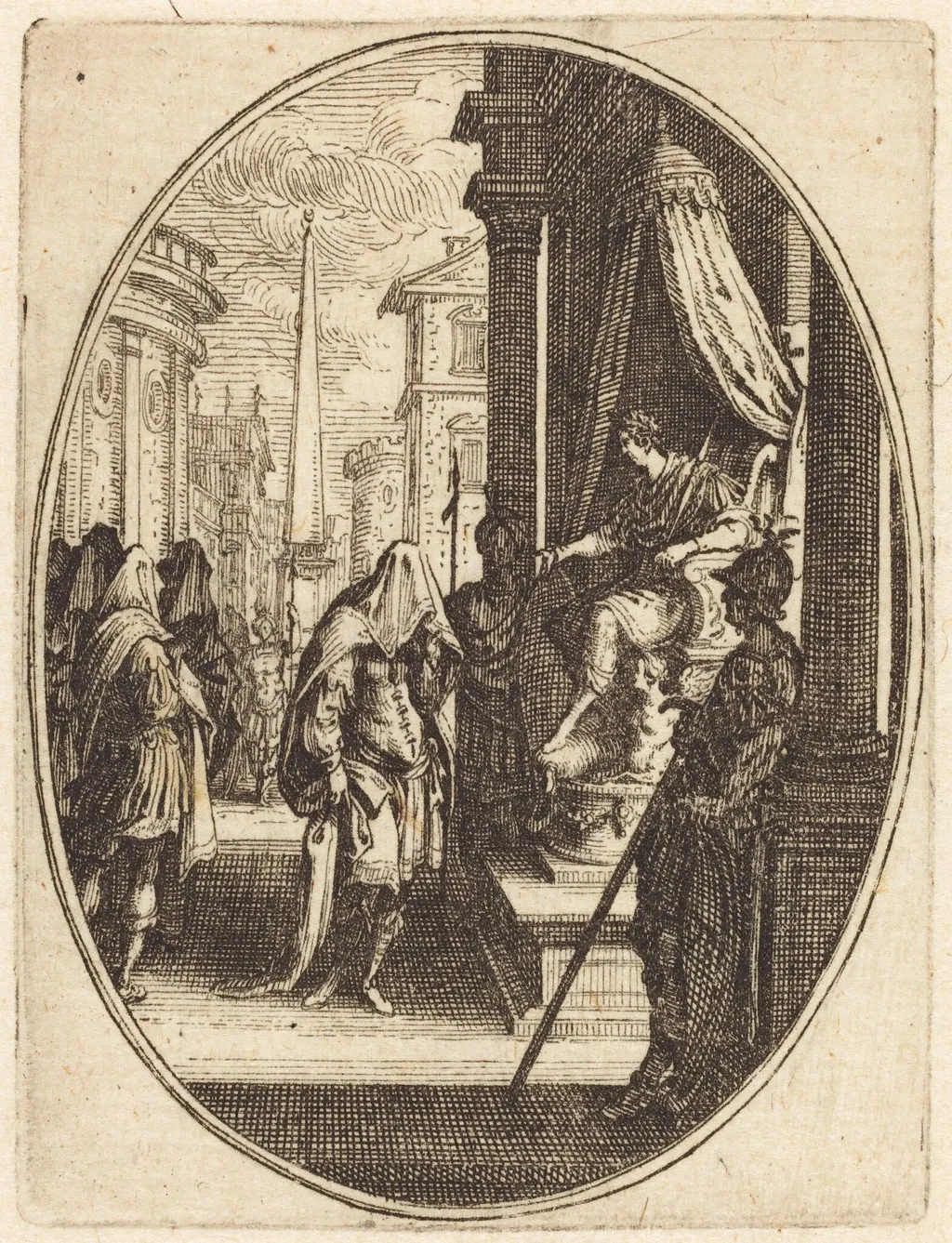
The Cult of Men is an ink print by the Baroque artist Jacques Callot. It dates from 1627 and is held in the collection of the National Gallery of Art.
About this work
Overview
Callot, active in the Duchy of Lorraine, produced over a thousand prints documenting the social and political textures of early 17th-century Europe.
Created around 1627 by Jacques Callot, *The Cult of Men* is an etching on laid paper that exemplifies the artist’s mastery of fine-line engraving. Callot, active in the Duchy of Lorraine, produced over a thousand prints documenting the social and political textures of early 17th-century Europe. This work belongs to a series of allegorical scenes that blend observation with symbolic intent, capturing moments charged with unspoken tension and ritualistic gravity.
Subject & Meaning
The scene portrays a gathering of figures in a dim, columned space, some clad in ceremonial robes, others in armor, suggesting a convergence of religious and martial authority. A central figure kneels before a draped altar, while others observe or gesture with restrained intensity. The title, *The Cult of Men*, implies a critique or meditation on human devotion—perhaps to power, tradition, or violence—rather than divine worship, framing the act as a secular rite governed by earthly hierarchies.
Technique & Style
Callot employed fine, controlled etching lines to render intricate textures—fabric folds, metal surfaces, and facial expressions—with remarkable precision. The use of chiaroscuro enhances the dramatic atmosphere, with light carving through deep shadows to isolate key figures. His technique, refined through years of printmaking, allowed for dense narrative detail without clutter, guiding the viewer’s eye through the composition with subtle tonal contrasts and spatial depth.
History & Provenance
The print emerged during Callot’s mature period, when he was producing allegorical and satirical series for collectors across Europe. While its early ownership is undocumented, it likely circulated among patrons interested in political allegory and print culture. It was preserved in private collections and later entered institutional holdings, where its layered symbolism and technical rigor secured its place in studies of Baroque graphic art.
Context
In the 1620s, Europe was deeply fractured by religious conflict and shifting power structures. Callot’s work often reflected the instability of the era, portraying soldiers, beggars, and rituals that hinted at societal breakdown or moral ambiguity. *The Cult of Men* fits within this vein, using the language of ceremony to question the legitimacy of authority, echoing broader anxieties about loyalty, ritual, and the erosion of divine order in secular realms.
Legacy
Callot’s prints, including this one, influenced generations of printmakers through their narrative clarity and technical innovation. *The Cult of Men* remains a reference point for scholars examining how visual art conveyed political and philosophical critique in the absence of overt text. Its restrained symbolism and precise execution continue to inform studies of Baroque allegory and the role of print in shaping public perception.
Artist & collection
Artist
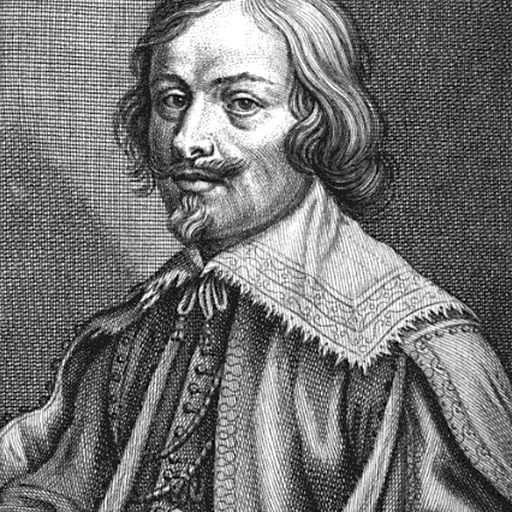
Jacques Callot was a baroque printmaker and draftsman from the Duchy of Lorraine.

 Holy Family at supper
 Restoration of the Aqueduct at Pisa
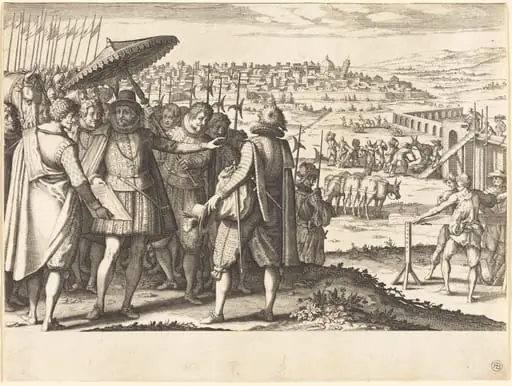 Restoration of the Aqueduct at Pisa
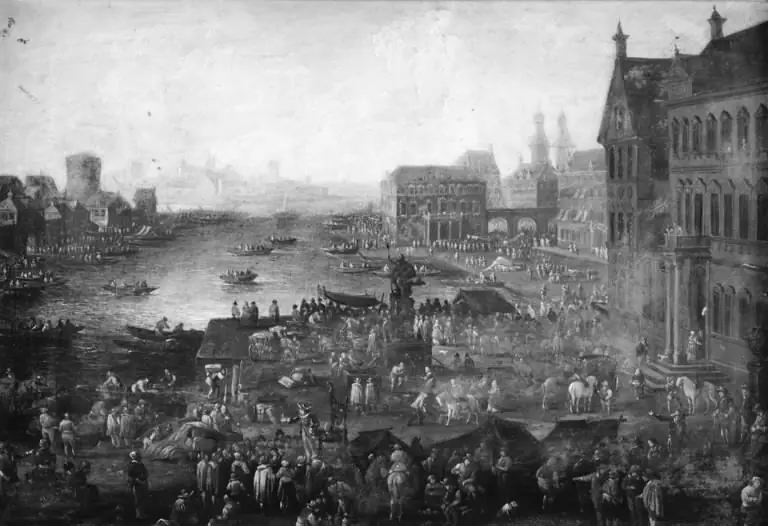 Square in Paris with Many Figures
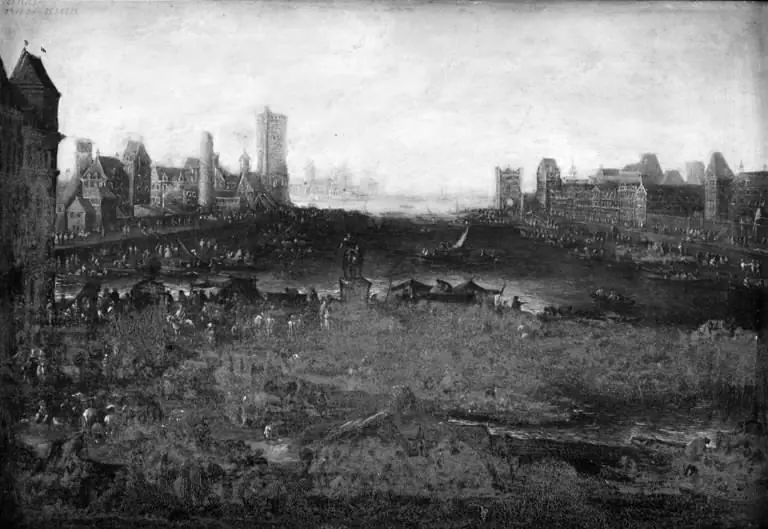 Square in Paris with Many Figures
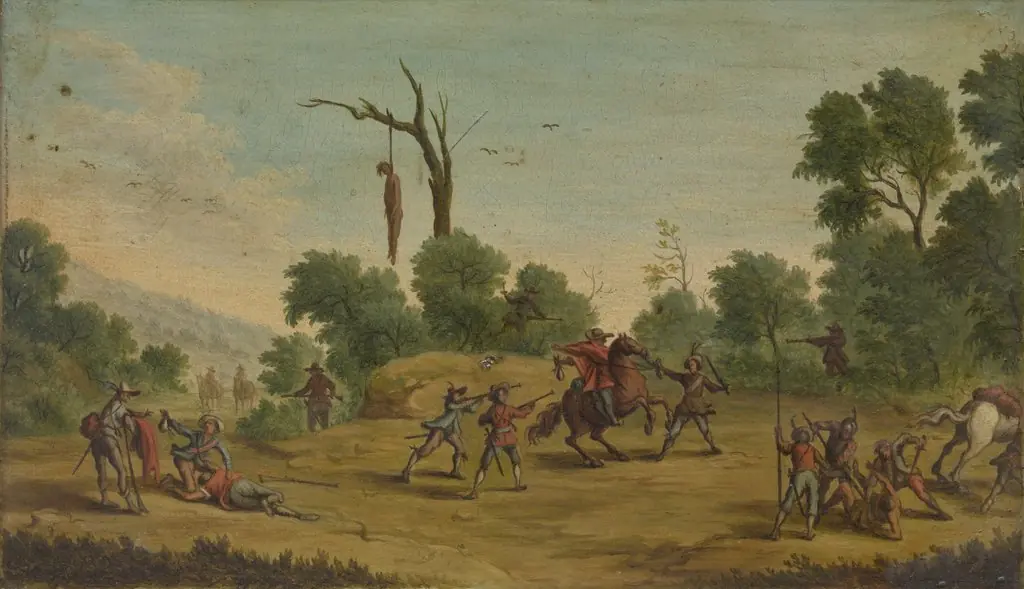 Horsemen Attacked by Robbers
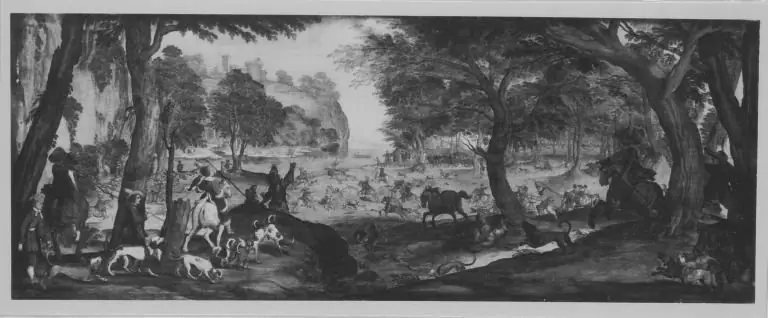 HOW WILL A COVERED PART BE CORRECTED?HOW WIKA A COVERED HEART DEED CORRECTED?
![Christ Walking on the Water [second plate], by Jacques Callot](https://artifactworldgallery.com/img/jacques-callot--christ-walking-on-the-water-second-plate--2069f3bfe4cb2126-w320.webp) Christ Walking on the Water [second plate]
Christ Walking on the Water [second plate]
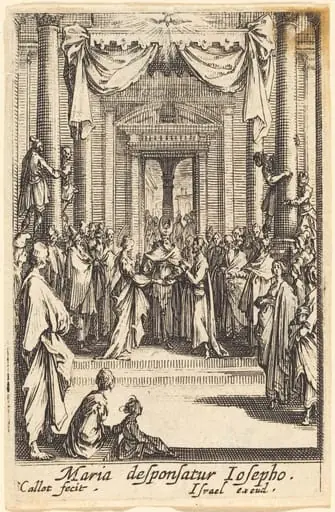 The Marriage of the Virgin
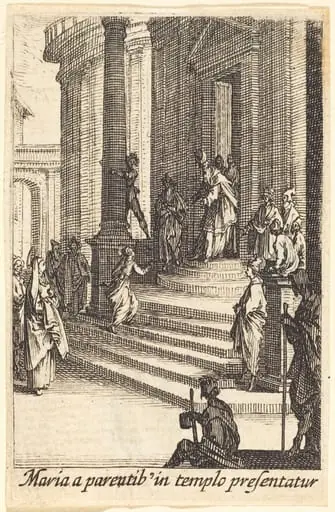 The Presentation of the Virgin
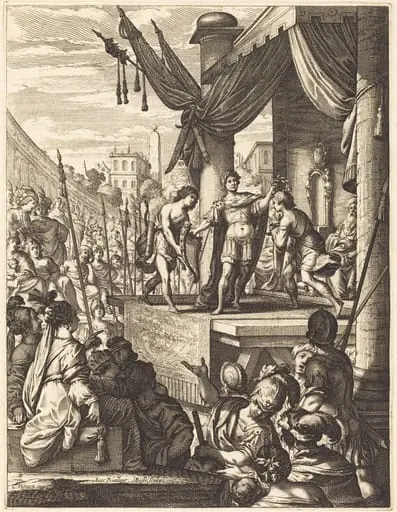 Illustration to Jean Desmarets' "L'Ariane"
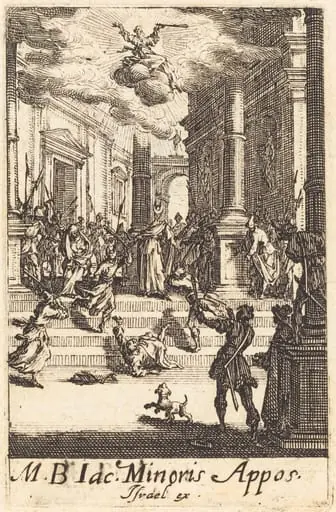 The Martyrdom of Saint James Minor
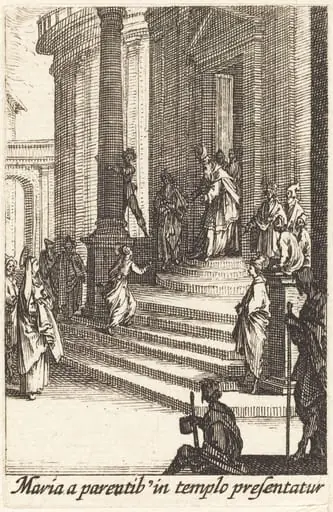 The Presentation of the Virgin
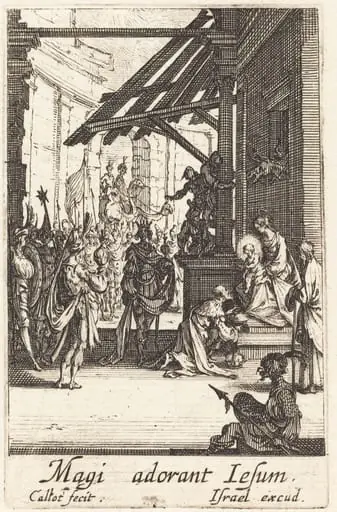 The Adoration of the Magi
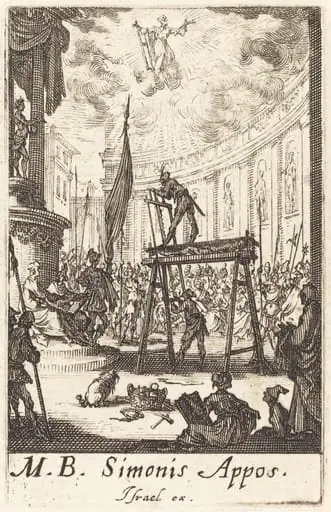 The Martyrdom of Saint Simon
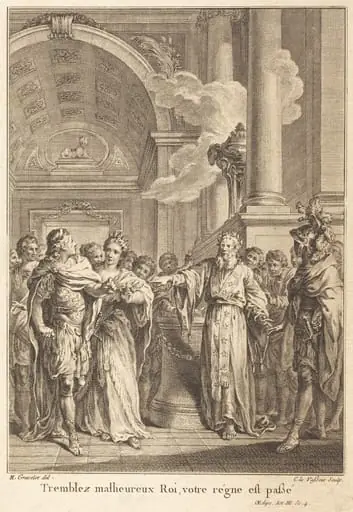 Tremblez malheureux Roi, votre régne est passé
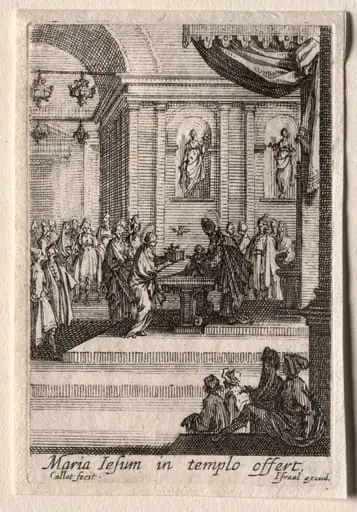 The Life of the Virgin: The Presentation of Christ in the Temple