Artwork
The Martyrdom of Saint Simon
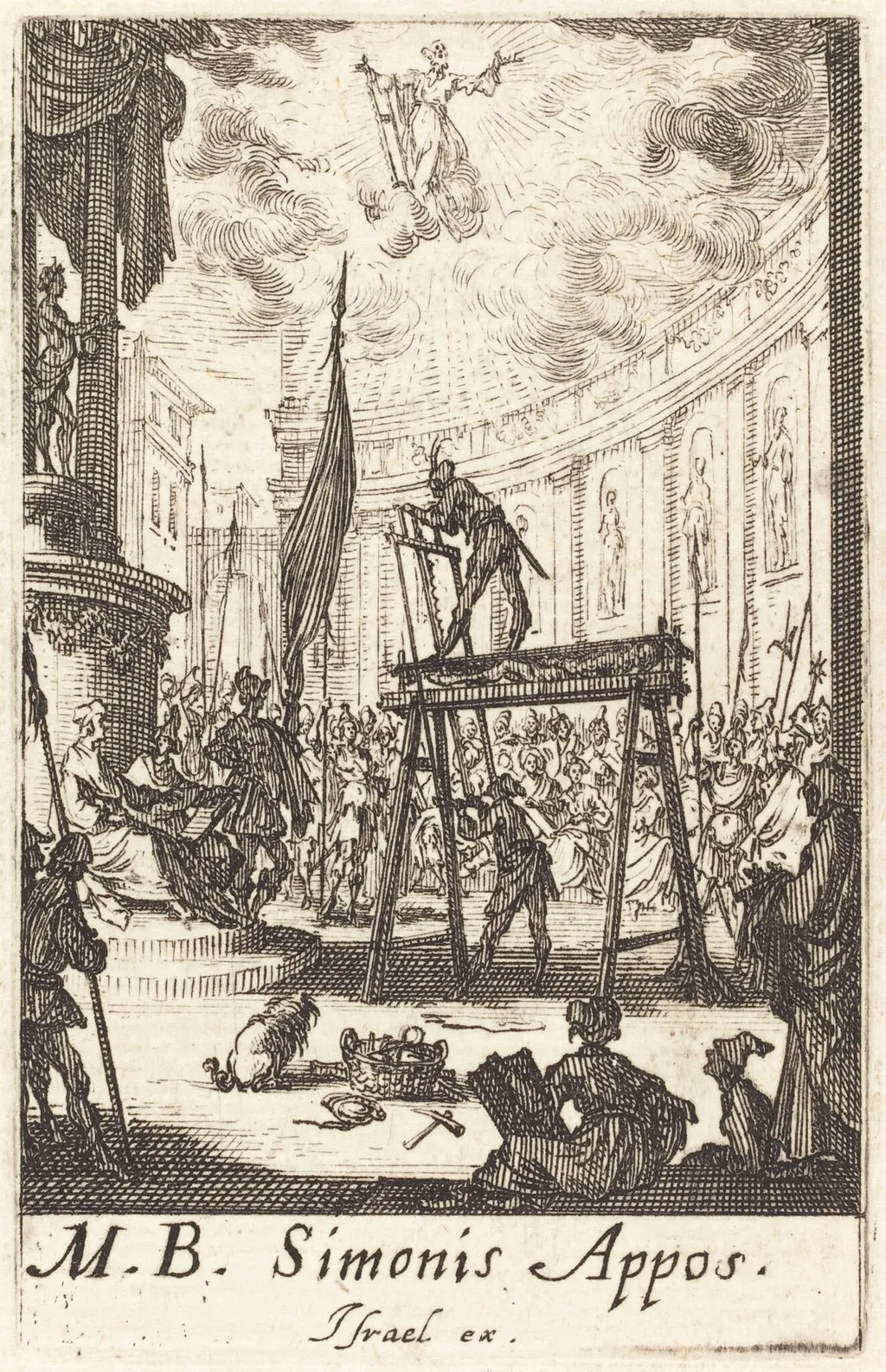
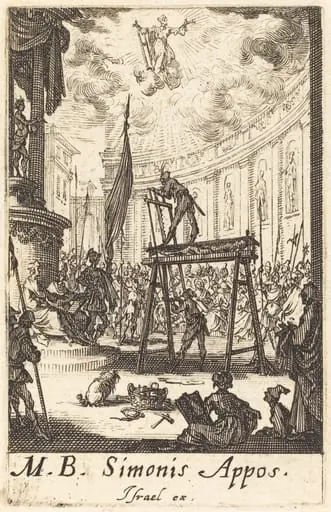
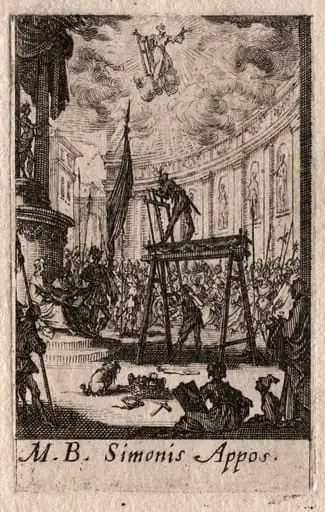
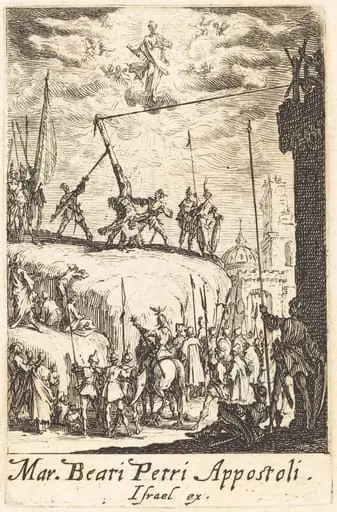
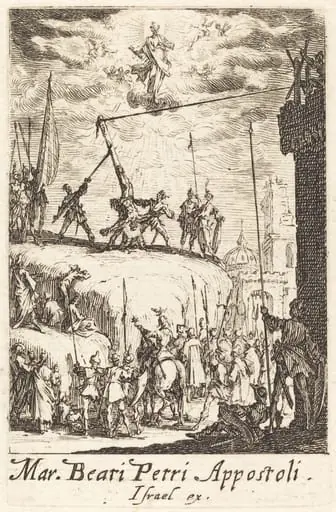
The Martyrdom of Saint Simon is an ink print by the Baroque artist Jacques Callot. It dates from 1634 and is held in the collection of the National Gallery of Art.
About this work
Overview
Jacques Callot’s etching titled *The Martyrdom of Saint Simon*, dated around 1634, is a Baroque print executed on laid paper. The work presents a complex, crowded composition that combines a dramatic narrative with a detailed landscape, reflecting Callot’s reputation for meticulous draftsmanship.
Subject & Meaning
The image portrays the execution of Saint Simon, shown on a raised platform with his arms outstretched as a spear or sword pierces his chest. Surrounding figures react in various ways—some gaze upward, others converse—emphasizing the communal witness to the martyr’s sacrifice.
Technique & Style
Callot employs fine line work and subtle shading to render texture and depth, characteristic of his precise etching method. The intricate detailing of individual bodies and the expansive architectural backdrop demonstrate his skill in creating narrative richness within a single plate.
History & Provenance
Born circa 1592 in the Duchy of Lorraine, Callot produced over 1,400 etchings that document both everyday life and religious themes. This particular plate forms part of his broader output of devotional subjects, though specific ownership records for this print remain limited.
Context
Created during the early Baroque period, the work reflects contemporary interest in dramatic religious storytelling. The inclusion of a temple-like structure in the background situates the martyrdom within a sacred architectural setting, aligning the scene with prevailing Counter‑Reformation visual strategies.
Artist & collection
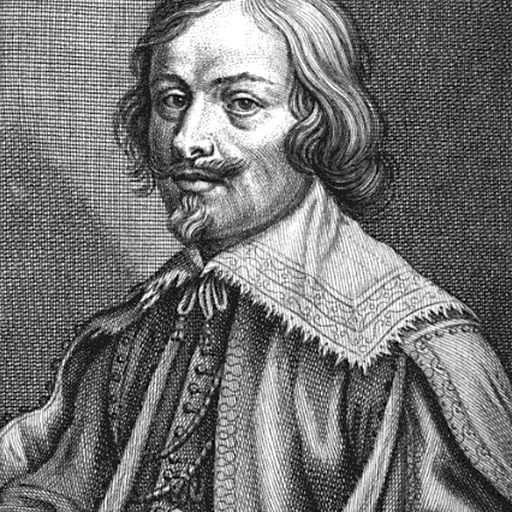
Artist
Jacques Callot was a baroque printmaker and draftsman from the Duchy of Lorraine.

 Holy Family at supper
 Restoration of the Aqueduct at Pisa
 Restoration of the Aqueduct at Pisa
 Square in Paris with Many Figures
 Square in Paris with Many Figures
 Horsemen Attacked by Robbers
 HOW WILL A COVERED PART BE CORRECTED?HOW WIKA A COVERED HEART DEED CORRECTED?
![Christ Walking on the Water [second plate], by Jacques Callot](https://artifactworldgallery.com/img/jacques-callot--christ-walking-on-the-water-second-plate--2069f3bfe4cb2126-w320.webp) Christ Walking on the Water [second plate]
Christ Walking on the Water [second plate]