Artwork
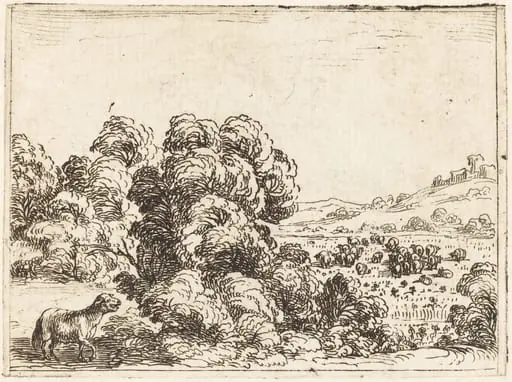
The Doe
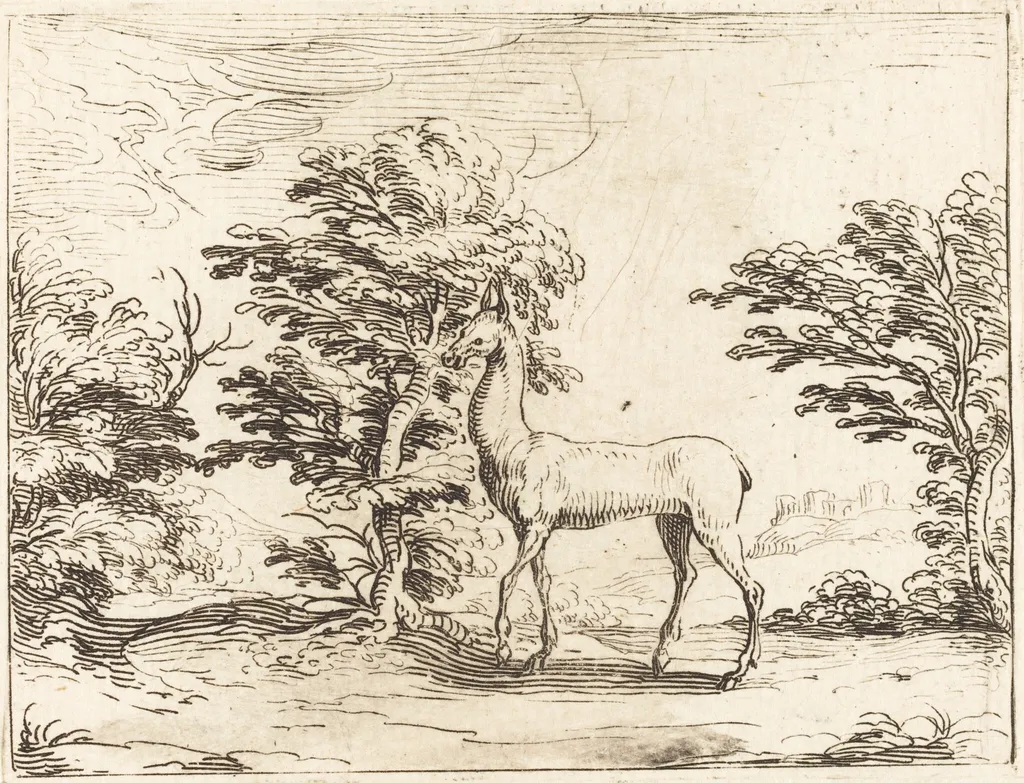
The Doe is an ink print by the Renaissance artist Jacques Callot. It dates from 1628 and is held in the collection of the National Gallery of Art.
About this work
Overview
The Doe is an etching on laid paper created by Jacques Callot in 1628. It is a representative work by the French printmaker, known for his prolific output of over 1,400 etchings.
Subject & Meaning
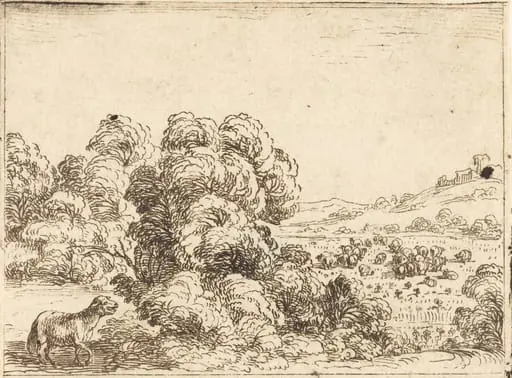
The print depicts a deer standing in a serene wooded landscape, with dense foliage and soft undergrowth. The deer's gentle pose contributes to the tranquil atmosphere of the scene.
Technique & Style
Callot employed the etching technique to achieve a high level of detail and smoothness in the print. This method, popular during the 17th century, allowed for the creation of intricate lines and textures.
Context
The Doe reflects Callot's practice of combining narrative subjects with elaborate landscape settings, a characteristic common in his extensive body of work, which documented various aspects of life in his time.
Own this work as a print
Artist & collection
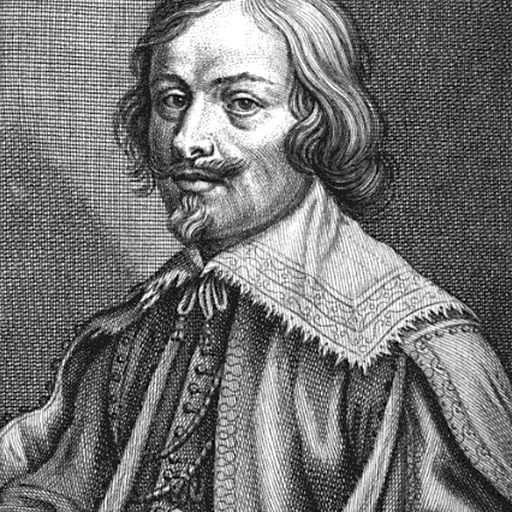
Artist
Jacques Callot was a baroque printmaker and draftsman from the Duchy of Lorraine.

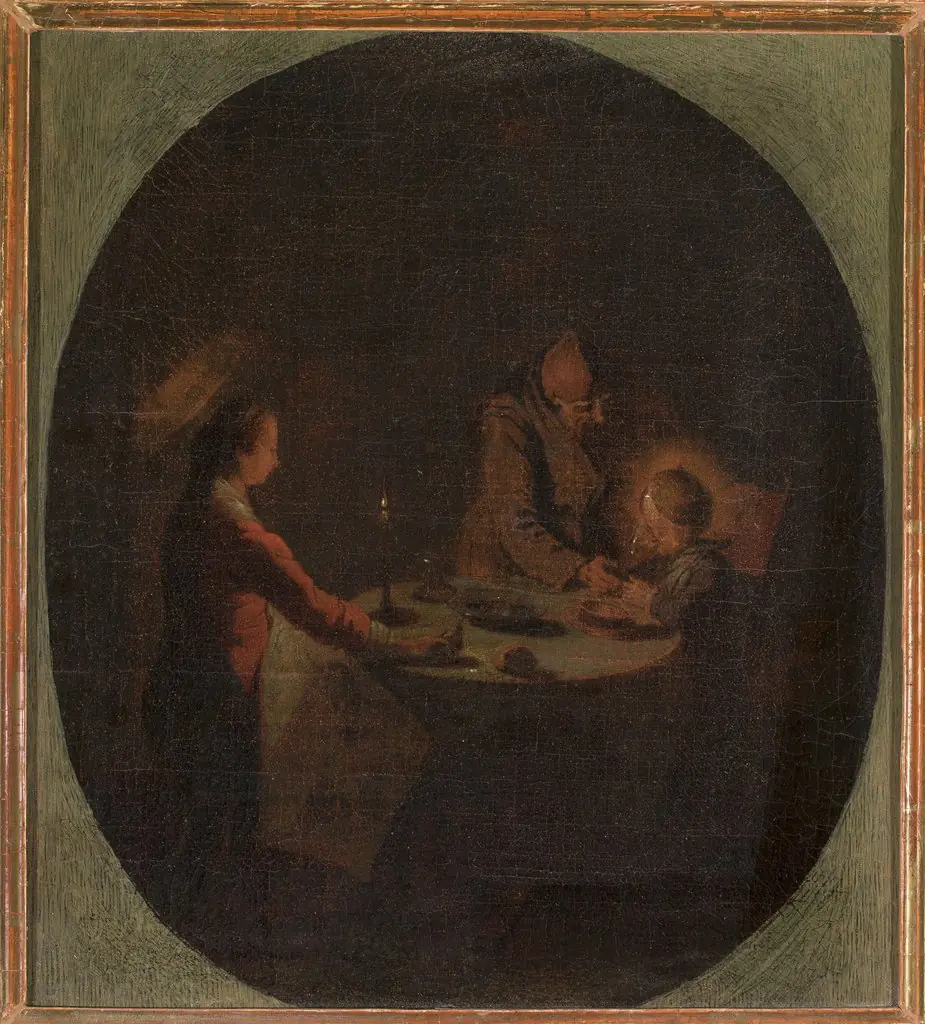 Holy Family at supper
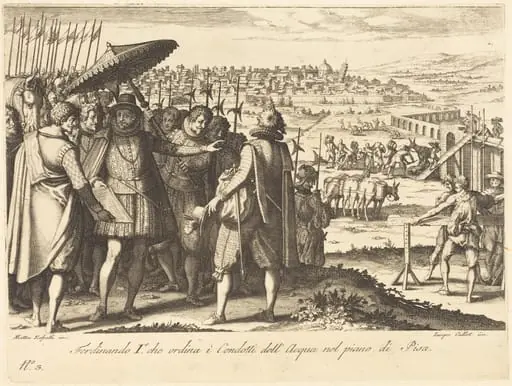 Restoration of the Aqueduct at Pisa
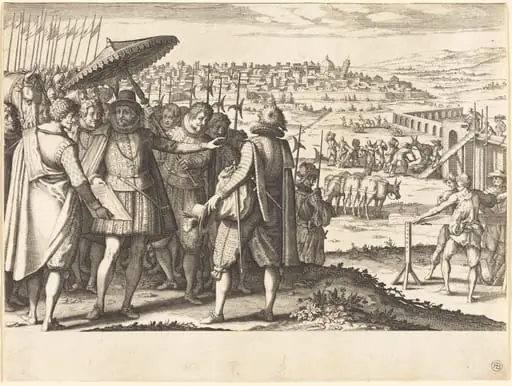 Restoration of the Aqueduct at Pisa
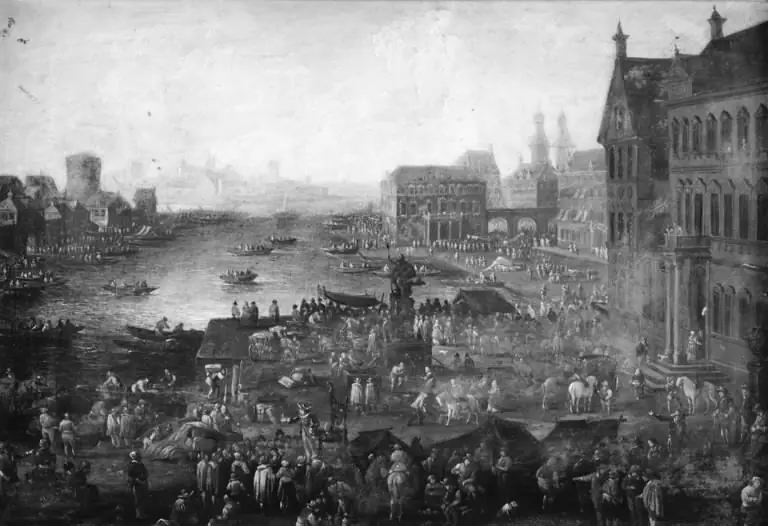 Square in Paris with Many Figures
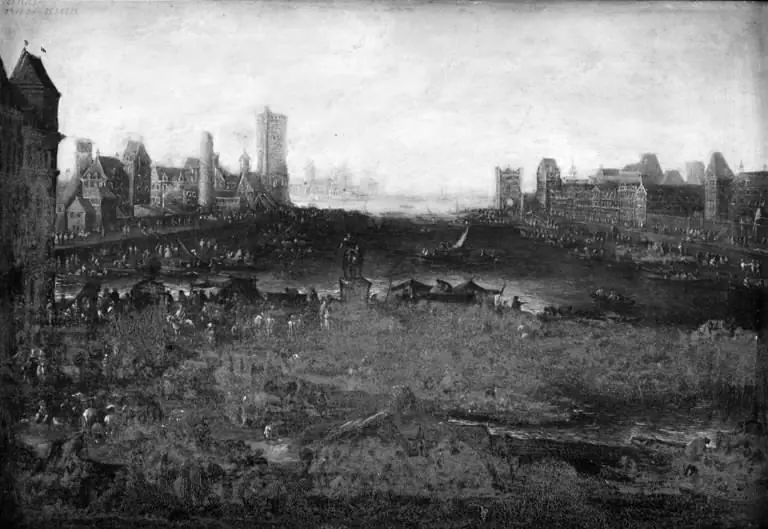 Square in Paris with Many Figures
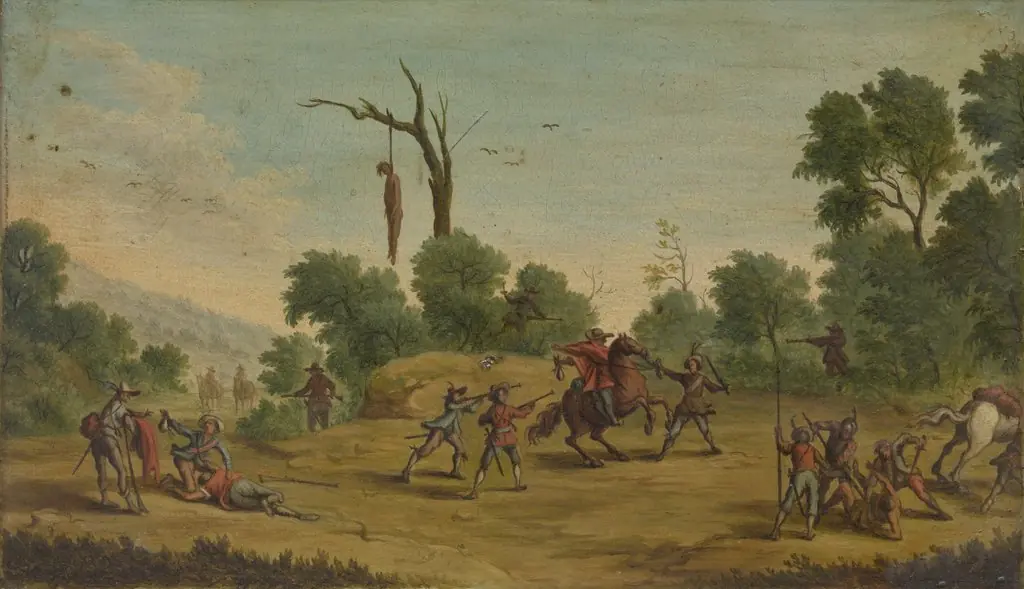 Horsemen Attacked by Robbers
 HOW WILL A COVERED PART BE CORRECTED?HOW WIKA A COVERED HEART DEED CORRECTED?
![Christ Walking on the Water [second plate], by Jacques Callot](https://artifactworldgallery.com/img/jacques-callot--christ-walking-on-the-water-second-plate--2069f3bfe4cb2126-w320.webp) Christ Walking on the Water [second plate]
Christ Walking on the Water [second plate]