Artwork
The Float of Thetis
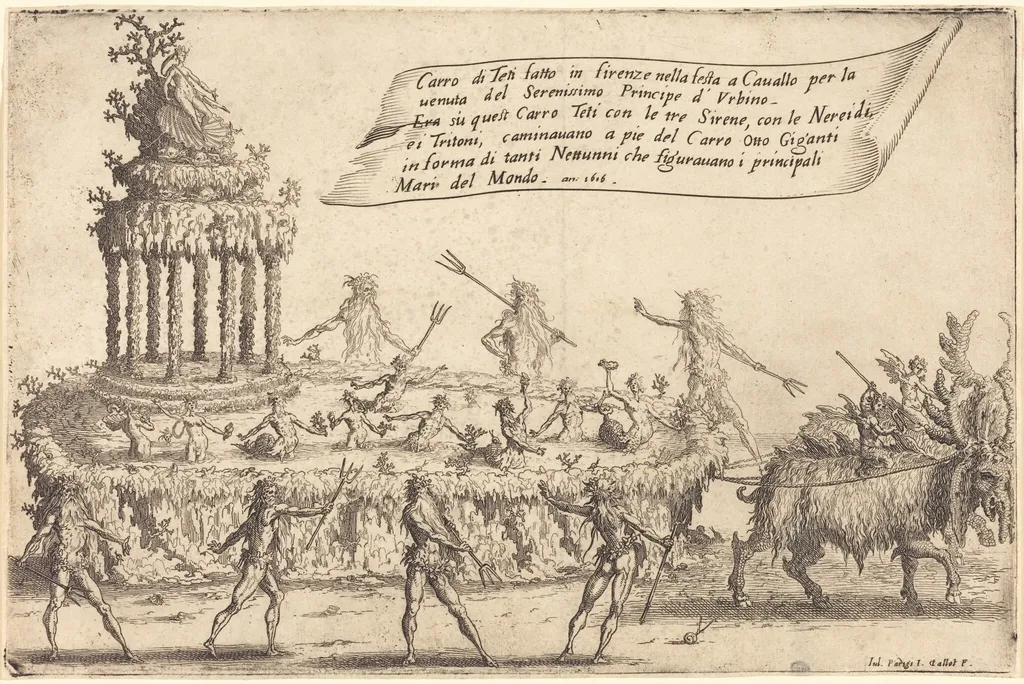
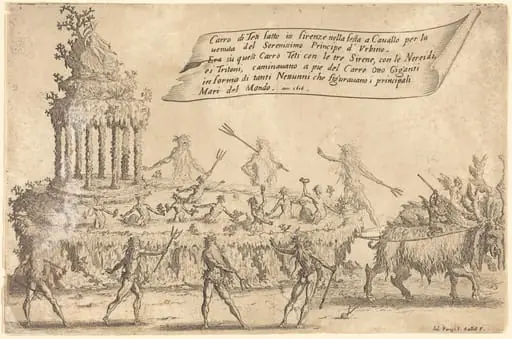
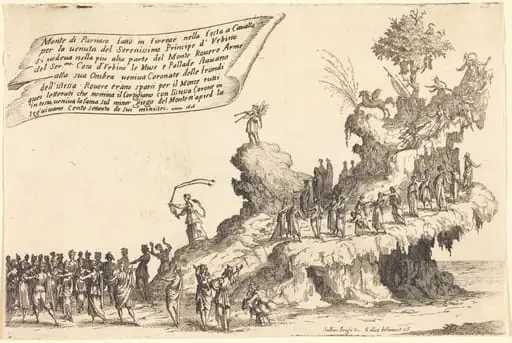
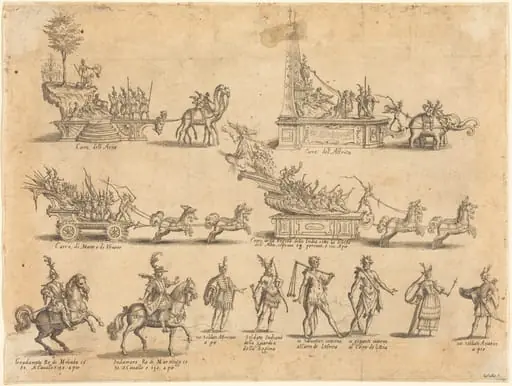
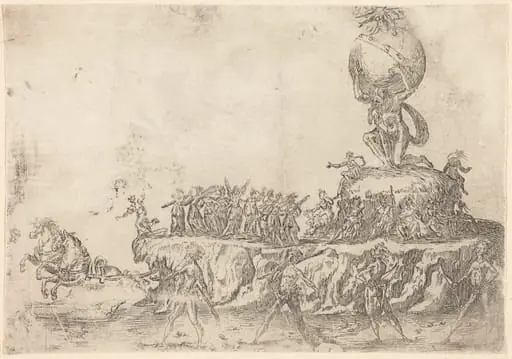
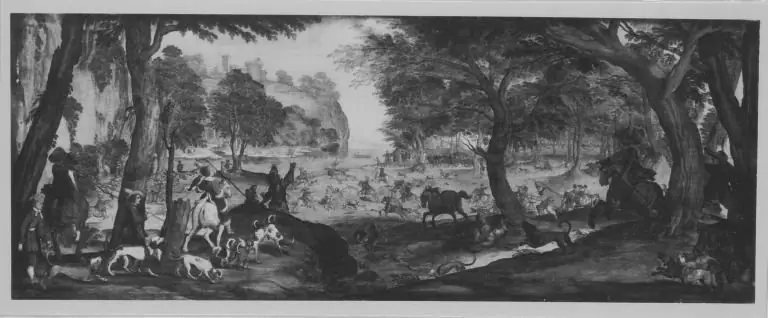
The Float of Thetis is an ink print by the Baroque artist Jacques Callot. It dates from 1616 and is held in the collection of the National Gallery of Art.
About this work
Overview
As part of a larger body of over 1,400 prints, this piece reflects his interest in blending classical themes with vivid, observed detail from contemporary life.
Created in 1616, Jacques Callot’s etching on laid paper depicts a mythological procession centered on Thetis, the sea nymph. Executed with fine, precise lines, the work exemplifies Callot’s mastery of etching technique and his ability to render complex scenes with clarity. As part of a larger body of over 1,400 prints, this piece reflects his interest in blending classical themes with vivid, observed detail from contemporary life.
Subject & Meaning
The scene illustrates Thetis, seated atop a ceremonial float, being honored in a maritime procession. Figures surrounding her include attendants bearing tridents and musicians, suggesting a ritual celebration. The imagery draws from classical mythology but is infused with the energy of early 17th-century festive processions, possibly reflecting courtly entertainments of the time. The work merges myth with lived spectacle, inviting viewers to see ancient narrative as a living tradition.
Technique & Style
Callot employed fine-line etching to achieve remarkable detail, using controlled incisions to define textures in fabric, water, and architecture. Shading is built through dense cross-hatching and varying line weight, creating a sense of volume and movement. The composition is tightly organized yet teems with activity, demonstrating his ability to manage complexity without visual clutter. His technique elevated printmaking beyond reproduction into a medium of expressive precision.
History & Provenance
The print was produced during Callot’s early career in Nancy, then part of the Duchy of Lorraine, before his later years in Florence. It belongs to a series of mythological prints commissioned or inspired by courtly patrons. While its immediate provenance is undocumented, it circulated among collectors of prints in France and Italy, contributing to Callot’s reputation as a leading printmaker of his generation.
Context
In early 17th-century Europe, mythological themes remained popular in elite visual culture, often used to flatter patrons through allegory. Callot’s engagement with such subjects coincided with a broader revival of classical imagery in courtly festivals. His prints, including this one, responded to both artistic trends and the growing market for collectible prints among educated audiences across the continent.
Legacy
Callot’s technical innovations in etching influenced generations of printmakers, particularly in his handling of fine detail and dynamic composition. 'The Float of Thetis' stands as an example of how mythological subjects could be rendered with observational realism, bridging classical tradition and Baroque vitality. His prints, including this one, remain studied for their craftsmanship and narrative richness.
Artist & collection
Artist
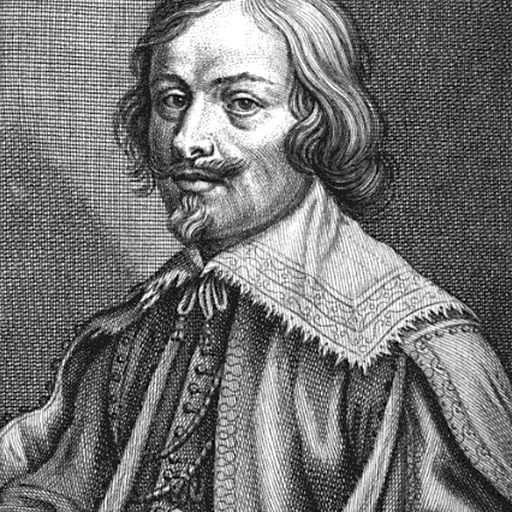
Jacques Callot was a baroque printmaker and draftsman from the Duchy of Lorraine.

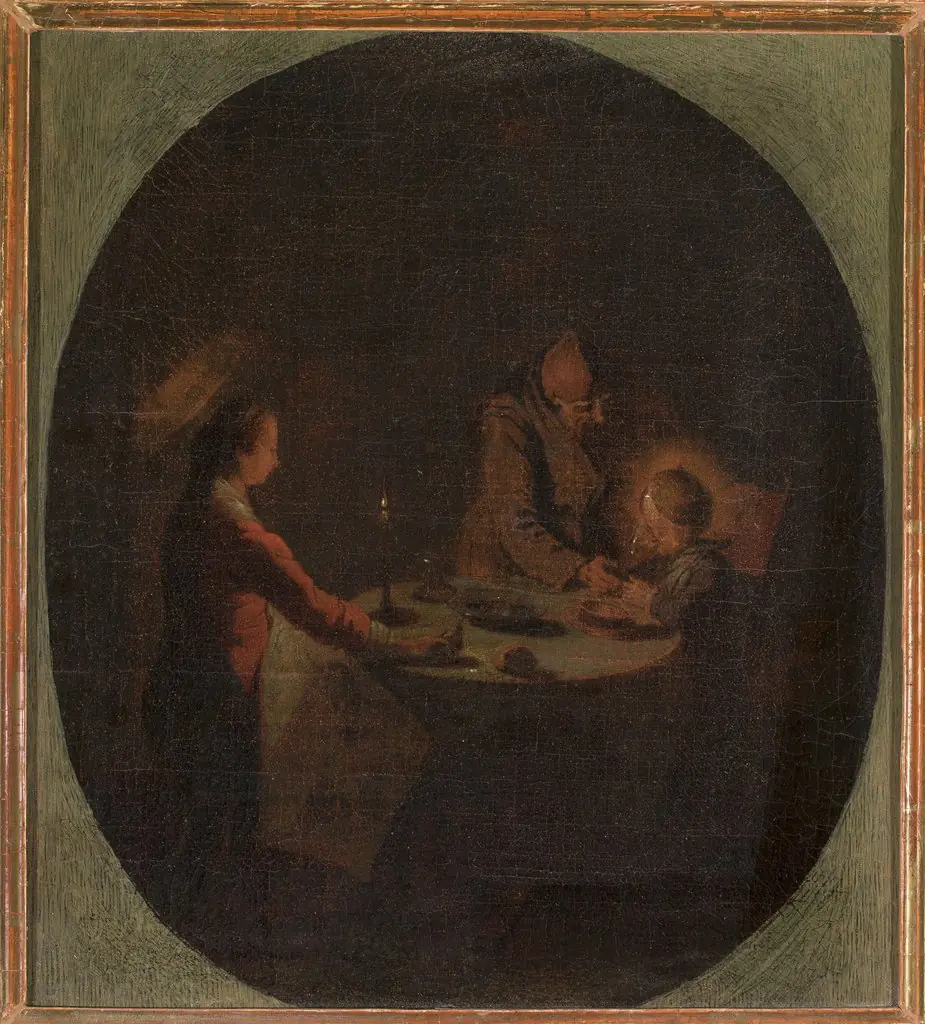 Holy Family at supper
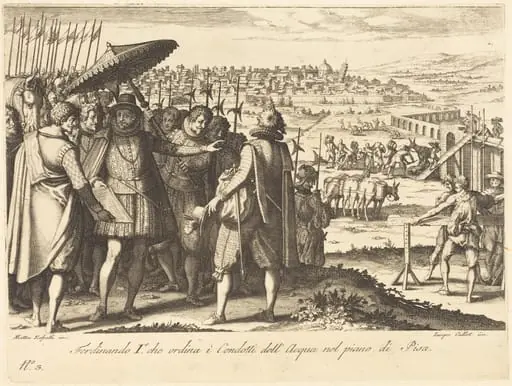 Restoration of the Aqueduct at Pisa
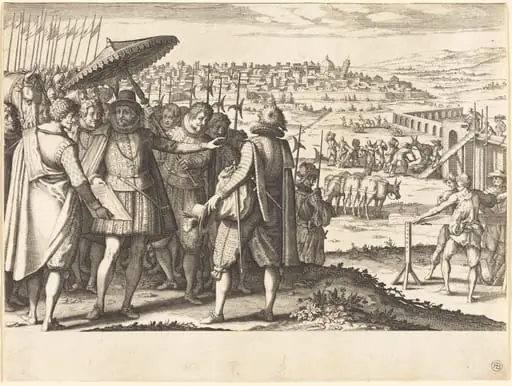 Restoration of the Aqueduct at Pisa
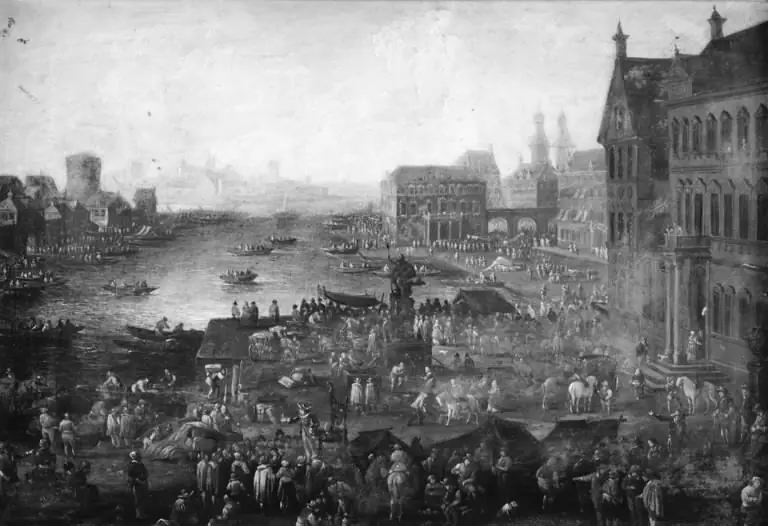 Square in Paris with Many Figures
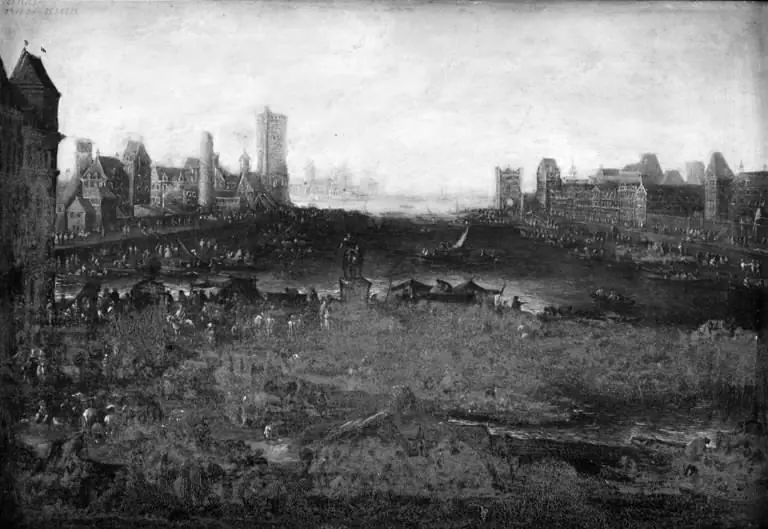 Square in Paris with Many Figures
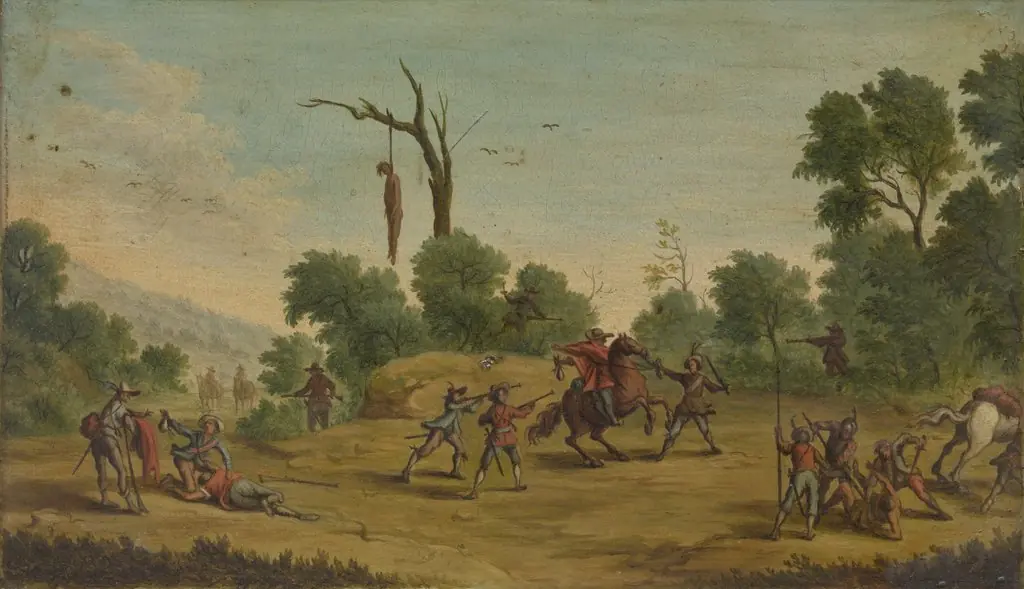 Horsemen Attacked by Robbers
 HOW WILL A COVERED PART BE CORRECTED?HOW WIKA A COVERED HEART DEED CORRECTED?
![Christ Walking on the Water [second plate], by Jacques Callot](https://artifactworldgallery.com/img/jacques-callot--christ-walking-on-the-water-second-plate--2069f3bfe4cb2126-w320.webp) Christ Walking on the Water [second plate]
Christ Walking on the Water [second plate]