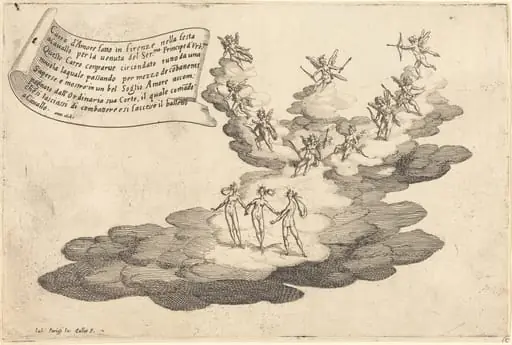
Artwork
The Float of the Sun
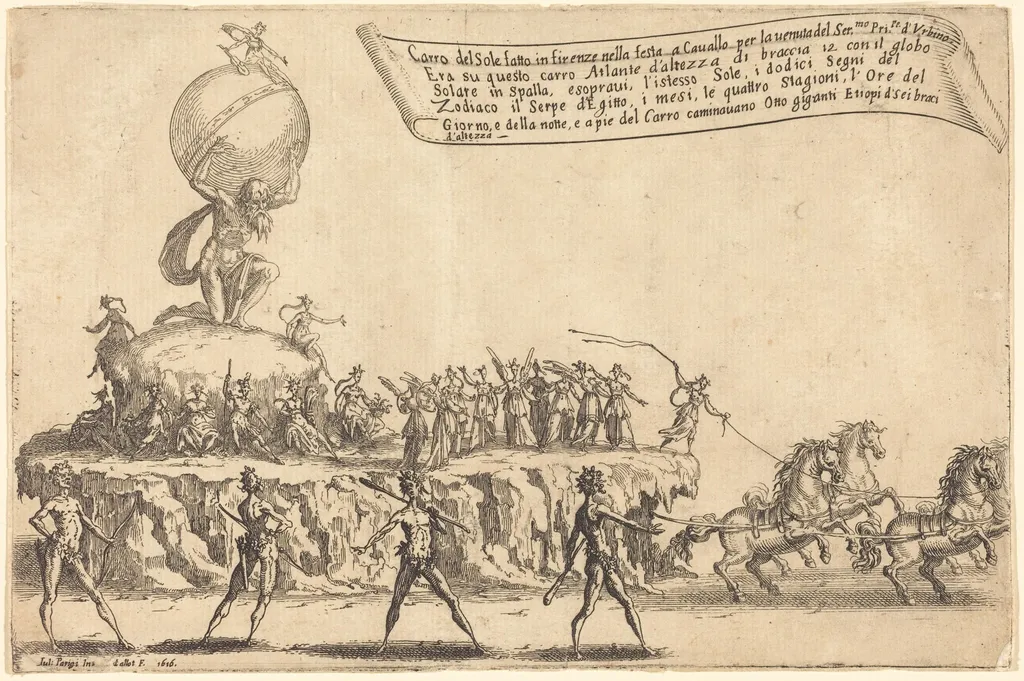
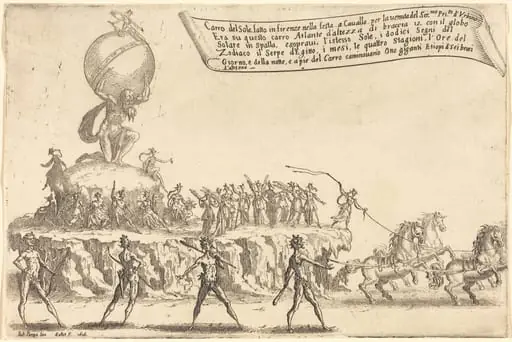
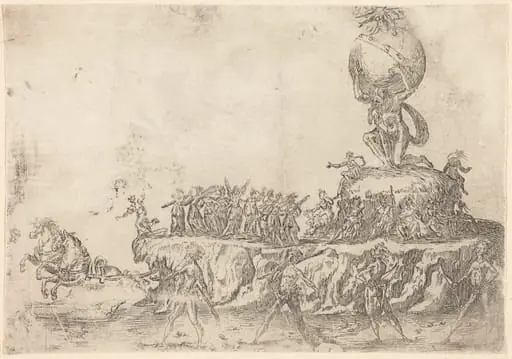
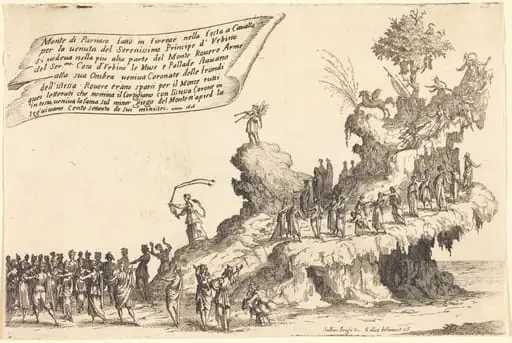
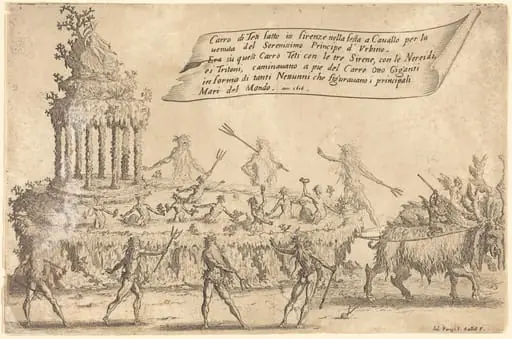
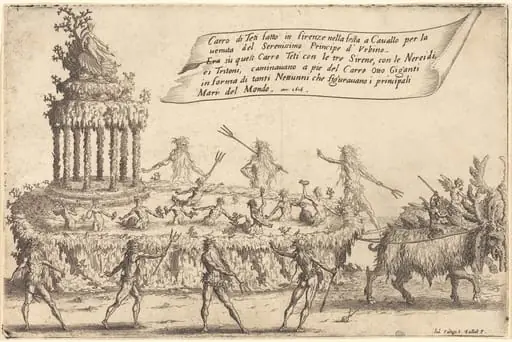
The Float of the Sun is an ink print by the Baroque artist Jacques Callot. It dates from 1616 and is held in the collection of the National Gallery of Art.
About this work
Overview
Created in 1616 by Jacques Callot, *The Float of the Sun* is an etching on laid paper depicting a theatrical parade scene.
Created in 1616 by Jacques Callot, *The Float of the Sun* is an etching on laid paper depicting a theatrical parade scene. Callot, a prolific printmaker from Lorraine, used the etching technique to capture dynamic movement and dense detail. The work is one of many in his extensive body of prints that record public spectacles and social life in early 17th-century Europe, blending mythological imagery with contemporary observation.
Subject & Meaning
The scene portrays Atlas, the Titan from Greek myth, bearing a radiant sun on his shoulders, symbolizing cosmic order or divine favor. Below him, a lively crowd of dancers, riders, and onlookers suggests a civic or religious procession. The Italian banner overhead implies a connection to Italian courtly traditions, possibly referencing a festival in Florence or another northern Italian city where such allegorical floats were staged.
Technique & Style
Callot employed fine, precise etching lines to render texture, motion, and depth. The crowded composition is organized with careful layering, guiding the eye from the towering figure of Atlas down through the bustling crowd. His use of sharp, controlled incisions creates a sense of urgency and rhythm, characteristic of his ability to translate theatrical energy into the static medium of print.
History & Provenance
The print was produced during Callot’s time in Florence, where he was employed by the Medici court. It likely served as a record of a specific festival, possibly the 1616 celebration of the Feast of the Ascension. As with many of his works, it circulated among collectors and artists across Europe, preserving visual documentation of ephemeral public events that otherwise left little trace.
Context
In early 17th-century Italy, elaborate parade floats were common in religious and civic festivals, blending classical mythology with contemporary pageantry. Callot’s etching reflects this tradition, capturing the fusion of sacred symbolism and popular spectacle. His work aligns with broader European interests in documenting public life, while his technical precision elevated printmaking beyond mere illustration.
Legacy
Callot’s detailed etchings, including *The Float of the Sun*, influenced later generations of printmakers through their narrative richness and technical innovation. His ability to compress complex scenes into single plates set a standard for documentary printmaking. Though not widely exhibited today, the work remains a key example of how printmaking preserved the visual culture of early modern Europe.
Artist & collection
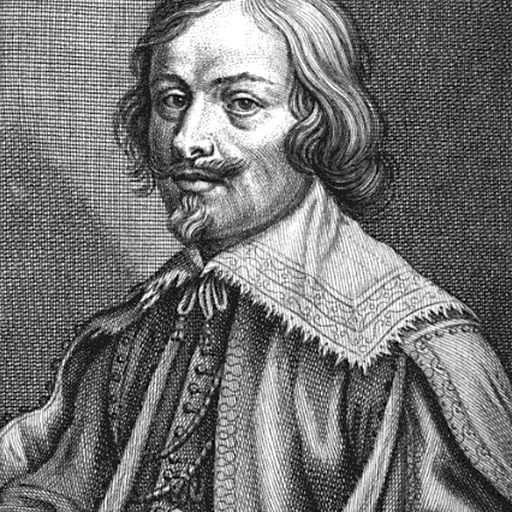
Artist
Jacques Callot was a baroque printmaker and draftsman from the Duchy of Lorraine.

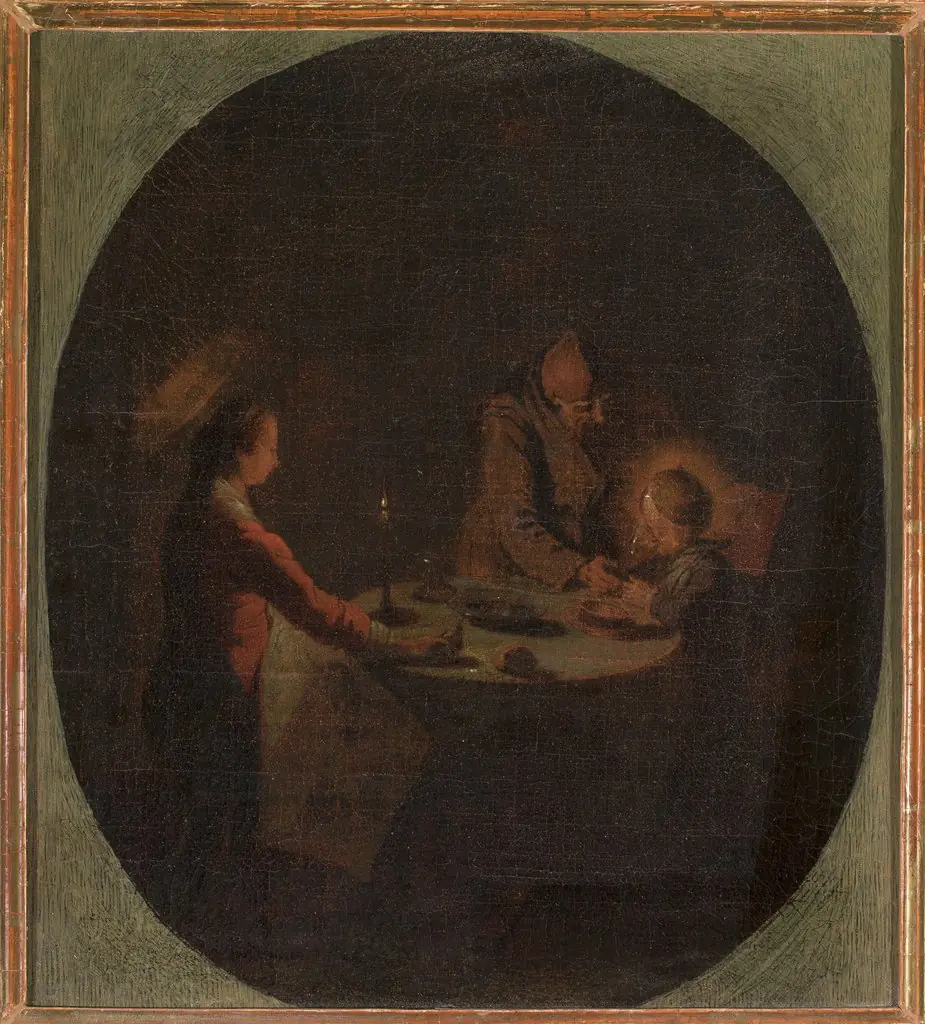 Holy Family at supper
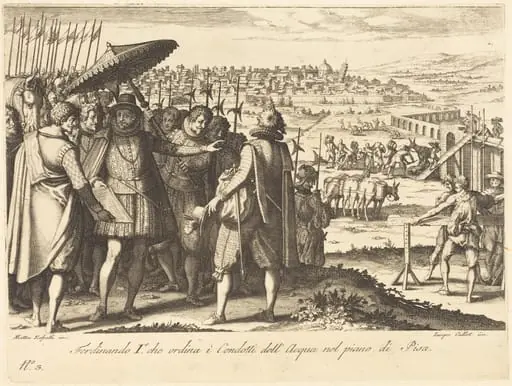 Restoration of the Aqueduct at Pisa
 Restoration of the Aqueduct at Pisa
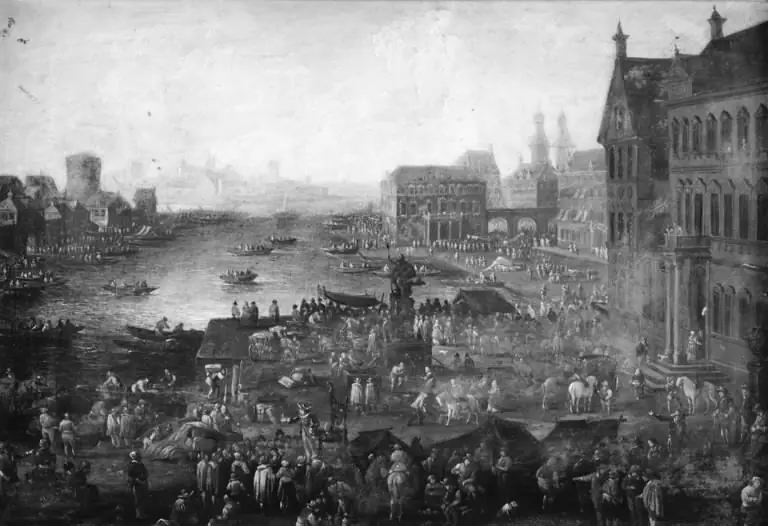 Square in Paris with Many Figures
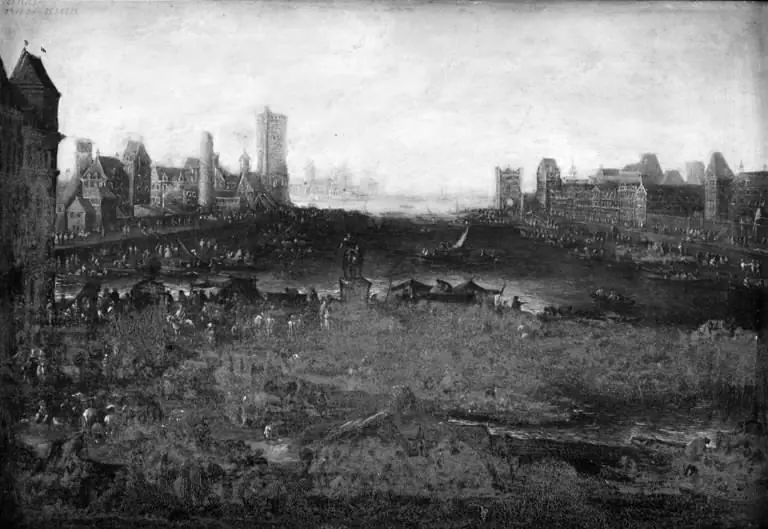 Square in Paris with Many Figures
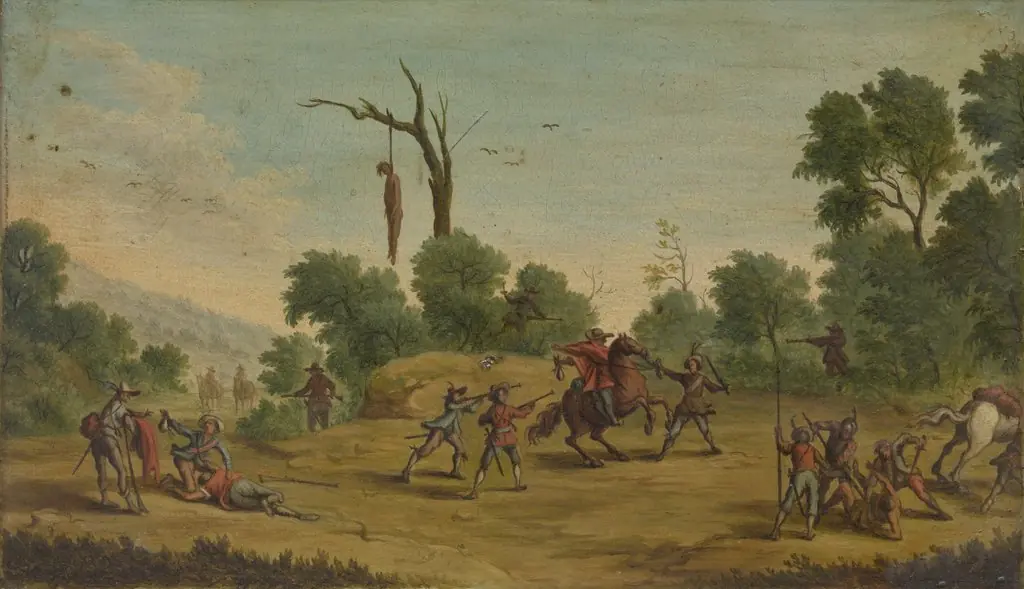 Horsemen Attacked by Robbers
 HOW WILL A COVERED PART BE CORRECTED?HOW WIKA A COVERED HEART DEED CORRECTED?
![Christ Walking on the Water [second plate], by Jacques Callot](https://artifactworldgallery.com/img/jacques-callot--christ-walking-on-the-water-second-plate--2069f3bfe4cb2126-w320.webp) Christ Walking on the Water [second plate]
Christ Walking on the Water [second plate]