Artwork
The Huntress
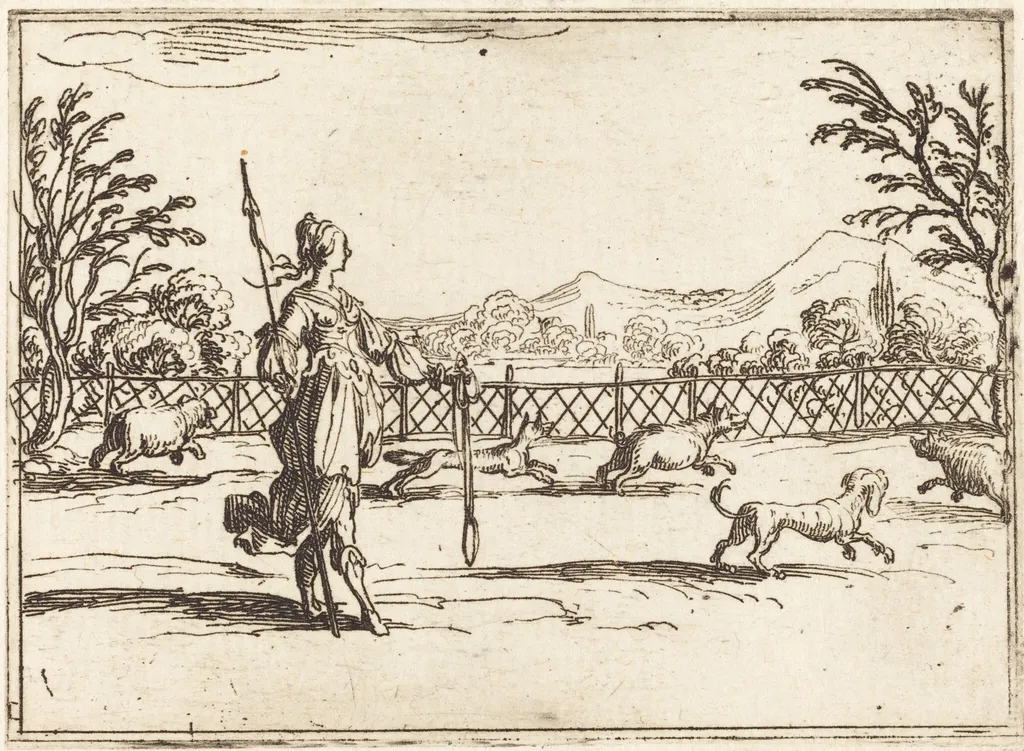
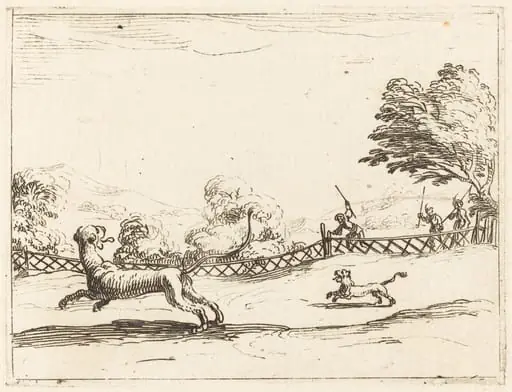
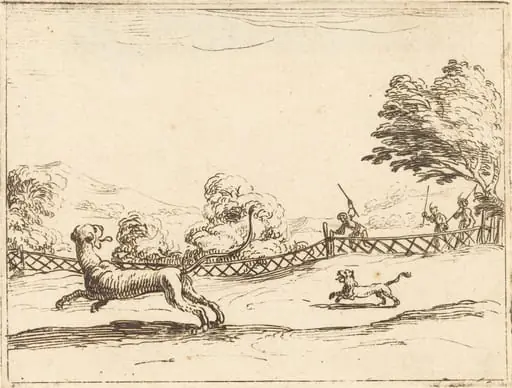
The Huntress is an ink print by the Renaissance artist Jacques Callot. It dates from 1628 and is held in the collection of the National Gallery of Art.
About this work
Overview
Created in 1628 by Jacques Callot, a prolific French Baroque printmaker from Lorraine, *The Huntress* is an etching on laid paper that exemplifies his documentary approach to contemporary life.
Subject & Meaning
The etching depicts a huntress standing in a landscape, spear in hand, accompanied by a dog, with additional canines and a fenced, hilly backdrop suggesting imminent action. Her attire consists of a long robe, contrasting with the dynamic scene.
Technique & Style
Callot's use of etching on laid paper achieves a detailed, textured image. While often associated with documenting various aspects of life (military, religious, everyday), this work's style aligns more closely with Baroque sensibilities than the broader, more generalized 'Renaissance style'.
History & Provenance
Part of Callot's extensive oeuvre of over 1,400 etchings, *The Huntress* is dated to 1628. Specific provenance details are not provided.
Context
Reflecting Callot's practice, the piece blends figures from everyday life with detailed landscapes, though here focused on a singular, active figure rather than diverse social strata.
Legacy
As one of Callot's numerous works, *The Huntress* contributes to his legacy as a prolific documentarian of 17th-century life through precise etching techniques.
Own this work as a print
Artist & collection
Artist
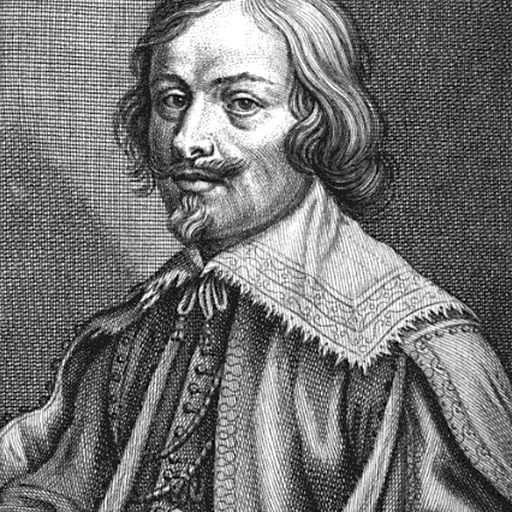
Jacques Callot was a baroque printmaker and draftsman from the Duchy of Lorraine.

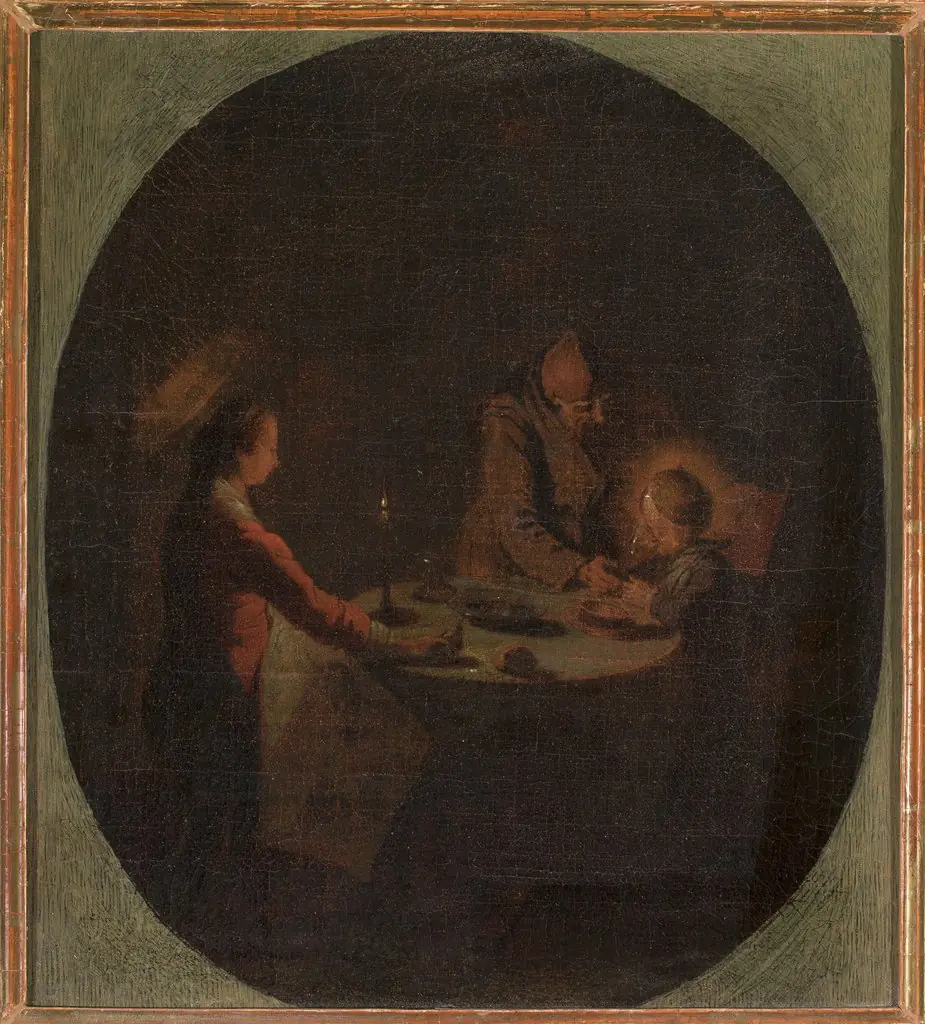 Holy Family at supper
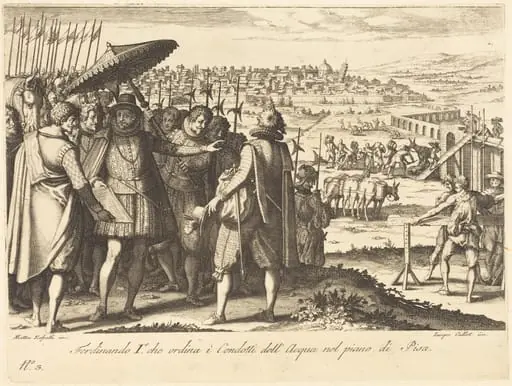 Restoration of the Aqueduct at Pisa
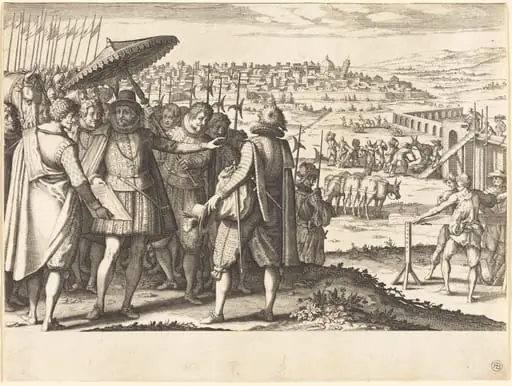 Restoration of the Aqueduct at Pisa
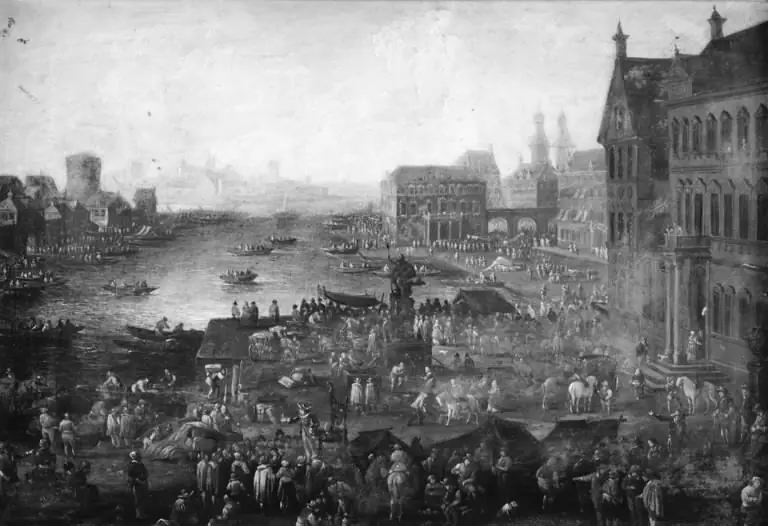 Square in Paris with Many Figures
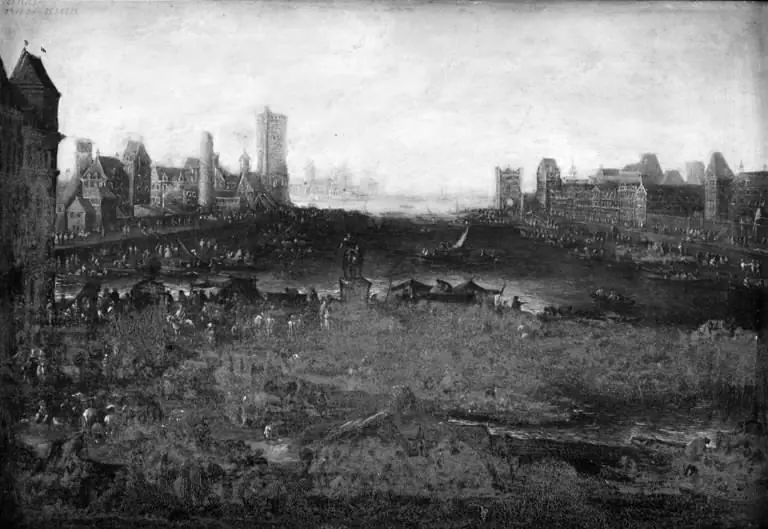 Square in Paris with Many Figures
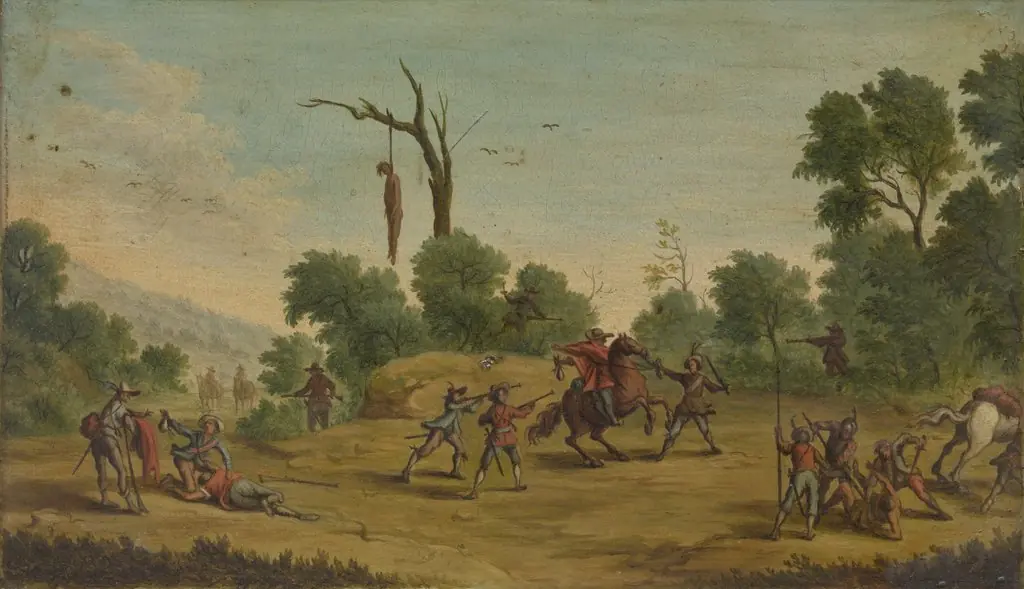 Horsemen Attacked by Robbers
 HOW WILL A COVERED PART BE CORRECTED?HOW WIKA A COVERED HEART DEED CORRECTED?
![Christ Walking on the Water [second plate], by Jacques Callot](https://artifactworldgallery.com/img/jacques-callot--christ-walking-on-the-water-second-plate--2069f3bfe4cb2126-w320.webp) Christ Walking on the Water [second plate]
Christ Walking on the Water [second plate]