Artwork
The Marriage of the Virgin
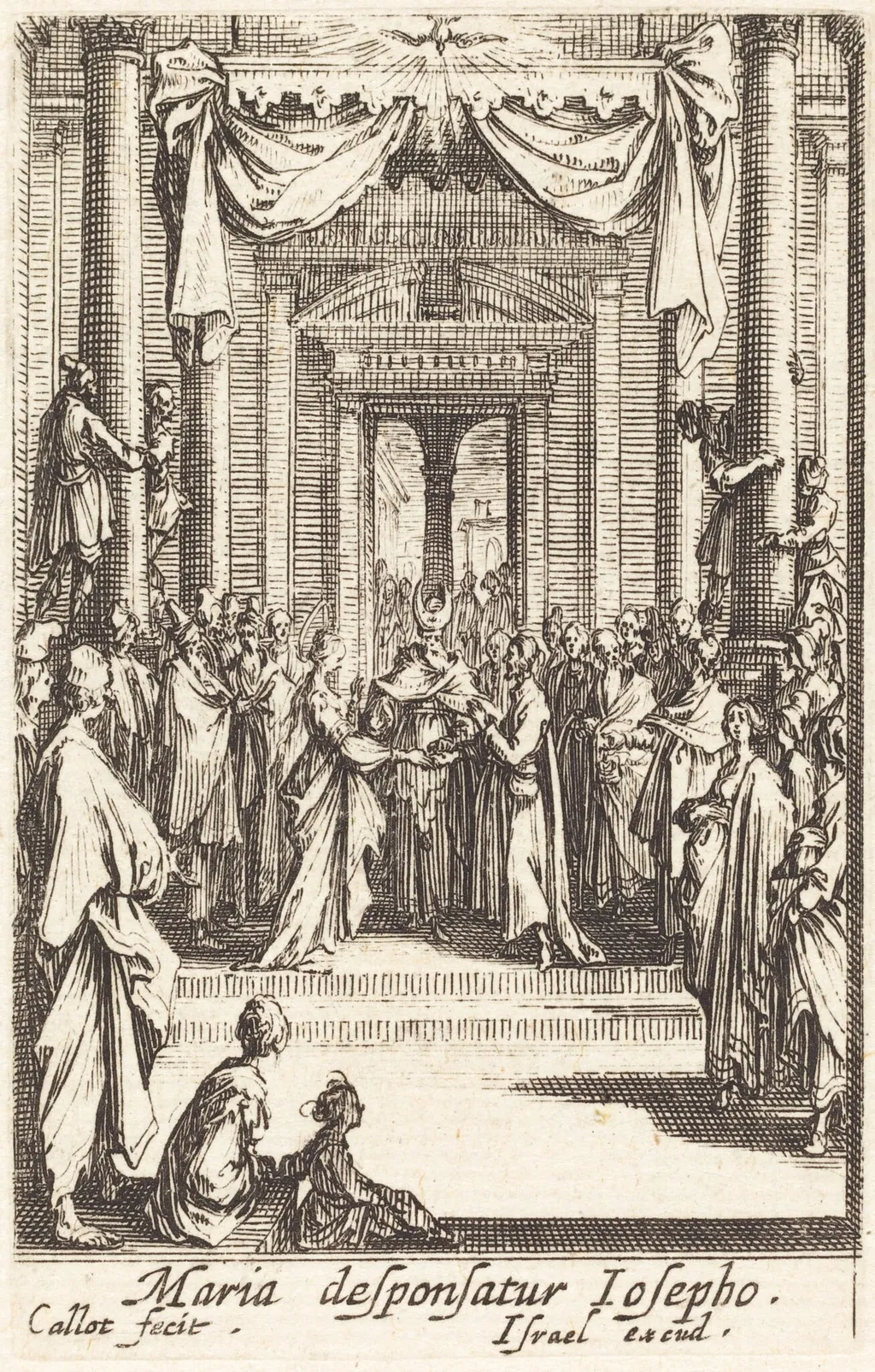
The Marriage of the Virgin is an ink print by the Baroque artist Jacques Callot. It dates from 1634 and is held in the collection of the National Gallery of Art.
About this work
Overview
A high altar, draped curtains and a luminous cross dominate the background, creating a formal, bustling composition typical of Baroque religious imagery.
Jacques Callot’s *The Marriage of the Virgin* is an etching executed on laid paper, dated to roughly 1634. The print presents a densely populated interior that suggests a church setting, with a central couple flanked by numerous figures in contemporary dress. A high altar, draped curtains and a luminous cross dominate the background, creating a formal, bustling composition typical of Baroque religious imagery.
Subject & Meaning
The scene depicts the nuptial ceremony of the Virgin Mary, a subject drawn from Christian tradition. Callot arranges the participants around the bride and groom, emphasizing the communal nature of the rite. Gestures such as kneeling and raised hands convey reverence, while the illuminated altar underscores the sacred context of the marriage.
Technique & Style
Callot employs the etching process, incising fine lines into a copper plate that are then transferred to laid paper. The work is characterized by delicate hatching and cross‑hatching, which generate subtle shadows and a textured surface. This meticulous line work produces a slightly rough, highly detailed visual effect, a hallmark of Callot’s printmaking practice.
History & Provenance
Created in the early 1630s, the print belongs to Callot’s prolific output of more than 1,400 etchings, many of which document contemporary life and religious subjects. While specific ownership records for this particular impression are scarce, the work is representative of Callot’s activity in the Duchy of Lorraine during the Baroque period.
Context
During the early seventeenth century, religious prints served both devotional and didactic purposes. Callot’s *Marriage of the Virgin* aligns with this tradition, combining narrative clarity with elaborate architectural and landscape details. The crowded interior reflects the Baroque interest in dynamic composition and the inclusion of numerous figures to convey a sense of movement and ceremony.
Artist & collection
Artist
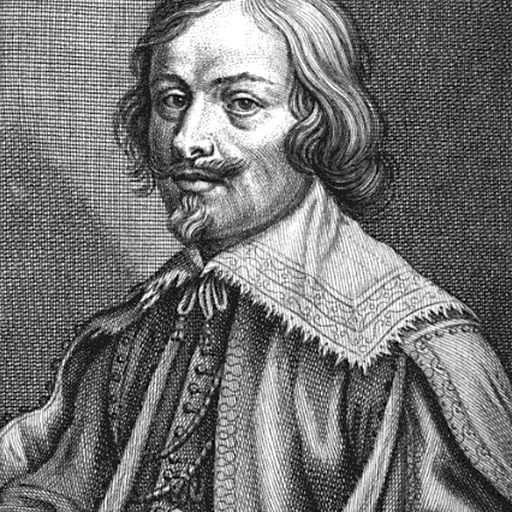
Jacques Callot was a baroque printmaker and draftsman from the Duchy of Lorraine.

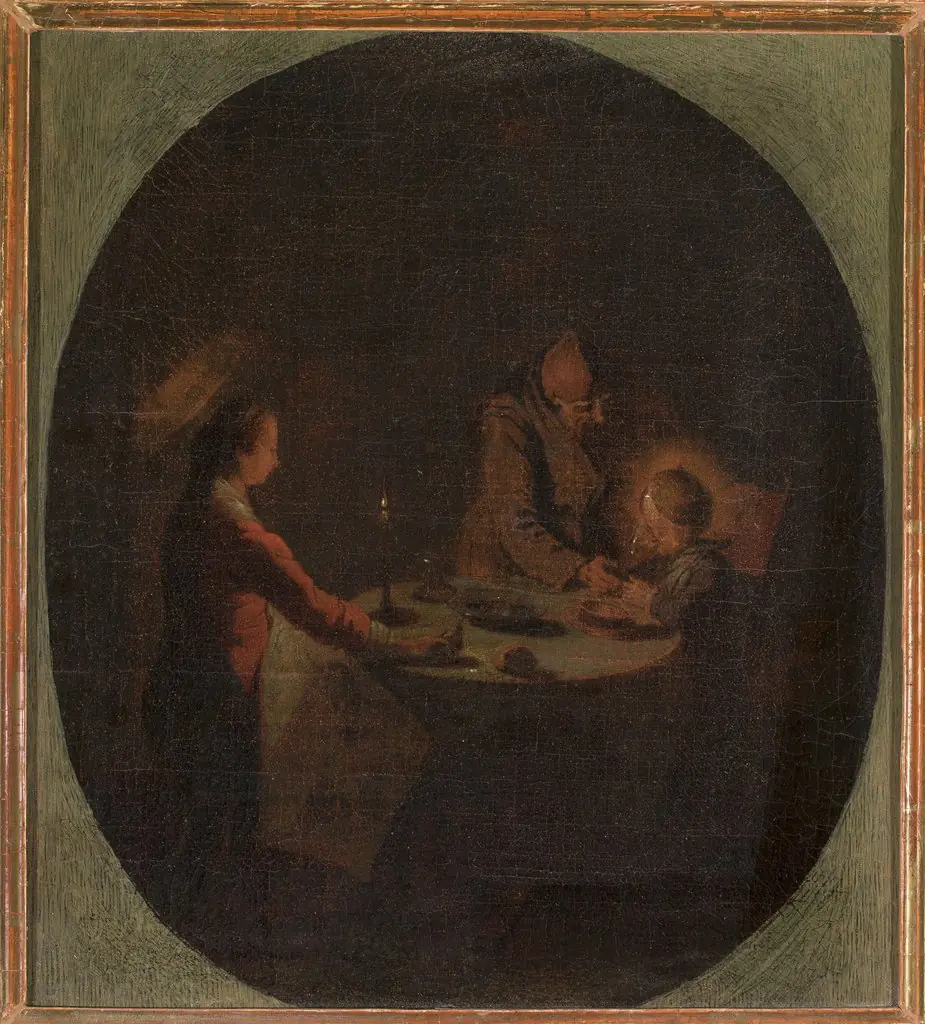 Holy Family at supper
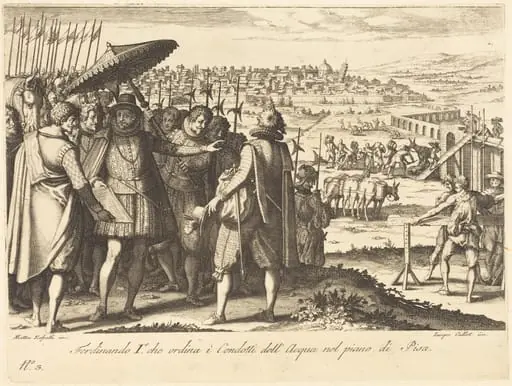 Restoration of the Aqueduct at Pisa
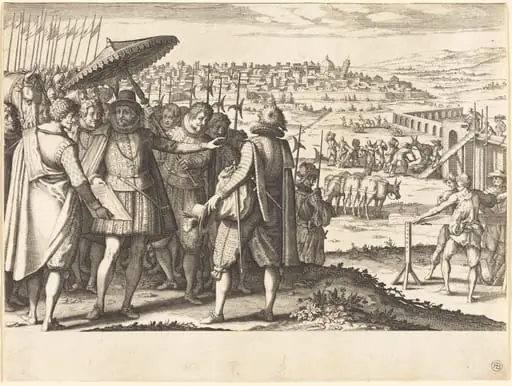 Restoration of the Aqueduct at Pisa
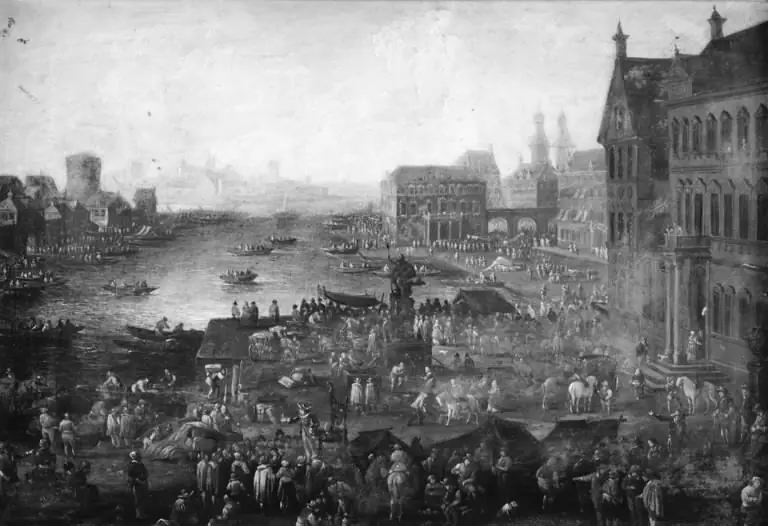 Square in Paris with Many Figures
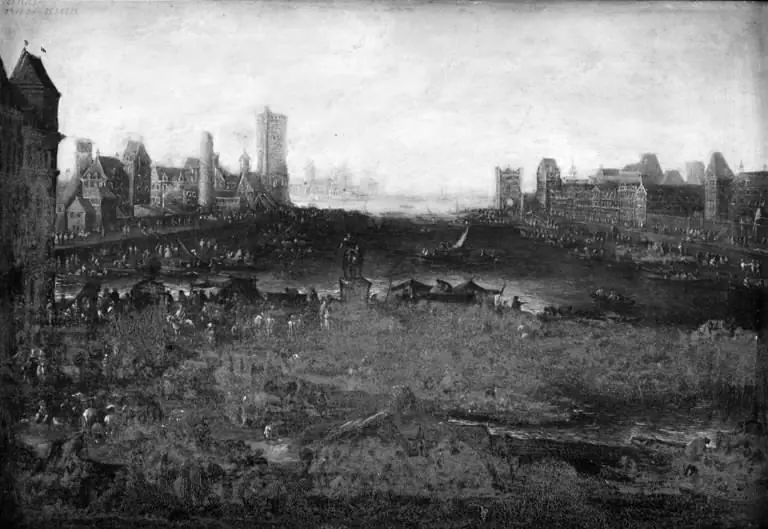 Square in Paris with Many Figures
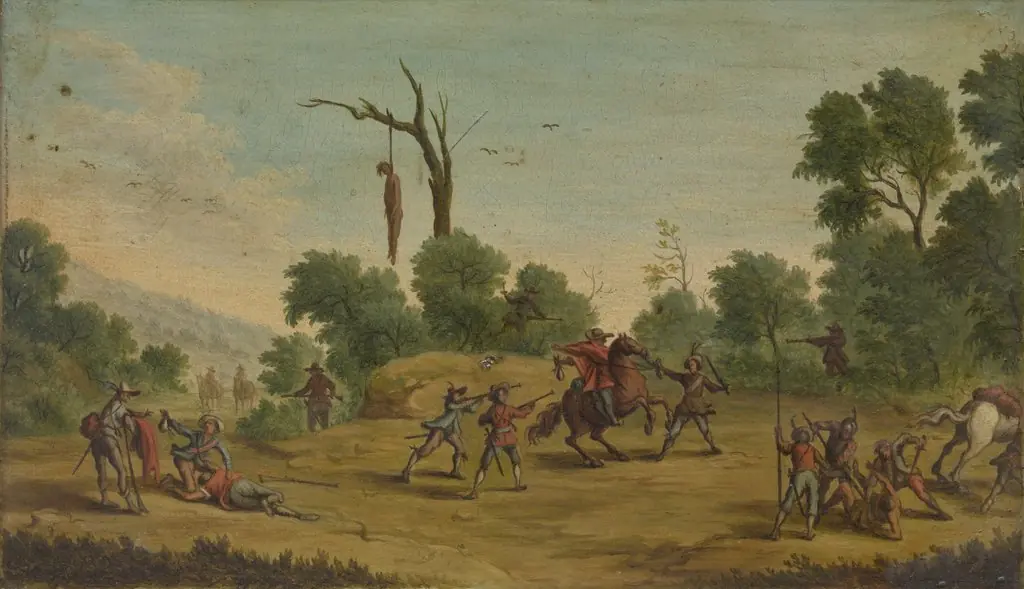 Horsemen Attacked by Robbers
 HOW WILL A COVERED PART BE CORRECTED?HOW WIKA A COVERED HEART DEED CORRECTED?
![Christ Walking on the Water [second plate], by Jacques Callot](https://artifactworldgallery.com/img/jacques-callot--christ-walking-on-the-water-second-plate--2069f3bfe4cb2126-w320.webp) Christ Walking on the Water [second plate]
Christ Walking on the Water [second plate]
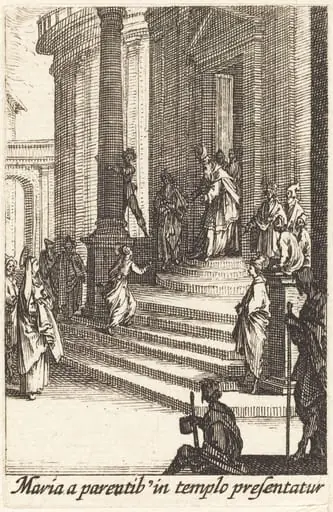 The Presentation of the Virgin
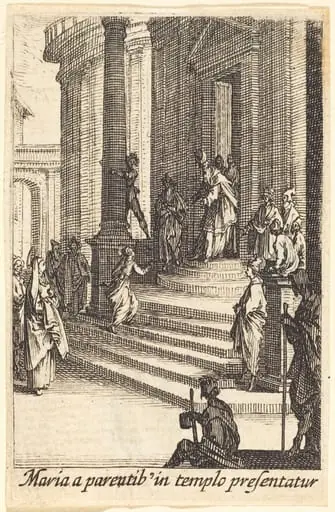 The Presentation of the Virgin
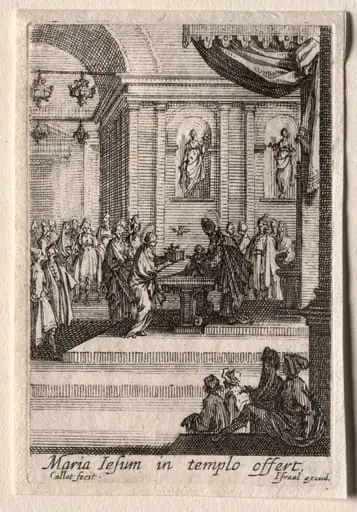 The Life of the Virgin: The Presentation of Christ in the Temple
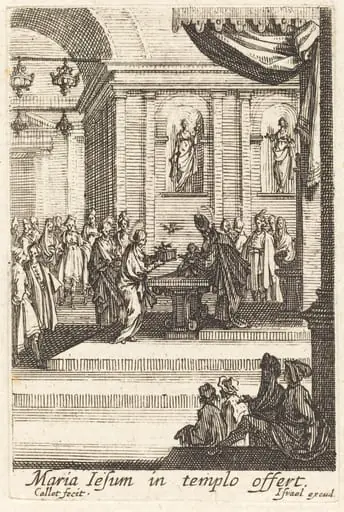 The Virgin Presents Jesus at the Temple
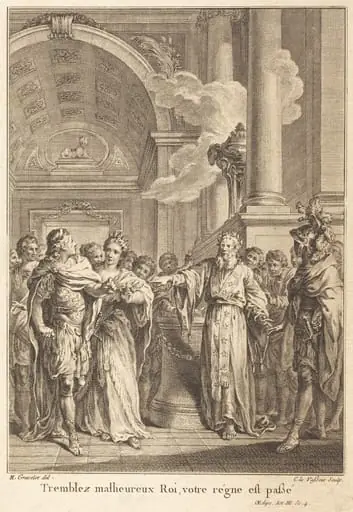 Tremblez malheureux Roi, votre régne est passé
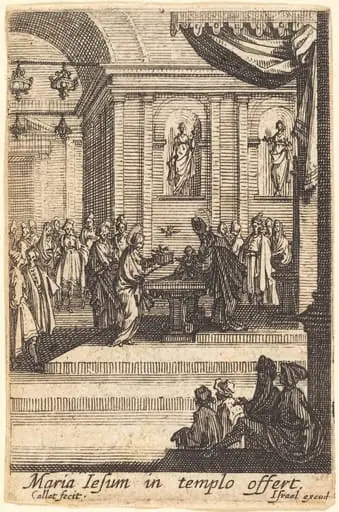 The Virgin Presents Jesus at the Temple
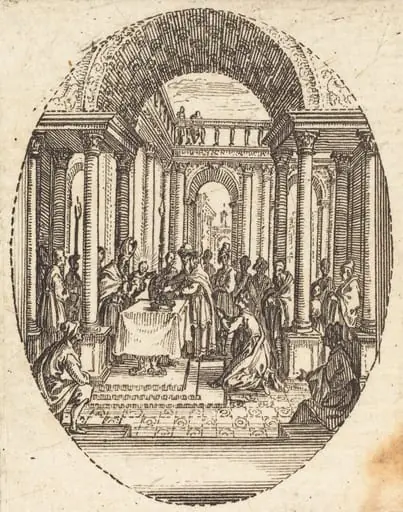 Presentation in the Temple
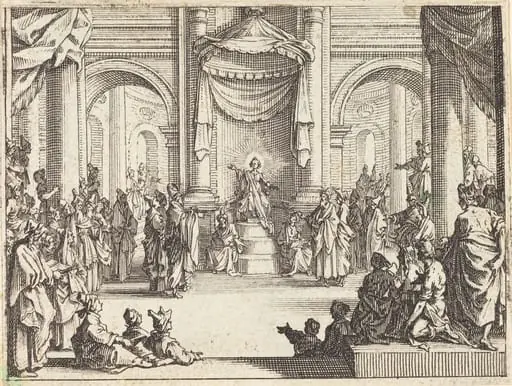 Christ Disputing with the Doctors
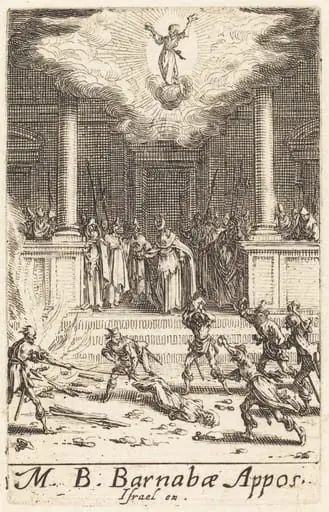 The Martyrdom of Saint Barnabas