Artwork
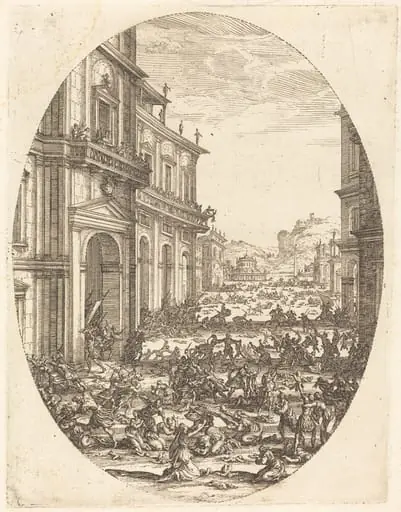
The Massacre of the Innocents
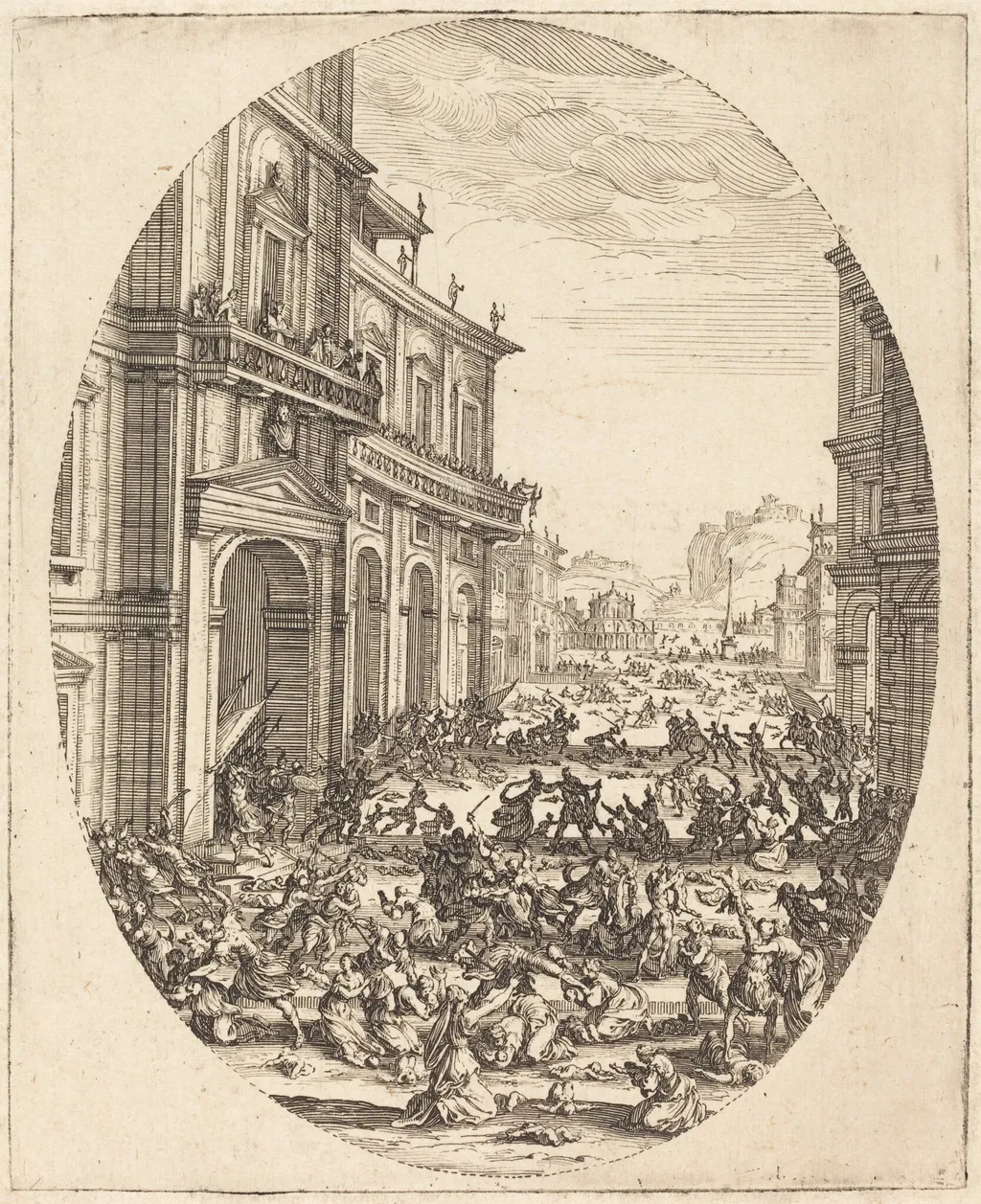
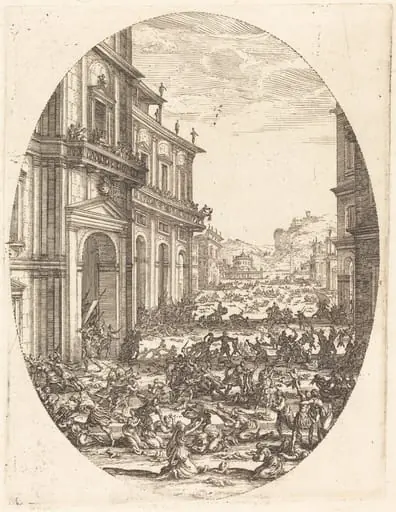
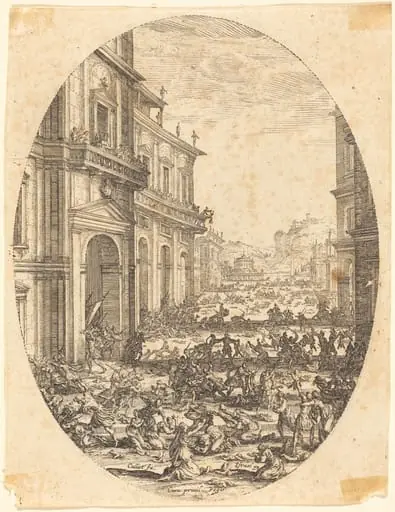
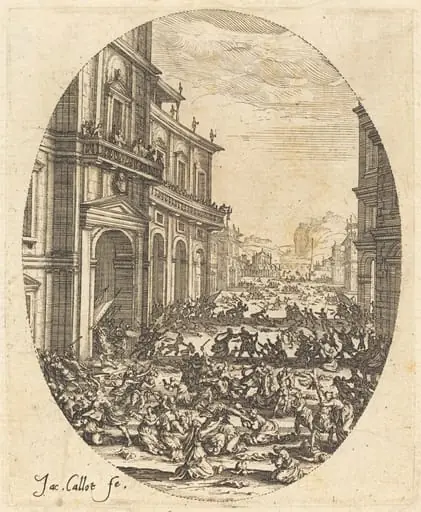
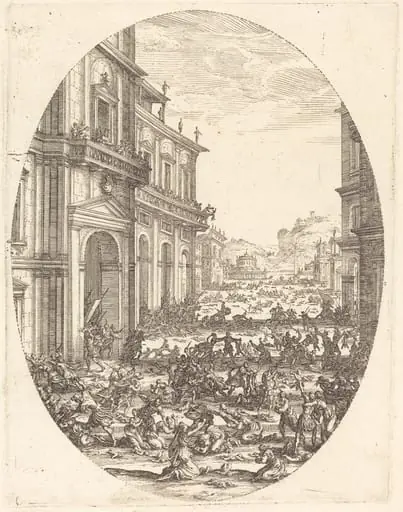
The Massacre of the Innocents is an ink print by the Baroque artist Jacques Callot. It dates from 1622 and is held in the collection of the National Gallery of Art.
About this work
Overview
As one of over 1,400 prints by the Lorrainer artist, it reflects his focus on dramatic historical and religious narratives rendered with meticulous detail.
Created around 1622 by Jacques Callot, this etching on laid paper depicts a violent episode from the biblical story of Herod’s order to kill infant boys in Bethlehem. As one of over 1,400 prints by the Lorrainer artist, it reflects his focus on dramatic historical and religious narratives rendered with meticulous detail. The work belongs to a series of etchings that capture moments of human suffering and social upheaval, showcasing Callot’s technical precision and narrative intensity.
Subject & Meaning
The scene illustrates the biblical Massacre of the Innocents, where Roman soldiers, under Herod’s command, slaughter children in a crowded urban setting. Figures scramble in terror—mothers clutching infants, soldiers on horseback charging through archways—conveying chaos and helplessness. The inclusion of architectural elements like columns and a central fountain grounds the violence in a recognizable, lived-in world, reinforcing the tragedy’s immediacy and human cost.
Technique & Style
Callot employed fine, incised lines to build dense, dynamic compositions, exploiting the etching medium’s capacity for sharp detail. The paper’s laid texture enhances the tactile quality of the lines, which surge with urgency across the surface. Every corner is filled with motion: fleeing bodies, flailing limbs, and fragmented architecture. His use of overlapping forms and layered space creates a sense of claustrophobic urgency, achieved through controlled yet energetic engraving.
History & Provenance
The print emerged during Callot’s time in Florence, where he was influenced by Italian art and the political tensions of the Thirty Years’ War. Though rooted in a biblical narrative, its visceral depiction of violence likely resonated with contemporary audiences familiar with wartime atrocities. The work circulated widely among collectors and artists, contributing to Callot’s reputation as a chronicler of conflict and civilian suffering.
Context
In early 17th-century Europe, etching became a favored medium for documenting both sacred stories and real-world violence. Callot’s work aligned with a broader trend of using print to convey moral and political messages. His detailed scenes of war and persecution reflected growing public awareness of the brutality of the Thirty Years’ War, transforming religious imagery into a vehicle for social commentary.
Legacy
Callot’s etching influenced later artists in their depiction of violence and crowd dynamics, particularly in the tradition of narrative printmaking. His technical innovations in line control and compositional density set a standard for expressive etching. Though not widely exhibited in his lifetime, the work endured in private collections and academic studies, securing its place as a significant example of Baroque print culture.
Artist & collection
Artist
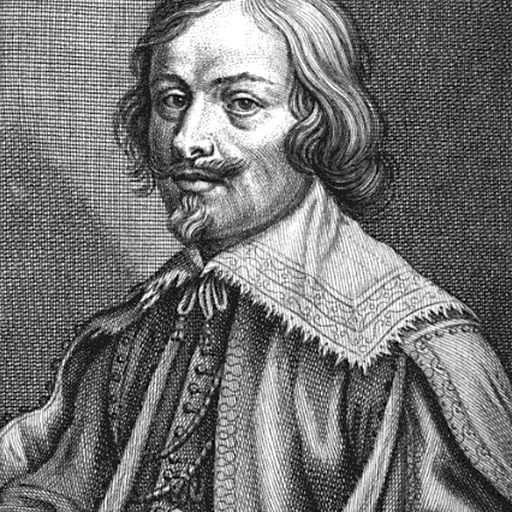
Jacques Callot was a baroque printmaker and draftsman from the Duchy of Lorraine.

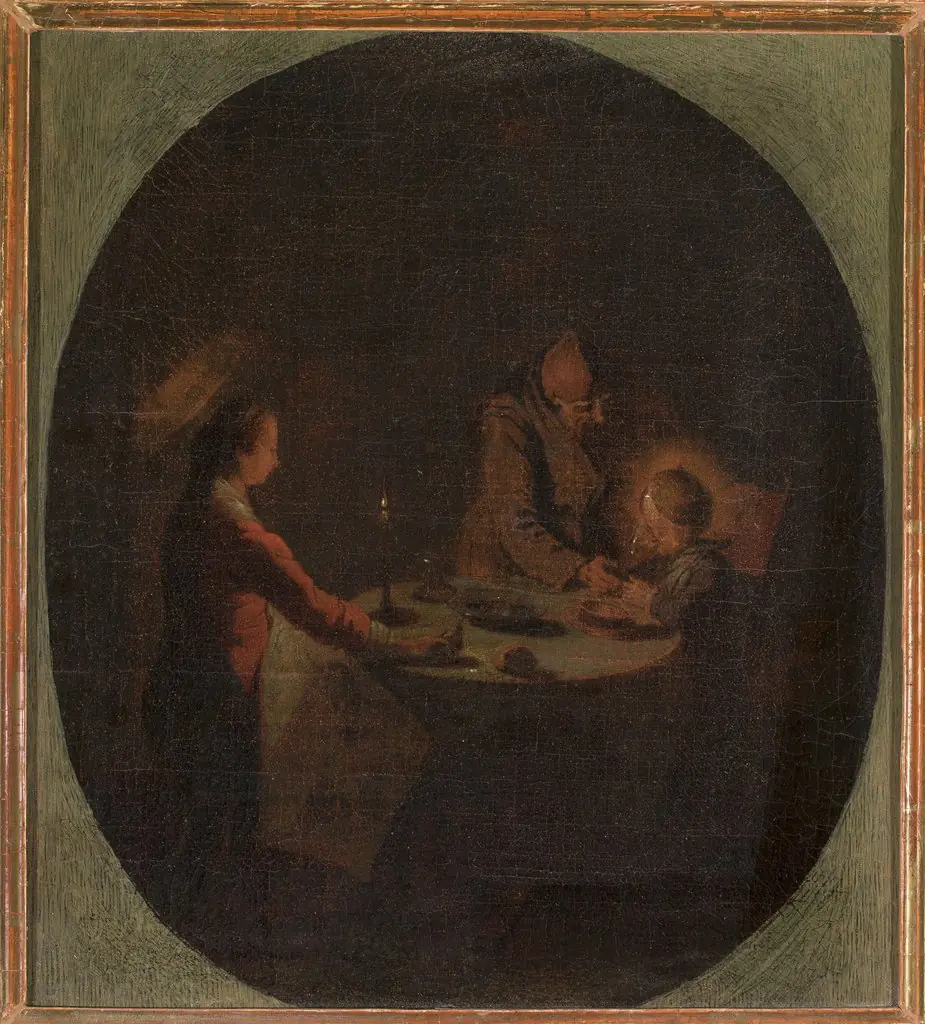 Holy Family at supper
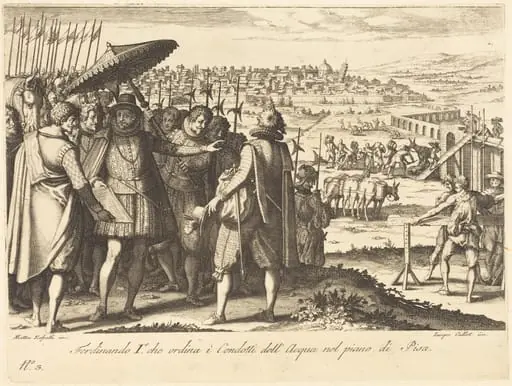 Restoration of the Aqueduct at Pisa
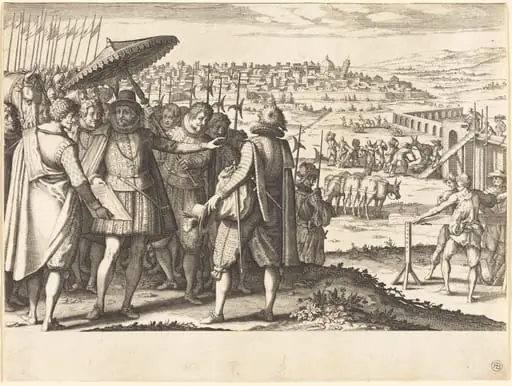 Restoration of the Aqueduct at Pisa
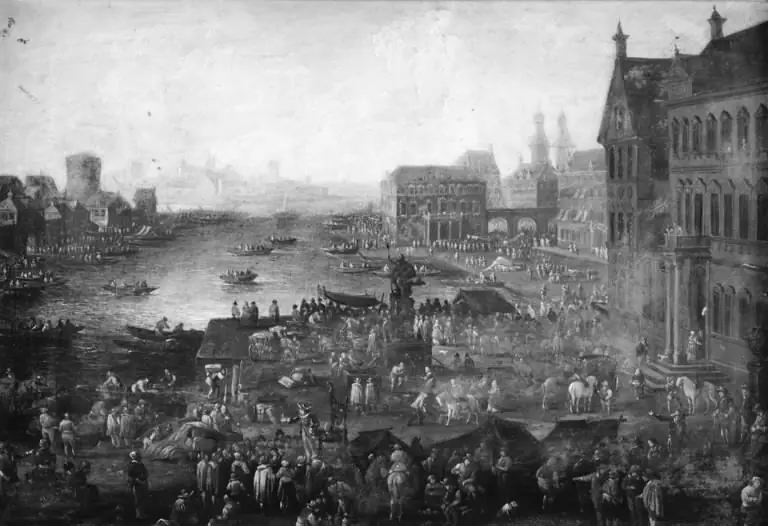 Square in Paris with Many Figures
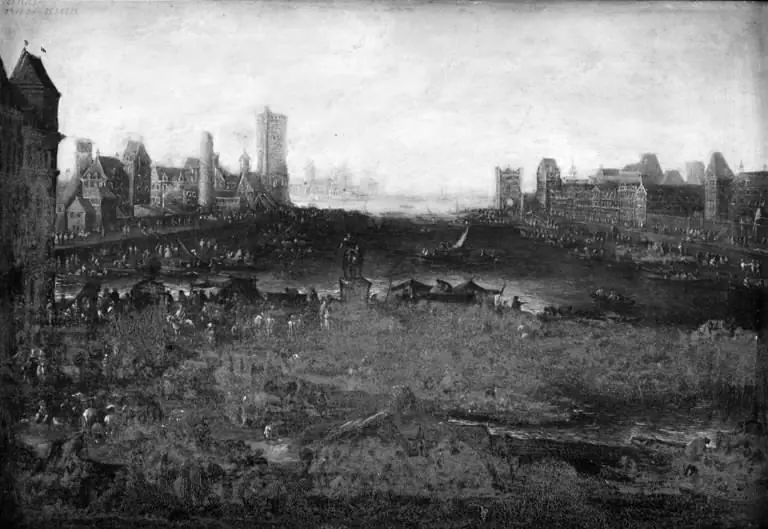 Square in Paris with Many Figures
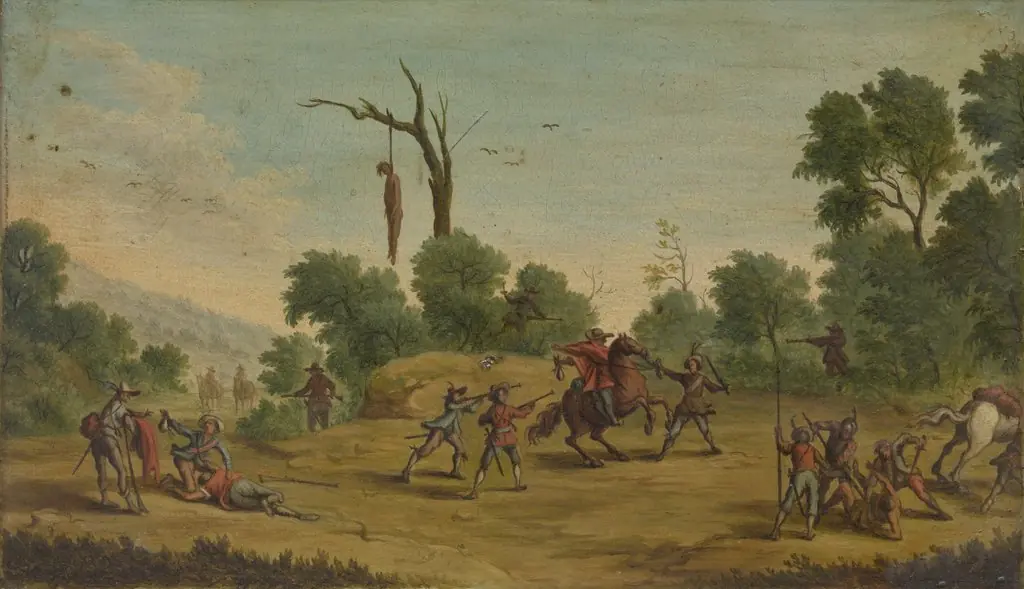 Horsemen Attacked by Robbers
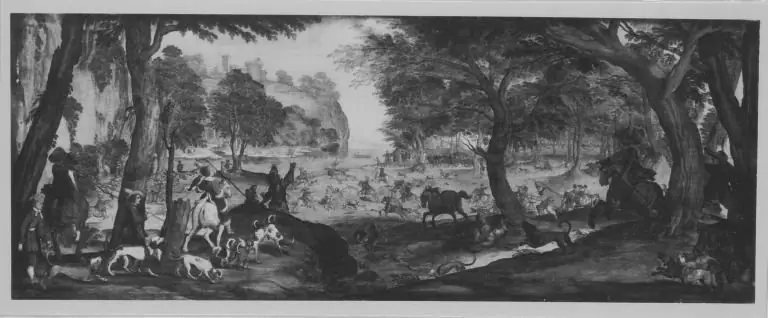 HOW WILL A COVERED PART BE CORRECTED?HOW WIKA A COVERED HEART DEED CORRECTED?
![Christ Walking on the Water [second plate], by Jacques Callot](https://artifactworldgallery.com/img/jacques-callot--christ-walking-on-the-water-second-plate--2069f3bfe4cb2126-w320.webp) Christ Walking on the Water [second plate]
Christ Walking on the Water [second plate]