Artwork
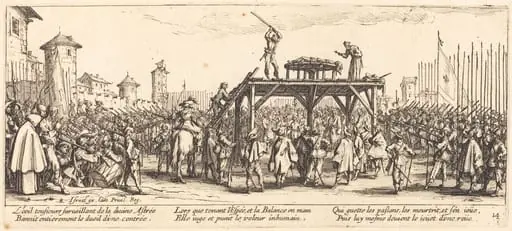
The Strappado
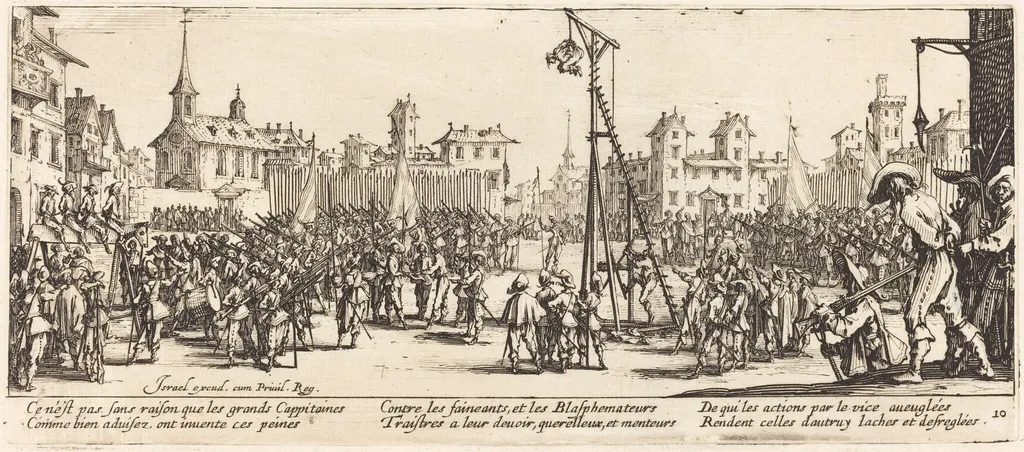
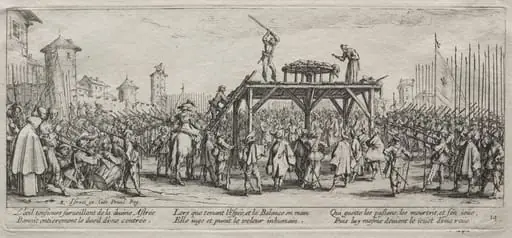
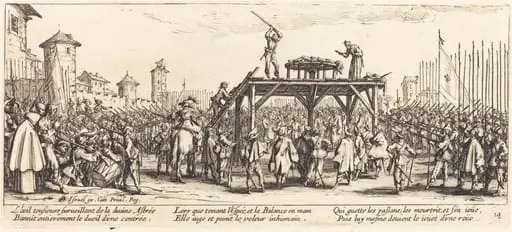
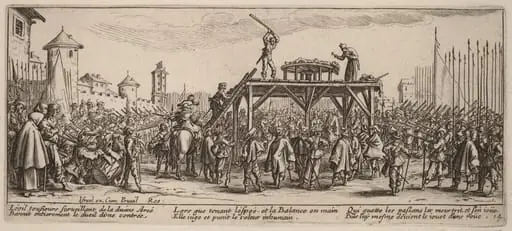
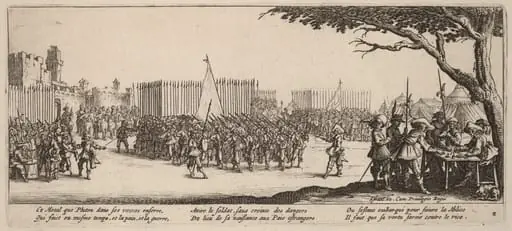
The Strappado is an ink print by the Baroque artist Jacques Callot. It dates from 1633 and is held in the collection of the National Gallery of Art.
About this work
Overview
Jacques Callot, a French printmaker active in the early 17th century, produced the etching *The Strappado* circa 1633. Executed on laid paper, the work belongs to his extensive series of graphic records that document the harsh realities of his time, particularly the violence associated with the Thirty Years’ War.
Subject & Meaning
The image depicts a man suspended by his wrists, his ankles bound to heavy weights that pull his arms upward. The rope is shown cutting into his skin, and his contorted face conveys acute suffering, offering a stark visual commentary on the brutality of torture.
Technique & Style
Callot employed fine etching lines that are both precise and aggressively incised, giving the surface a texture reminiscent of scratches. The sharp, angular strokes enhance the physical tension of the scene and reflect his skill in rendering intricate detail on a relatively small format.
History & Provenance
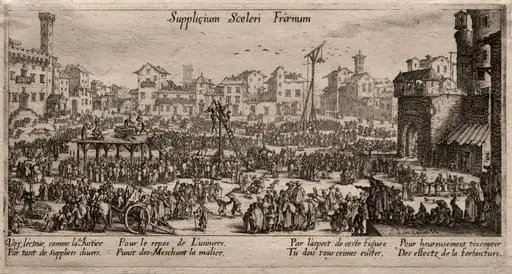
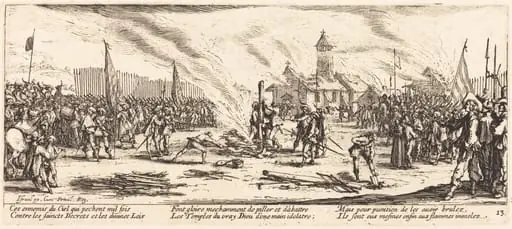
Created during the height of the Thirty Years’ War, the print aligns with Callot’s frequent focus on military prisoners and punitive practices. It forms part of a larger body of work in which he recorded contemporary events, contributing to his reputation as a chronicler of early‑modern conflict.
Context
The *Strappado* belongs to the Baroque period, a time when artists often explored dramatic, emotionally charged subjects. In the Duchy of Lorraine, where Callot worked, the war’s devastation provided ample material for his graphic investigations of suffering and authority.
Artist & collection
Artist
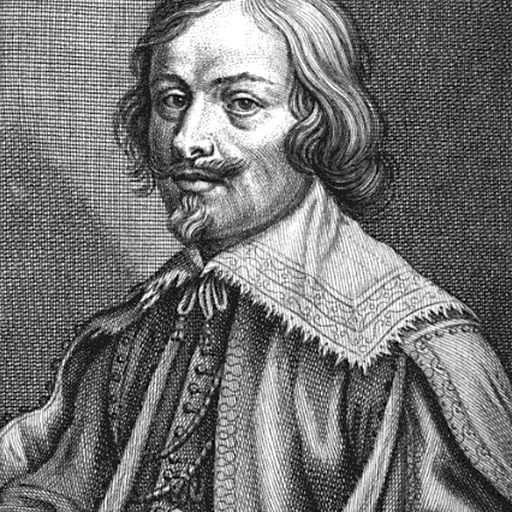
Jacques Callot was a baroque printmaker and draftsman from the Duchy of Lorraine.

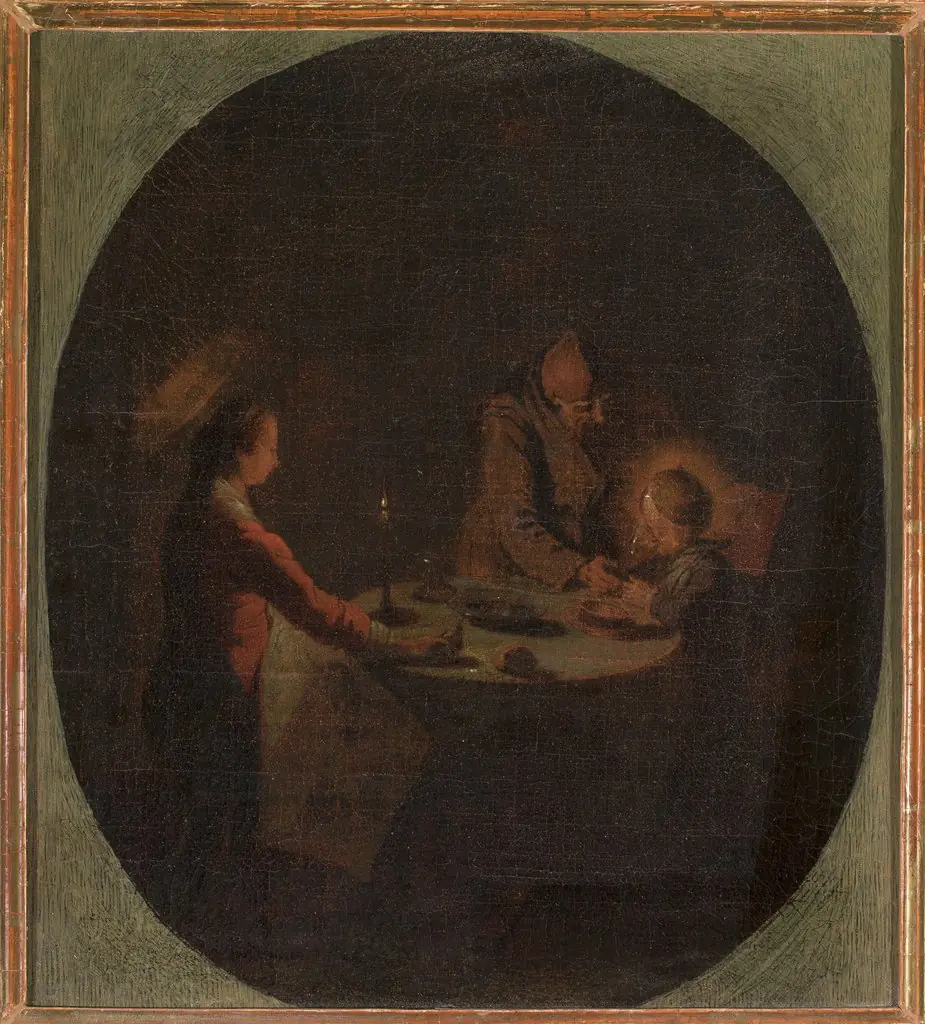 Holy Family at supper
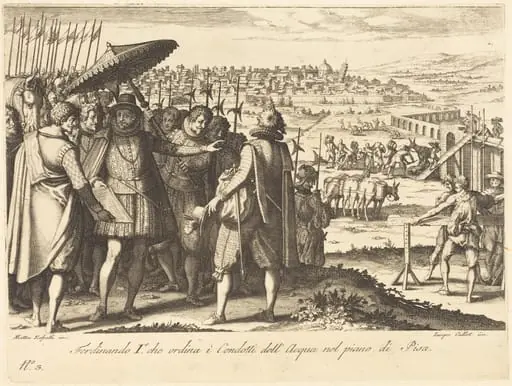 Restoration of the Aqueduct at Pisa
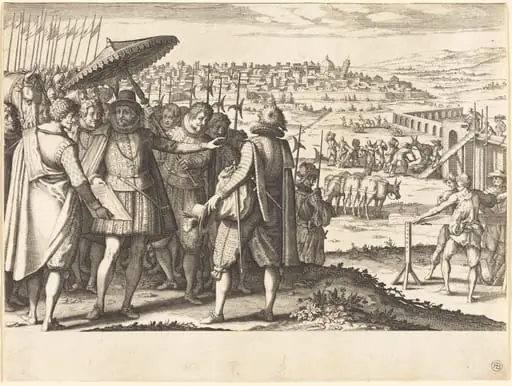 Restoration of the Aqueduct at Pisa
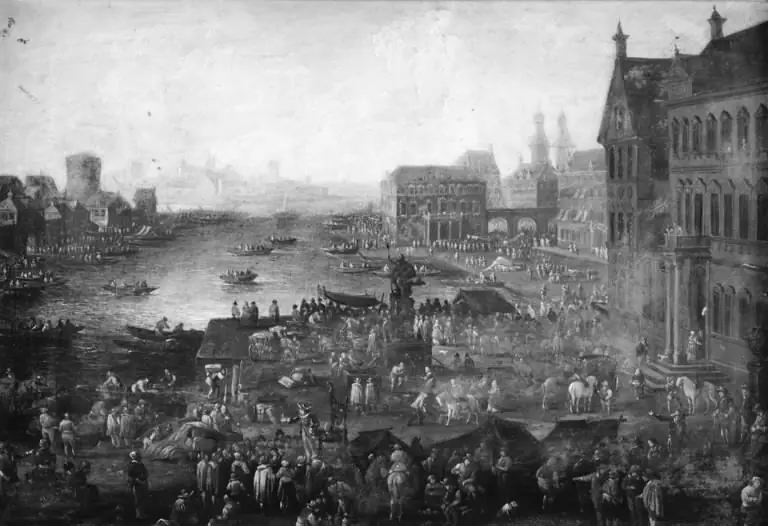 Square in Paris with Many Figures
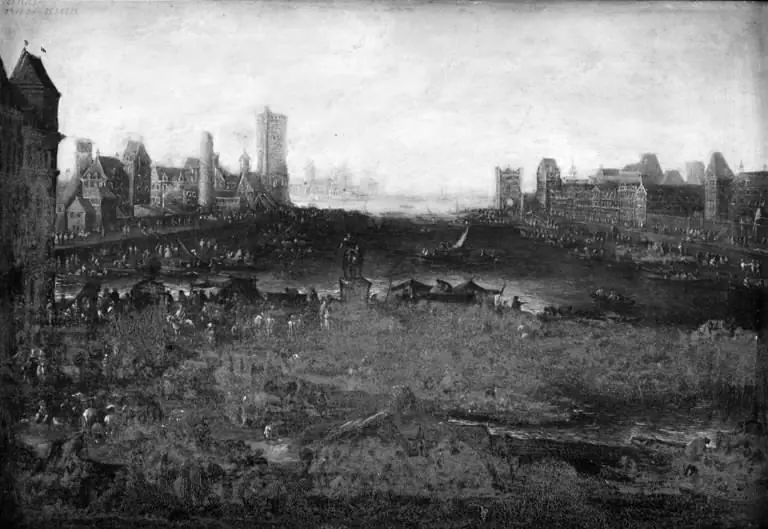 Square in Paris with Many Figures
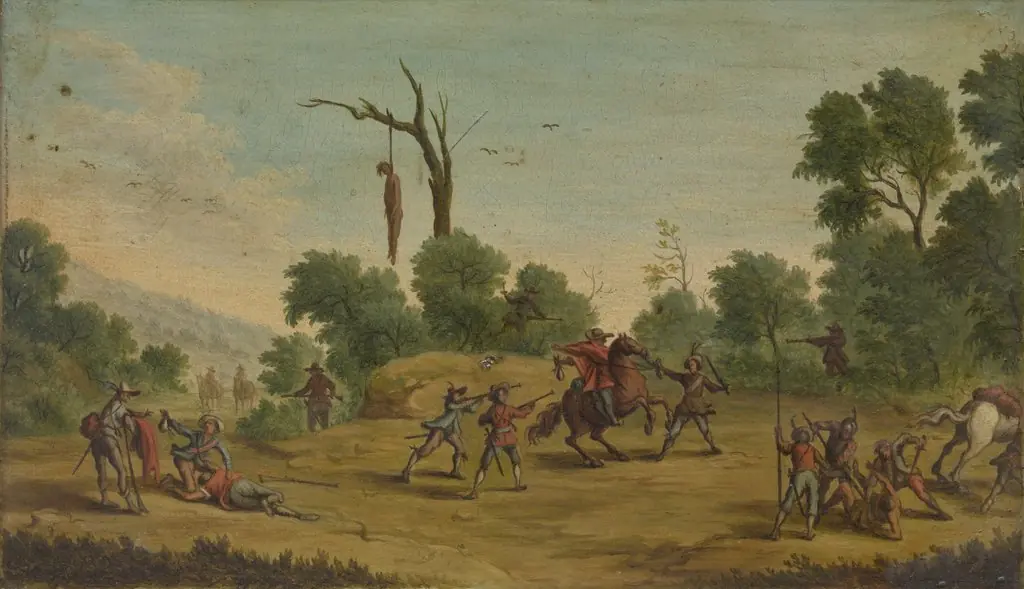 Horsemen Attacked by Robbers
 HOW WILL A COVERED PART BE CORRECTED?HOW WIKA A COVERED HEART DEED CORRECTED?
![Christ Walking on the Water [second plate], by Jacques Callot](https://artifactworldgallery.com/img/jacques-callot--christ-walking-on-the-water-second-plate--2069f3bfe4cb2126-w320.webp) Christ Walking on the Water [second plate]
Christ Walking on the Water [second plate]
![Journée du 16 Octobre 1793 [exécution de Marie-Antoinette], by Antoine-Jean Duclos](https://artifactworldgallery.com/img/antoine-jean-duclos--journee-du-16-octobre-1793-execution-de-marie-antoinette--73c01cea870190cc-w320.webp)