Artwork
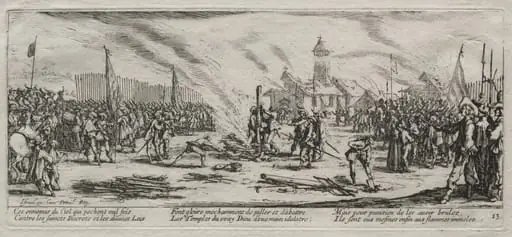
The Stake
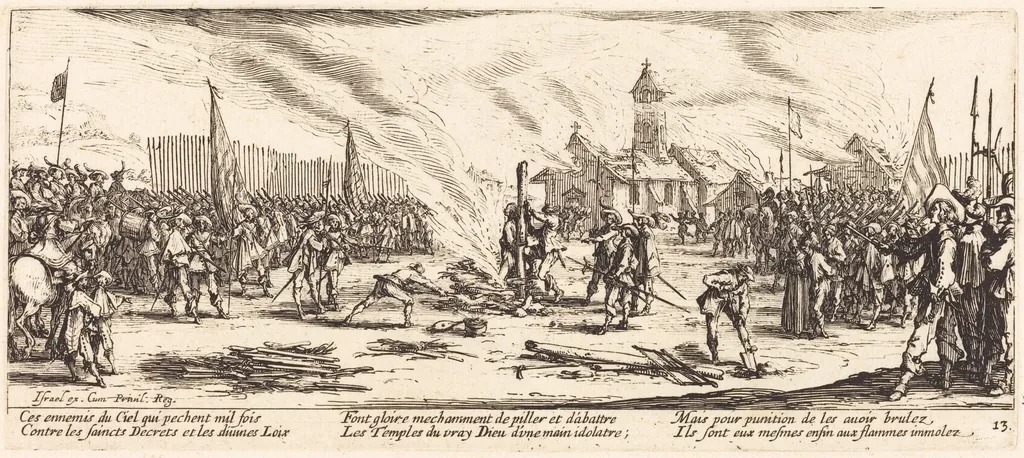
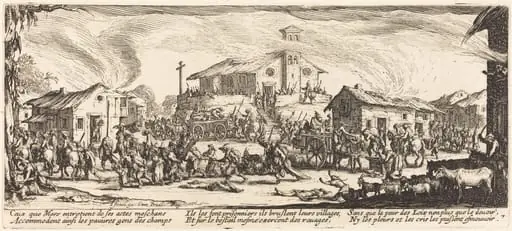
The Stake is an ink print by the Baroque artist Jacques Callot. It dates from 1633 and is held in the collection of the National Gallery of Art.
About this work
Overview
The Stake is an etching on laid paper created by French baroque printmaker Jacques Callot around 1633. Characteristic of his prolific output, the work showcases his ability to capture dynamic scenes through precise printmaking techniques.
Subject & Meaning
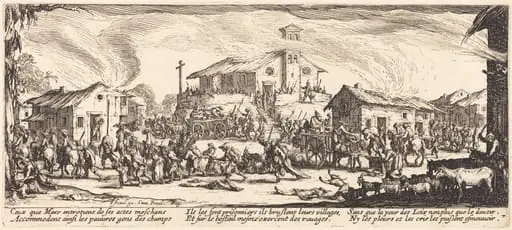
The etching depicts a chaotic scene of a crowd surrounding a burning structure, with figures being dragged towards the flames. Accompanying French text at the bottom describes the punishment of 'enemies of Heaven', suggesting a religious or heretical context.
Technique & Style
Callot employed sharp, dramatic lines to convey movement and tension in the scene. The use of etching on laid paper allowed for the detailed, high-contrast rendering of the chaotic crowd, debris, and the prominent background church spire.
History & Provenance
Created in the early 17th century, The Stake is part of Callot's extensive documentation of contemporary life, spanning secular, religious, and often detailed landscape subjects across over 1,400 etchings.
Context
The work reflects the baroque period's emphasis on dramatic expression and the artist's interest in recording both everyday and extraordinary events of his time, including those with religious connotations.
Artist & collection
Artist
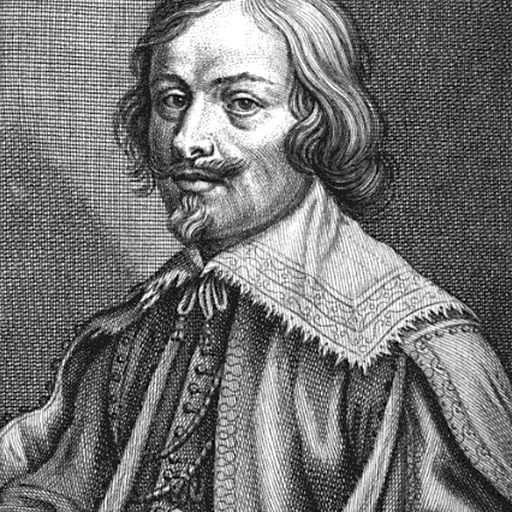
Jacques Callot was a baroque printmaker and draftsman from the Duchy of Lorraine.

 Holy Family at supper
 Restoration of the Aqueduct at Pisa
 Restoration of the Aqueduct at Pisa
 Square in Paris with Many Figures
 Square in Paris with Many Figures
 Horsemen Attacked by Robbers
 HOW WILL A COVERED PART BE CORRECTED?HOW WIKA A COVERED HEART DEED CORRECTED?
![Christ Walking on the Water [second plate], by Jacques Callot](https://artifactworldgallery.com/img/jacques-callot--christ-walking-on-the-water-second-plate--2069f3bfe4cb2126-w320.webp) Christ Walking on the Water [second plate]
Christ Walking on the Water [second plate]