Artwork
Orientalischer Hausrat
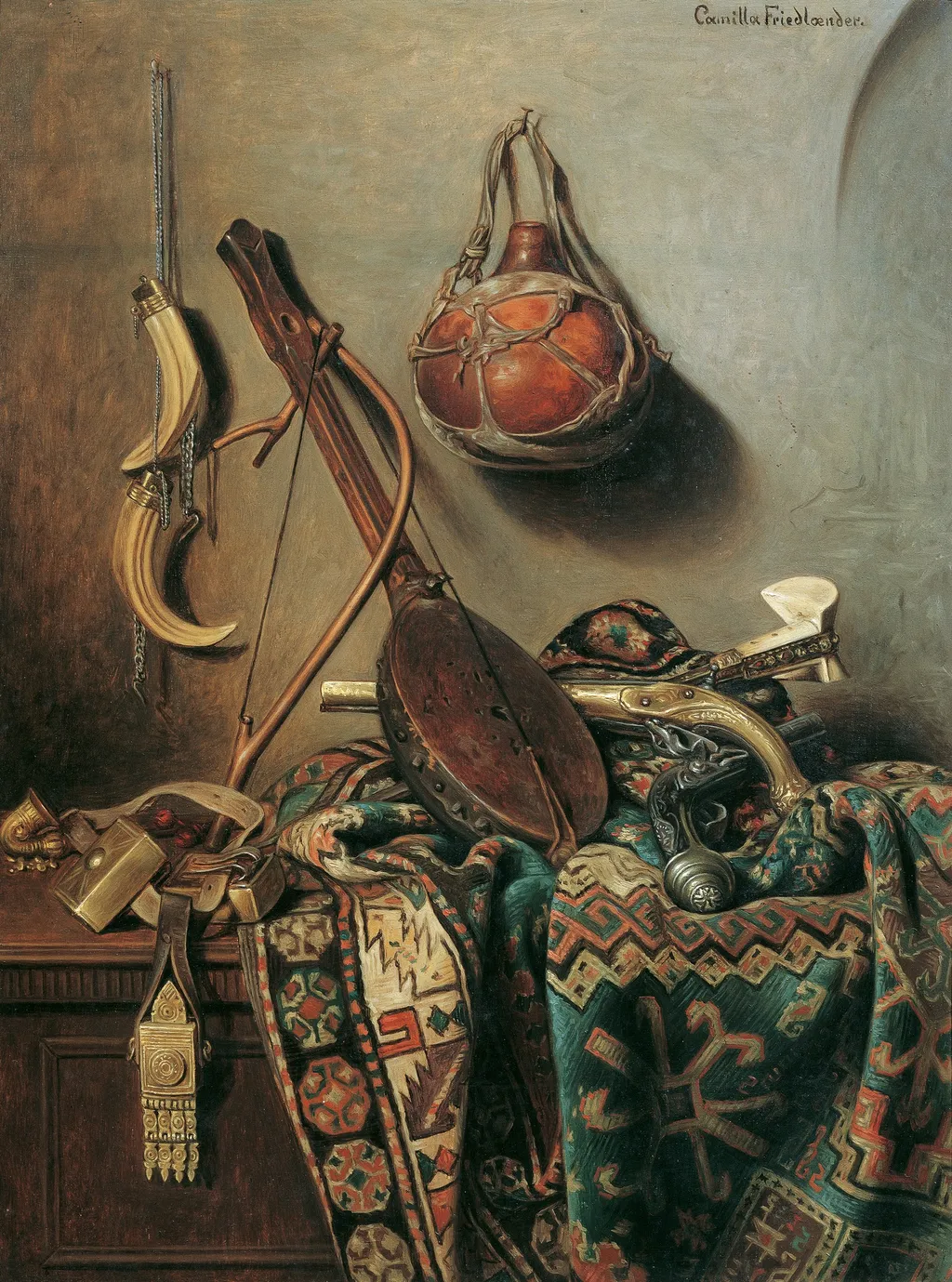
Orientalischer Hausrat is an oil painting by the Impressionist artist Camilla Friedländer. It dates from 1896 and is held in the collection of the Kunsthistorisches Museum.
About this work
Overview
Though linked to Impressionist tendencies through its light handling, the work leans more toward quiet observation than movement or atmosphere.
Camilla Friedländer, an Austrian artist known for her domestic still lifes, completed *Orientalischer Hausrat* in 1896 using oil on canvas. The painting belongs to the Kunsthistorisches Museum’s collection and reflects her interest in arranged interior objects. Though linked to Impressionist tendencies through its light handling, the work leans more toward quiet observation than movement or atmosphere.
Subject & Meaning
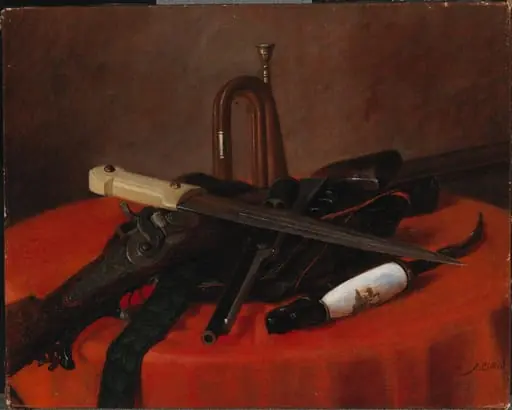
The composition presents a collection of everyday items—possibly from the Middle East or North Africa—arranged on a draped textile. A stringed instrument, a woven bag, and indistinct vessels lie atop a patterned rug. The objects suggest cultural exchange or personal curiosity, but no narrative is imposed. Their arrangement invites contemplation rather than storytelling, emphasizing material presence over symbolic meaning.
Technique & Style
Friedländer employed subtle tonal gradations and soft, diffused lighting to render textures with quiet precision. The rug’s woven surface contrasts with the smooth curvature of the instrument and the matte finish of the bag. Colors remain restrained—earthy browns, ochres, and muted greens—creating a sense of intimacy. Brushwork is deliberate but unobtrusive, favoring tactile accuracy over expressive gesture.
History & Provenance
Painted in 1896, the work entered the Kunsthistorisches Museum’s holdings in the early 20th century, likely through acquisition or donation. Friedländer’s oeuvre was modestly exhibited during her lifetime, and this piece remains one of the few documented examples of her still-life output. Its preservation reflects institutional interest in women artists of the period, though it was never widely reproduced or publicly highlighted.
Context
In late 19th-century Vienna, interest in Eastern artifacts grew among middle-class households, influencing still-life subjects. Friedländer’s choice of objects aligns with this trend, yet her treatment avoids exoticism. Unlike Orientalist paintings focused on grand scenes, she isolates humble items in a domestic setting, reflecting a quieter, more personal engagement with cultural material.
Legacy
Though not widely known outside Austria, *Orientalischer Hausrat* stands as a quiet example of women’s contributions to still-life painting in the Austro-Hungarian Empire. It contributes to a broader understanding of how female artists engaged with material culture without resorting to spectacle. The painting remains a reference point in studies of domestic still life and gendered artistic practice in the period.
Own this work as a print
Artist & collection
Artist
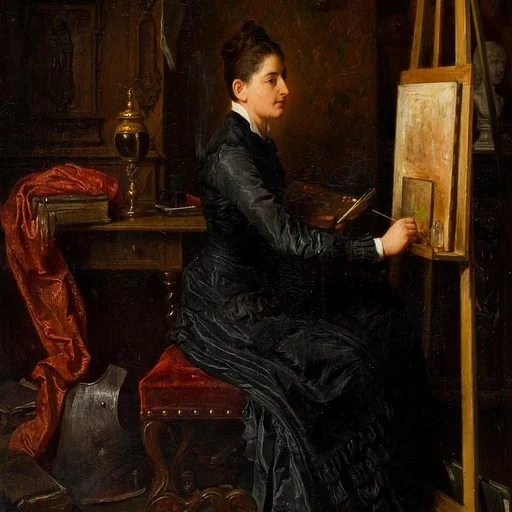
Camilla Friedlander later Camilla Edle von Malheim Friedländer (1856−1928) was an Austrian painter. She was known for her still lifes.

 Aseasetelma
 Still Life with Bagpipes
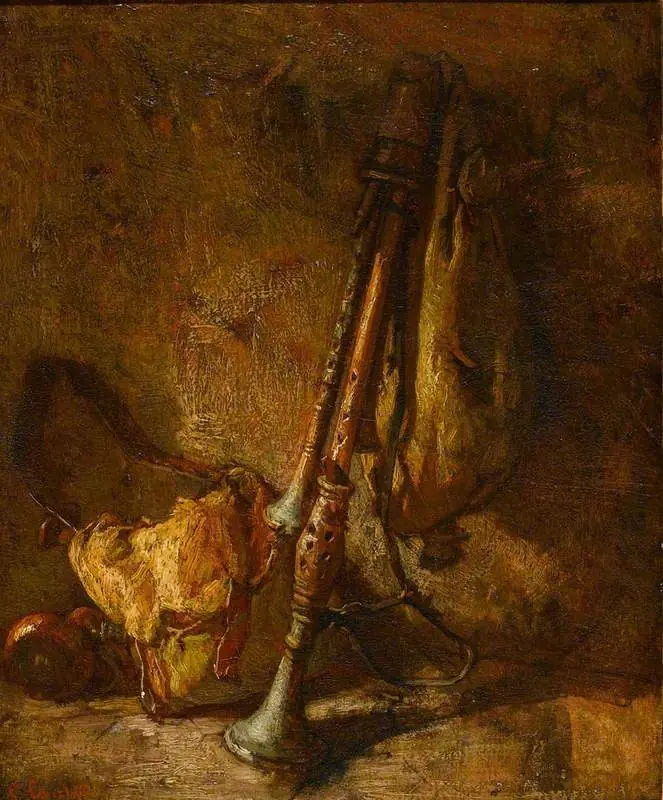 Still Life with a Cornemuse
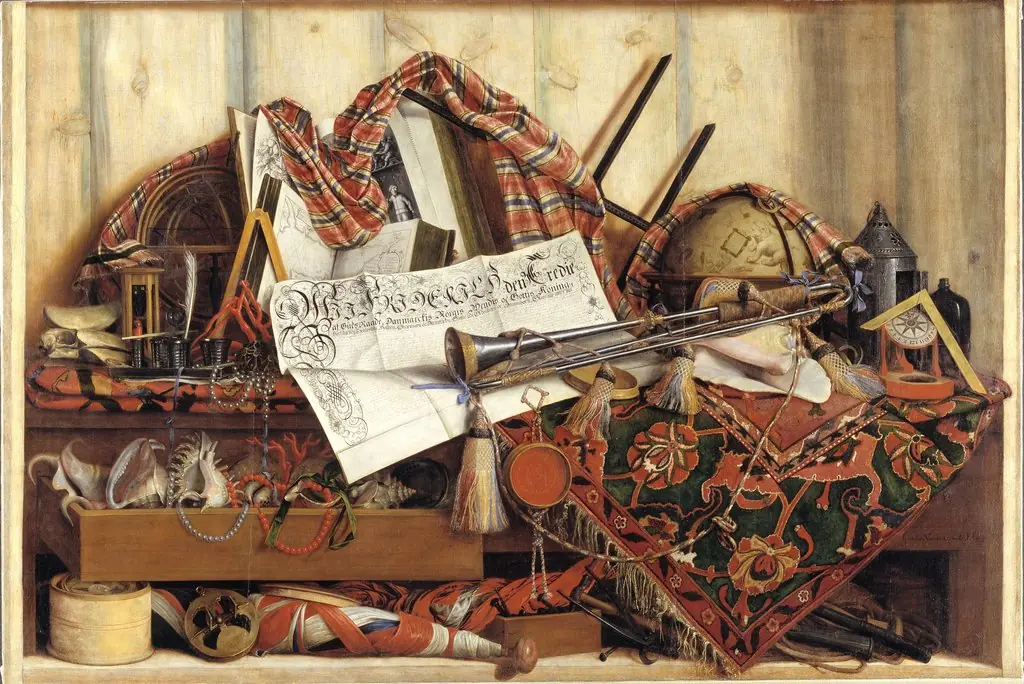 Trompe l'Oeil with Trumpet, Celestial Globe and Proclamation by Frederik III
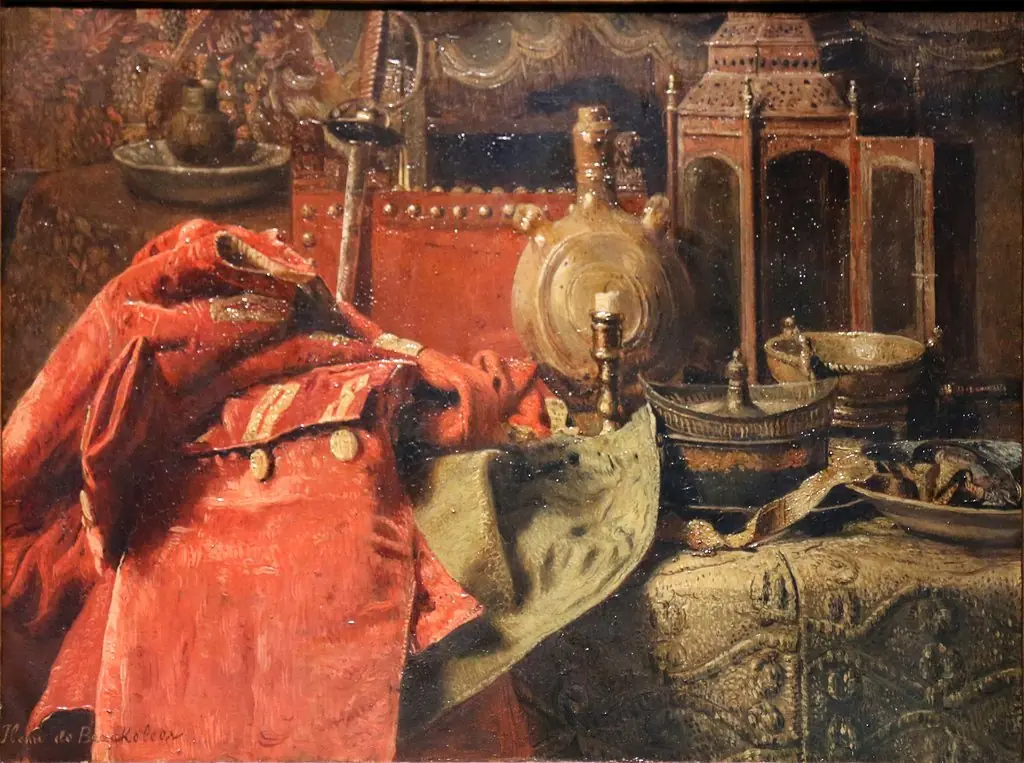 The red coat
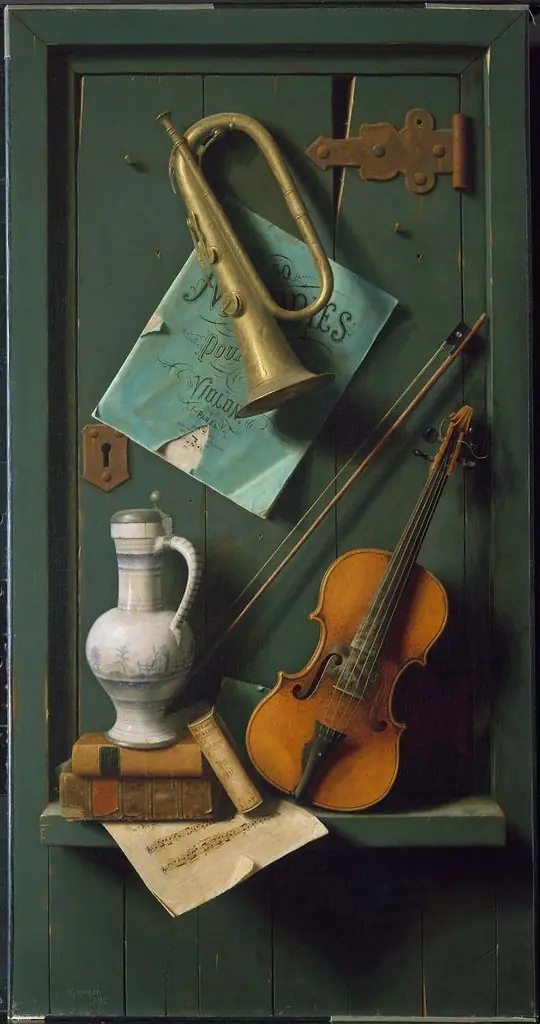 Old Models
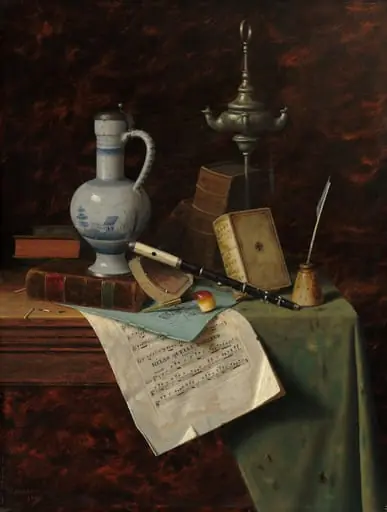 My Gems
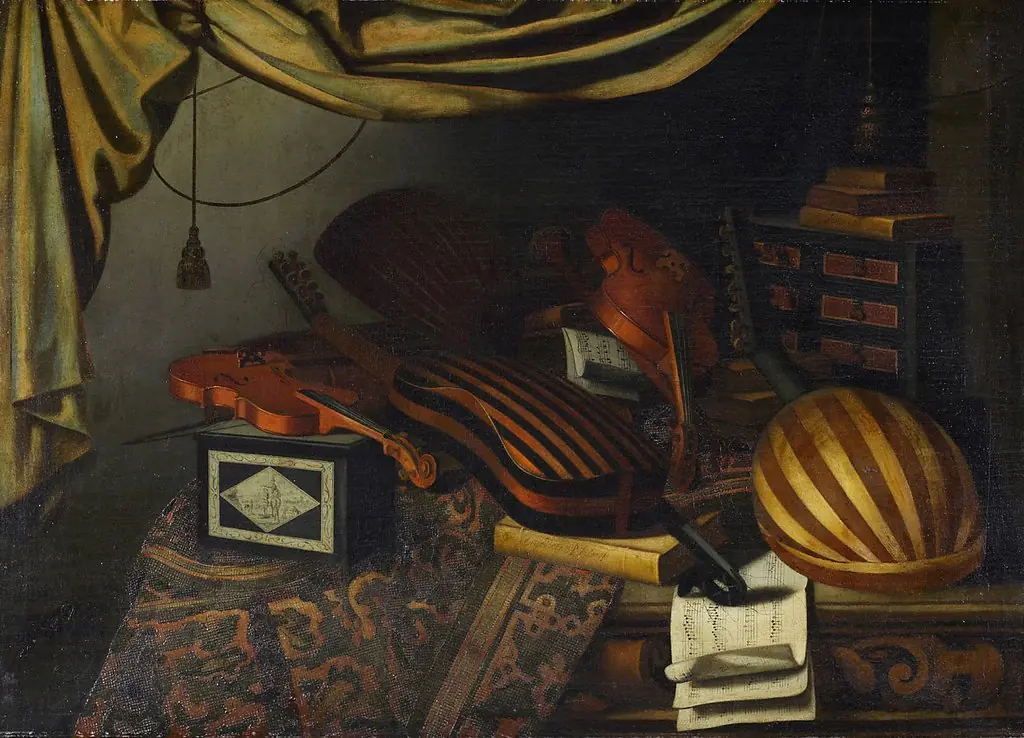 Stilleben mit Musikinstrumenten, Notenblättern und Büchern
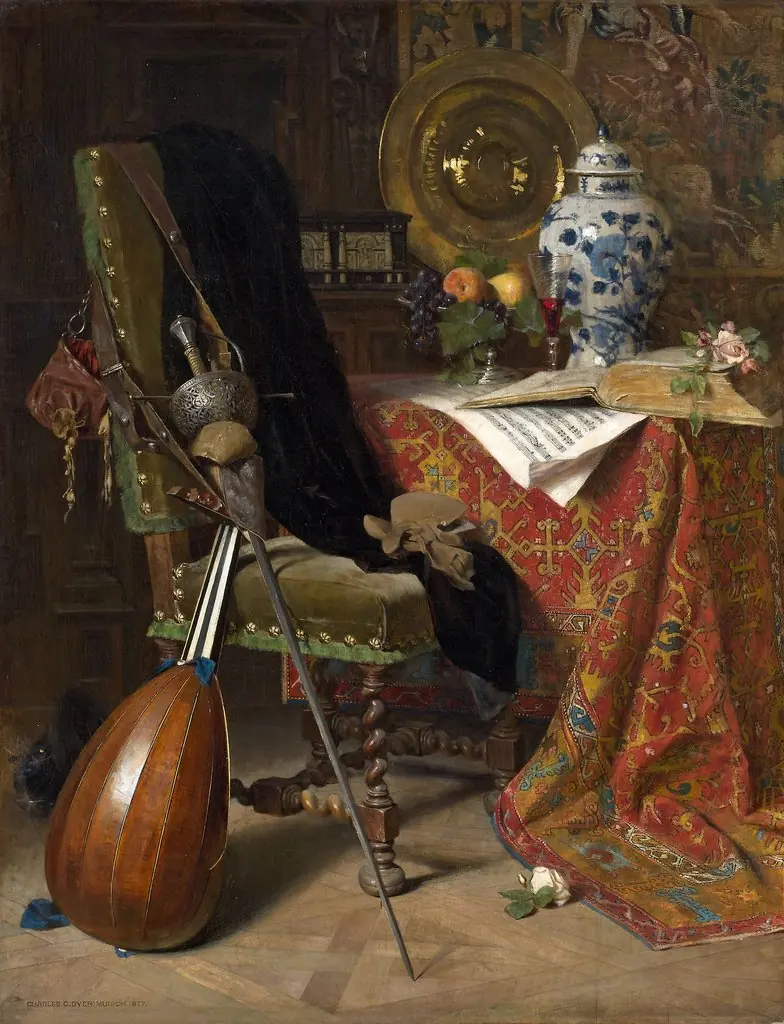 Seventeenth-Century Interior
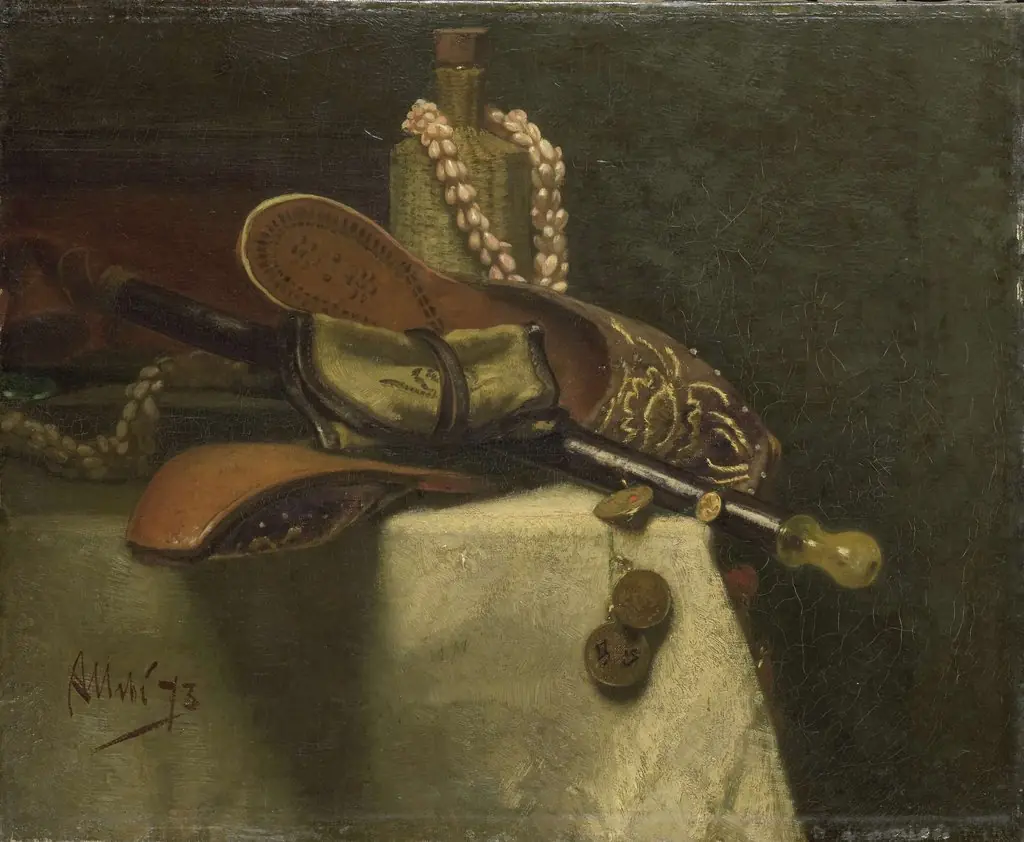 Still Life with Oriental Slippers
 Asetelma
 Still Life with Violin