Artwork
Still Life with a Cornemuse
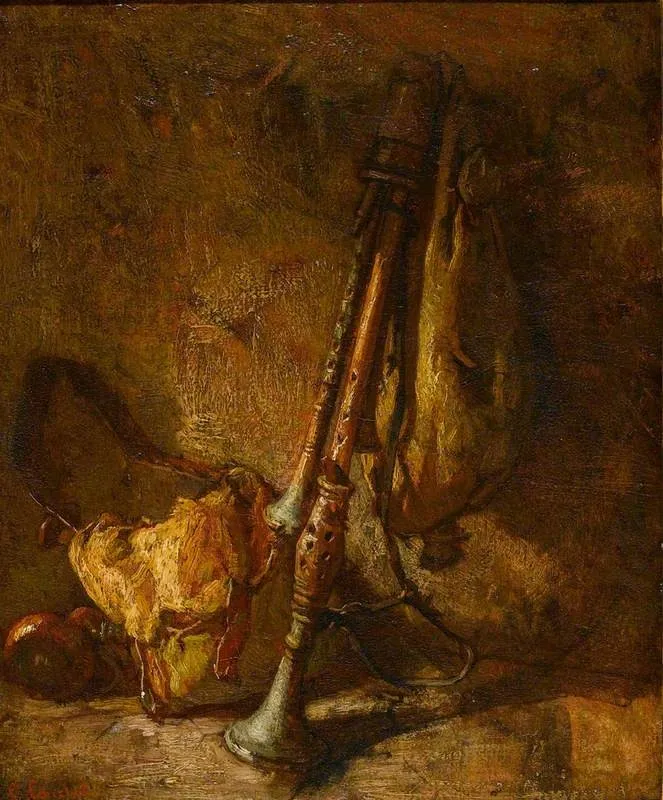
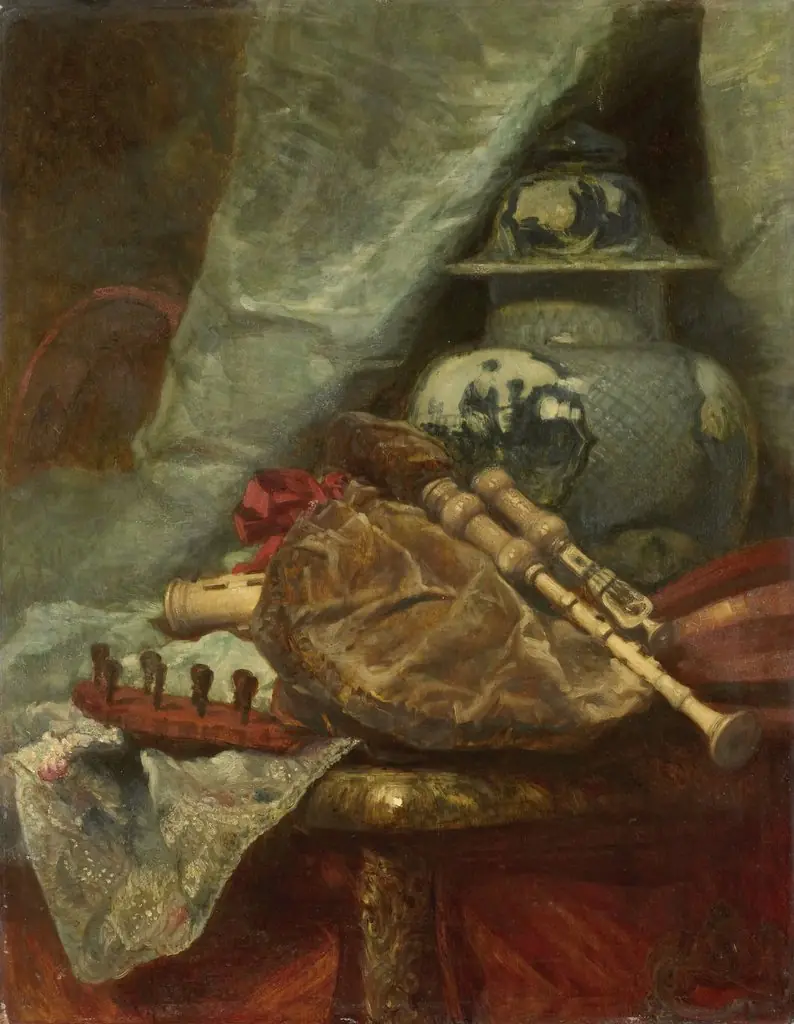
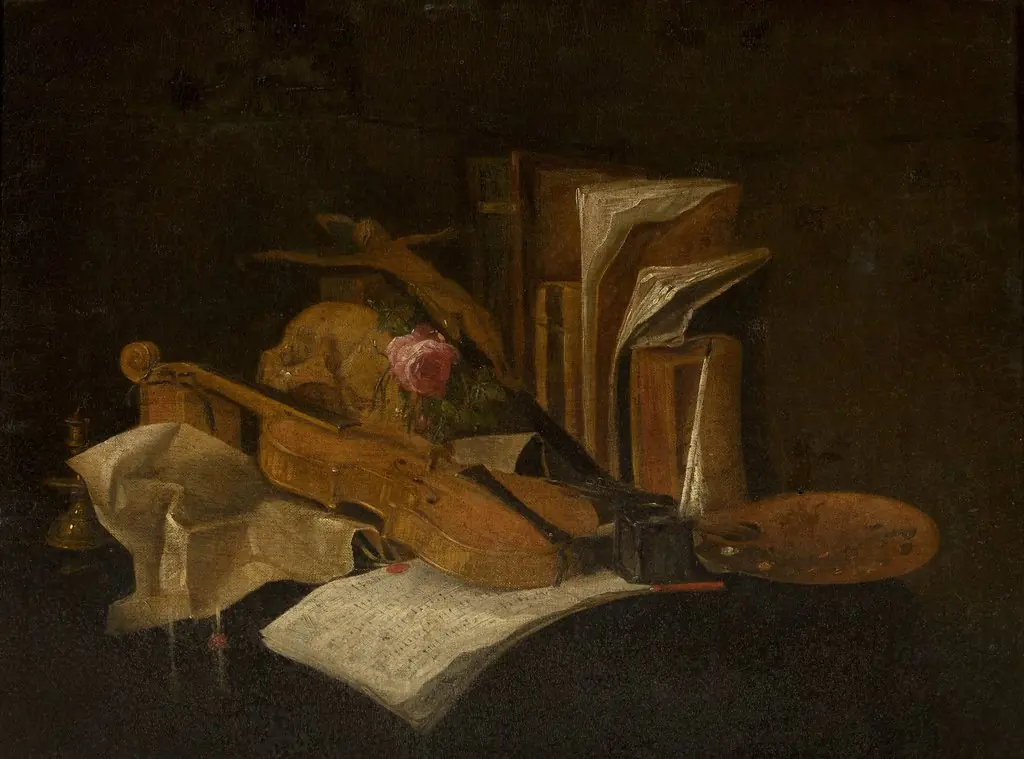
Still Life with a Cornemuse is an oil painting by Thomas Couture. It dates from 1857 and is held in the collection of the Fitzwilliam Museum. Created circa 1857, this oil painting presents a solitary French bagpipe, known as a cornemuse, resting on a low surface.
About this work
Overview
Created circa 1857, this oil painting presents a solitary French bagpipe, known as a cornemuse, resting on a low surface. The instrument dominates the composition, illuminated against a subdued, dark backdrop that draws the viewer’s eye to its form and decorative details. The work is part of the Fitzwilliam Museum’s holdings.
Subject & Meaning
The focal point is the cornemuse, a traditional folk instrument associated with regional music and cultural identity. By isolating the bagpipe in a still‑life setting, the artist highlights its craftsmanship and materiality, inviting contemplation of everyday objects as subjects worthy of artistic attention.
Technique & Style
Executed in oil on canvas, the painter employs a restrained palette of muted tones to model volume and surface texture. Careful brushwork renders the leather bag and wooden pipes with fine patterning, while subtle chiaroscuro creates depth, allowing the instrument to emerge from the shadowed background.
History & Provenance
The work is attributed to Thomas Couture, a French painter noted for history paintings and for mentoring figures such as Édouard Manet. Though primarily known for narrative scenes, Couture’s foray into still life demonstrates his versatility. The painting entered the Fitzwilliam Museum’s collection, where it remains on display.
Artist & collection

Artist
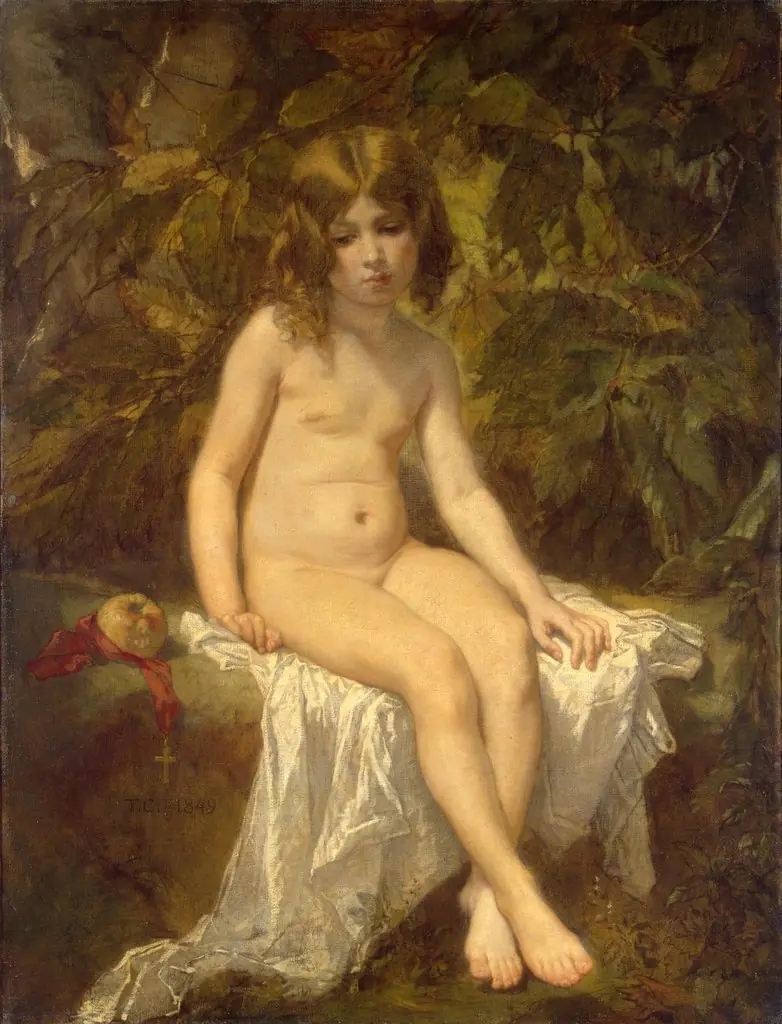
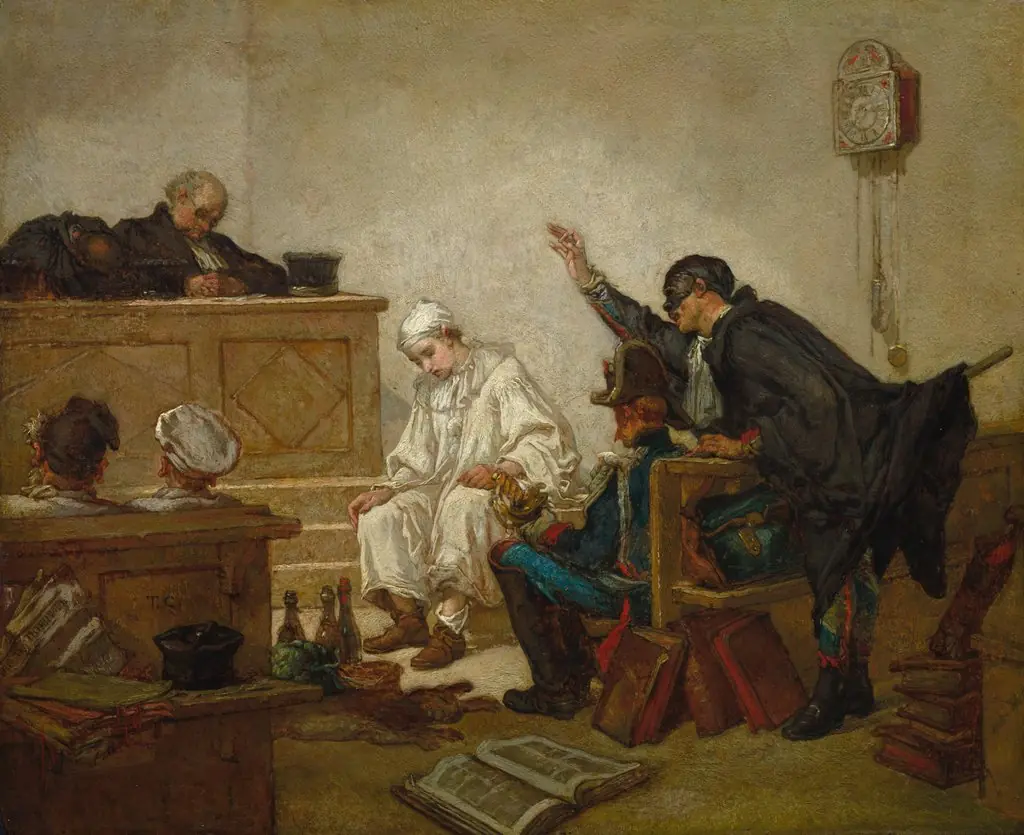
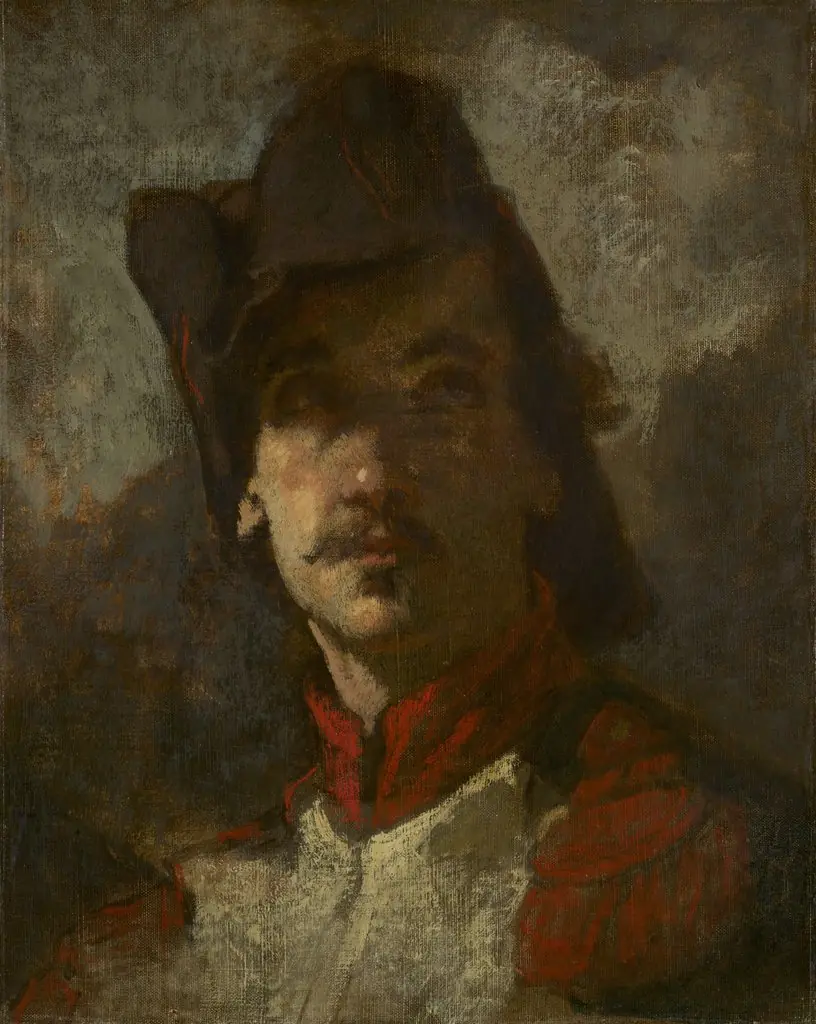
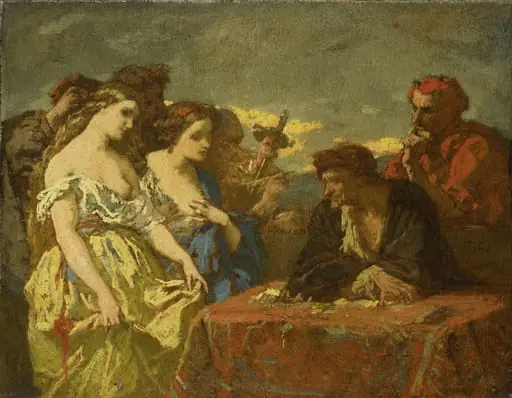
Thomas Couture (French pronunciation: ; 21 December 1815 – 30 March 1879) was a French history painter and teacher.