Artwork
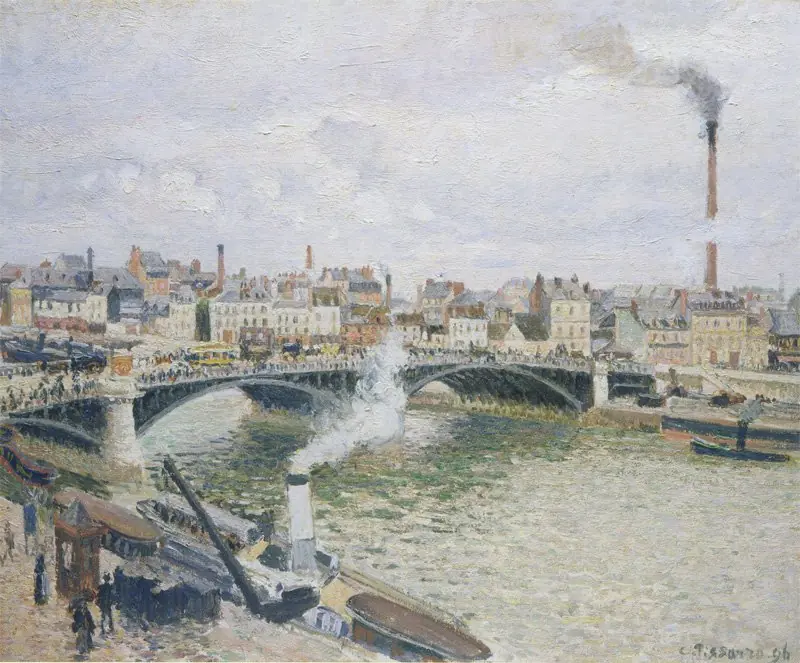
Quai Napoléon, Rouen
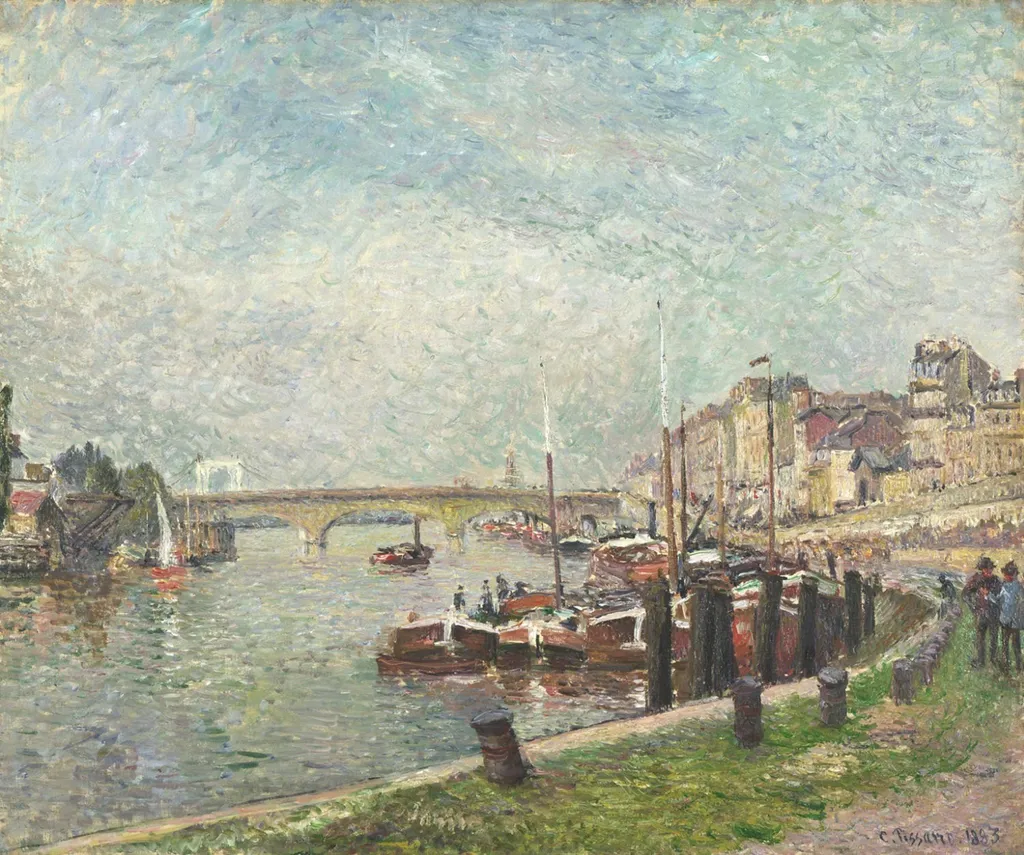
Quai Napoléon, Rouen is an oil painting by the Impressionist artist Camille Pissarro. It dates from 1892 and is held in the collection of the Philadelphia Museum of Art.
About this work
Overview
Painted in 1892, *Quai Napoléon, Rouen* is an oil on canvas work by Camille Pissarro, capturing a quiet stretch of the Seine in northern France.
Painted in 1892, *Quai Napoléon, Rouen* is an oil on canvas work by Camille Pissarro, capturing a quiet stretch of the Seine in northern France. The scene presents a modest riverside quay with modest architecture, moored vessels, and a distant bridge. Pissarro’s interest in ordinary urban and riverside life is evident, aligning with his broader commitment to depicting the rhythms of daily existence without idealization.
Subject & Meaning
The painting portrays a working riverfront, where barges and small boats rest along the shore, and a few figures move along the embankment. There is no dramatic narrative—only the quiet activity of labor and transit. Pissarro’s choice of subject emphasizes the dignity of commonplace environments, reflecting his belief in art’s capacity to reveal beauty in the unremarkable aspects of modern life.
Technique & Style
Pissarro applied oil paint with loose, deliberate brushwork, building texture through layered strokes of green, brown, and grey. The sky, softly muted, contrasts with the varied tones of the water and shore, creating atmospheric depth. Visible brushmarks suggest movement in the air and water, while the composition’s balanced horizontals ground the scene in a calm, observational realism characteristic of his mature style.
History & Provenance
Created during Pissarro’s later years, the painting was likely made during one of his extended stays in Rouen, a city he revisited for its changing light and industrial river activity. It entered the Philadelphia Museum of Art’s collection in the 20th century, where it remains part of a broader holding of French Impressionist works, reflecting the museum’s early commitment to the movement.
Context
In the 1890s, Pissarro was exploring the effects of light and season on urban landscapes, often painting the same locations across different times of day. Rouen, with its active port and evolving architecture, offered rich material. His work during this period bridged Impressionist observation with a more structured approach, anticipating aspects of Neo-Impressionism while retaining his focus on lived experience.
Legacy
Though not among Pissarro’s most widely reproduced works, *Quai Napoléon, Rouen* exemplifies his consistent dedication to recording the modern landscape with honesty and sensitivity. It contributes to the broader understanding of how Impressionists transformed ordinary scenes into subjects worthy of sustained artistic attention, influencing later generations interested in urban and environmental realism.
Own this work as a print
Artist & collection
Artist
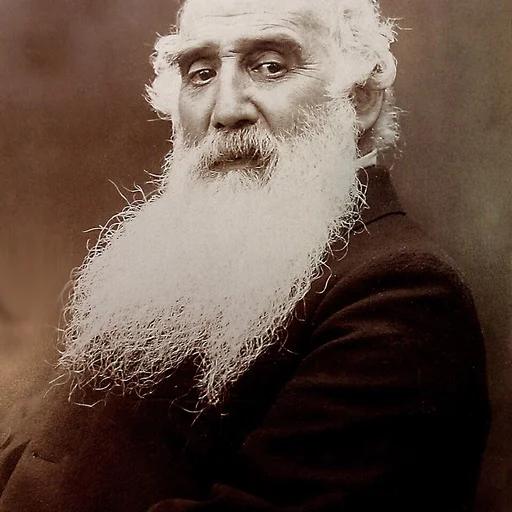
Jacob Abraham Camille Pissarro ( piss-AR-oh; French: ; 10 July 1830 – 13 November 1903) was a Danish-French Impressionist and Neo-Impressionist painter born on the island of Saint Thomas (now in the US Virgin Islands, but then in the…

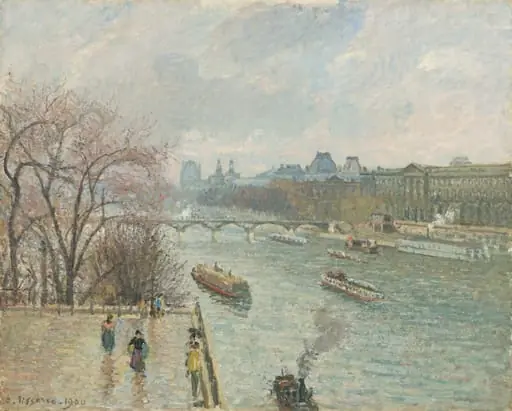 The Louvre, Afternoon, Rainy Weather
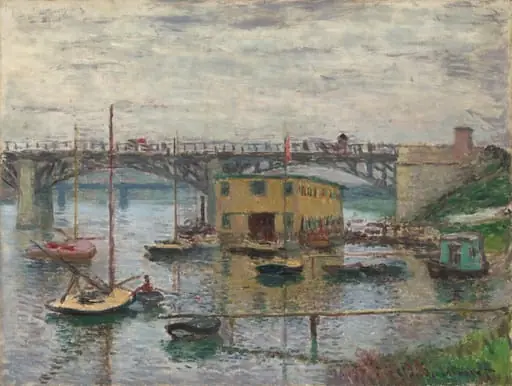 Bridge at Argenteuil on a Gray Day
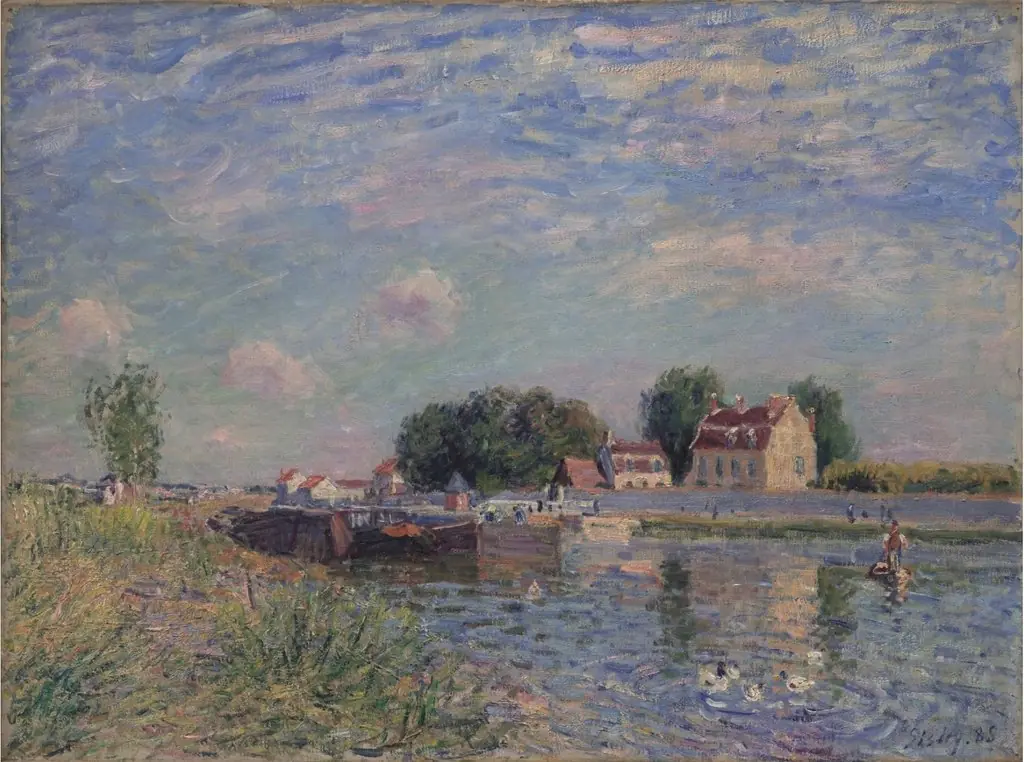 The Canal at Saint-Mammes
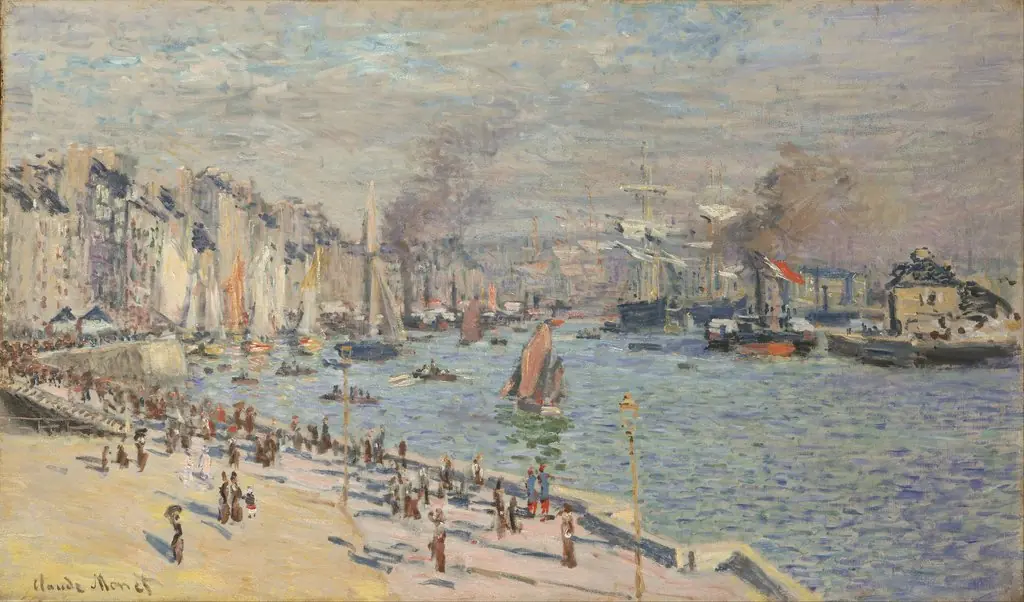 Port of Le Havre
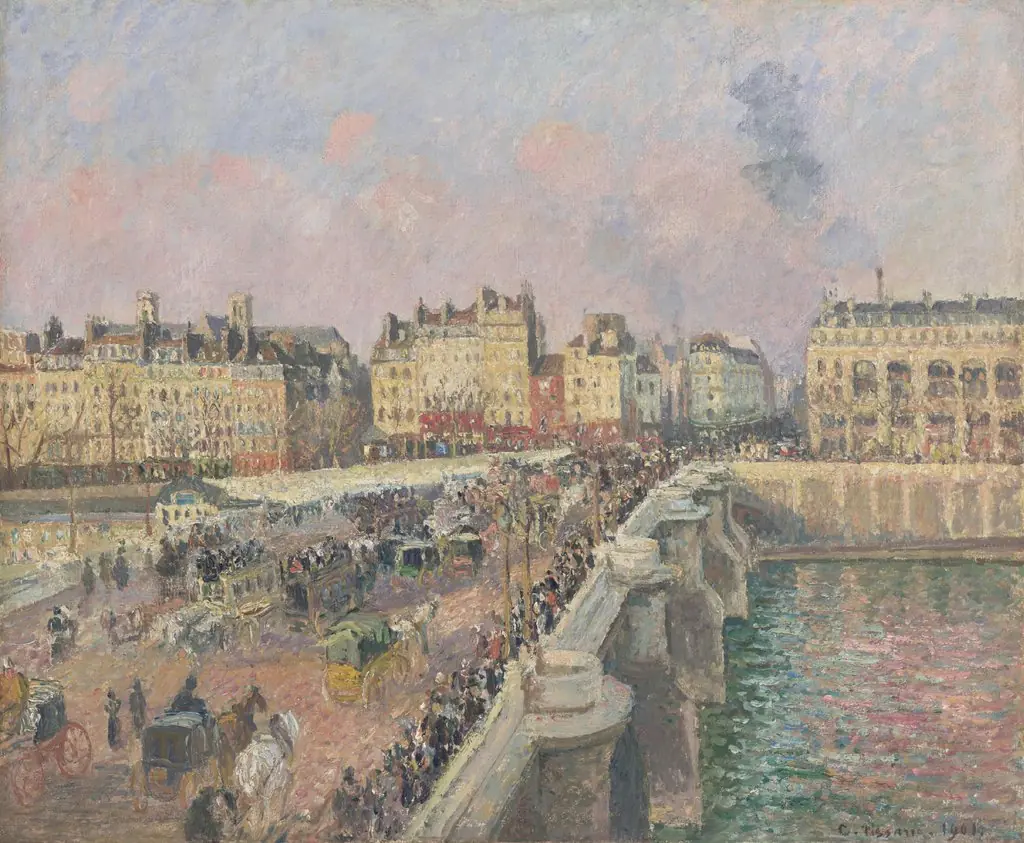 Afternoon Sunshine, Pont Neuf
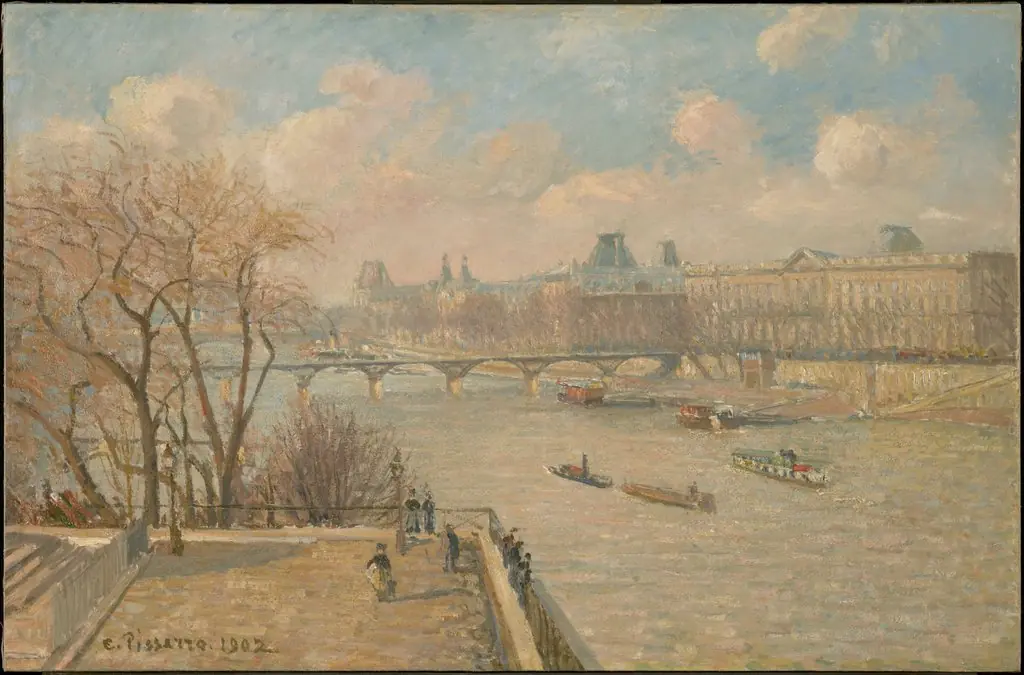 The Louvre from the Pont Neuf
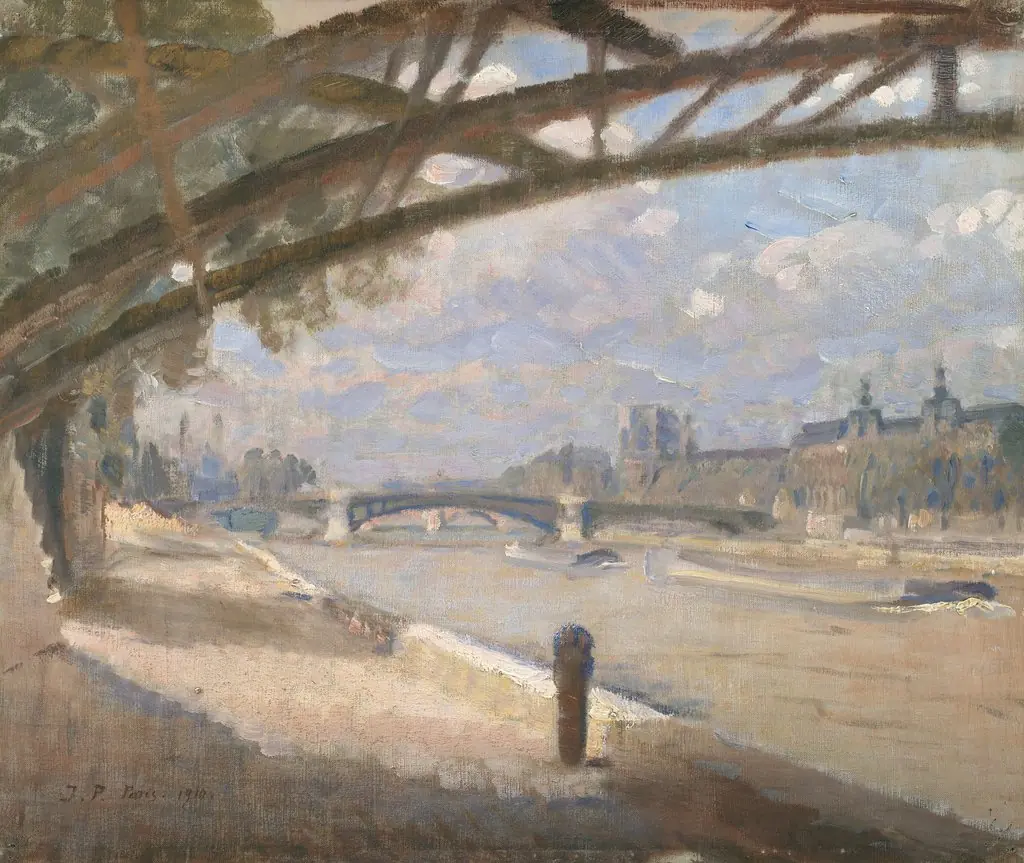 Under the Pont des Arts, Paris. Noon
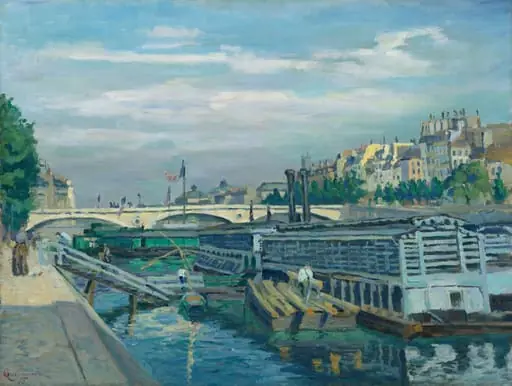 The Bridge of Louis Philippe
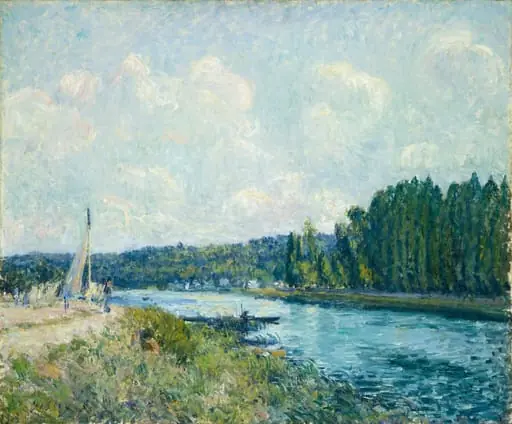 The Banks of the Oise
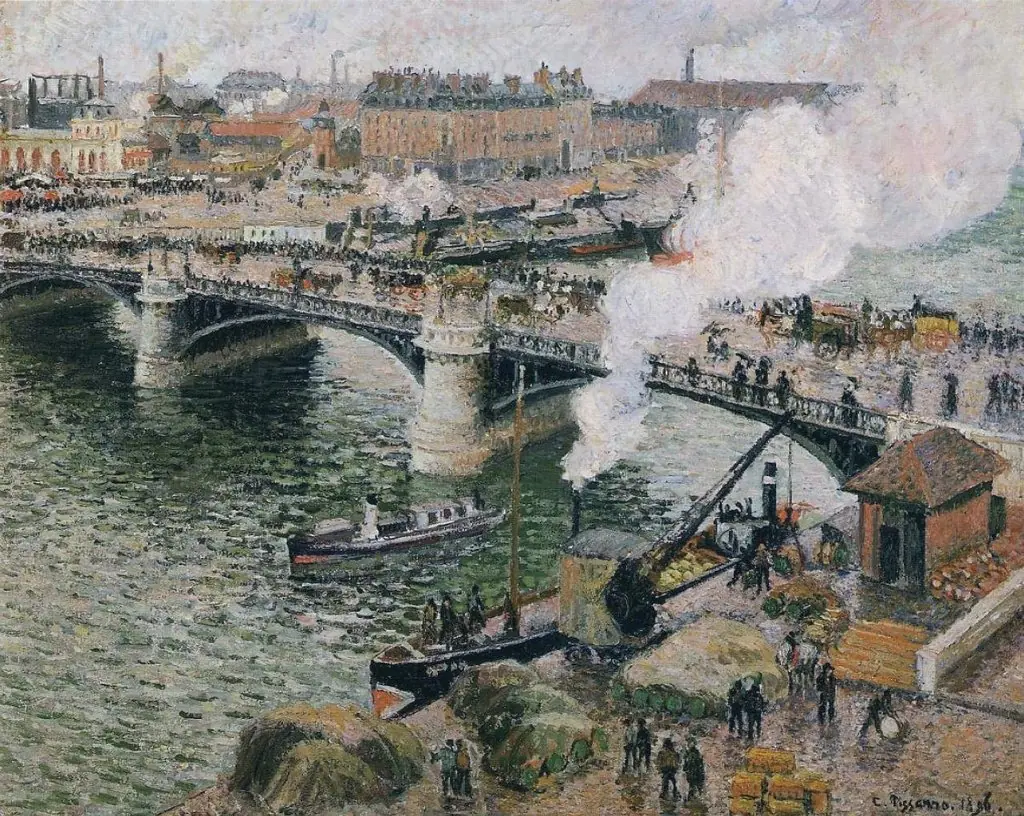 Pont Boieldieu in Rouen, Rainy Weather
 Landscape. Seine at Asnieres
 Steamboats in the Port of Rouen