Artwork
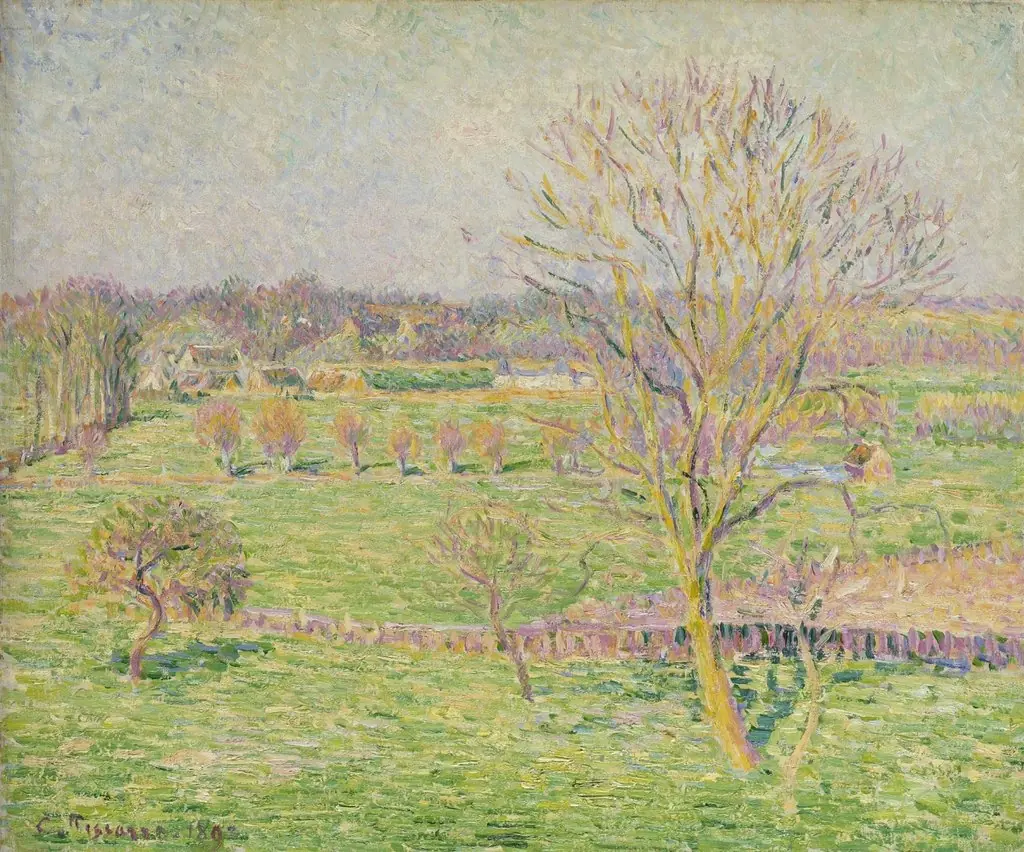
The Field and the Great Walnut Tree in Winter, Eragny
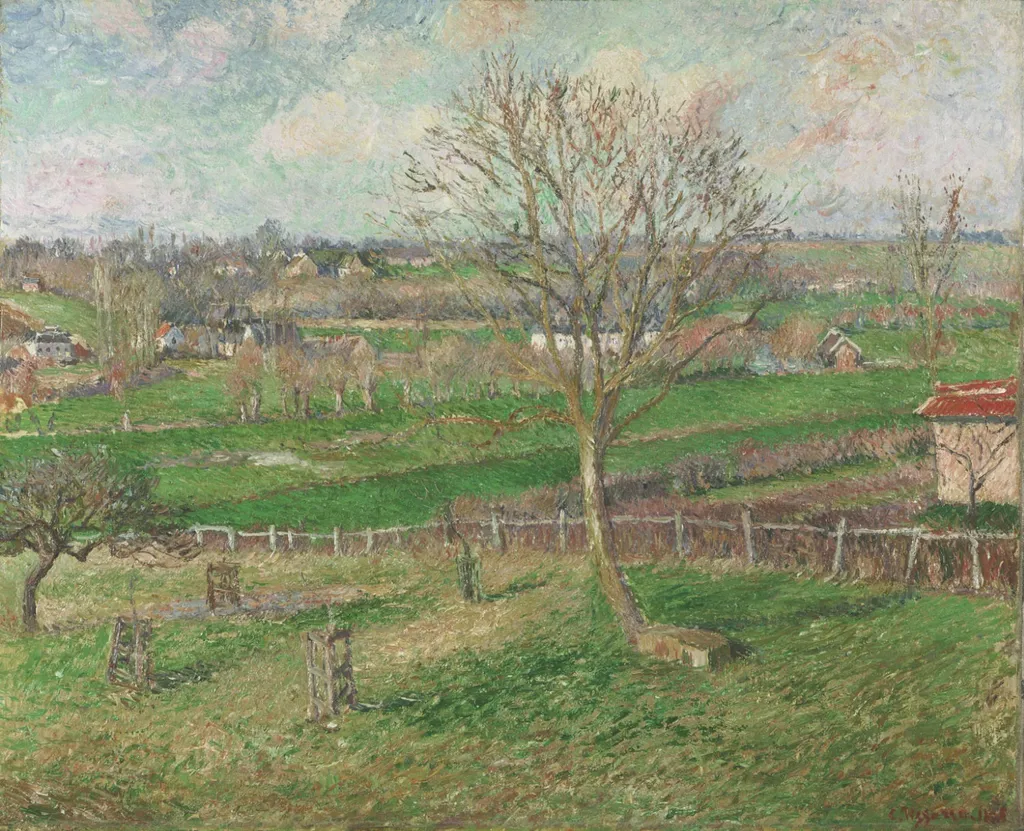
The Field and the Great Walnut Tree in Winter, Eragny is an oil painting by the Post-Impressionist artist Camille Pissarro. It dates from 1893 and is held in the collection of the Philadelphia Museum of Art.
About this work
Overview
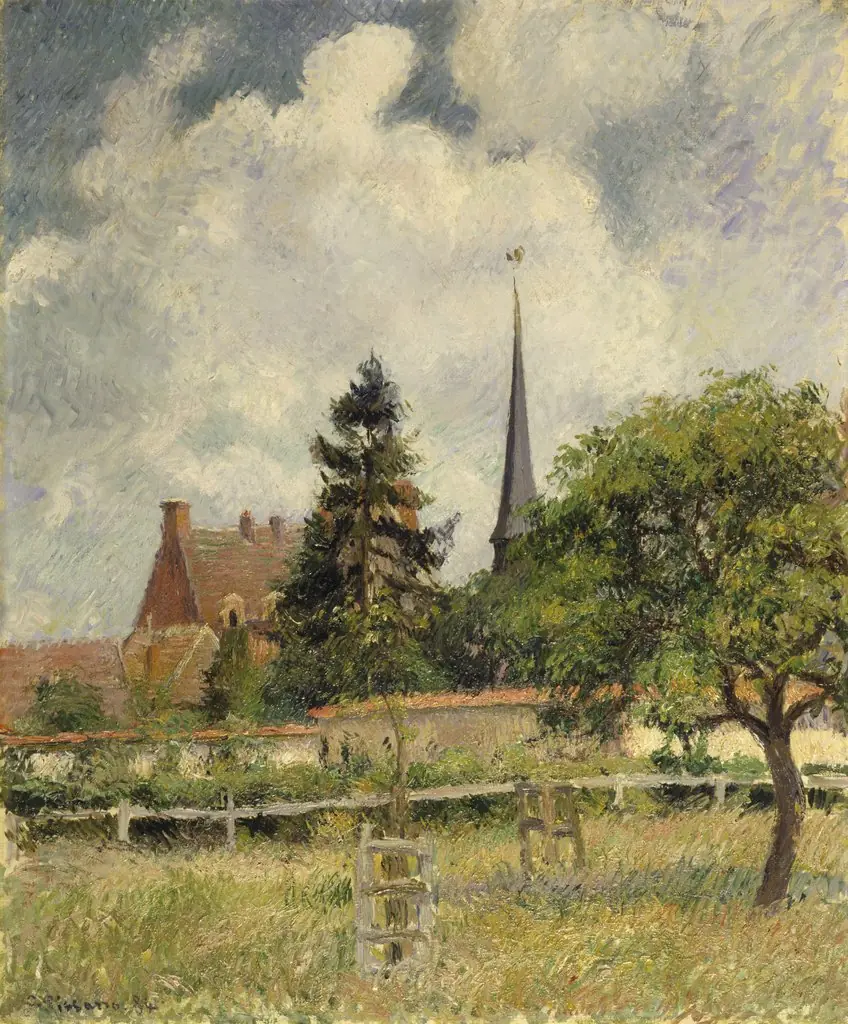
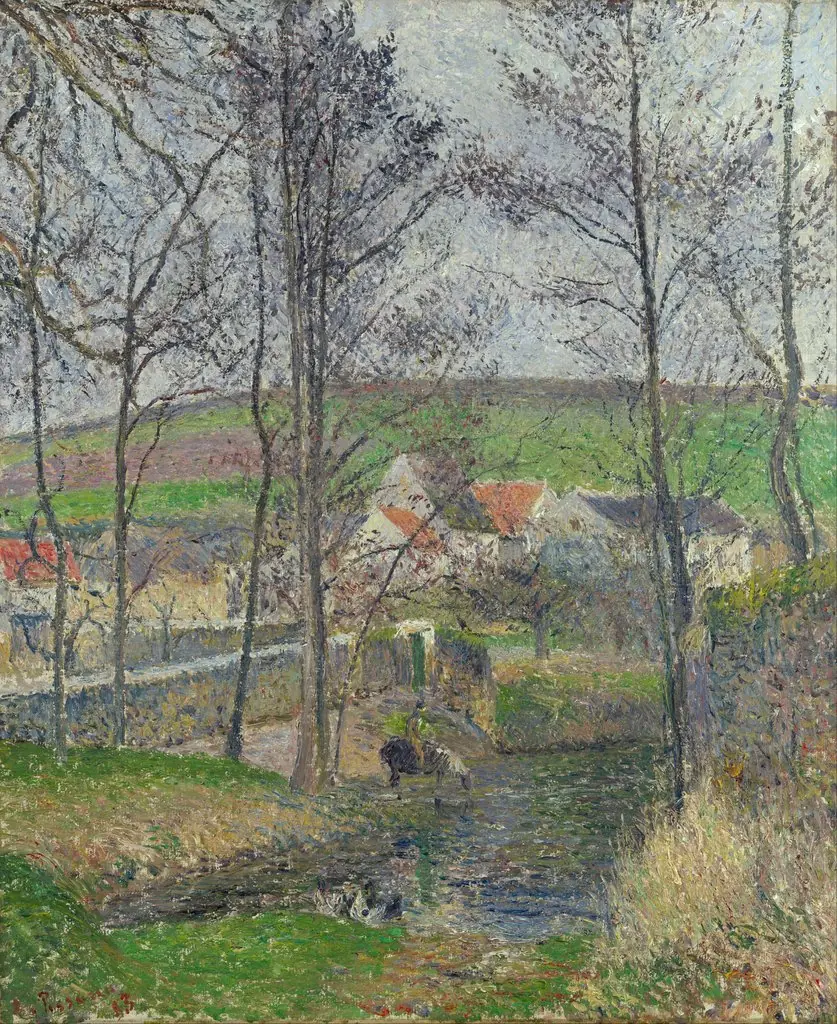
Camille Pissarro’s 1893 oil painting *The Field and the Great Walnut Tree in Winter, Eragny* presents a quiet winter landscape in the French village of Eragny. The composition centers on a solitary, leaf‑less walnut tree, framed by a low fence, a modest house, and a patchwork of muted earth tones under a pale sky.
Subject & Meaning
The work captures a moment of seasonal stillness, emphasizing the contrast between the stark, skeletal tree and the faint hints of green in the ground. The modest architecture and fence suggest a cultivated rural environment, while the expansive, subdued background conveys the quiet endurance of the countryside during winter.
Technique & Style
Pissarro applies thick, tactile brushstrokes that give the surface a slightly rough texture, a hallmark of his late Post‑Impressionist approach. The palette is restrained, dominated by browns, grays, and soft greens, punctuated by brighter accents such as the white fence, creating subtle visual interest without disrupting the overall calm.
History & Provenance
Created during Pissarro’s mature period, the painting reflects his shift from early Impressionist influences toward a more structured, Neo‑Impressionist sensibility developed alongside Georges Seurat and Paul Signac. It entered the collection of the Philadelphia Museum of Art, where it remains part of the museum’s holdings of late 19th‑century French art.
Own this work as a print
Artist & collection
Artist
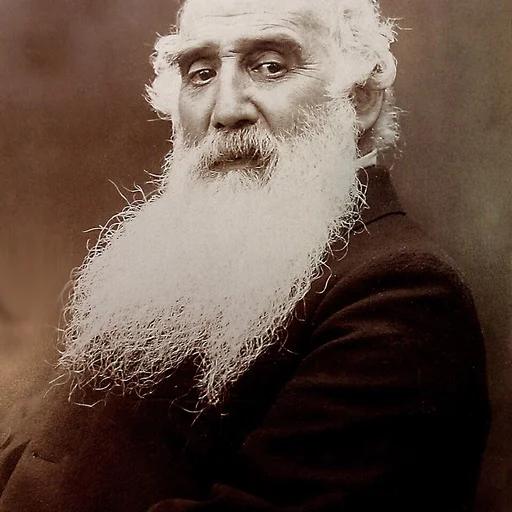
Jacob Abraham Camille Pissarro ( piss-AR-oh; French: ; 10 July 1830 – 13 November 1903) was a Danish-French Impressionist and Neo-Impressionist painter born on the island of Saint Thomas (now in the US Virgin Islands, but then in the…