Artwork
Le pré et le grand noyer, printemps, Eragny
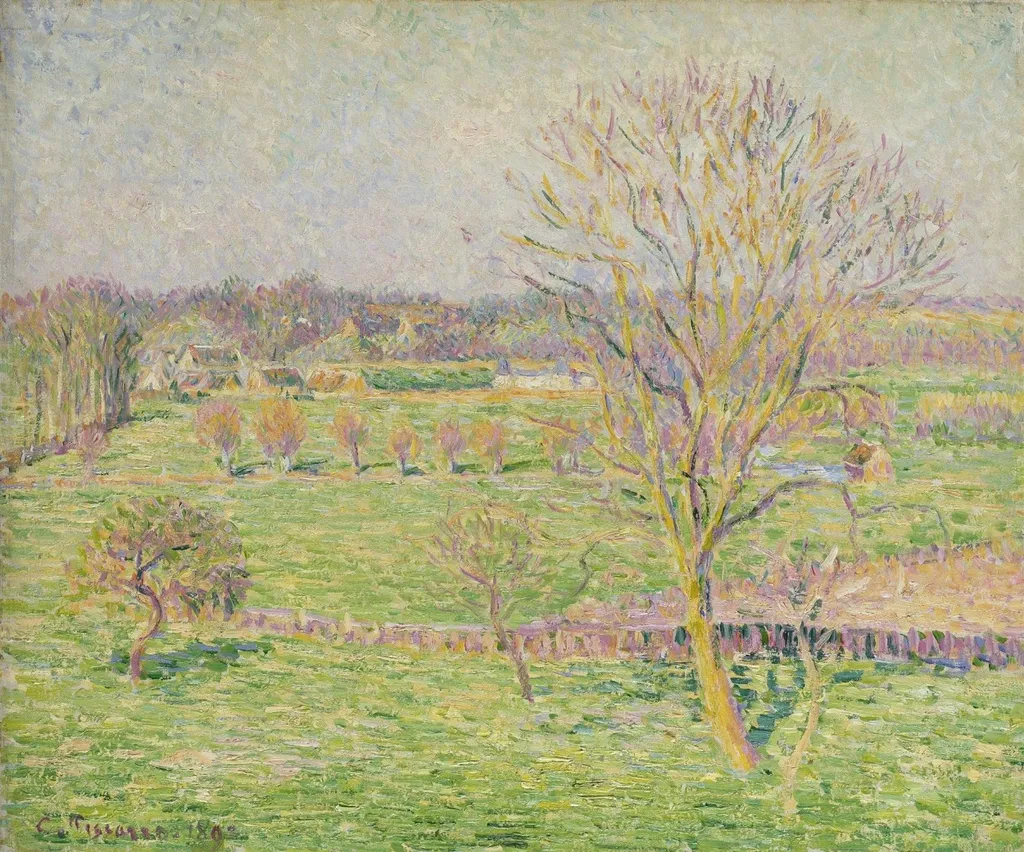
Le pré et le grand noyer, printemps, Eragny is an oil painting by the Post-Impressionist artist Camille Pissarro. It dates from 1896 and is held in the collection of the Hamburger Kunsthalle.
About this work
Overview
Camille Pissarro’s 1896 oil painting *Le pré et le grand noyer, printemps, Eragny* depicts a spring countryside near Eragny.
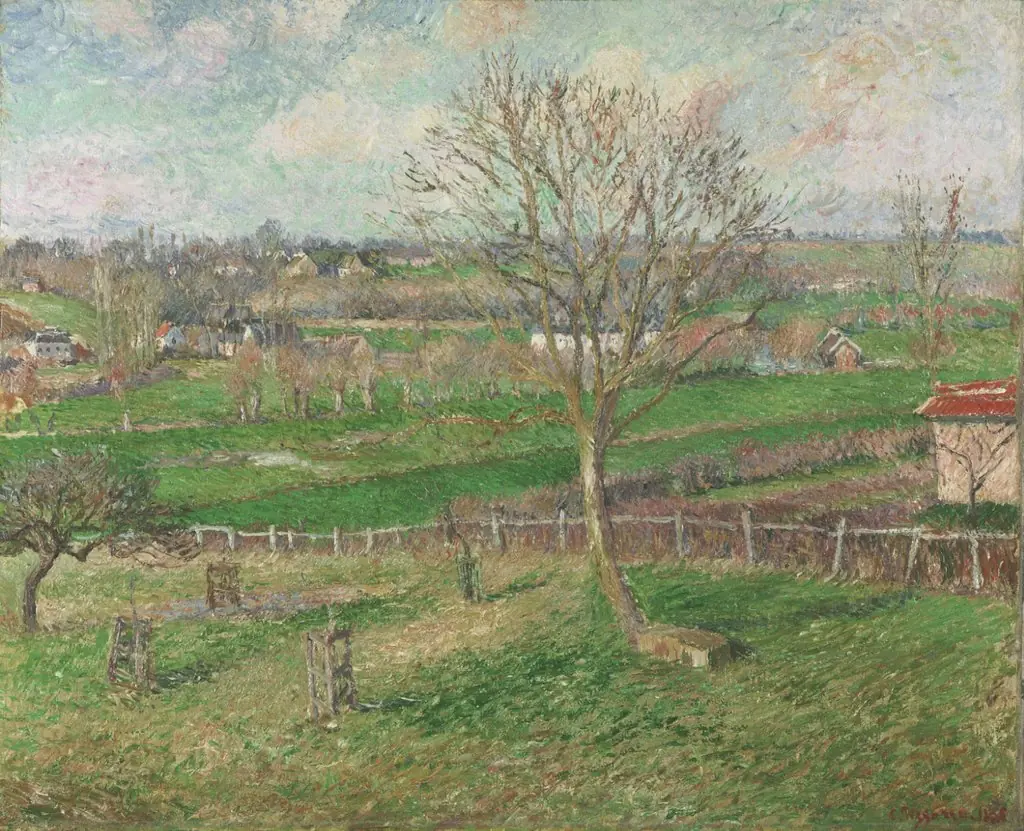
Camille Pissarro’s 1896 oil painting *Le pré et le grand noyer, printemps, Eragny* depicts a spring countryside near Eragny. A leaf‑less walnut tree dominates the foreground beside a low wooden fence, while distant fields, scattered trees and modest structures recede under a muted gray sky. The composition balances open space with structured elements, presenting a quiet, observational view of rural life.
Subject & Meaning
The work captures a moment of seasonal transition, emphasizing the bare trunk of the walnut as a symbol of renewal amid the surrounding green meadow. The sparse foliage and soft horizon suggest a contemplative atmosphere, inviting the viewer to consider the interplay between cultivated land and natural growth during early spring.
Technique & Style
Executed in thick, textured brushstrokes, the painting reflects Pissarro’s post‑Impressionist concerns with light and color modulation. The palette of greens, yellows, subtle purples and blues conveys atmospheric depth, while the surface treatment creates a tactile sense of the landscape’s materiality. The approach aligns with his later Neo‑Impressionist experiments, though the work retains a more spontaneous handling.
History & Provenance
After its creation in 1896, the canvas entered the collection of the Hamburger Kunsthalle, where it remains on display. The museum acquired the piece as part of its broader holdings of 19th‑century French art, ensuring the work’s preservation and public accessibility within a European context.
Context
Pissarro, born in 1830 on Saint Thomas, trained under Realist Gustave Courbet and landscape painter Jean‑Baptiste‑Camille Corot before becoming a central figure in Impressionism. By his mid‑fifties he had embraced Neo‑Impressionist techniques, collaborating with Georges Seurat and Paul Signac. *Le pré et le grand noyer* illustrates this transitional phase, merging observational realism with an evolving interest in color theory.
Artist & collection
Artist
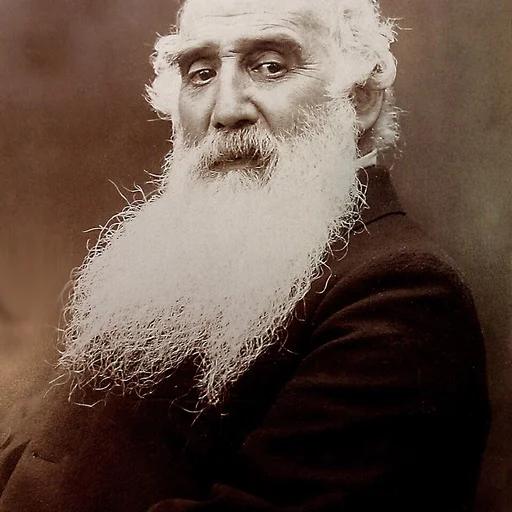
Jacob Abraham Camille Pissarro ( piss-AR-oh; French: ; 10 July 1830 – 13 November 1903) was a Danish-French Impressionist and Neo-Impressionist painter born on the island of Saint Thomas (now in the US Virgin Islands, but then in the…

 The Field and the Great Walnut Tree in Winter, Eragny
 Vedere din Giverny (dimineața)
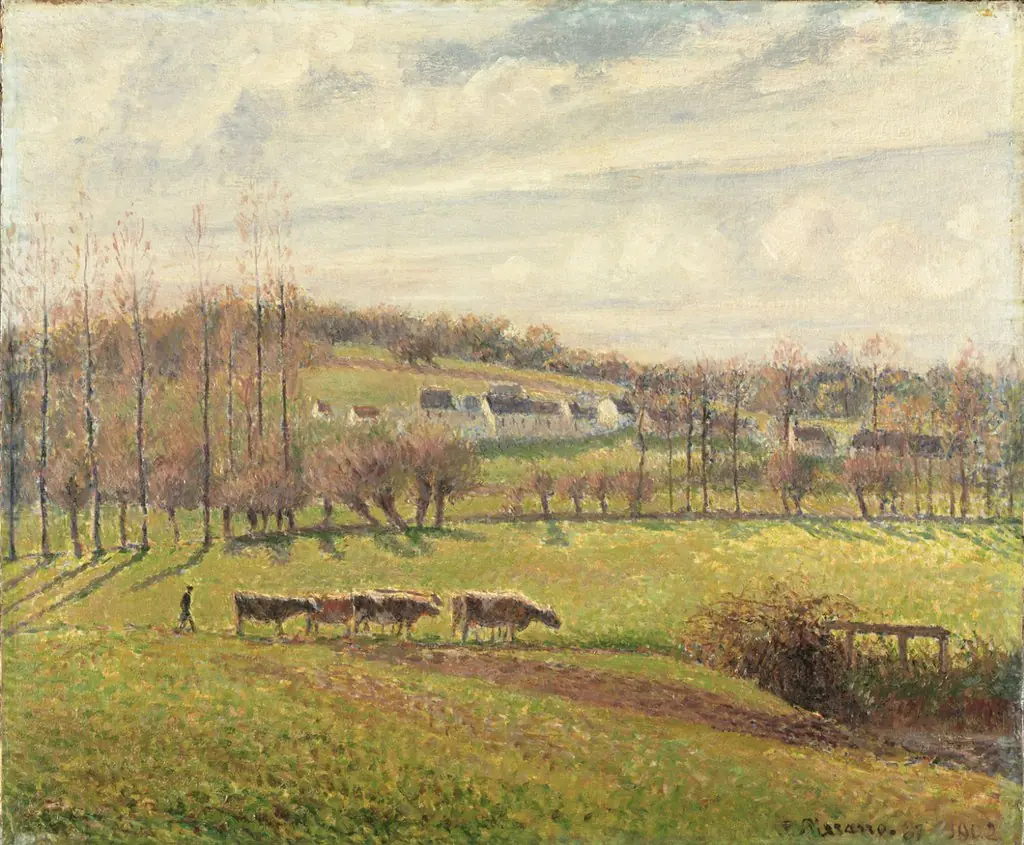 Summer Landscape, Eragny
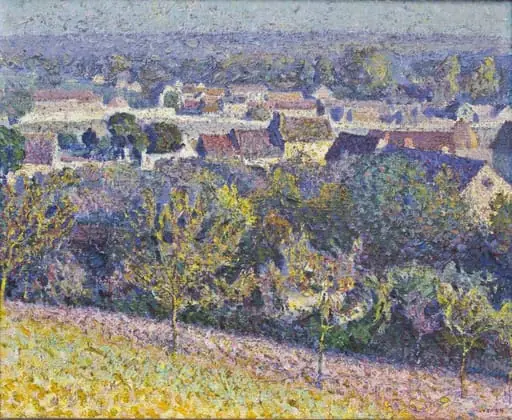 Vedere din Giverny (seara)
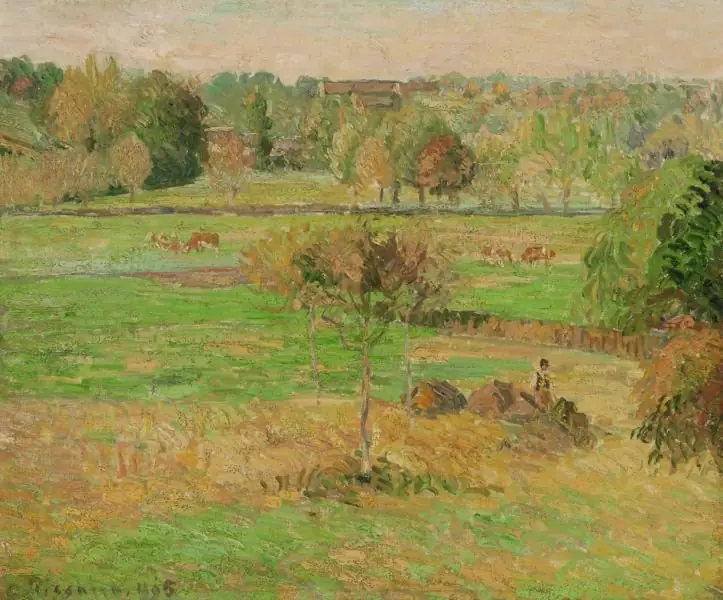 Autumn at Éragny
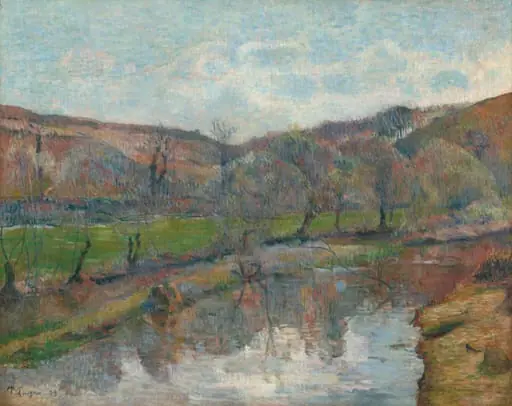 Brittany Landscape
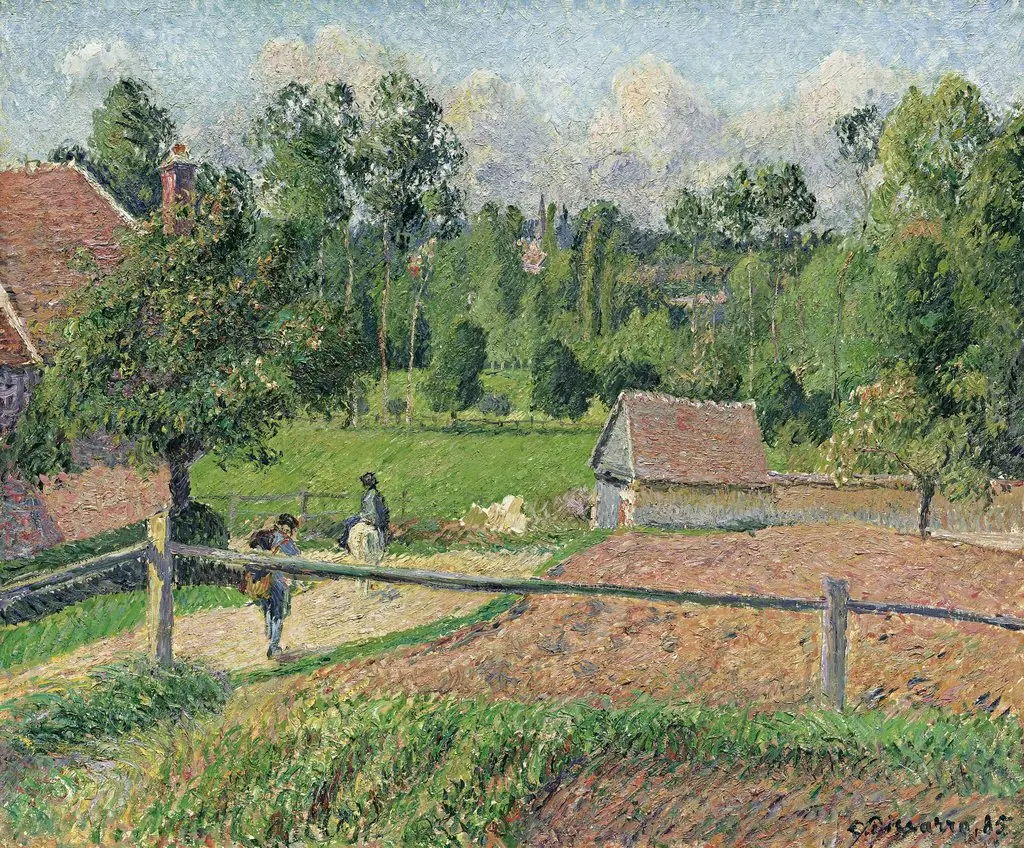 The Delafolie House, Éragny
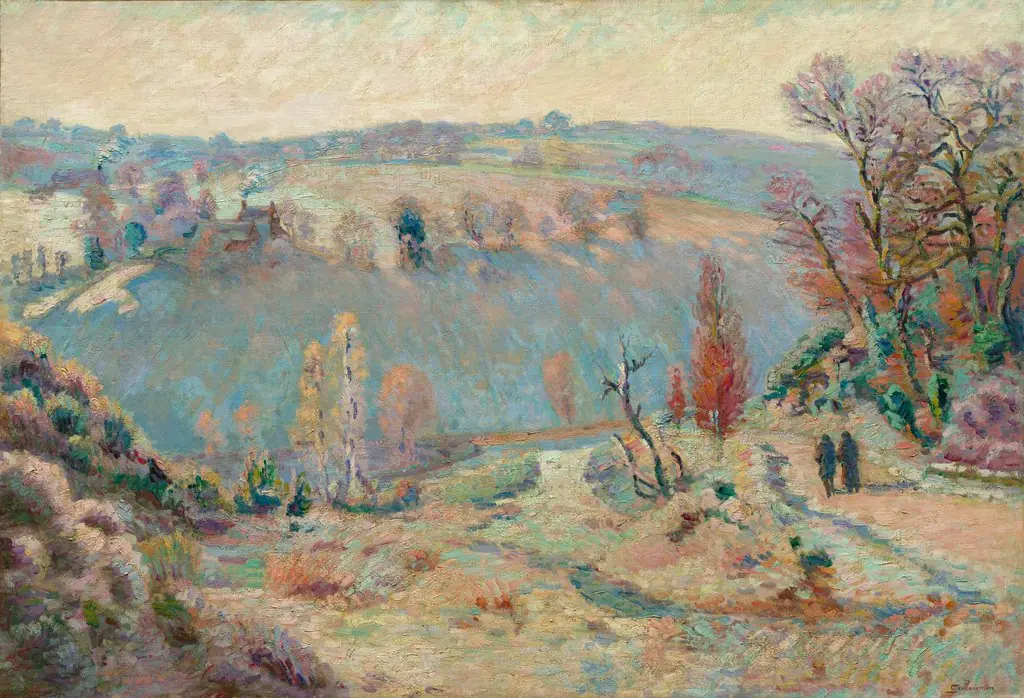 Valley of the Sédelle at Pont Charraud: White Frost
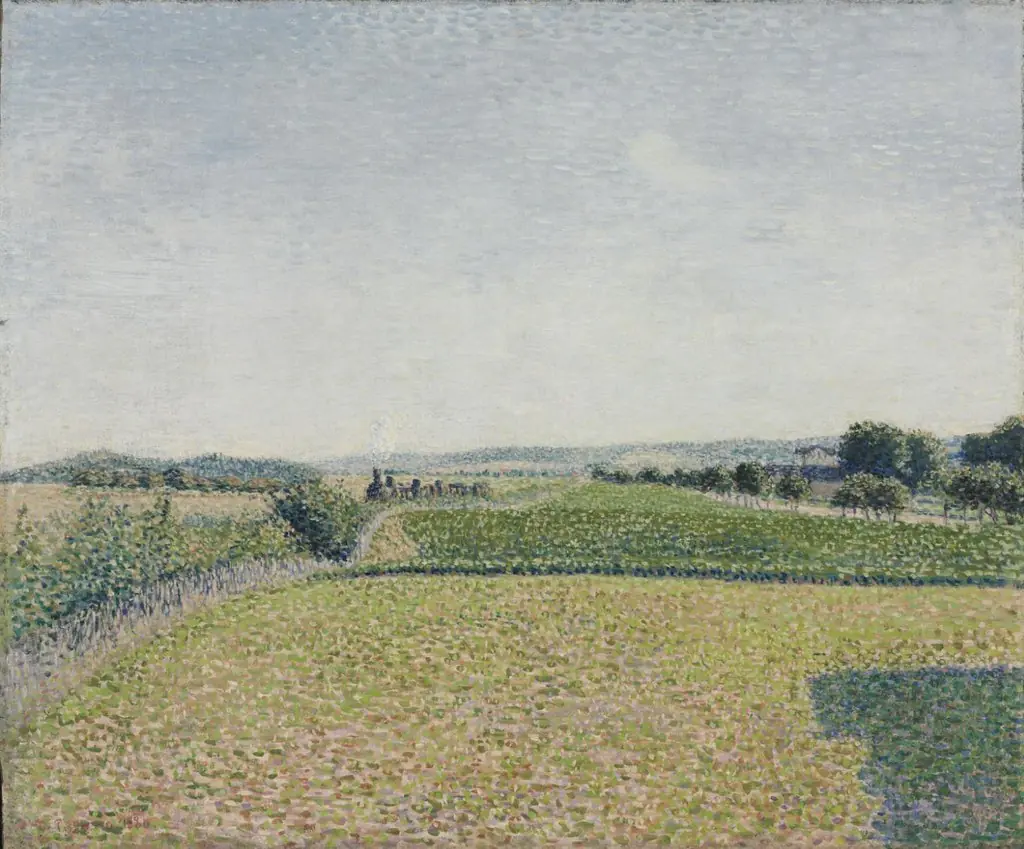 Railroad to Dieppe
 Valley of the Sédelle at Pont Charraud: White Frost
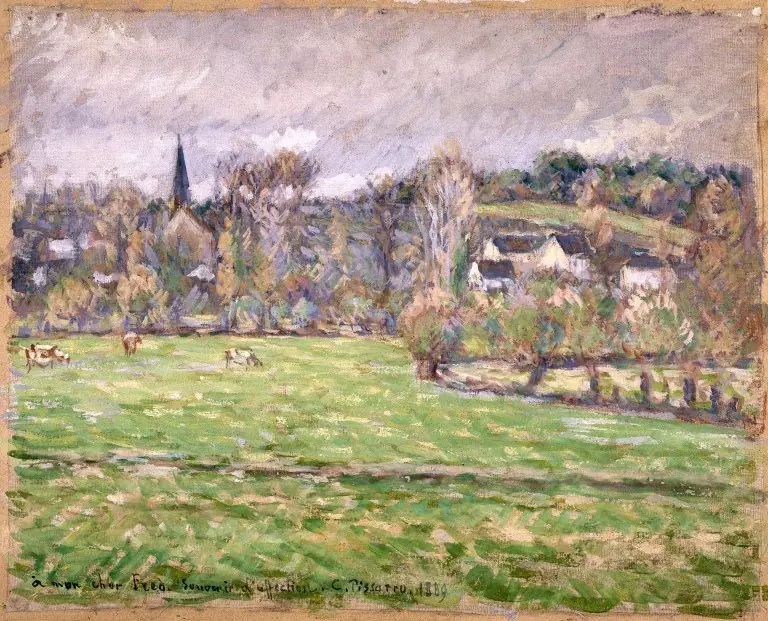 View of Bazincourt
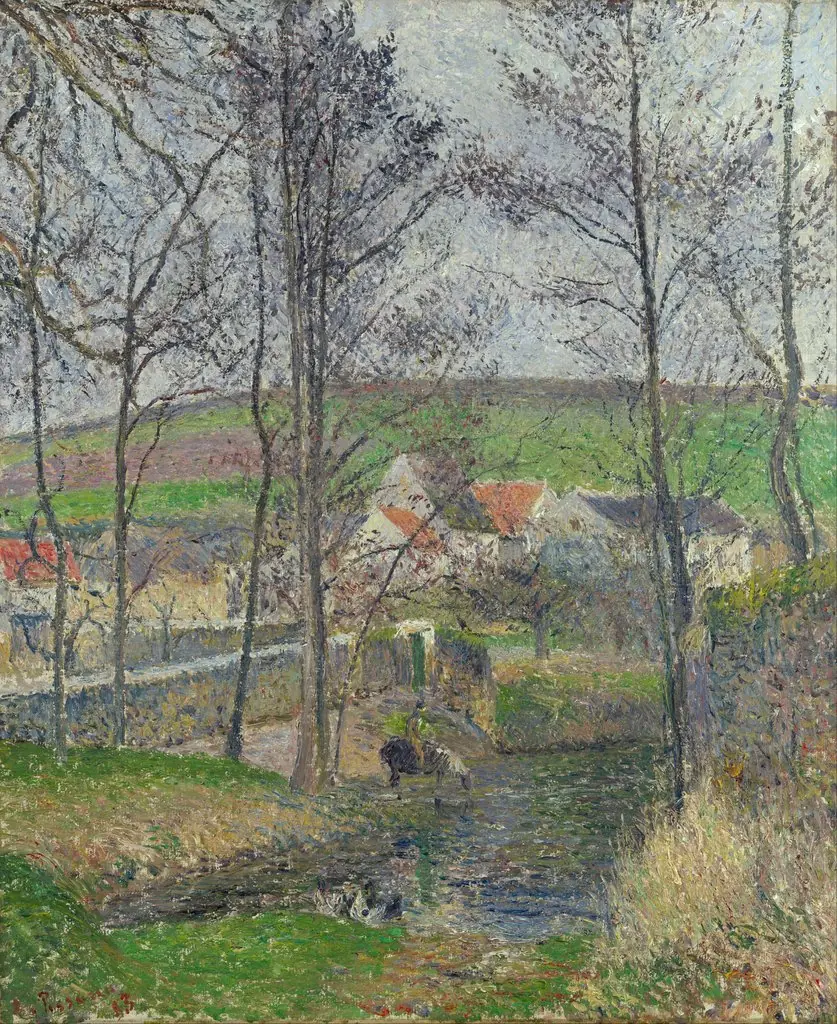 The banks of the Viosne at Osny in grey weather, winter