Artwork
The Brickfield
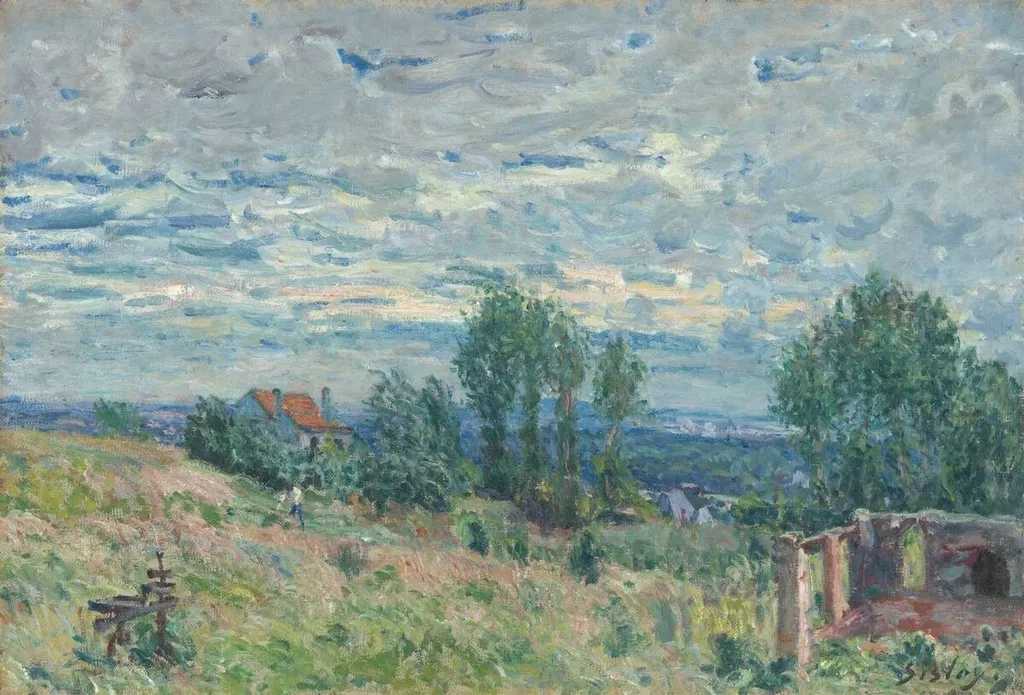
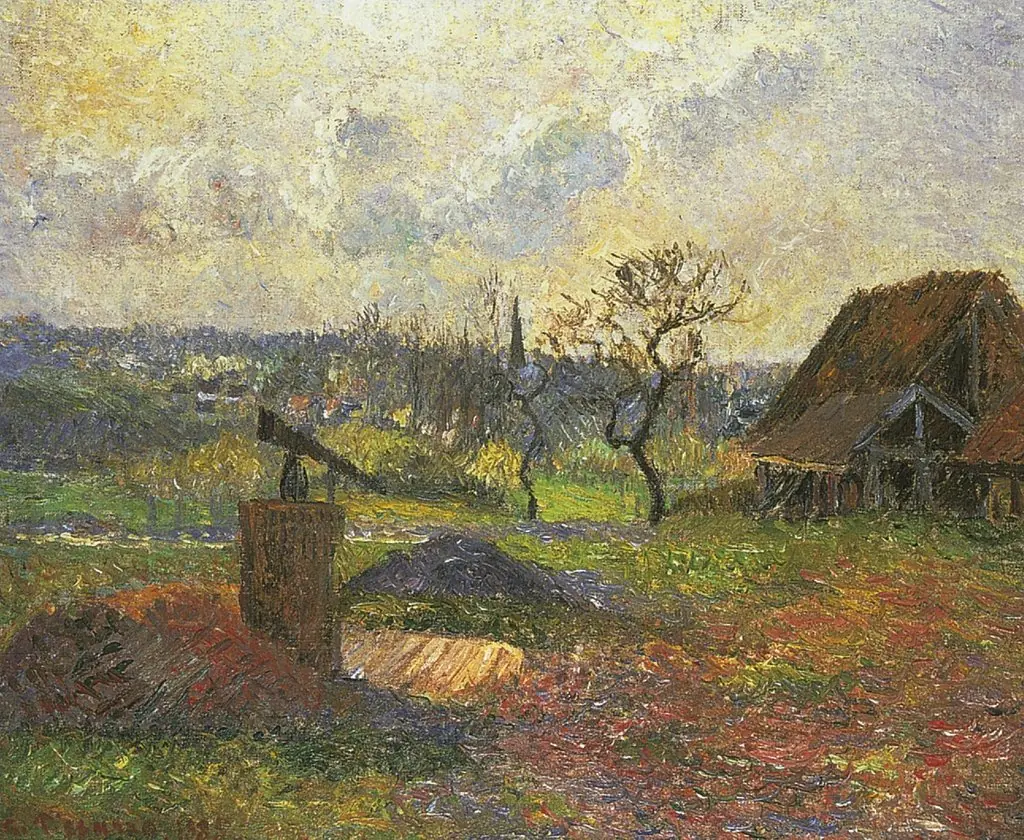
The Brickfield is an unspecified painting by the Impressionist artist Alfred Sisley. It dates from 1890 and is held in the collection of the Kröller-Müller Museum.
About this work
Overview
The work captures a quiet rural scene with minimal human presence, focusing instead on the interplay of light, weather, and terrain.
Painted in 1890, *The Brickfield* is a landscape by Alfred Sisley, a French-born artist who remained committed to Impressionist principles throughout his career. The work captures a quiet rural scene with minimal human presence, focusing instead on the interplay of light, weather, and terrain. Executed outdoors, it reflects Sisley’s lifelong dedication to painting directly from nature rather than in the studio.
Subject & Meaning
The painting depicts a working landscape: tall, unkempt grasses in the foreground give way to scattered trees and modest industrial structures, likely a brickyard or clay pit. The absence of figures emphasizes the land itself as the subject, suggesting a quiet observation of everyday rural labor. The gray, overcast sky reinforces a mood of subdued realism, aligning with Sisley’s interest in transient atmospheric conditions over narrative.
Technique & Style
Sisley applied paint with loose, varied brushwork to convey texture and movement—short strokes for grass, broader sweeps for sky and earth. His palette is muted, dominated by earth tones and soft grays, with subtle shifts in hue to suggest shifting light. The technique avoids sharp definition, instead building form through tonal relationships and the rhythm of brushmarks, characteristic of his mature Impressionist style.
History & Provenance
Created in the final decade of Sisley’s life, *The Brickfield* was acquired by Helene Kröller-Müller, a Dutch collector and patron of Impressionism, who assembled one of Europe’s most significant collections of the movement. The painting entered the Kröller-Müller Museum’s holdings upon its founding in 1938, where it remains today as part of a core group of Sisley’s works.
Context
In the 1890s, Sisley lived in relative obscurity, continuing to paint rural scenes despite the rising popularity of Post-Impressionism. He avoided urban subjects and dramatic compositions, preferring the quiet rhythms of the French countryside. *The Brickfield* reflects this steadfast focus, situating industrial activity within a natural setting without judgment or idealization, consistent with his broader artistic philosophy.
Legacy
Sisley’s work, including *The Brickfield*, contributed to the enduring recognition of landscape as a legitimate subject within Impressionism. Though less celebrated than his contemporaries during his lifetime, his consistent exploration of light and atmosphere has since secured his place in the movement’s canon. The painting exemplifies his quiet, persistent vision—unconcerned with spectacle, attentive to the ordinary.
Artist & collection
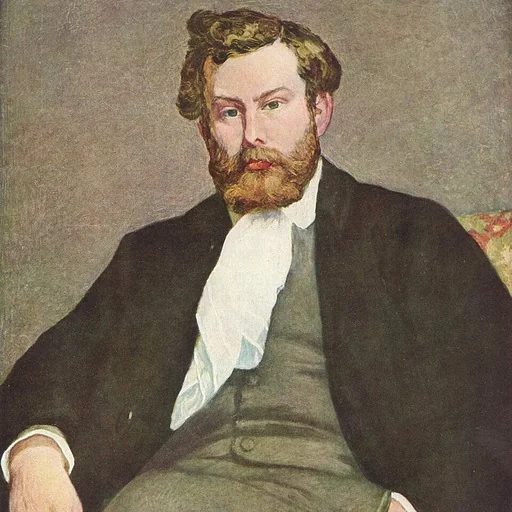
Artist
Alfred Sisley (; French: ; 30 October 1839–29 January 1899) was a French-Born British Impressionist landscape painter who was born to British parents, but spent most of his life in France.

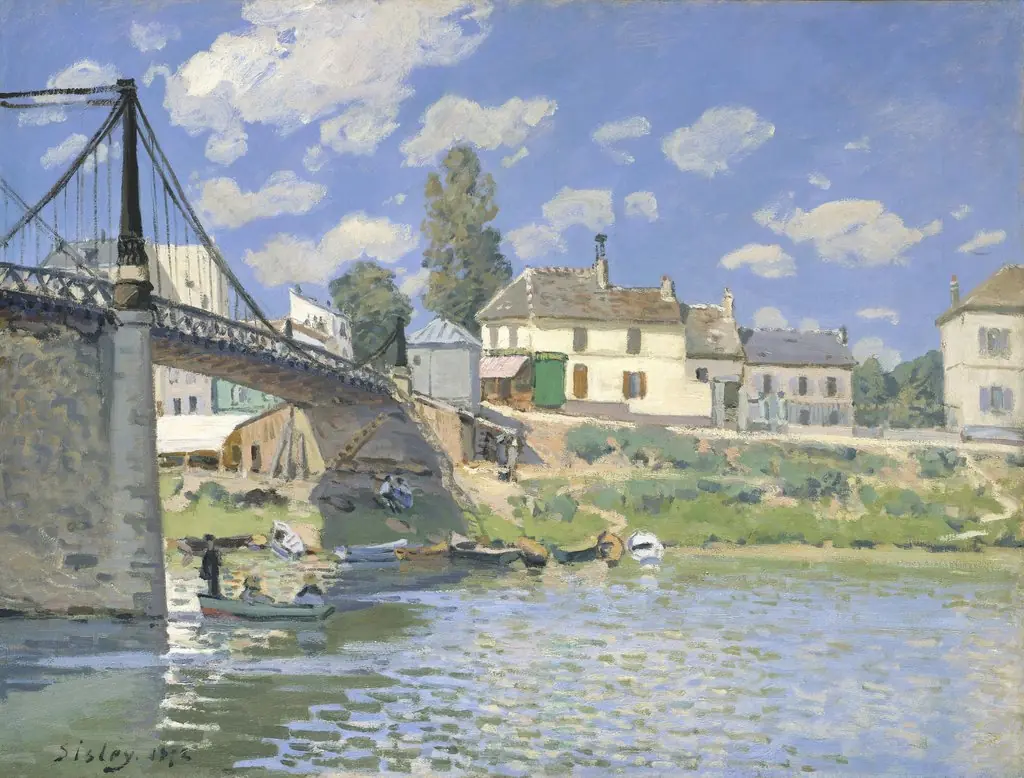
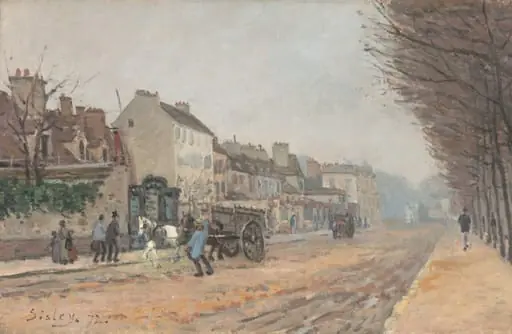
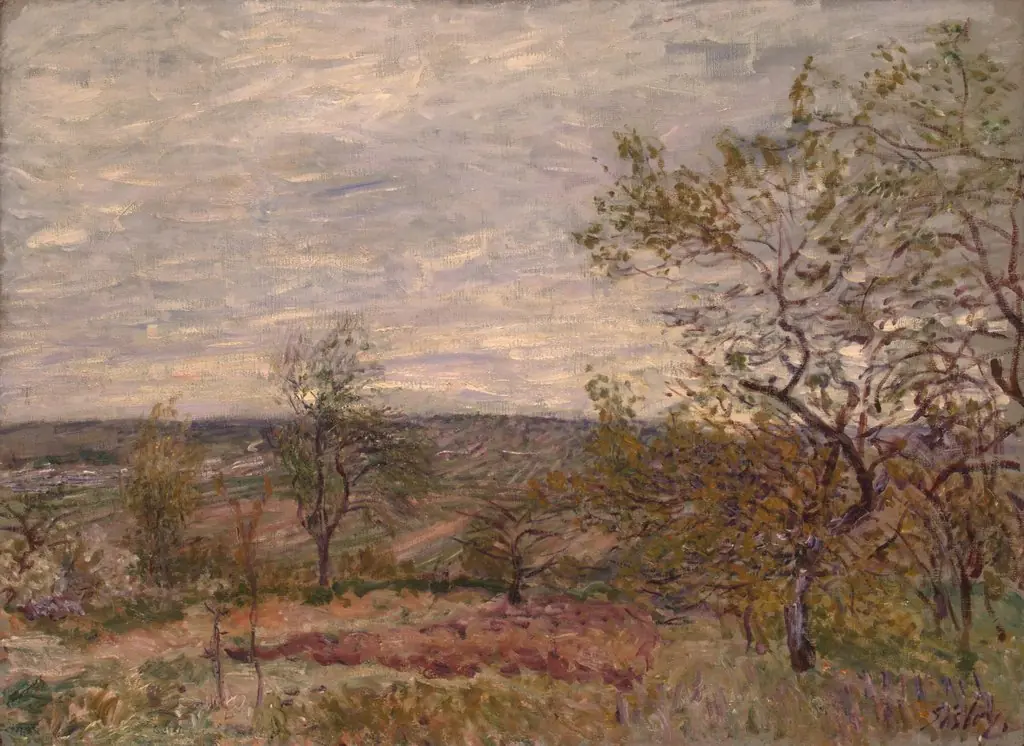 Windy Day at Veneux
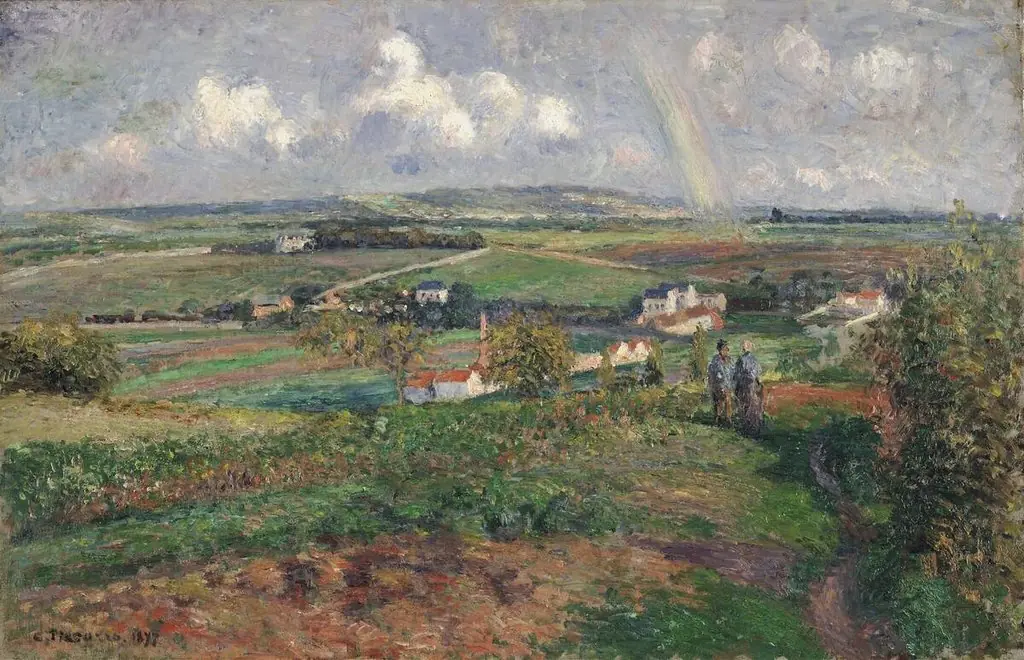 The Rainbow, Pontoise
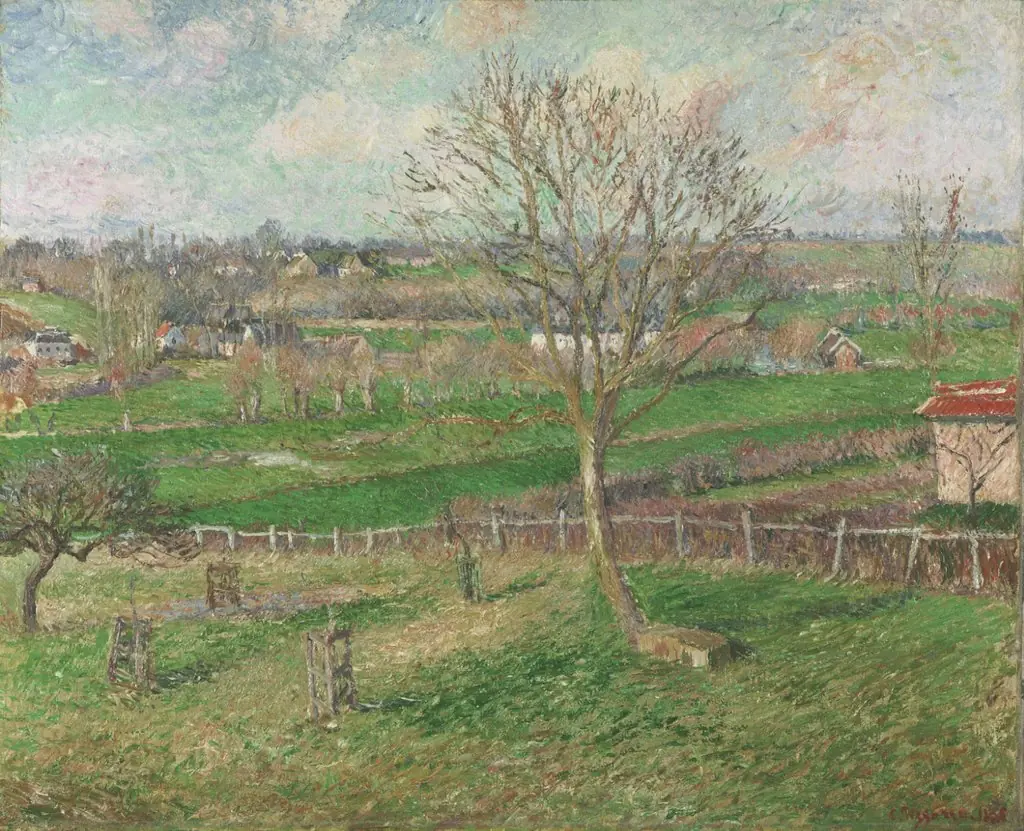 The Field and the Great Walnut Tree in Winter, Eragny
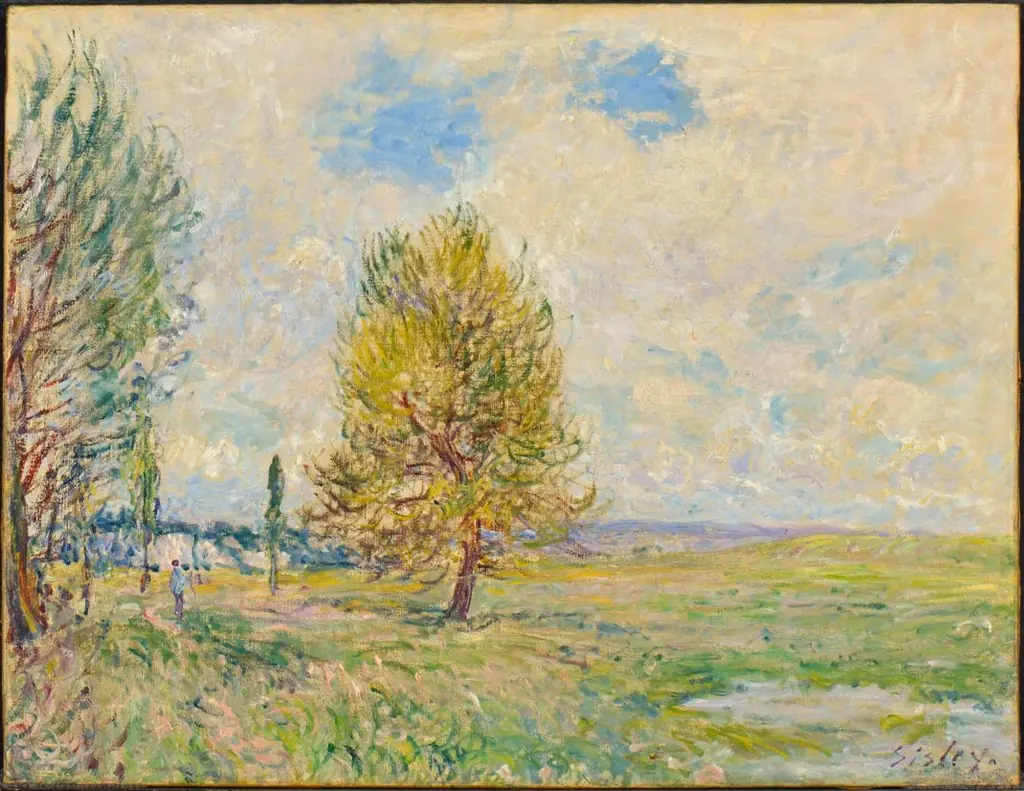 The Plain at Veneux-Nadon
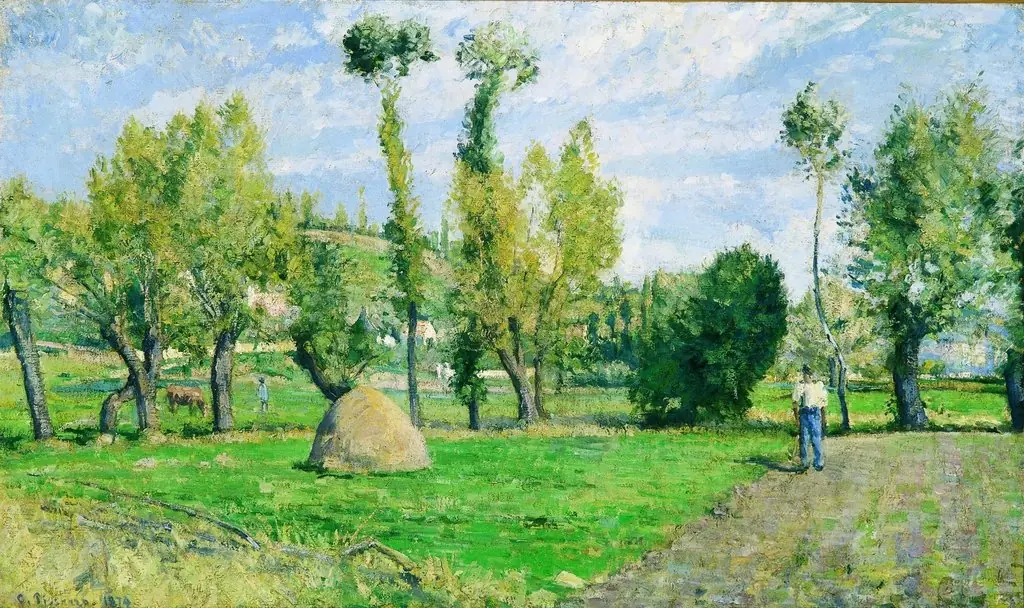 Meadows at Le Valhermeil, Auvers-sur-Oise
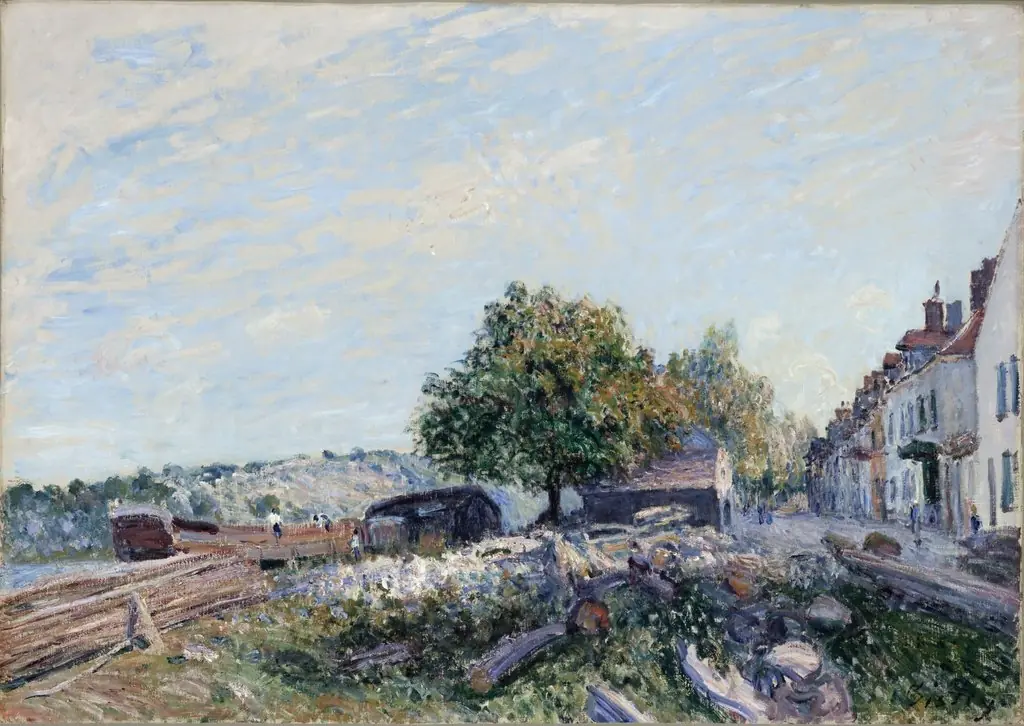 Saint Mammès, Morning
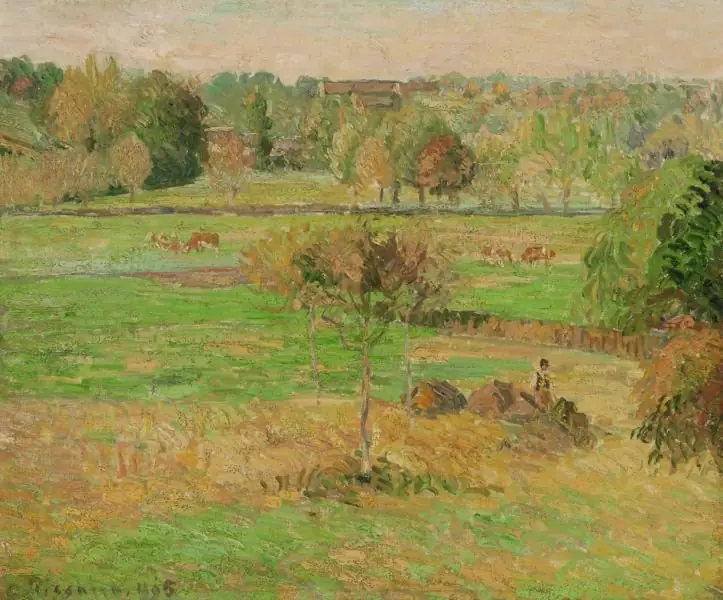 Autumn at Éragny
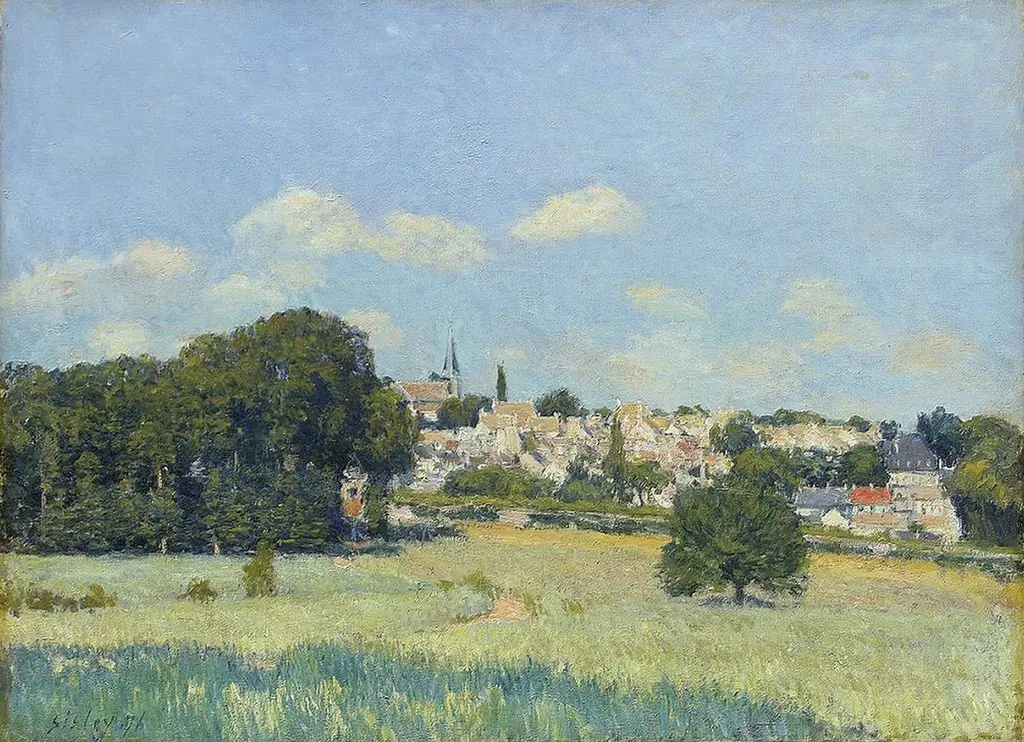 Vue de Marly-le-Roi, effet de soleil
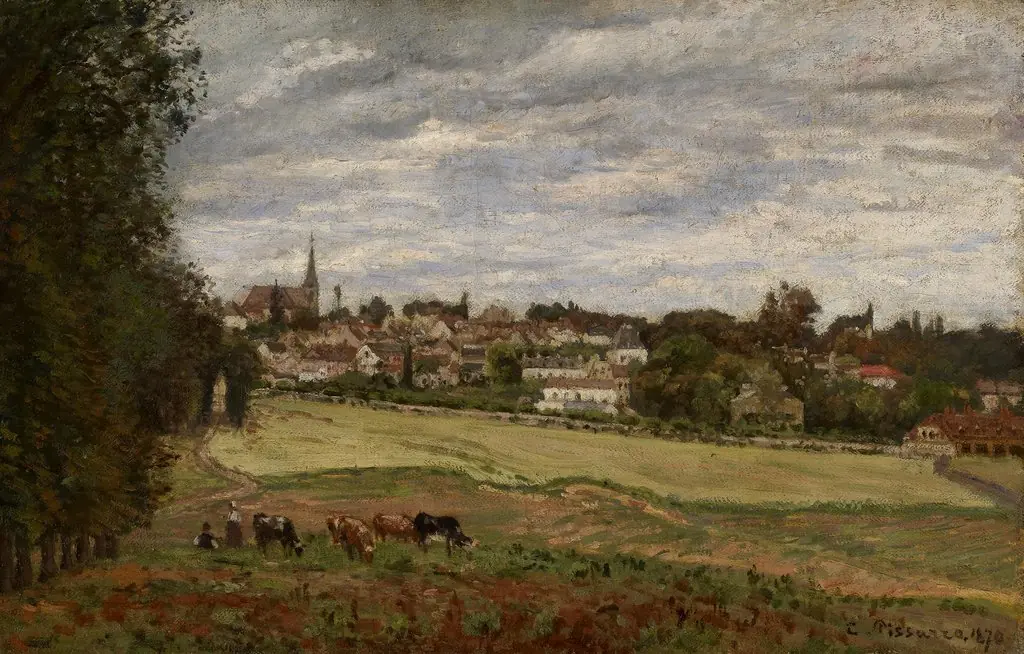 View of the Village of Marly-le-Roi
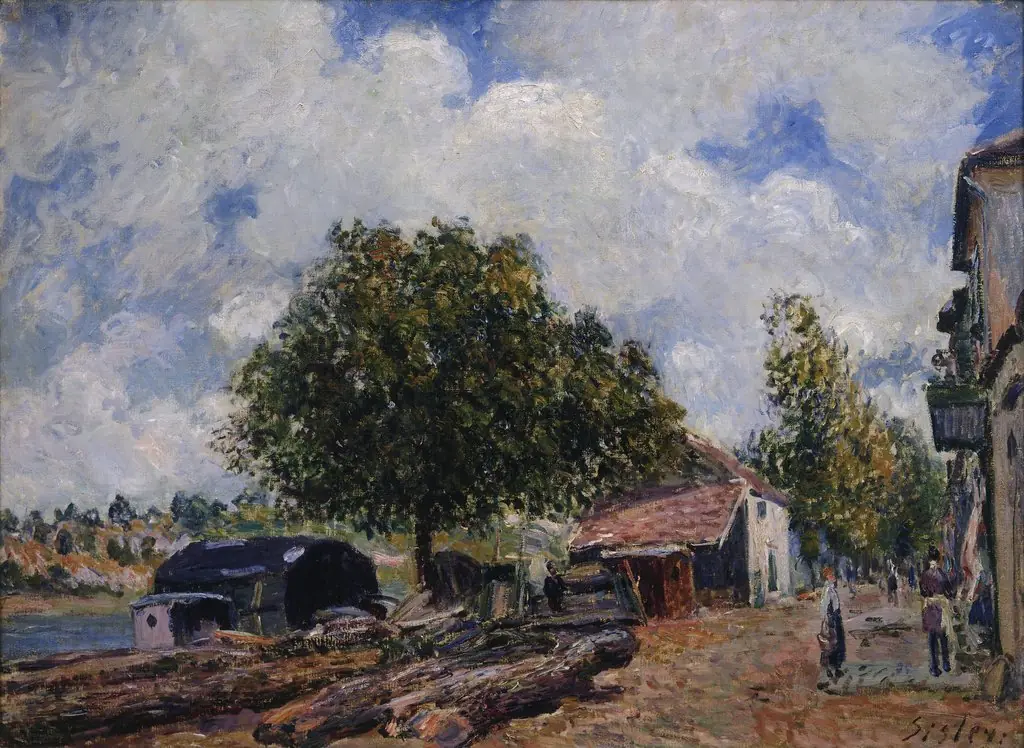 Timber Yard at Saint-Mammès
 Brick Kiln at Éragny