Artwork
The Pont-Neuf, Sunlight (Second Series)
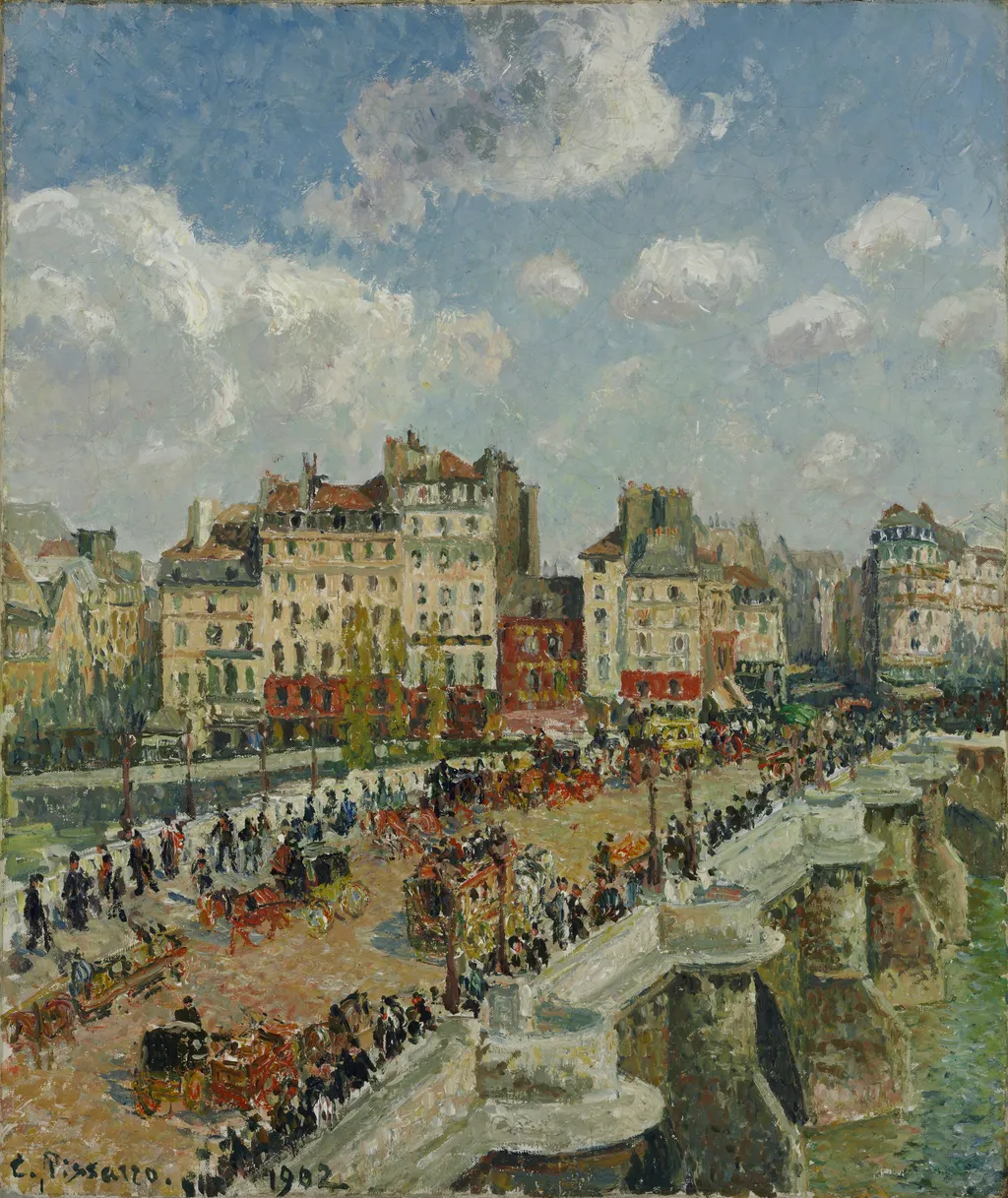
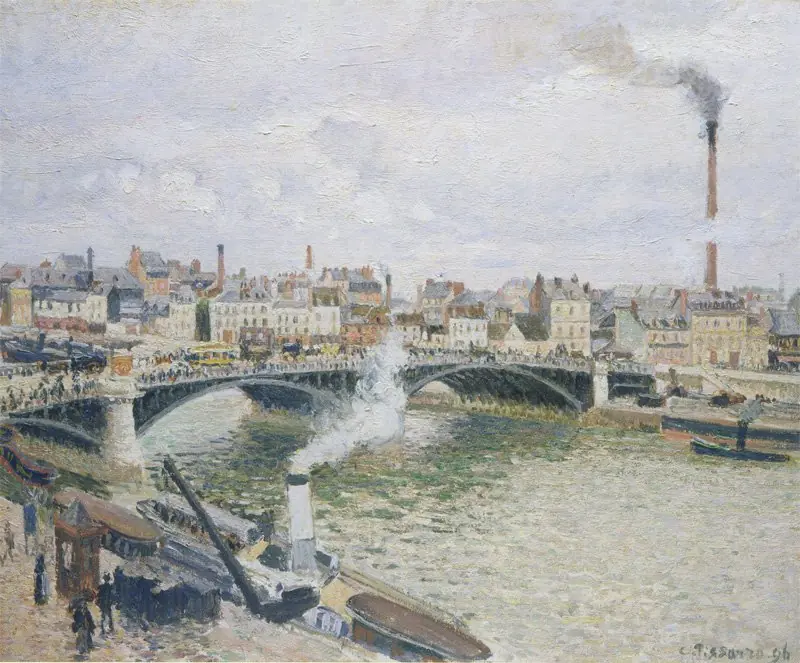
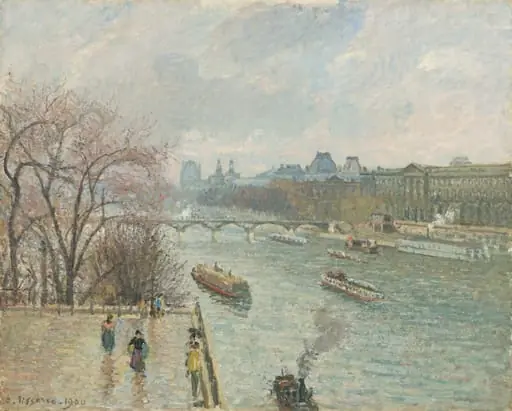
The Pont-Neuf, Sunlight (Second Series) is an oil painting by the Impressionist artist Camille Pissarro. It dates from 1902 and is held in the collection of the Hungarian National Gallery.
About this work
Overview
It reflects his enduring interest in urban life and the effects of natural light on public spaces, rendered with a refined, observational approach.
Painted in 1902, *The Pont-Neuf, Sunlight (Second Series)* is an oil-on-canvas cityscape by Camille Pissarro, capturing a moment on Paris’s oldest standing bridge. The work belongs to a later phase of his career, following his earlier Impressionist experiments and brief engagement with Pointillism. It reflects his enduring interest in urban life and the effects of natural light on public spaces, rendered with a refined, observational approach.
Subject & Meaning
The painting portrays the Pont Neuf at midday, alive with pedestrians, horse-drawn vehicles, and the quiet rhythm of daily commerce. Pissarro avoids idealization, instead presenting the bridge as a functional artery of modern Paris. The composition emphasizes movement and the interplay of figures within architecture, suggesting the quiet dignity of ordinary urban existence rather than grand spectacle.
Technique & Style
Pissarro employs loose, deliberate brushwork to convey sunlight’s diffusion across stone, skin, and fabric. Warm tones dominate the foreground, while the background buildings recede in cooler, softened hues, creating spatial depth. Though influenced by Neo-Impressionist color theory, he avoids strict pointillism, favoring a more fluid application that preserves the immediacy of observed light and atmosphere.
History & Provenance
Created during Pissarro’s final years, the painting is part of a series revisiting the Pont Neuf, a subject he had painted decades earlier. It remained in private collections until acquired by the Hungarian National Gallery, where it has been held since the mid-20th century. Its presence in Budapest reflects broader European collecting patterns of Impressionist works after World War I.
Context
By 1902, Paris had undergone significant urban renewal under Haussmann, and the Pont Neuf stood as a relic of older city life amid modernization. Pissarro, now in his seventies, continued to document these changes with quiet consistency. His focus on bridges, streets, and crowds aligned with a broader artistic interest in the social fabric of the modern metropolis.
Legacy
This painting exemplifies Pissarro’s late synthesis of observation and technique, bridging Impressionist spontaneity with a mature sensitivity to structure and light. Though less celebrated than his earlier works, it underscores his consistent commitment to depicting everyday urban reality, influencing later generations of realist and urban landscape painters.
Own this work as a print
Artist & collection
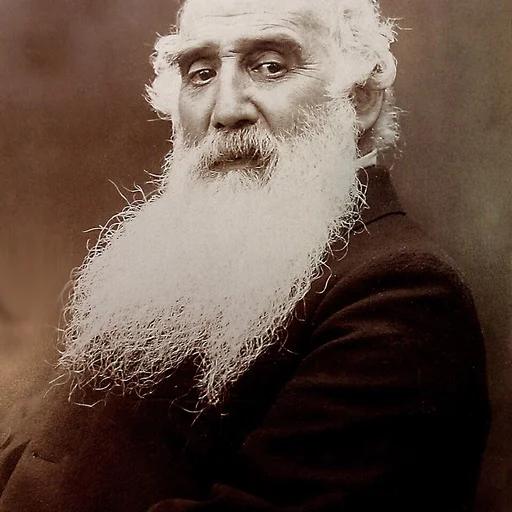
Artist
Jacob Abraham Camille Pissarro ( piss-AR-oh; French: ; 10 July 1830 – 13 November 1903) was a Danish-French Impressionist and Neo-Impressionist painter born on the island of Saint Thomas (now in the US Virgin Islands, but then in the…