Artwork
Scene from the ballet 'L'Amour'
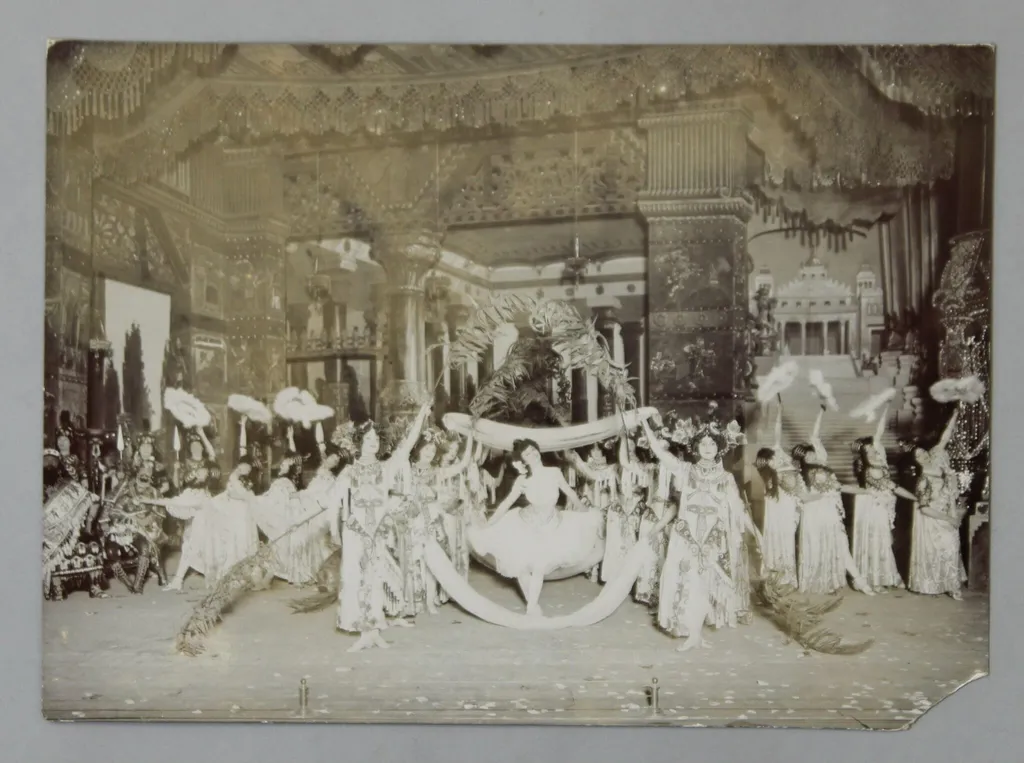
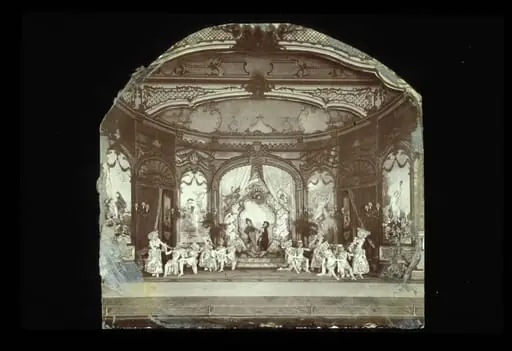
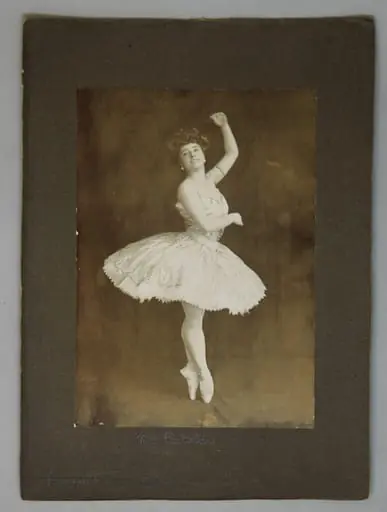
Scene from the ballet 'L'Amour' is a photographic photography by Campbell-Gray. It dates from 1906 and is held in the collection of the Victoria and Albert Museum.
About this work
Overview
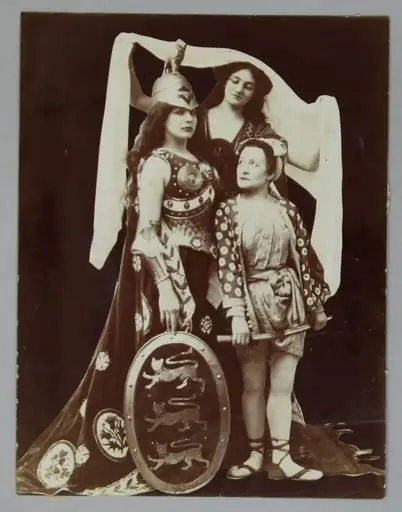
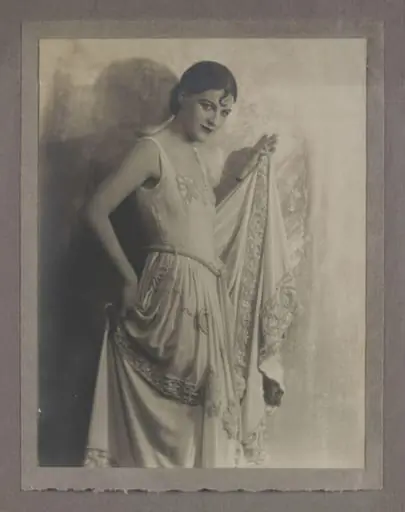
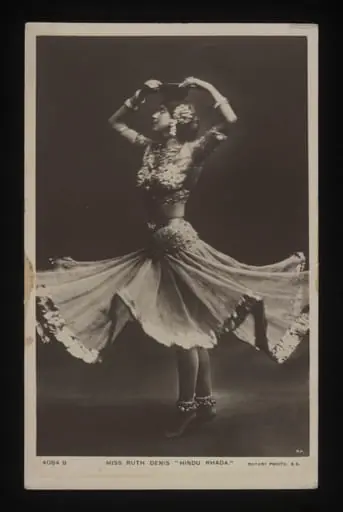
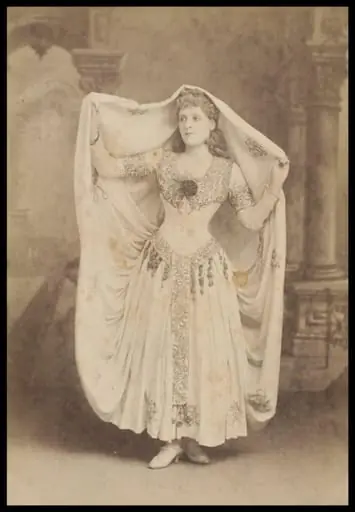
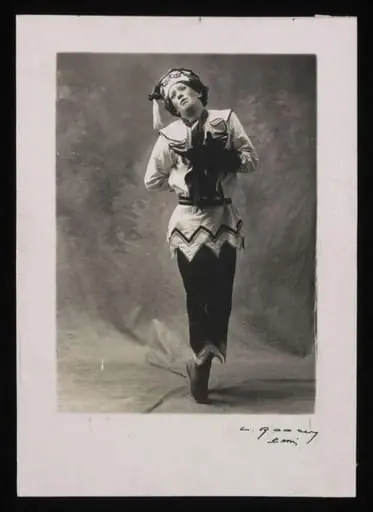
A black-and-white photograph captures Maria Bordin mid-performance in a scene from the ballet L'Amour, staged at London's Alhambra Theatre on 11 June 1906.
A black-and-white photograph captures Maria Bordin mid-performance in a scene from the ballet L'Amour, staged at London's Alhambra Theatre on 11 June 1906. The image serves as a documentary record of a live theatrical moment, preserving the dancer’s pose and costume under stage lighting. It was produced not for artistic exhibition but as a promotional or archival still, typical of early 20th-century theatre documentation.
Subject & Meaning
The ballet L'Amour, though now largely forgotten, centered on themes of romantic entanglement, conveyed through gesture and costume rather than narrative dialogue. Bordin, as lead dancer, embodied the emotional core of the piece. The photograph isolates her figure, emphasizing grace and movement, inviting viewers to infer the drama from posture and attire alone, without context of plot or music.
Technique & Style
The photograph employs naturalistic lighting and a static composition, typical of early stage photography. The background is blurred, directing focus to Bordin’s form and costume. No retouching or staging beyond the live performance is evident. The grain and contrast reflect the limitations of contemporary film stock, lending the image a documentary immediacy rather than theatrical embellishment.
History & Provenance
The image was taken during a single performance at the Alhambra Theatre, part of a series of photographs commissioned to document the production. It likely circulated among theatre managers, critics, or patrons as a keepsake or promotional tool. No record of its original owner survives, but it entered institutional collections in the late 20th century as part of efforts to preserve early British theatre ephemera.
Context
In 1906, London’s music halls and theatres competed for audiences with elaborate, short-run ballets blending spectacle and sentiment. L'Amour was one such production, relying on visual allure and familiar romantic tropes. Choreographed by Alfredo Curti and scored by M. Francis Thome, it reflected the era’s taste for accessible, emotionally charged entertainment, distinct from the more avant-garde works emerging in continental Europe.
Legacy
Though the ballet itself vanished from repertory, the photograph endures as evidence of a transient art form. It contributes to the visual archive of early 20th-century British theatre, illustrating how dance, costume, and photography intersected to document performance before film became commonplace. Its value lies not in fame, but in its quiet testimony to everyday theatrical life.
Artist & collection
Artist
Campbell-Gray made early 1900s photographs of theater life, especially ballet. In *Scene from the ballet 'L'Amour'* (1906), you see dancers onstage in soft light, the costumes catching the glow of footlights. The…