Artwork
Capriccio: Ruined Bridge with Figures
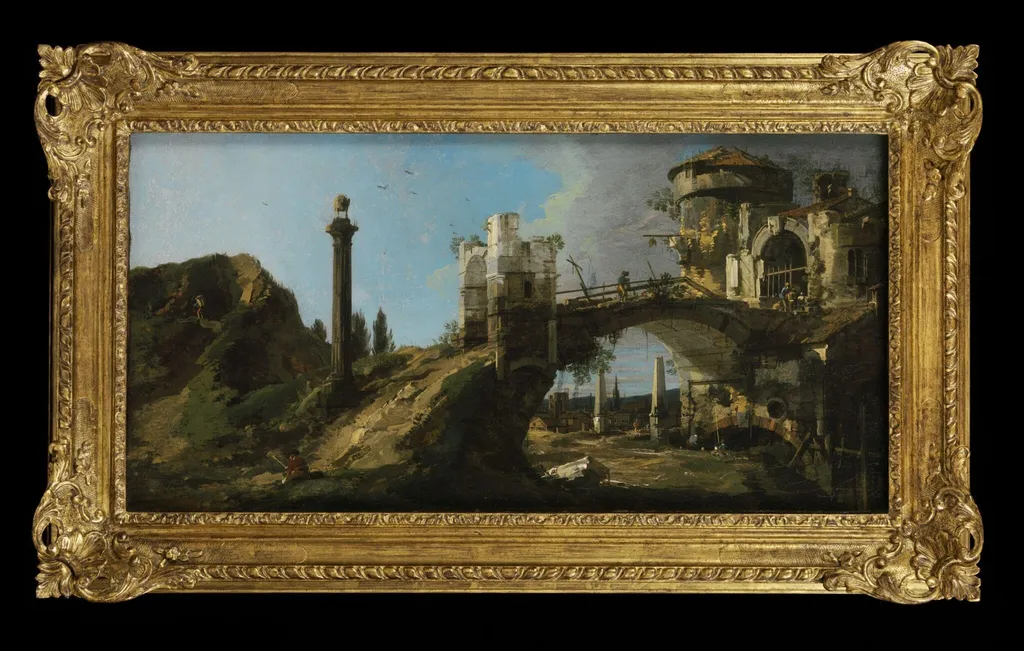
Capriccio: Ruined Bridge with Figures is an oil painting by the Baroque artist Giovanni Antonio Canaletto. It dates from 1746 and is held in the collection of the Victoria and Albert Museum.
About this work
Overview
His career included extended stays in England and the training of several notable successors, establishing his influence across European artistic circles.
Giovanni Antonio Canal, known as Canaletto, was a Venetian painter who developed a distinctive approach to landscape and architectural views. Trained in theatrical scenery by his father and uncle, he transitioned from stage design to painted vistas, blending observed reality with imaginative reconstruction. His career included extended stays in England and the training of several notable successors, establishing his influence across European artistic circles.
Subject & Meaning
This painting presents a fictional ruin, combining elements of real Roman and Venetian architecture into a dreamlike composition. A fractured bridge spans water beneath a tower and gatehouse, while an arch with a Corinthian column and a statuary ram anchors the left side. Distant cityscapes and small figures suggest human activity amid decay, evoking a meditation on time, memory, and the layered history of built environments.
Technique & Style
Canaletto employed glazing techniques to achieve subtle shifts in light and atmosphere, layering thin oils to render water with luminous depth and stone with varied tonal warmth. Strong shadows and a controlled palette of cool and warm hues enhance spatial recession. The scene, though invented, is rendered with precise architectural detail, reflecting his training in perspective and his fascination with the interplay of structure and light.
History & Provenance
Created during Canaletto’s mature period, this capriccio aligns with his broader output of imaginary views produced alongside topographical works. While the painting’s exact commission or early ownership is undocumented, it reflects the 18th-century appetite for architectural fantasy among collectors who valued both artistic invention and technical mastery. Its survival underscores its place within a broader tradition of Venetian view painting.
Context
Capricci were popular in 18th-century Italy as intellectual diversions, allowing artists to blend real ruins with invented elements, often evoking classical antiquity. Canaletto’s versions stood apart for their atmospheric precision and restrained fantasy. His work in England, where he painted London’s landmarks, further shaped how northern audiences perceived urban scenery, influencing local painters who adopted his methods of light and composition.
Legacy
Canaletto’s capricci helped define a genre that bridged topography and imagination, influencing later generations of landscape painters. His nephew Bellotto and contemporaries like Guardi carried forward his approach to architectural detail and atmospheric rendering. The technical finesse of his glazing and his ability to animate ruins with quiet narrative continue to inform studies of 18th-century visual culture and the representation of time in art.
Artist & collection

Artist
Giovanni Antonio Canal, commonly known as Canaletto, was an Italian painter from the Republic of Venice, considered an important member of the 18th-century Venetian school.

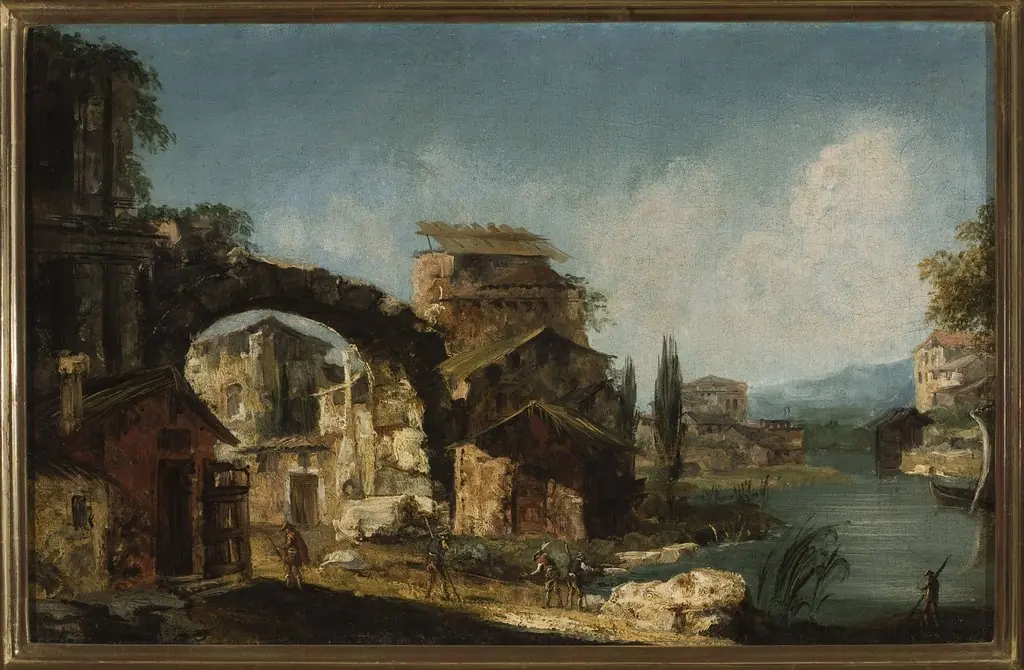 Landscape with ruins
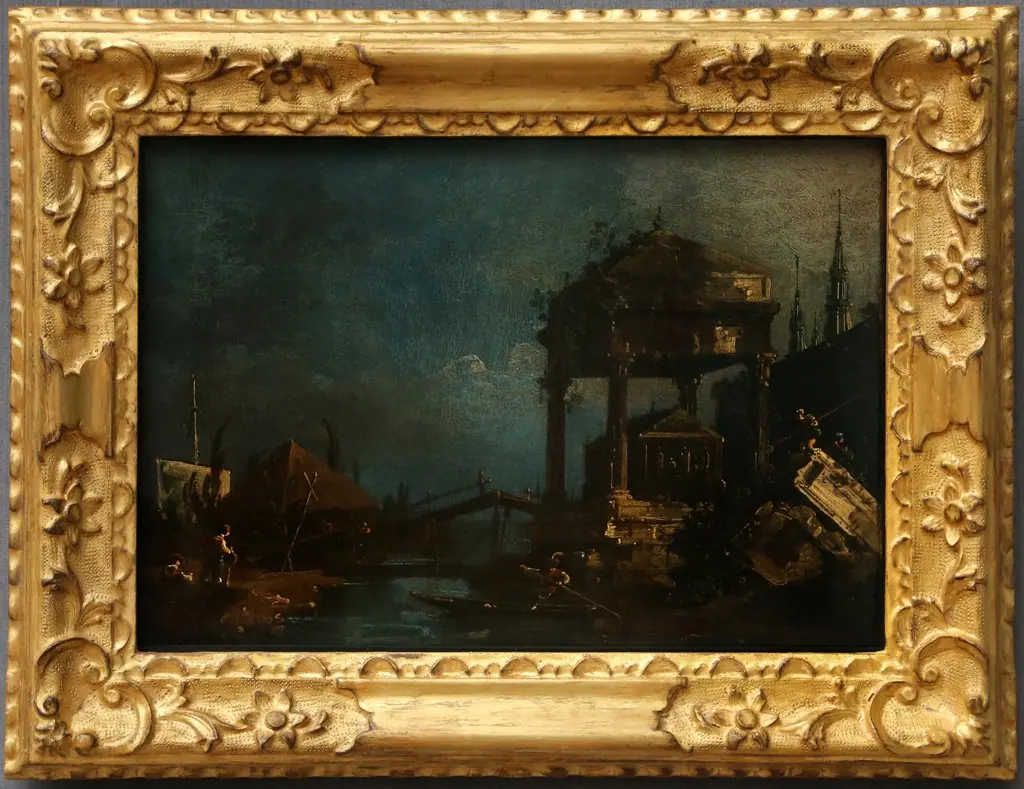 Fantasy Landscape with Sarcophagus under a Canopy
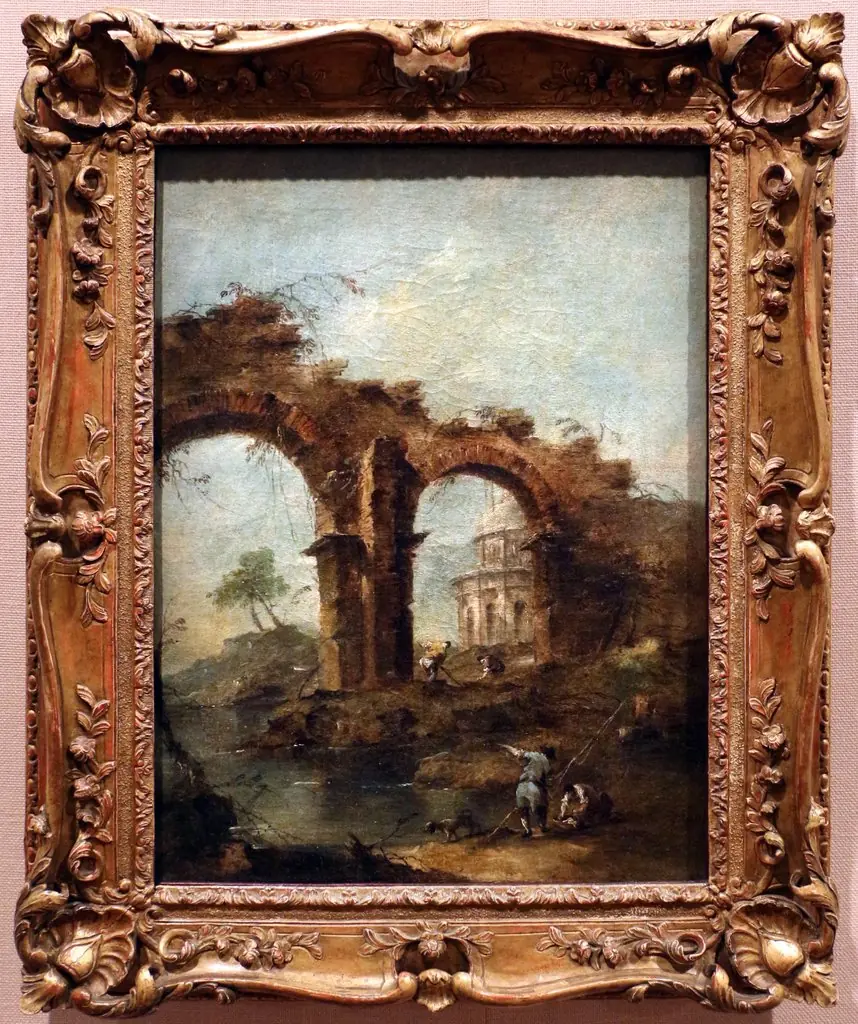 capricho
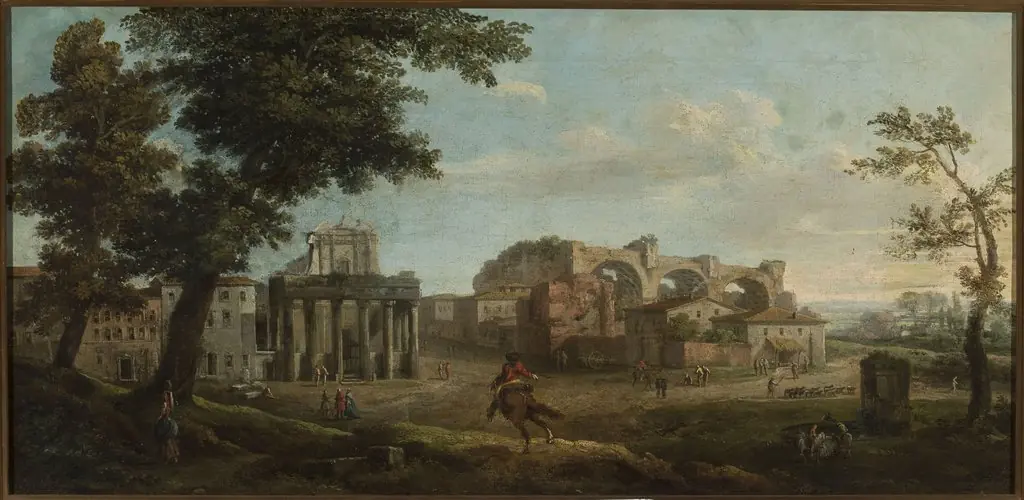 View of Rome
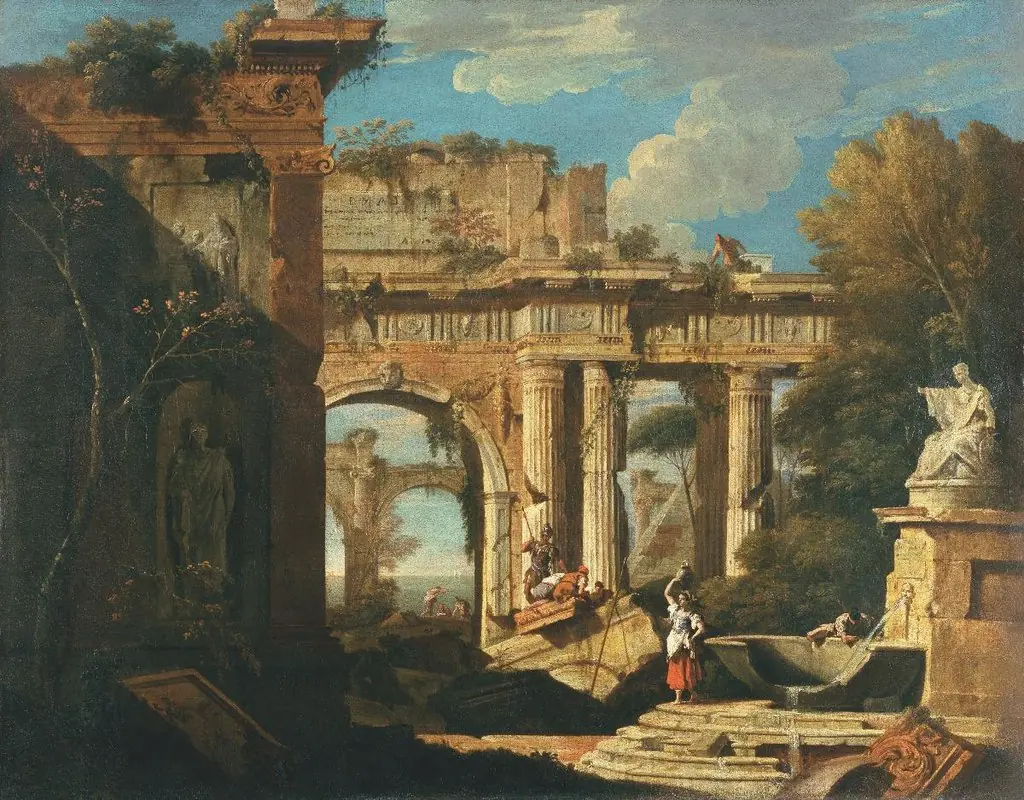 Capriccio con rovine romane
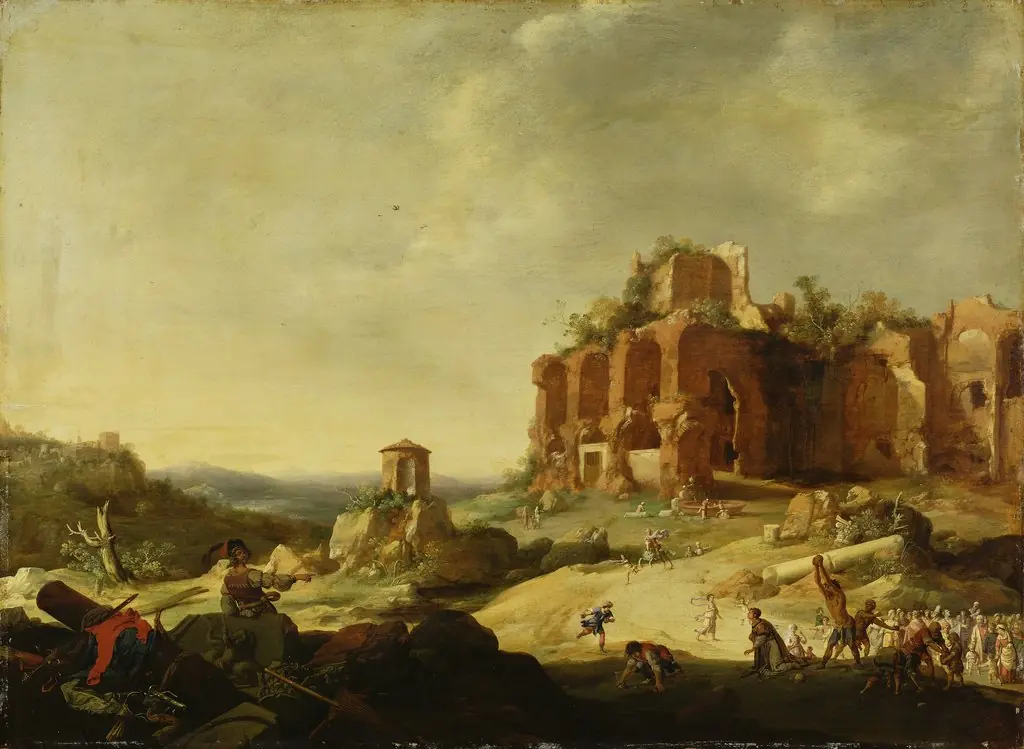 The Stoning of St. Stephen
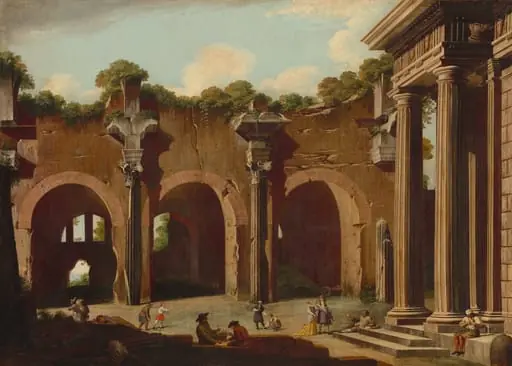 The Basilica of Constantine with a Doric Colonnade
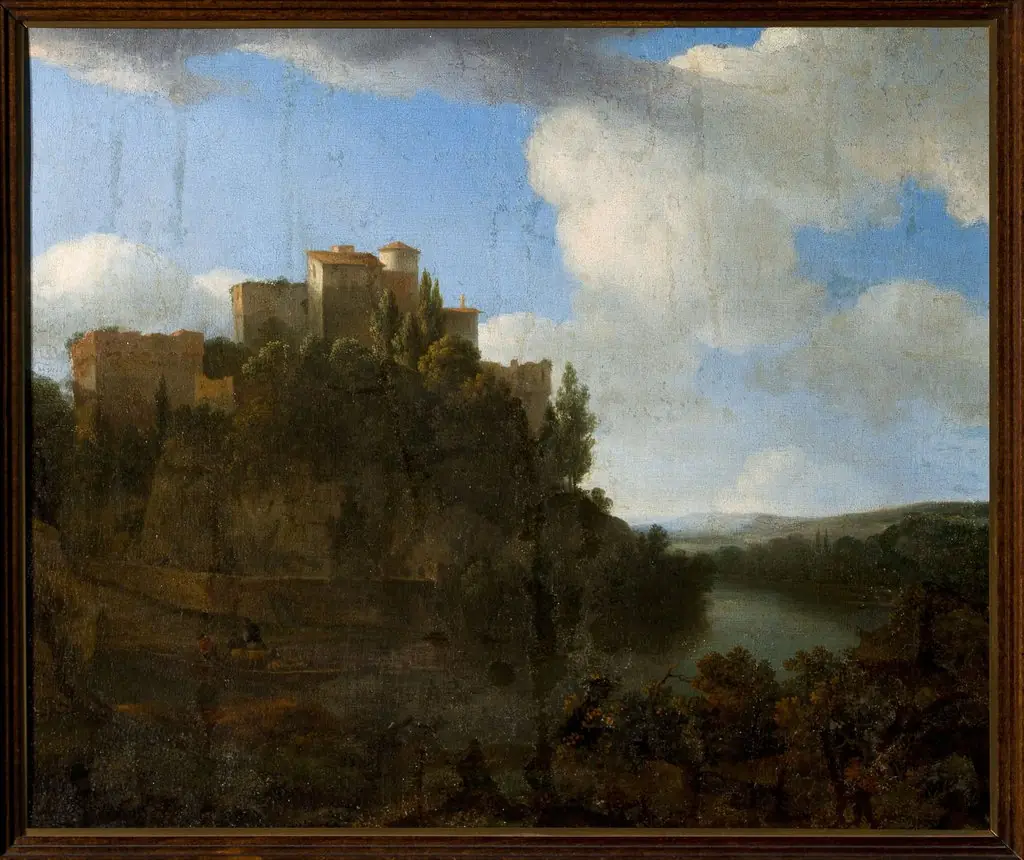 Castle in landscape
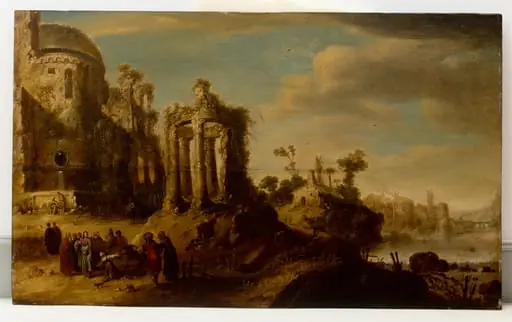 Ruinenlandschaft mit Christus und dem kanaanäischen Weib
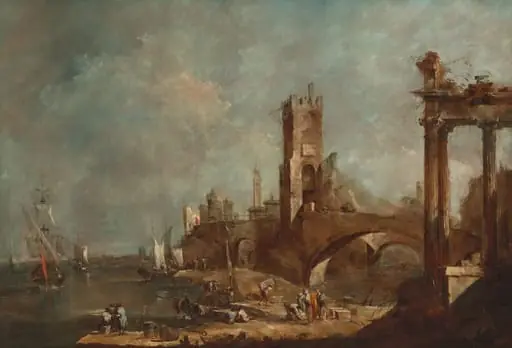 Capriccio of a Harbor
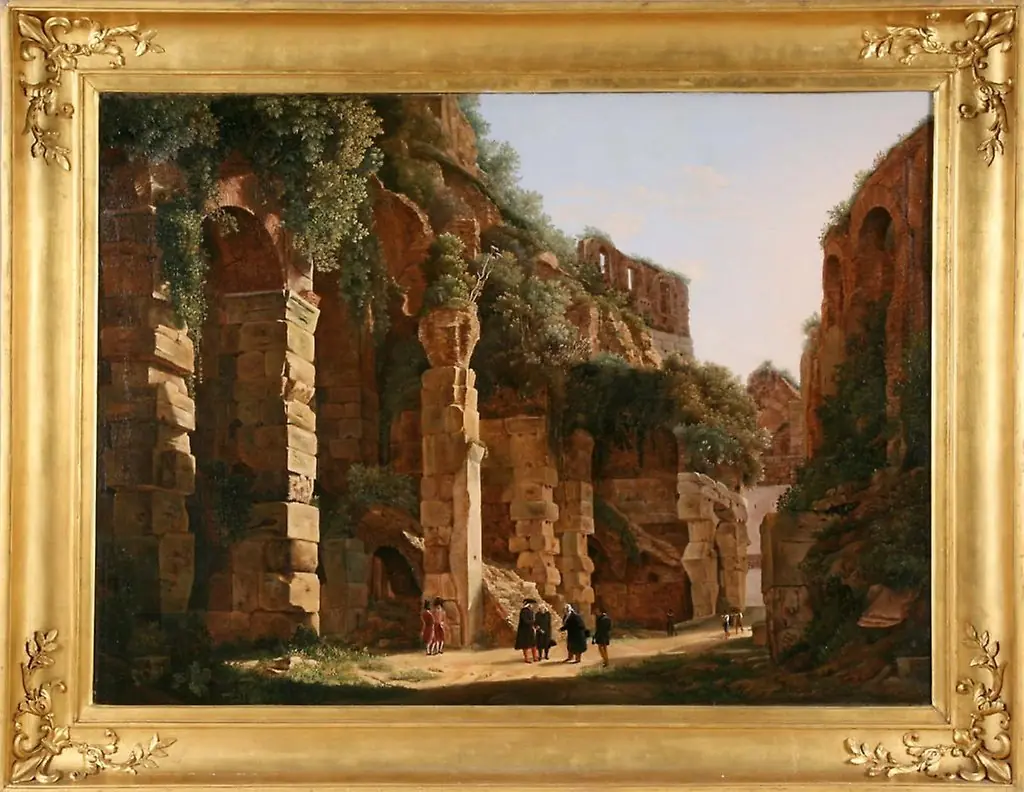 Inside the Colosseum
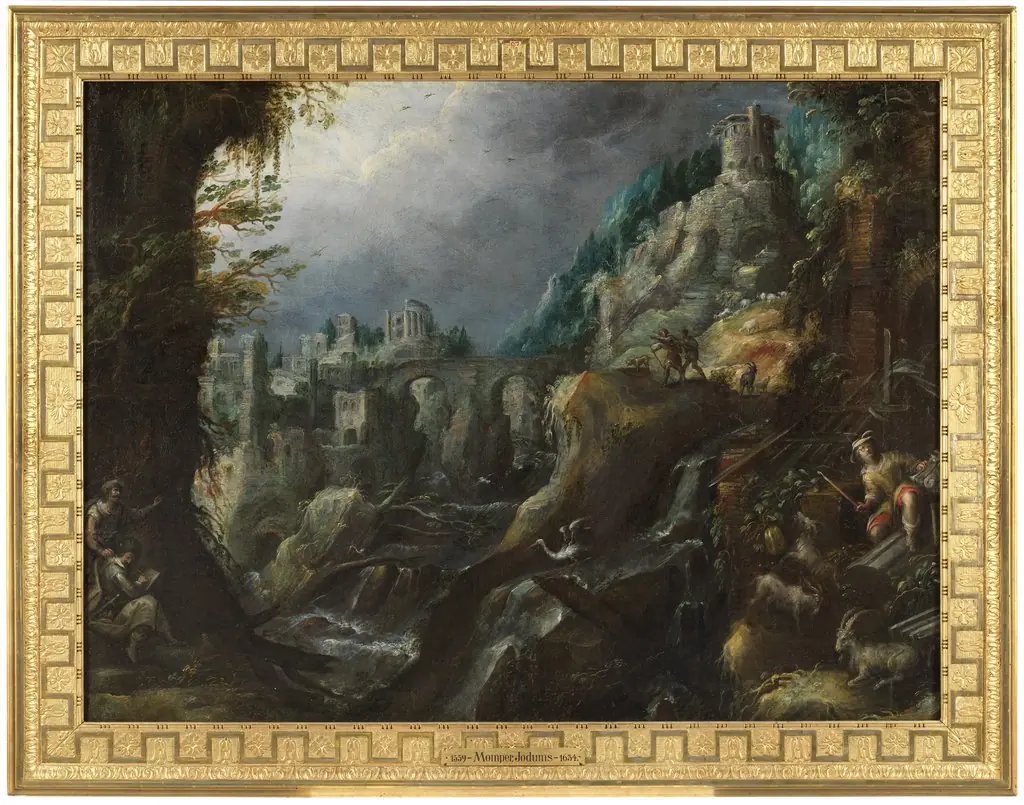 Berglandskap med forsande flod, klassiska ruiner och herdar