Artwork
capricho
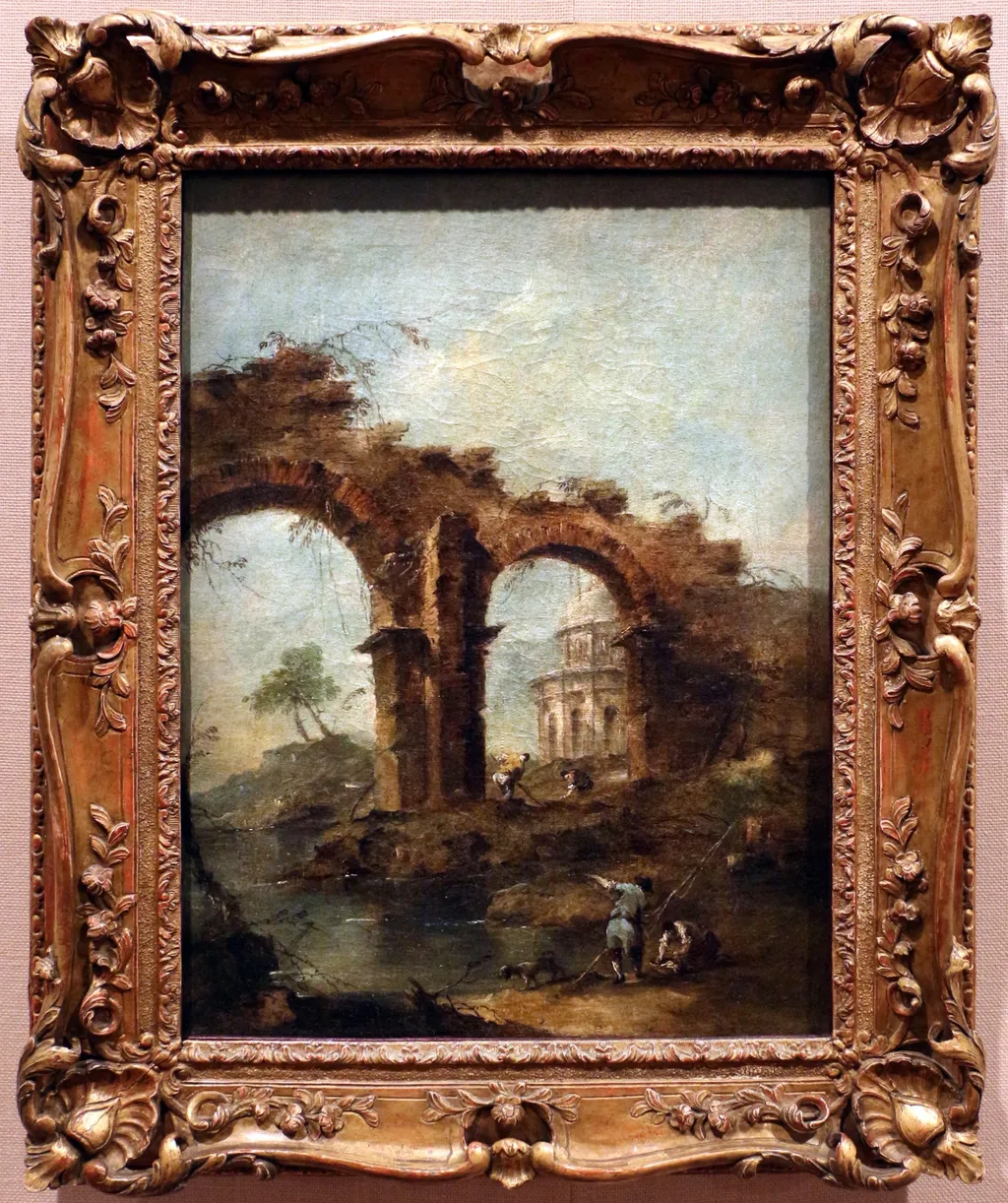
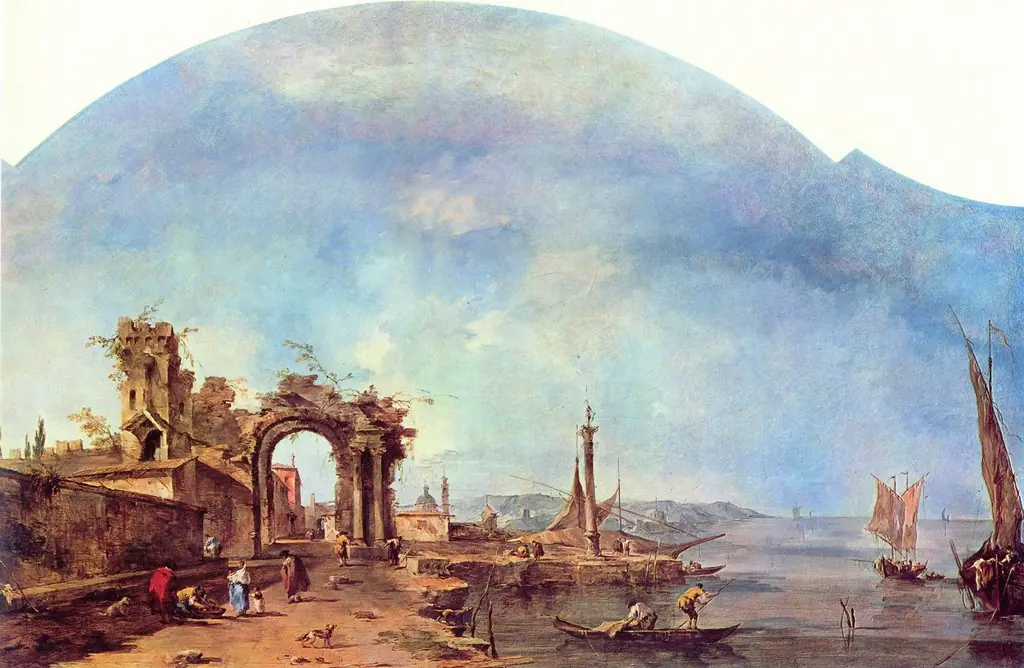
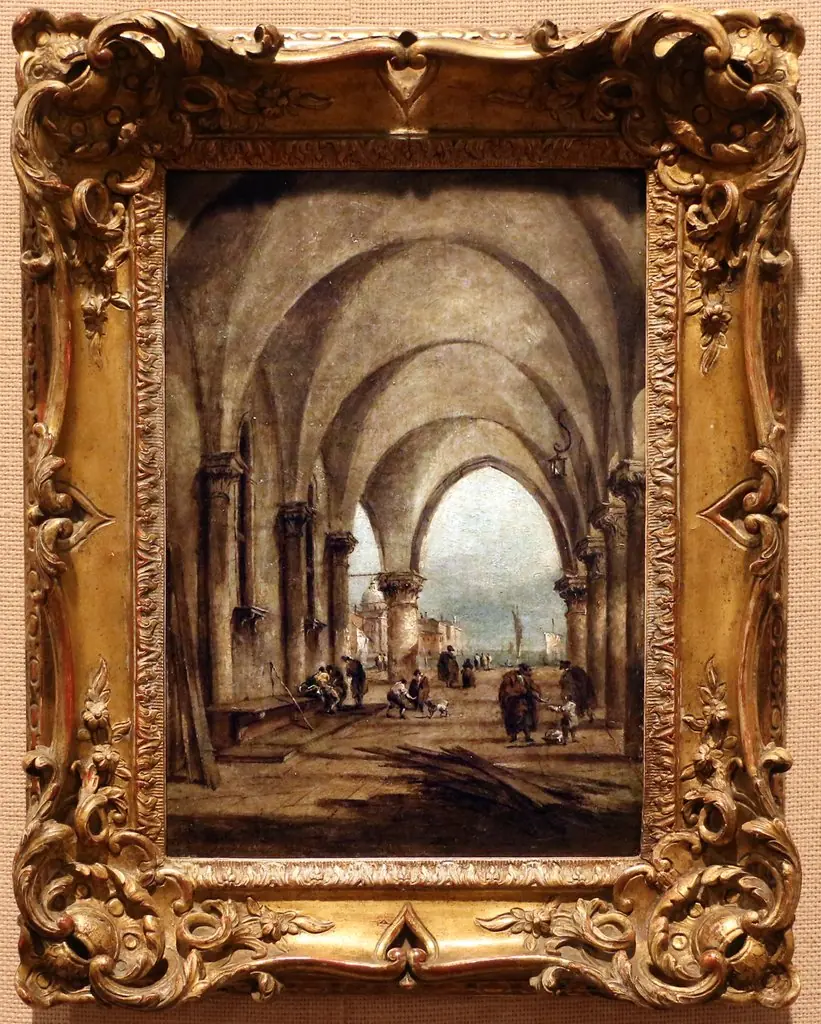
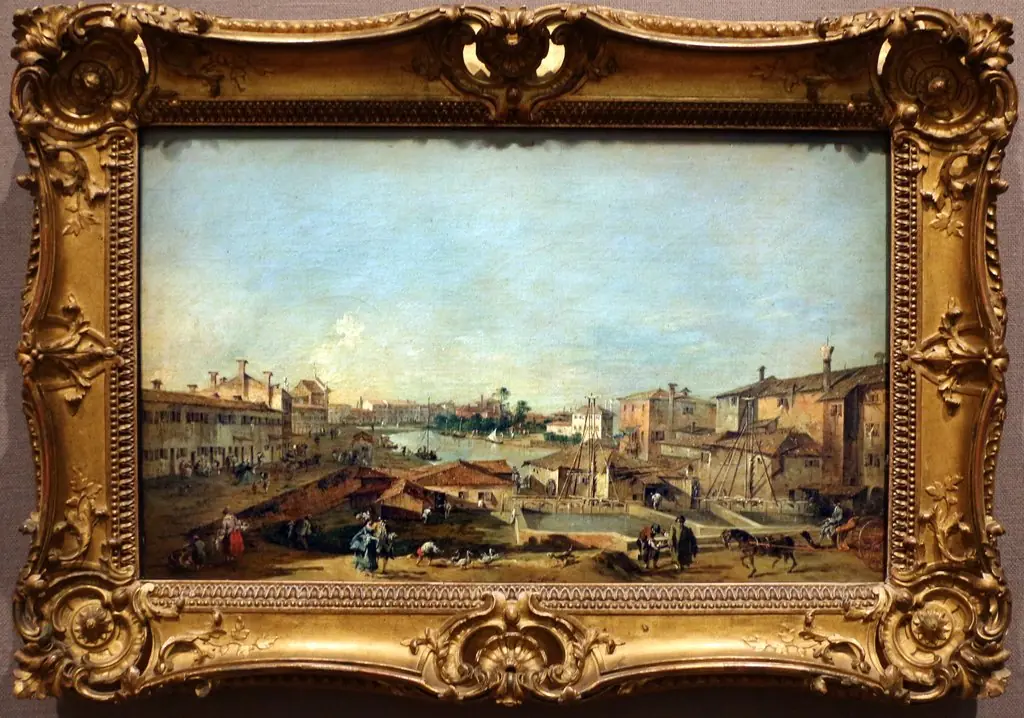
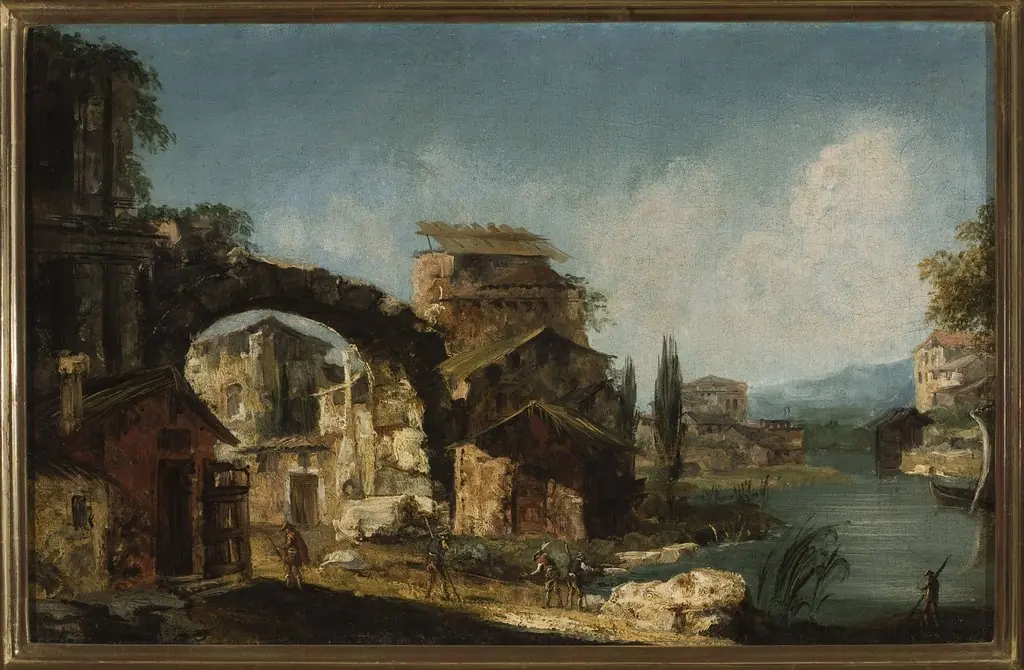
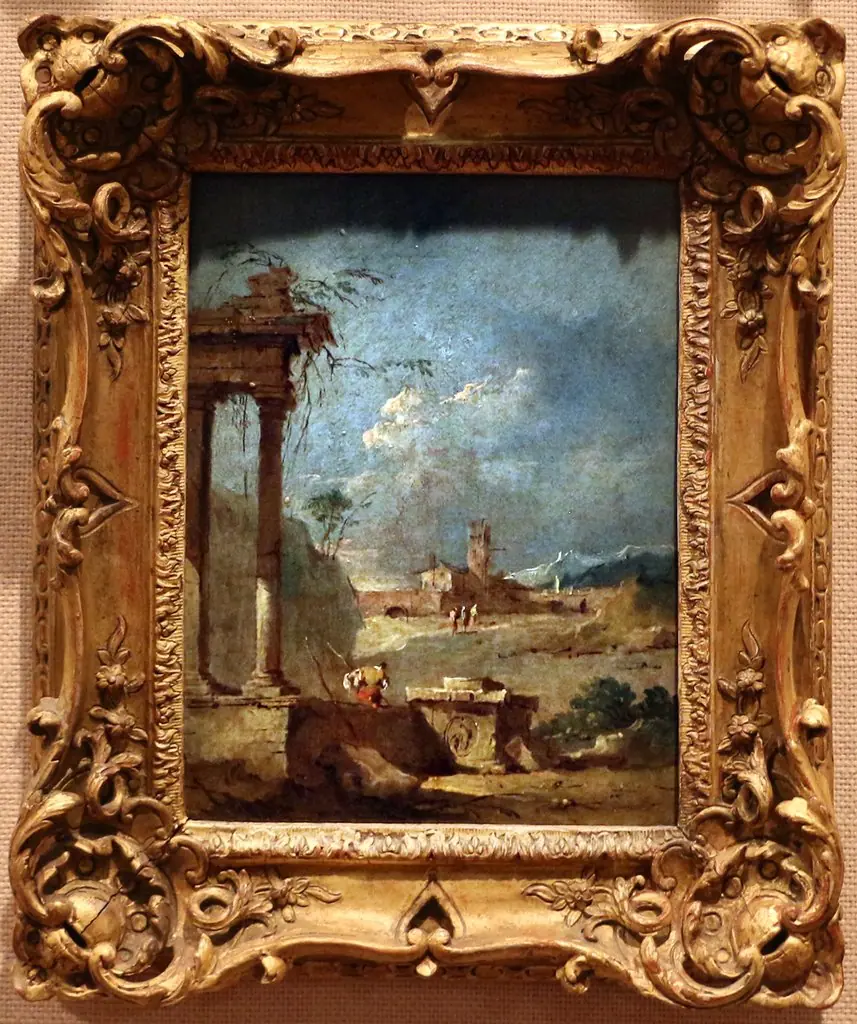
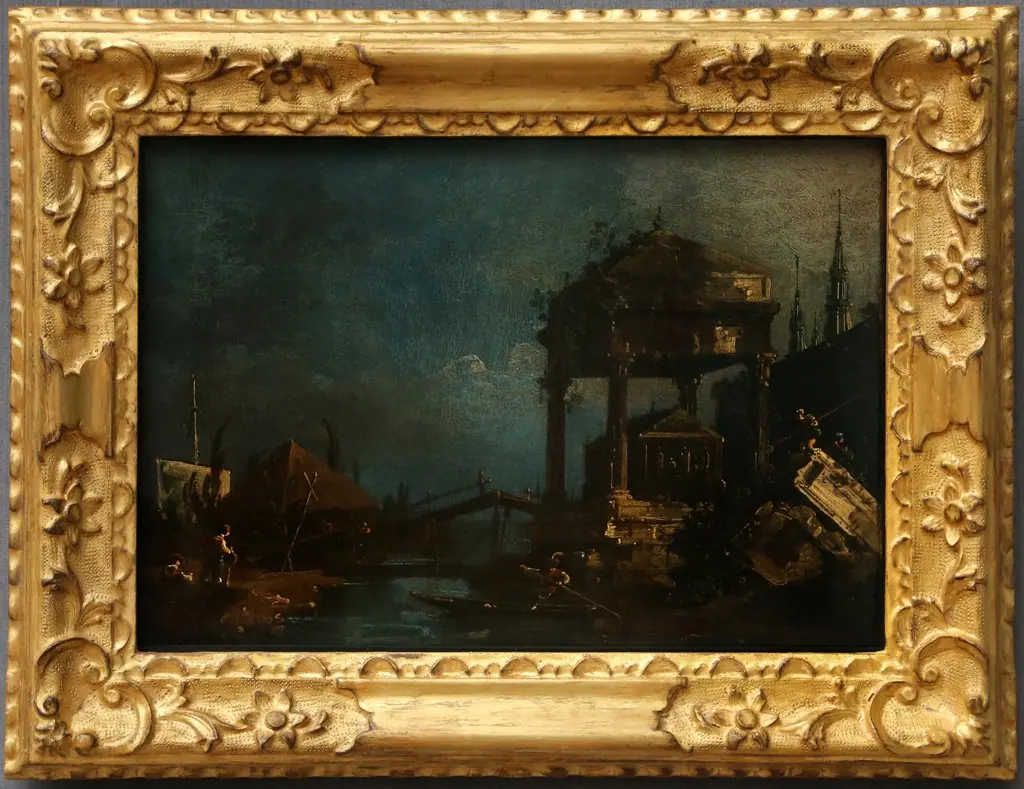
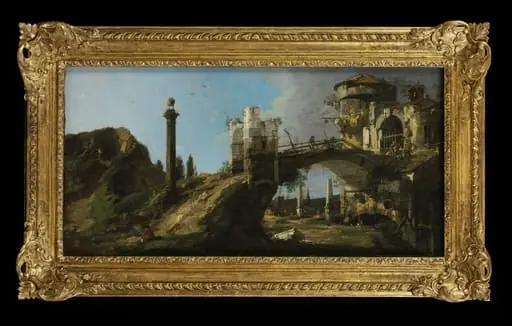
capricho is an unspecified painting by the Rococo painting artist Francesco Guardi. It dates from 1770 and is held in the collection of the Calouste Gulbenkian Museum.
About this work
Overview
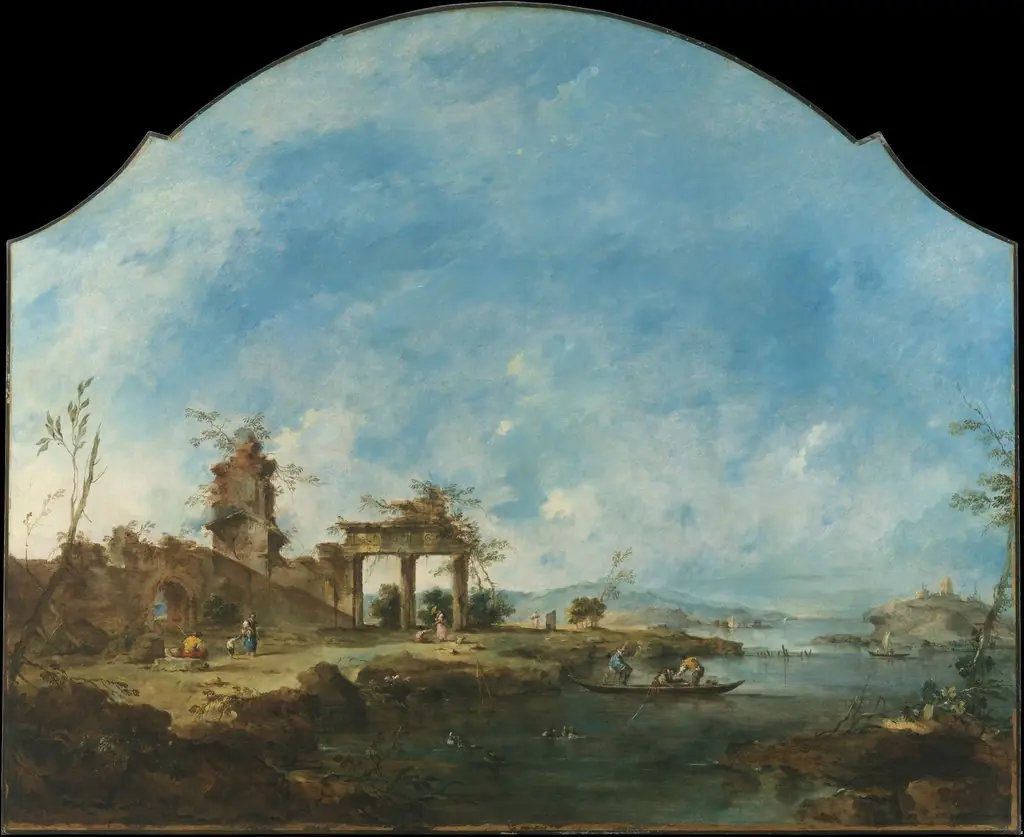
Francesco Guardi painted *Capricho* in 1770, near the end of his career, as part of a series of imaginative landscapes that moved beyond topographical accuracy.
Francesco Guardi painted *Capricho* in 1770, near the end of his career, as part of a series of imaginative landscapes that moved beyond topographical accuracy. Though trained in religious subjects and rooted in Venice’s artistic traditions, he increasingly favored atmospheric scenes that evoked mood over documentation. This work exemplifies his mature style, blending observation with poetic invention, and is now held in the Calouste Gulbenkian Museum in Lisbon.
Subject & Meaning
The painting presents a quiet, contemplative scene centered on a weathered archway half-consumed by nature. A solitary figure and a dog traverse a winding path, suggesting quiet passage through time. The crumbling structure, framed by dense foliage, implies decay and renewal rather than grandeur. Guardi avoids narrative clarity, instead inviting reflection on impermanence and the quiet persistence of the natural world.
Technique & Style
Guardi abandoned the precise linear perspective of Canaletto in favor of loose, fluid brushwork and atmospheric modulation. He applied paint with quick, textured strokes to suggest foliage, stone, and light, creating a sense of movement and soft focus. Light filters through the trees with subtle gradations, enhancing depth without sharp definition. The technique prioritizes emotional resonance over architectural precision, marking a shift toward Romantic sensibility.
History & Provenance
Created in the final decades of the Venetian Republic, *Capricho* emerged as Venice’s political and cultural influence waned. Guardi’s shift from religious commissions to vedute and capricci reflected broader artistic trends among Venetian painters seeking new subjects. The painting entered the Calouste Gulbenkian collection in the 20th century, having passed through private hands in Italy and France before its acquisition by the museum in Lisbon.
Context
In late 18th-century Venice, the demand for grand historical or religious art declined, while collectors favored evocative, intimate scenes. Guardi’s capricci—fantastical or poetic landscapes—responded to this shift, offering emotional landscapes rather than topographical records. His work stood apart from the precision of his contemporaries, aligning more with emerging Romantic ideals that valued mood, memory, and the sublime in decay.
Legacy
Guardi’s expressive brushwork and atmospheric compositions influenced later generations of landscape painters, particularly those drawn to emotional tone over detail. While less celebrated in his lifetime than Canaletto, his approach to light and texture prefigured 19th-century Impressionist concerns. *Capricho* remains a quiet testament to his ability to transform ruins into meditative spaces, bridging the Baroque and Romantic eras.
Artist & collection
Artist
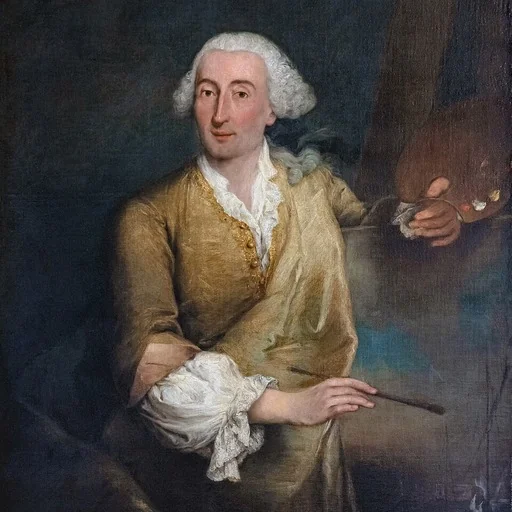
Francesco Lazzaro Guardi (Italian pronunciation: ; 5 October 1712 – 1 January 1793) was an Italian painter, nobleman, and a member of the Venetian School.