Artwork
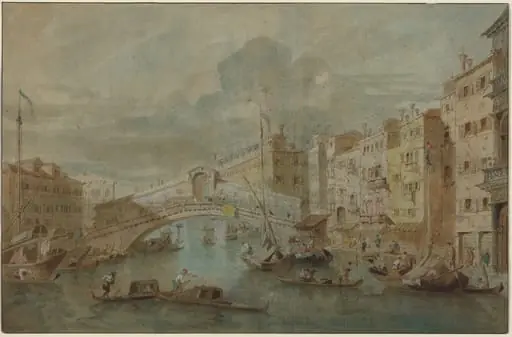
Ponte di Rialto, Venice
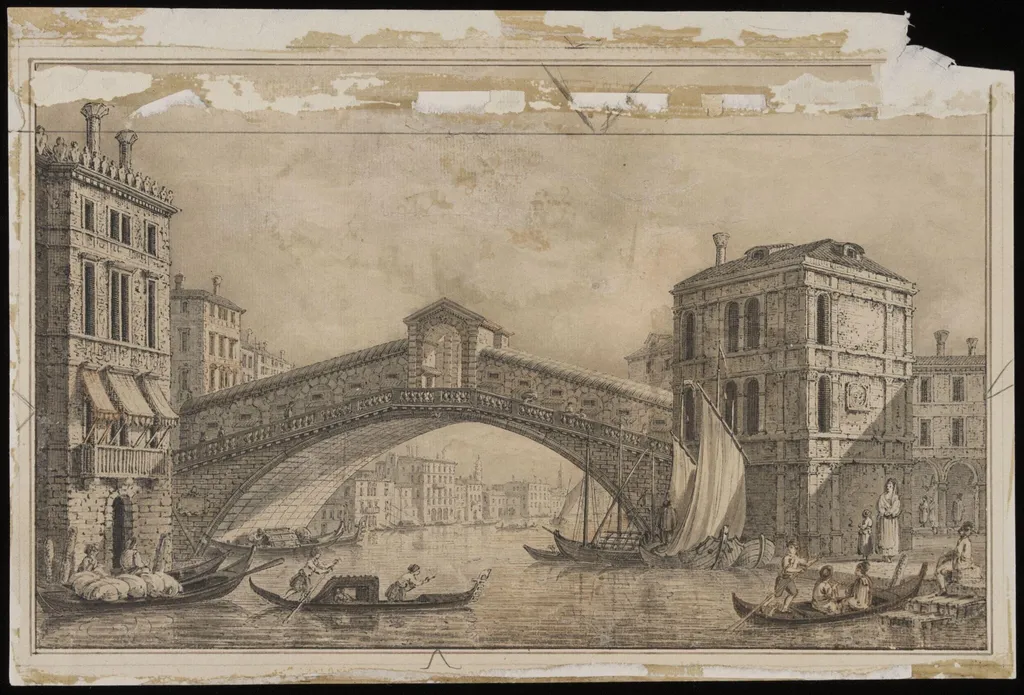
Ponte di Rialto, Venice is a drawing by Canaletto. It dates from 1750 and is held in the collection of the Victoria and Albert Museum.
About this work
Overview
Created in 1750, this pen and ink wash drawing by Canaletto captures the Rialto Bridge in Venice with precise observation. The work belongs to a tradition of topographical drawings that document urban landscapes with clarity. Executed in monochrome, it balances architectural detail with atmospheric tone, using ink washes to suggest light and shadow without color.
Subject & Meaning
The drawing centers on the Rialto Bridge, a vital commercial crossing over the Grand Canal. Surrounding it are bustling boats, figures moving along the bridge, and lined facades of merchant buildings. The scene reflects Venice’s daily rhythm—trade, transit, and public life—rather than ceremonial grandeur. The composition emphasizes function and human activity within an enduring urban structure.
Technique & Style
Canaletto employed fine pen lines for architectural contours and cross-hatching to model volume and texture. Ink washes were layered to create gradations of shadow, particularly on stone surfaces and beneath the bridge’s arch. The delicate handling of water ripples and boat forms adds subtle motion, contrasting with the static solidity of the buildings and bridge.
History & Provenance
This drawing was made during Canaletto’s mature period, when he was sought after by European collectors for his accurate depictions of Venetian scenes. Likely created as a preparatory study or independent work for private patrons, it reflects the demand for topographical accuracy in 18th-century art. Its survival offers insight into the artist’s working methods beyond finished paintings.
Context
In mid-18th century Venice, the Rialto Bridge was both a functional link and a symbol of civic pride. Canaletto’s drawings responded to a growing interest in urban documentation among travelers and collectors. His work contributed to a visual record of Venice’s architecture during a time of economic transition, capturing the city’s physical form before later alterations.
Legacy
This drawing exemplifies Canaletto’s influence on the genre of topographical art. His method of combining precise line with tonal wash became a model for later artists documenting urban environments. While not widely exhibited, such works remain important references for historians studying Venetian architecture and 18th-century drawing practices.
Artist & collection
Artist
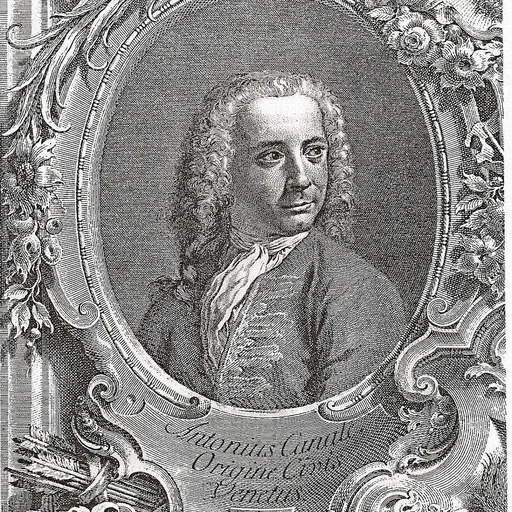
Giovanni Antonio Canal (18 October 1697 – 19 April 1768), commonly known as Canaletto (Italian: ), was an Italian painter from the Republic of Venice, considered an important member of the 18th-century Venetian school.

 View of the Rialto Bridge, Venice
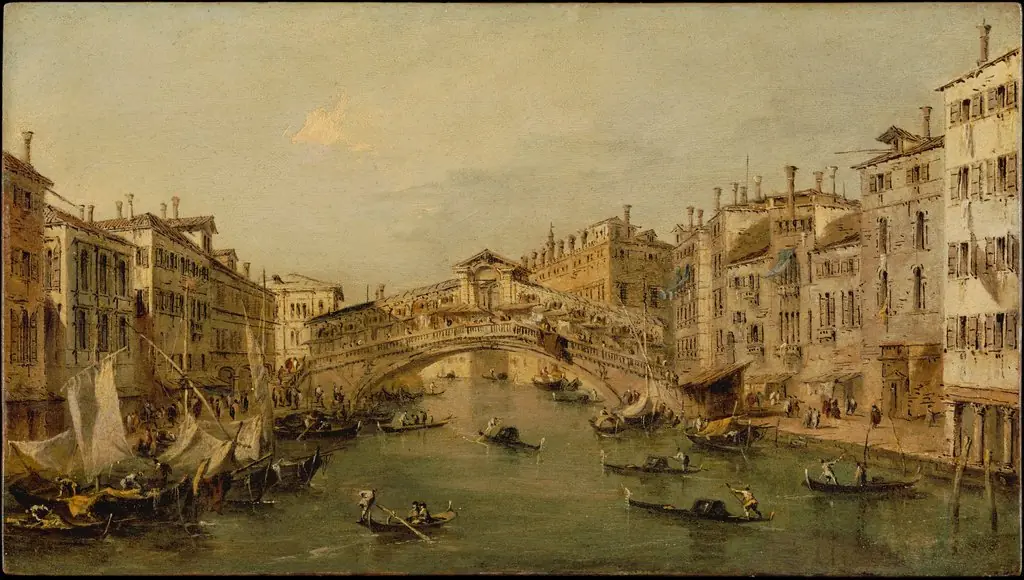 Venice: The Rialto
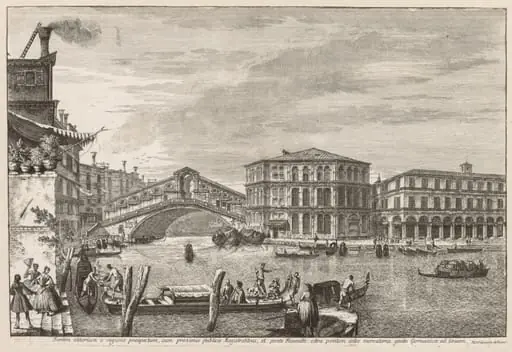 Views of Venice: The Bridge and Market of Rialto
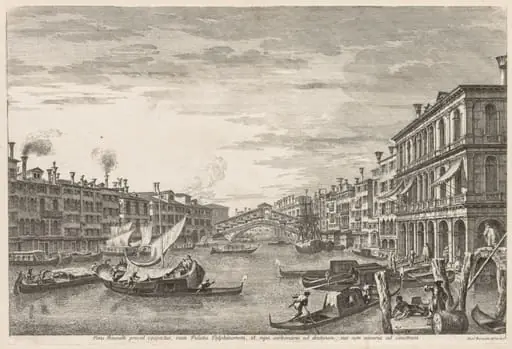 Views of Venice: Rialto
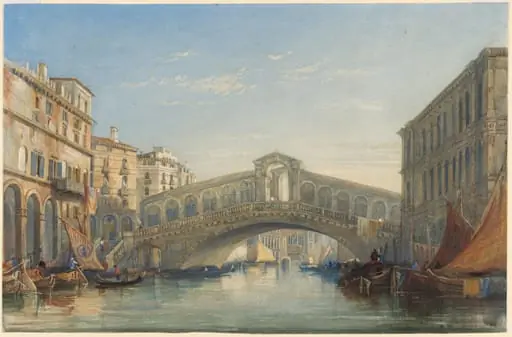 The Rialto Bridge, Venice
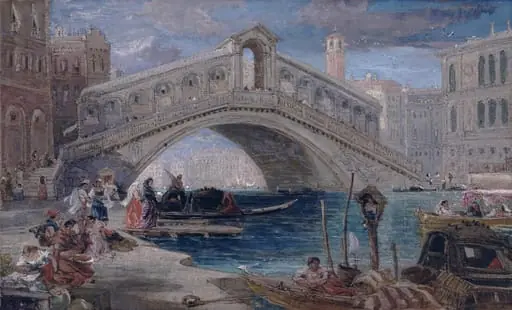 The Rialto, Venice
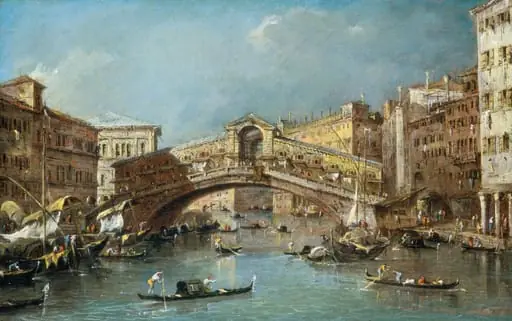 Rialto Bridge, Venice
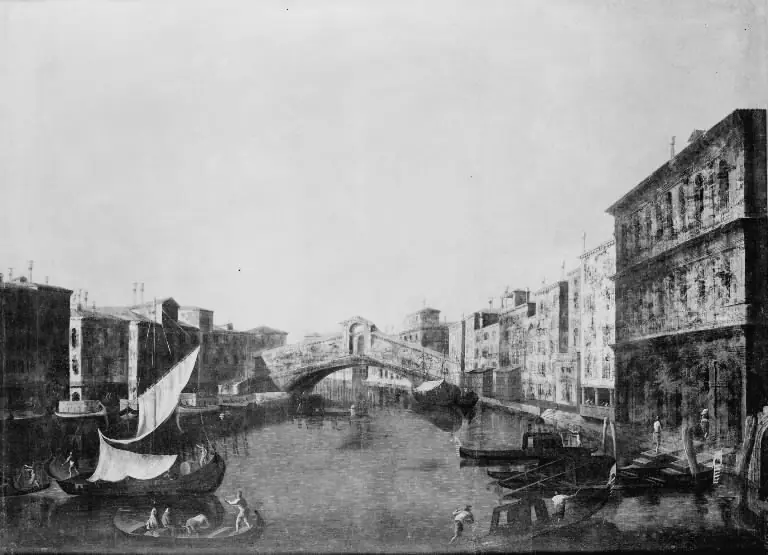 View of Canale Grande in Venice with the Rialto Bridge
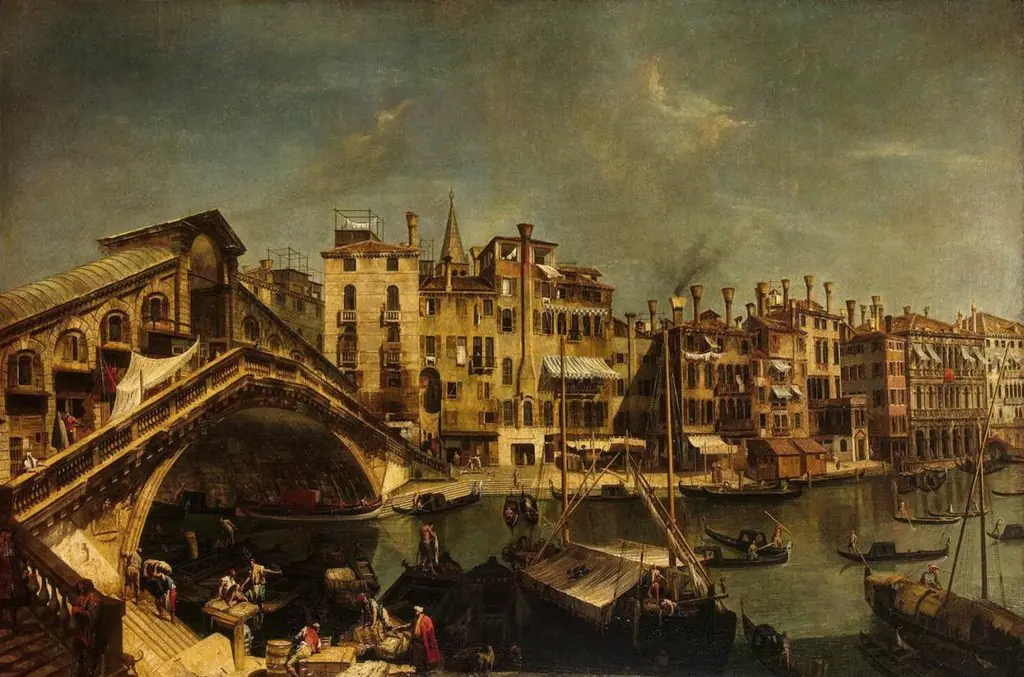 Rialto Bridge in Venice
 View of Canale Grande in Venice with the Rialto Bridge
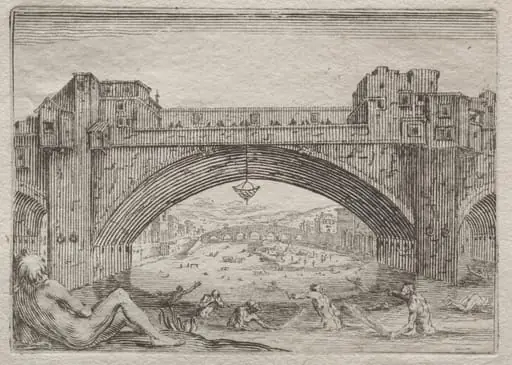 The Ponte Vecchio, Florence