Artwork
The Ponte Vecchio, Florence
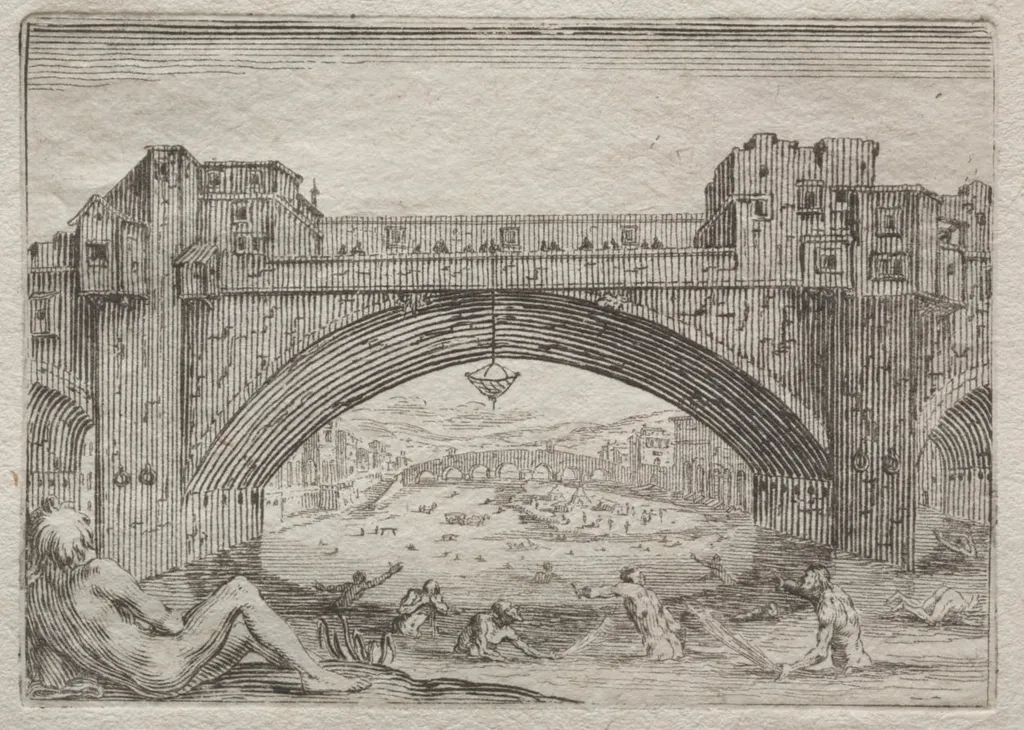
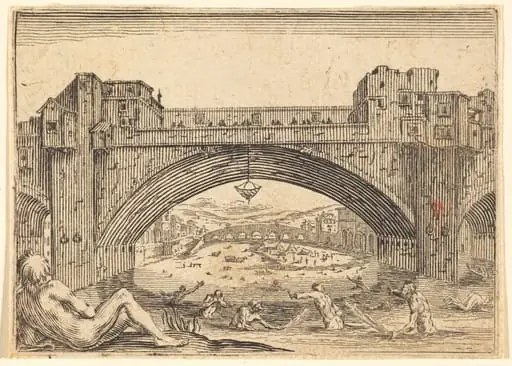
The Ponte Vecchio, Florence is a print by the Baroque artist Jacques Callot. It dates from 1622 and is held in the collection of the Cleveland Museum of Art.
About this work
Overview
The Ponte Vecchio, Florence is an etching by Jacques Callot, dated circa 1622, currently part of The Cleveland Museum of Art's collection.
Subject & Meaning
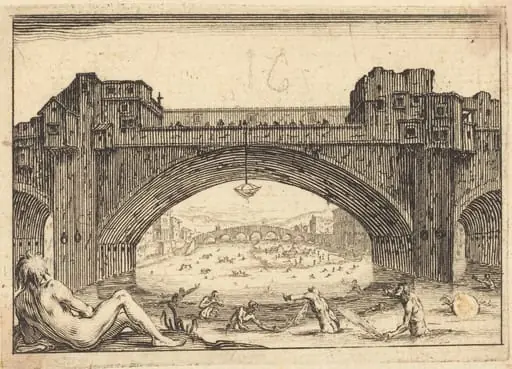
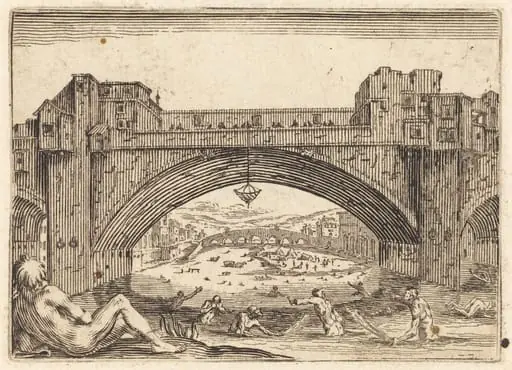
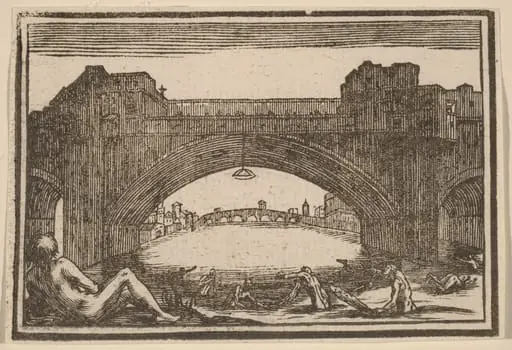
The etching depicts the Ponte Vecchio in Florence, highlighting its architectural grandeur with a high arch, surrounded by human activity: figures crossing the bridge, people in boats below, and a contemplative figure on the riverbank. The scene extends to a distant town with notable architectural features like domes and spires.
Technique & Style
Callot employed sharp, defined lines and pronounced chiaroscuro to imbue the bridge with solidity and drama. The contrast between light and dark accents the bridge's structure, while the inclusion of boats and figures introduces a dynamic element to the otherwise static architectural subject.
History & Provenance
Created around 1622, the etching is now housed at The Cleveland Museum of Art, though specific details of its provenance before acquisition are not provided here.
Context
This work reflects 17th-century artistic interests in capturing urban landscapes and leveraging chiaroscuro for emotional depth, common in Baroque art. The focus on a famous bridge also speaks to the era's appreciation for engineering and architectural marvels.
Legacy
While specific influences of this etching on later artists are not detailed, it contributes to the broader legacy of Callot's detailed etchings of European landscapes and architectural scenes, influencing the development of landscape and urban depiction in printmaking.
Artist & collection
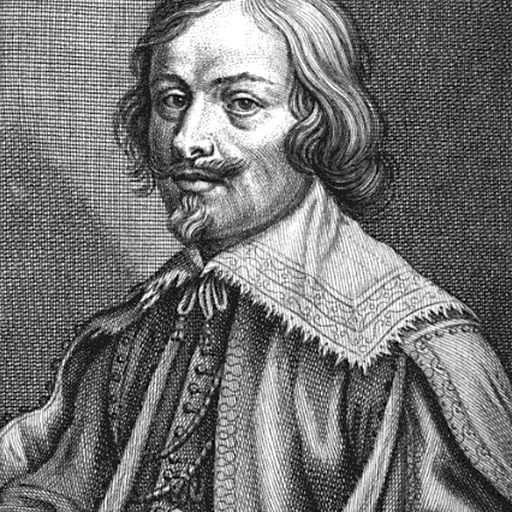
Artist
Jacques Callot was a baroque printmaker and draftsman from the Duchy of Lorraine.

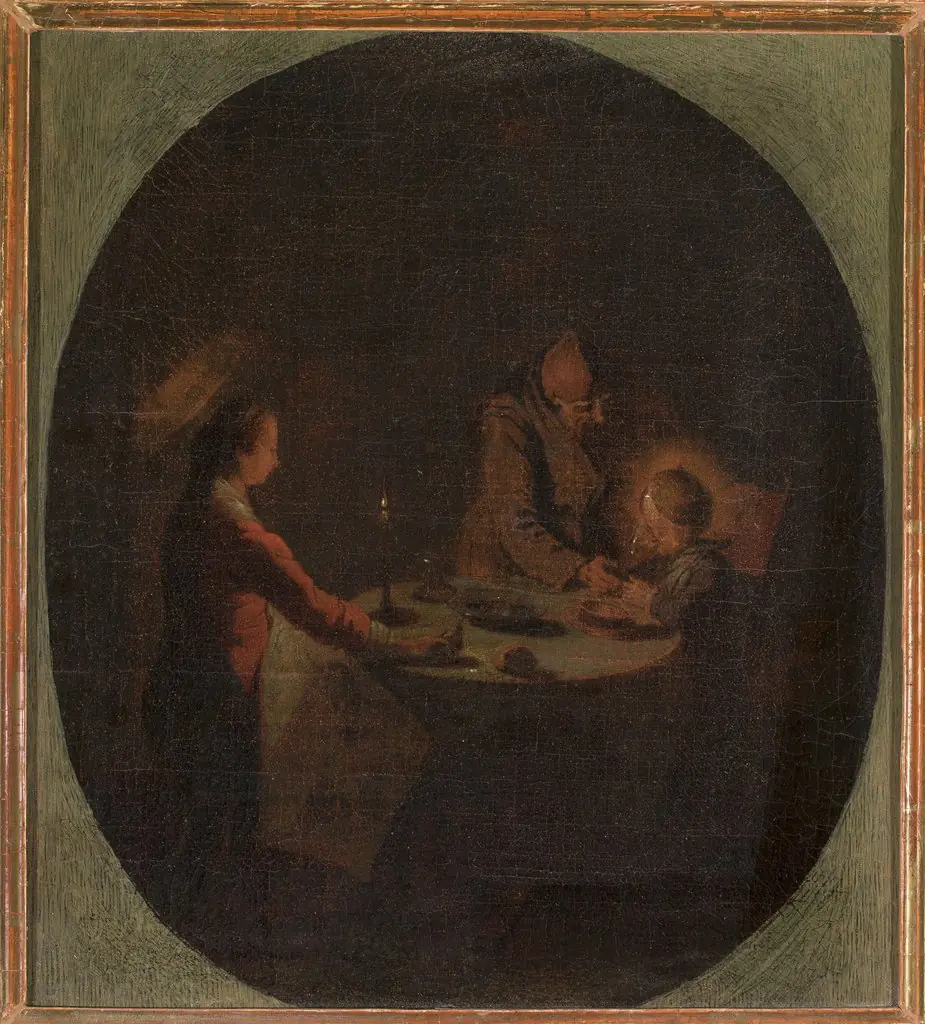 Holy Family at supper
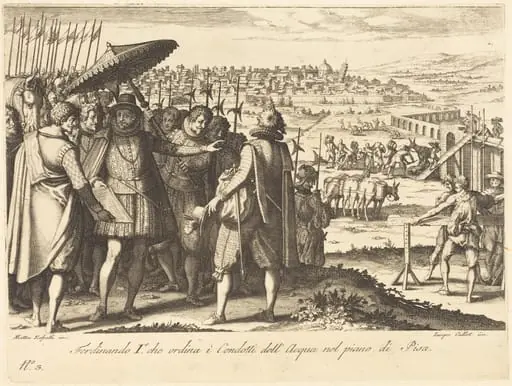 Restoration of the Aqueduct at Pisa
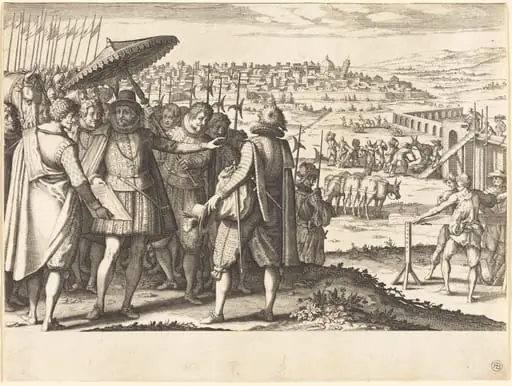 Restoration of the Aqueduct at Pisa
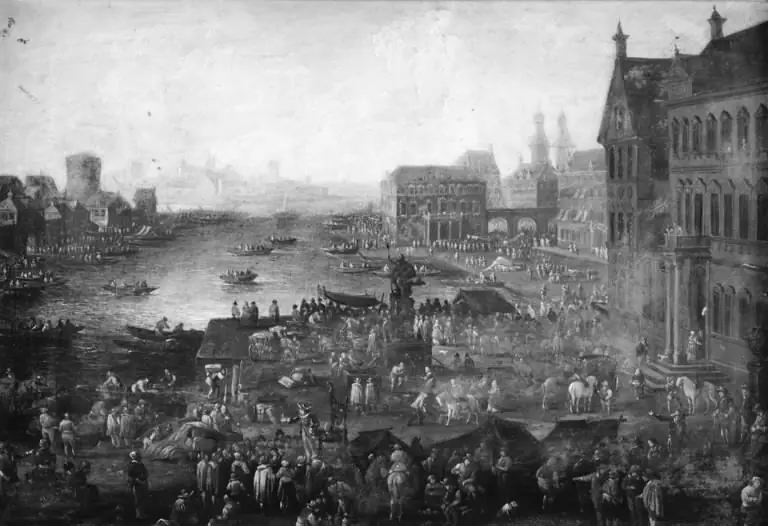 Square in Paris with Many Figures
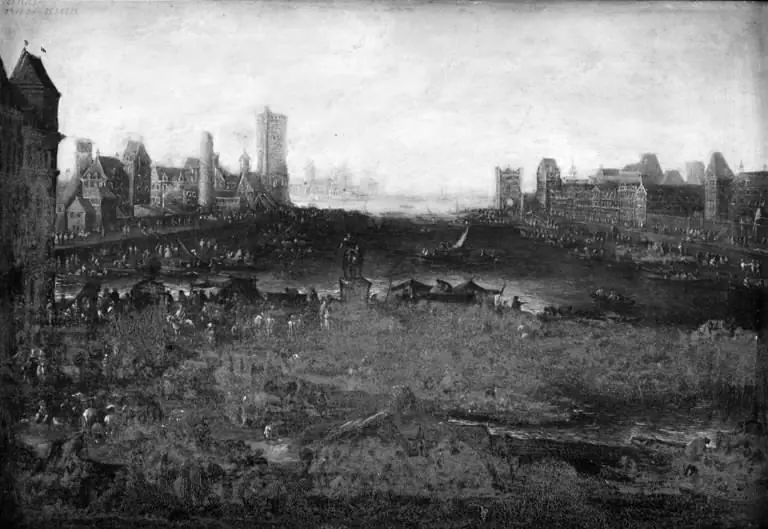 Square in Paris with Many Figures
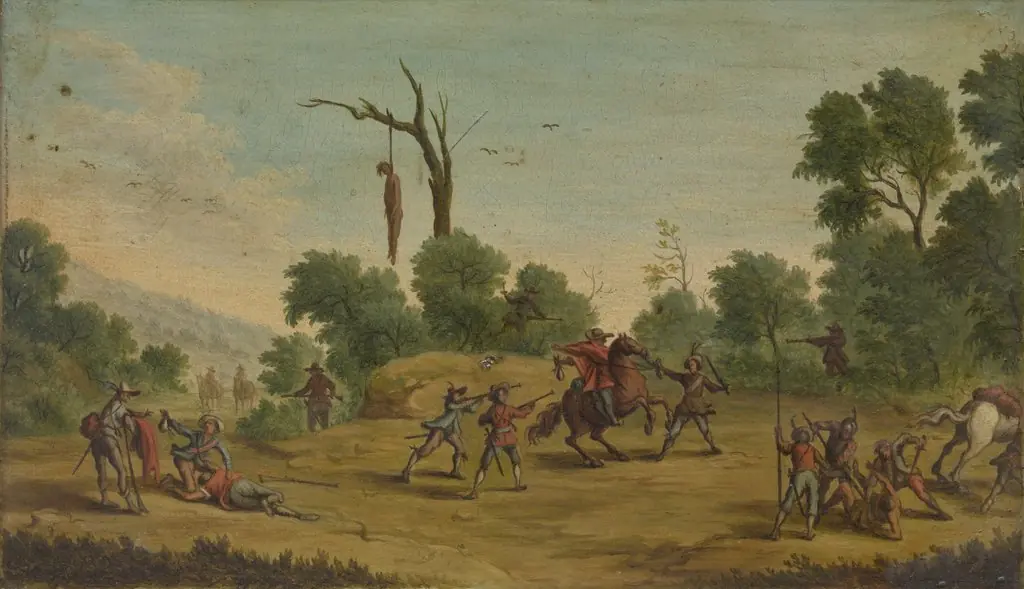 Horsemen Attacked by Robbers
 HOW WILL A COVERED PART BE CORRECTED?HOW WIKA A COVERED HEART DEED CORRECTED?
![Christ Walking on the Water [second plate], by Jacques Callot](https://artifactworldgallery.com/img/jacques-callot--christ-walking-on-the-water-second-plate--2069f3bfe4cb2126-w320.webp) Christ Walking on the Water [second plate]
Christ Walking on the Water [second plate]