Artwork
San Giacomo di Rialto
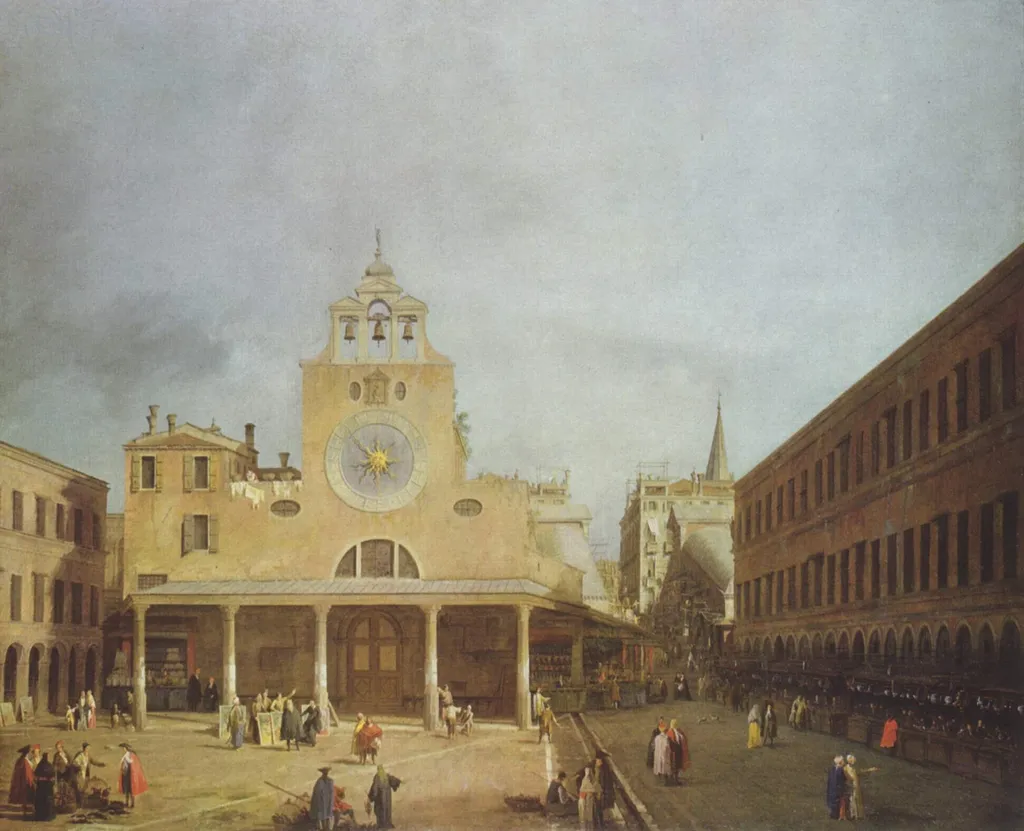
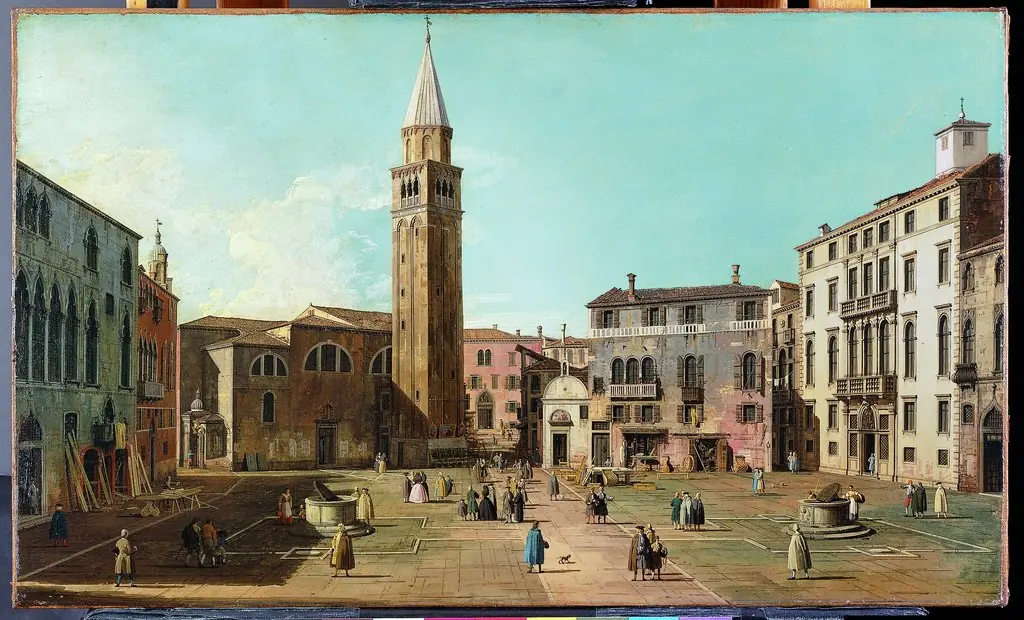
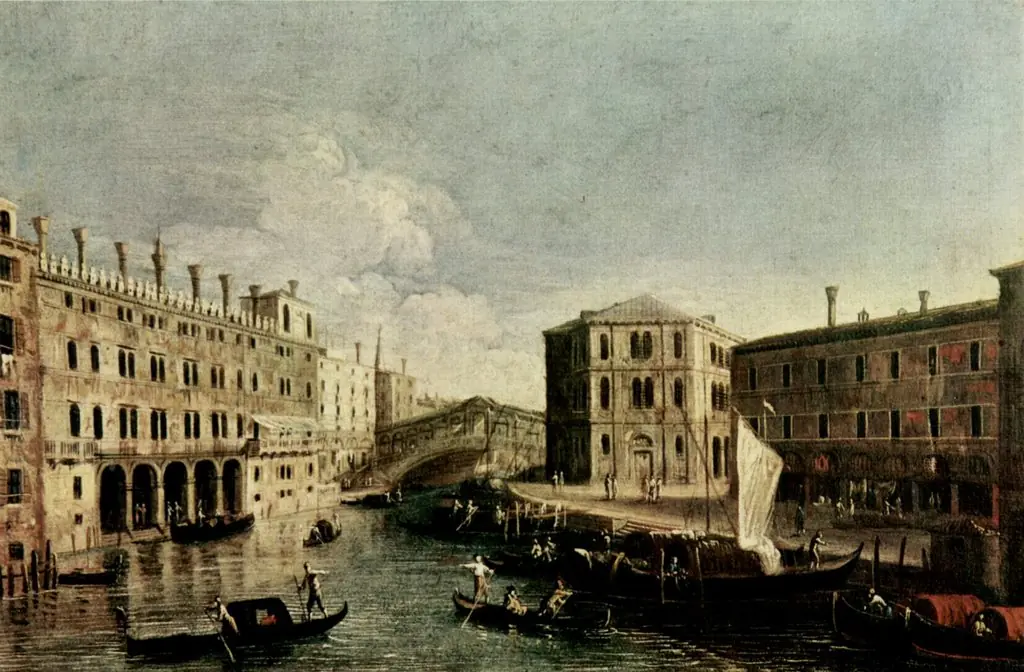
San Giacomo di Rialto is an oil painting by the Rococo painting artist Canaletto. It dates from 1726 and is held in the collection of the Staatliche Kunstsammlungen Dresden.
About this work
Overview
It belongs to a series of topographical cityscapes he produced during the early 18th century, characterized by meticulous observation and a restrained elegance.
Painted in 1726, *San Giacomo di Rialto* is an oil-on-canvas view of a public square in Venice, executed by Giovanni Antonio Canal, known as Canaletto. It belongs to a series of topographical cityscapes he produced during the early 18th century, characterized by meticulous observation and a restrained elegance. The work captures a moment of daily life in one of Venice’s most frequented urban spaces, rendered with precision and a subtle sense of atmosphere.
Subject & Meaning
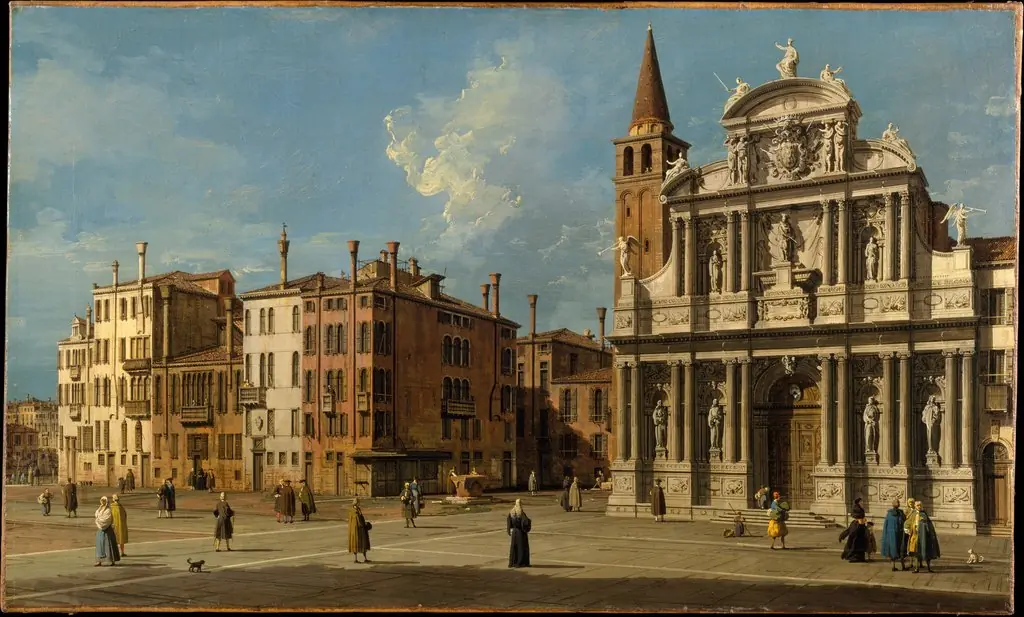
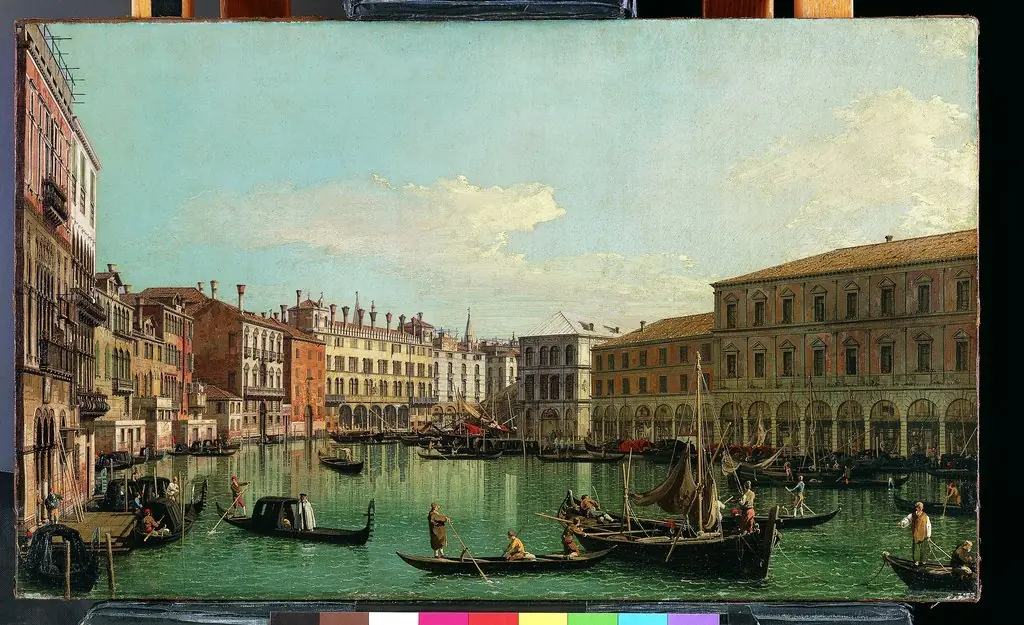
The painting centers on the campo San Giacomo di Rialto, a bustling civic space near the Rialto Bridge. A prominent building with a clock tower anchors the composition, while figures go about their routines—conversing, transporting goods, or pausing in transit. The scene conveys no grand narrative but instead presents the rhythm of Venetian urban existence, emphasizing the interplay between architecture and human activity as an enduring social fabric.
Technique & Style
Canaletto employed fine brushwork and a controlled palette of warm ochres, soft grays, and muted reds to model light across stone facades and cobblestones. His use of linear perspective and careful tonal gradations creates depth without theatricality. Architectural elements are rendered with surveyor-like accuracy, while the movement of figures adds organic life, balancing precision with naturalism in a manner typical of Venetian veduta painting.
History & Provenance
The painting entered the Gemäldegalerie Alte Meister in Dresden in the 18th century, likely acquired during a period when European collectors sought Venetian views. Its presence in this collection reflects the broader 18th-century European fascination with Venice as a cultural and visual subject. The work has remained in the museum’s holdings since, preserved as part of a significant ensemble of Old Master paintings.
Context
Canaletto worked during a time when Venice’s political influence was waning, yet its visual identity remained a powerful draw for travelers and patrons. His vedute catered to Grand Tourists seeking authentic impressions of the city, offering both topographical fidelity and a sense of ordered harmony. This painting reflects a broader trend in which urban landscapes became objects of aesthetic and documentary interest beyond mere decoration.
Legacy
*San Giacomo di Rialto* exemplifies Canaletto’s role in shaping the veduta tradition, influencing later artists who sought to document urban environments with clarity and restraint. While not overtly dramatic, the work’s quiet attention to detail and light established a model for topographical painting that endured into the 19th century, particularly in the depiction of everyday urban life with observational integrity.
Own this work as a print
Artist & collection
Artist
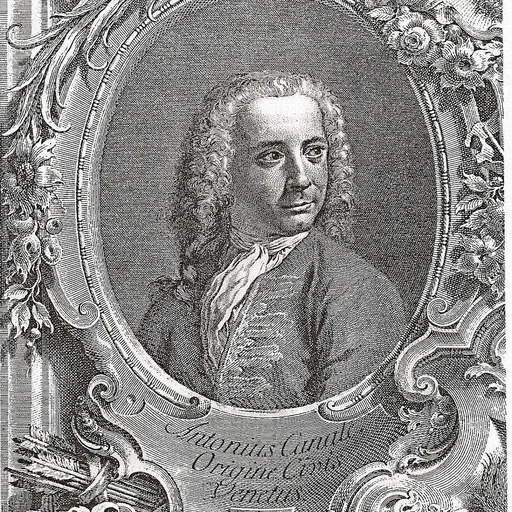
Giovanni Antonio Canal (18 October 1697 – 19 April 1768), commonly known as Canaletto (Italian: ), was an Italian painter from the Republic of Venice, considered an important member of the 18th-century Venetian school.