Artwork
Piazza San Marco, Venice
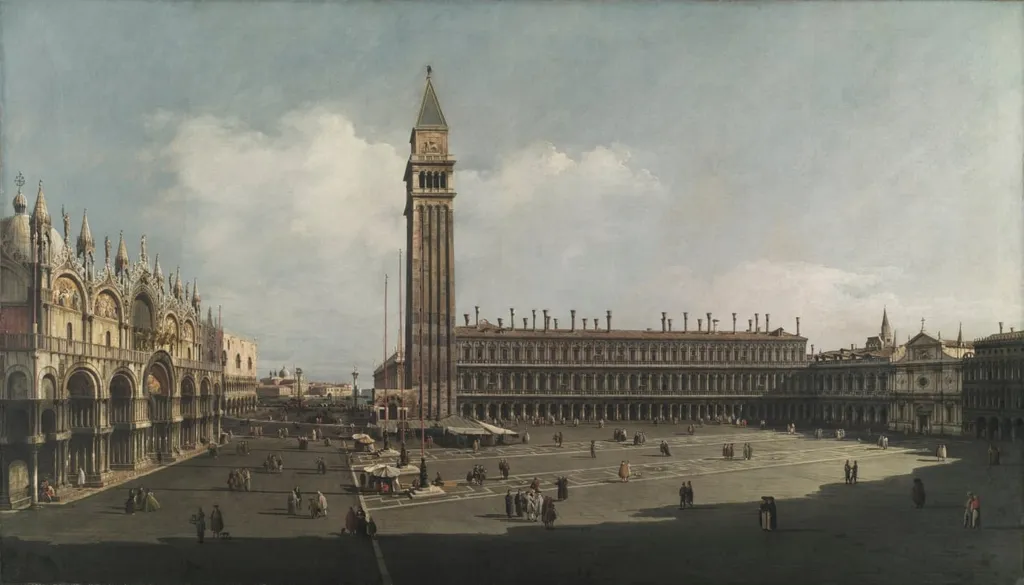
Piazza San Marco, Venice is an unspecified painting by the Baroque artist Bernardo Bellotto. It dates from 1740 and is held in the collection of the Cleveland Museum of Art. The canvas presents a meticulous depiction of Venice’s central square, capturing the architectural ensemble that frames the bustling piazza.
About this work
Overview
The canvas presents a meticulous depiction of Venice’s central square, capturing the architectural ensemble that frames the bustling piazza.
The canvas presents a meticulous depiction of Venice’s central square, capturing the architectural ensemble that frames the bustling piazza. Central to the composition is the towering campanile, while the surrounding structures—St. Mark’s Basilica, the Doge’s Palace, and the Procuratie—are rendered with precise perspective, offering a comprehensive view of the space as it appeared in the mid‑18th century.
Subject & Meaning
The painting records the everyday activity of the square, populated by pedestrians and carriages that convey the rhythm of public life. By juxtaposing the monumental buildings with the transient figures, the work reflects both the civic grandeur of Venice and the lived experience of its inhabitants during a period of vibrant urban activity.
Technique & Style
Executed in the veduta tradition, the artist employs a careful linear perspective and fine brushwork to achieve architectural accuracy. The handling of light and atmospheric effects suggests a subtle gradation of tones, reminiscent of the sfumato approach, which softens edges and unifies the scene’s depth without sacrificing detail.
History & Provenance
Created by Bernardo Bellotto, a pupil and nephew of the renowned vedutista Canaletto, the painting originates from a workshop that catered to the tastes of Grand Tour travelers, particularly British aristocrats. Bellotto later served the courts of Dresden, Vienna, Warsaw, and Munich, but this work remains a testament to his early Venetian output.
Context
At the time of its execution, the façade of San Geminiano still stood opposite St Mark’s, a feature later removed under Napoleonic orders in the 19th century. The composition thus preserves an architectural arrangement that no longer exists, offering scholars a visual record of Venice’s urban landscape before those alterations.
Legacy
Bellotto’s precise cityscapes contributed to the popularity of topographical painting among European patrons, influencing subsequent generations of artists who sought to combine documentary fidelity with aesthetic composition. The work continues to serve as a valuable reference for historians studying Venice’s 18th‑century architecture and public spaces.
Artist & collection

Artist
Bernardo Bellotto, was an Italian urban landscape painter or vedutista, and printmaker in etching famous for his vedute of European cities – Dresden, Vienna, Turin, and Warsaw.

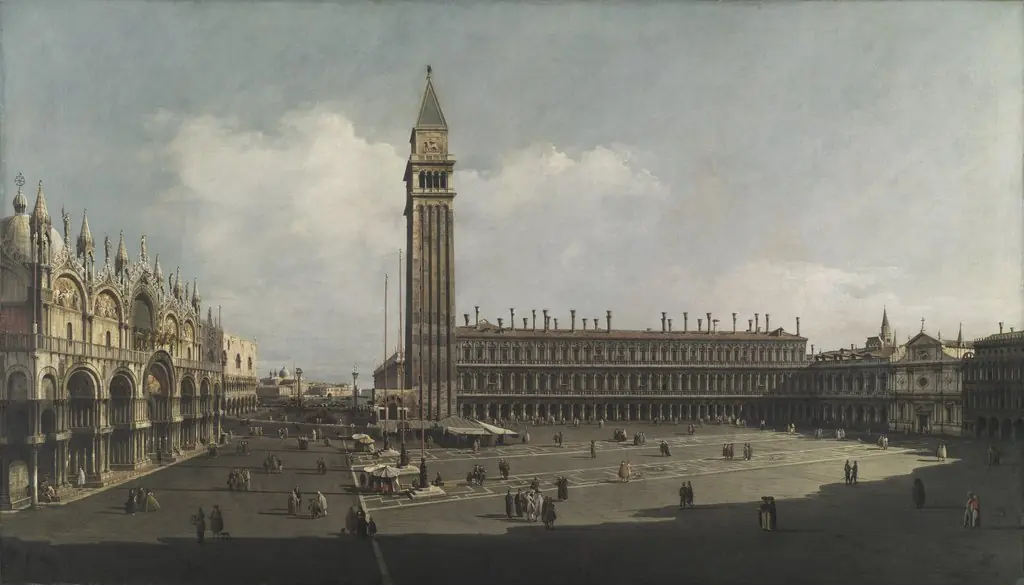
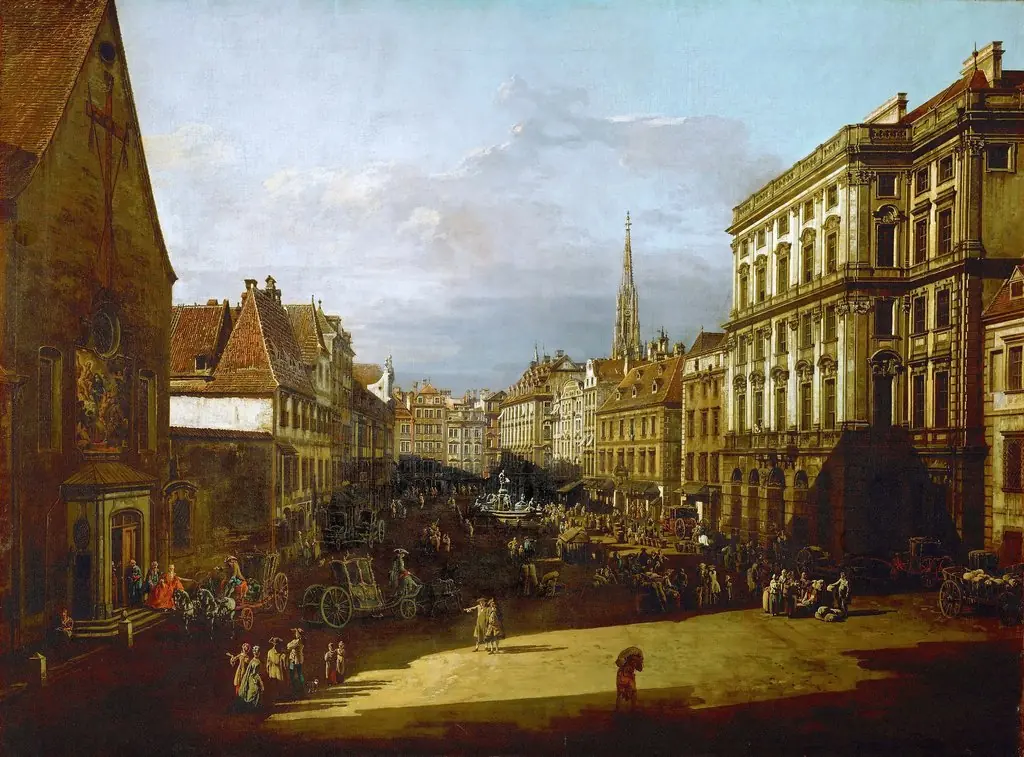
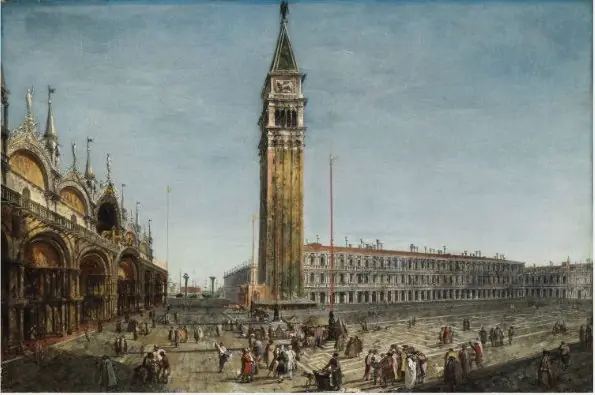 Piazza San Marco, Venice, with Saint Mark's Basilica, the Campanile and the Procuratie Nuove
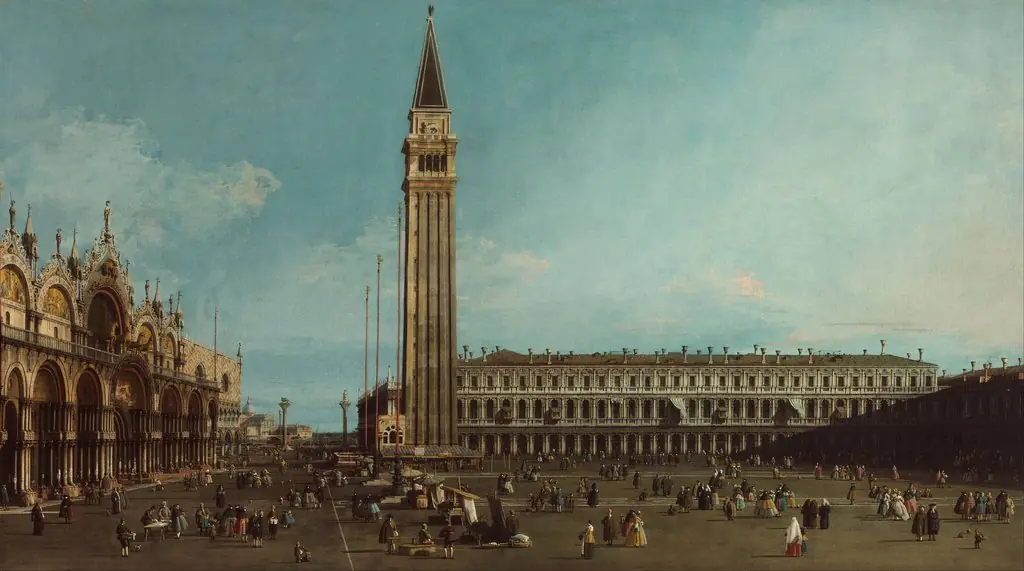 The Piazza San Marco, Venice
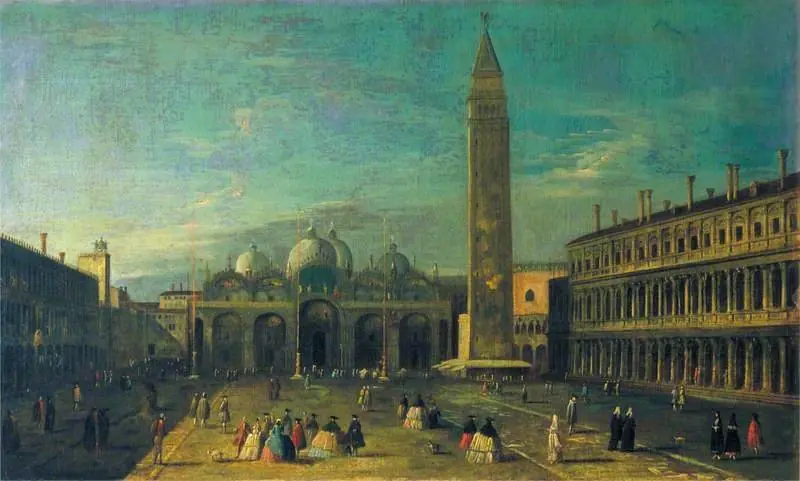 Venice: Piazza San Marco, Looking towards the Basilica
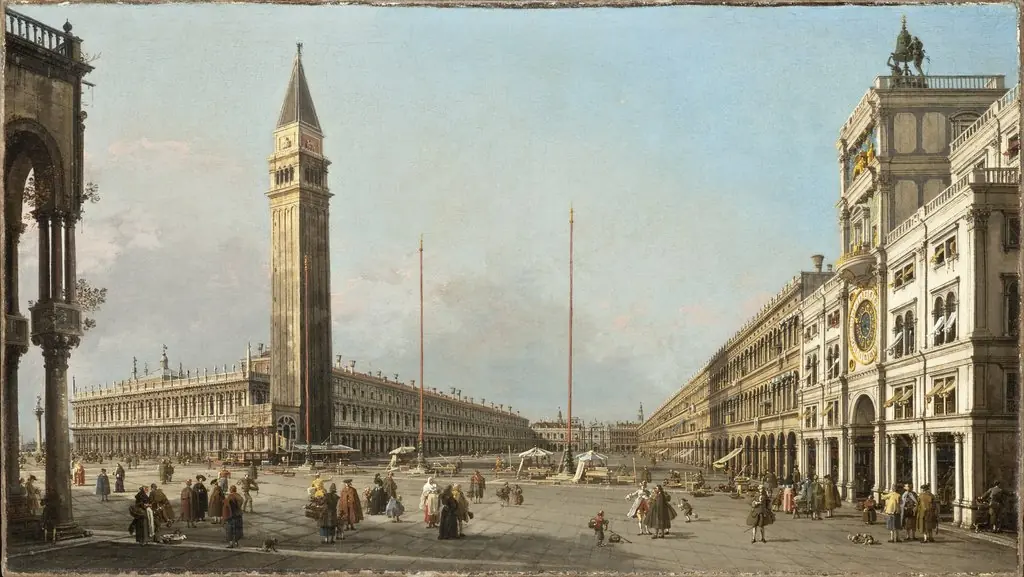 Piazza San Marco Looking South and West
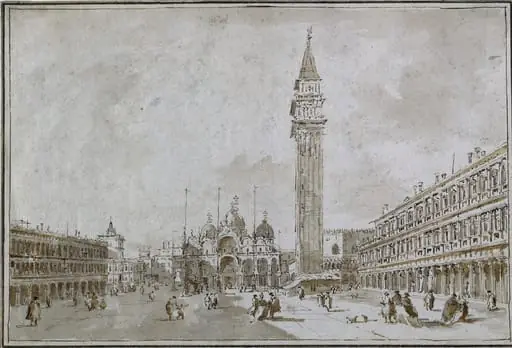 Piazza San Marco, Venice
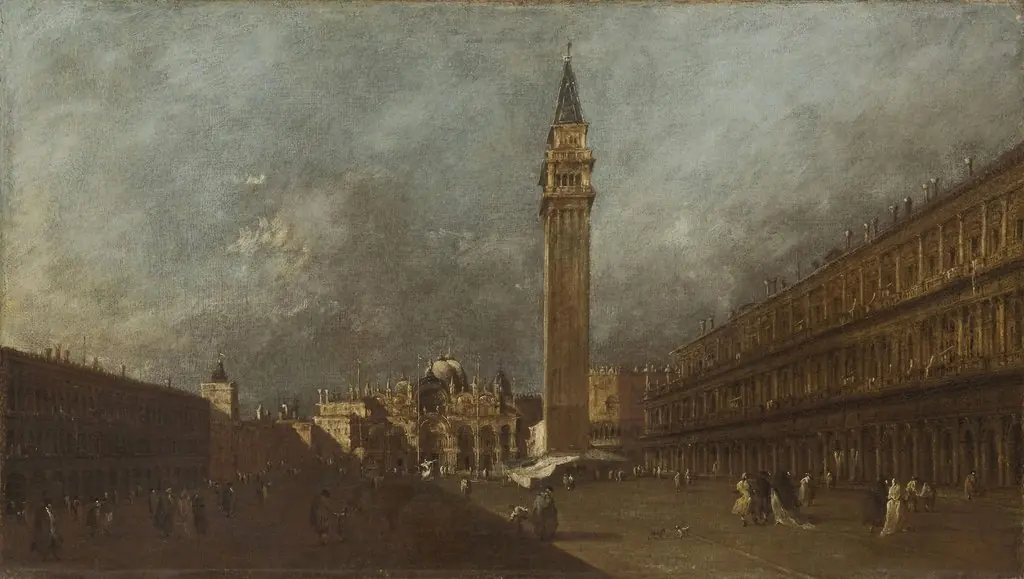 Piazza San Marco
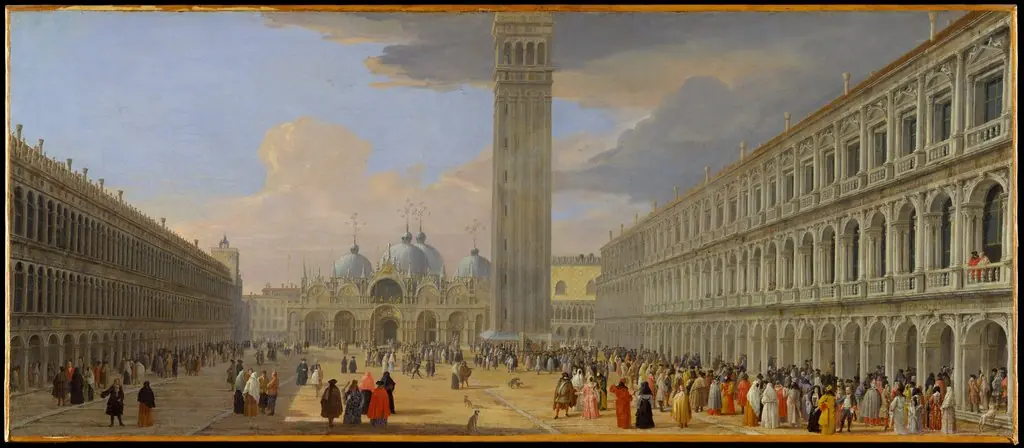 Piazza San Marco, Venice
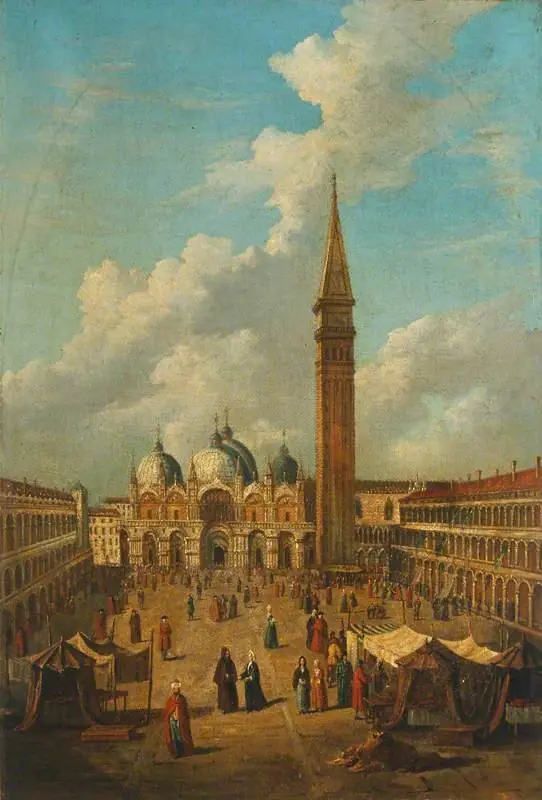 Piazza San Marco, Venice
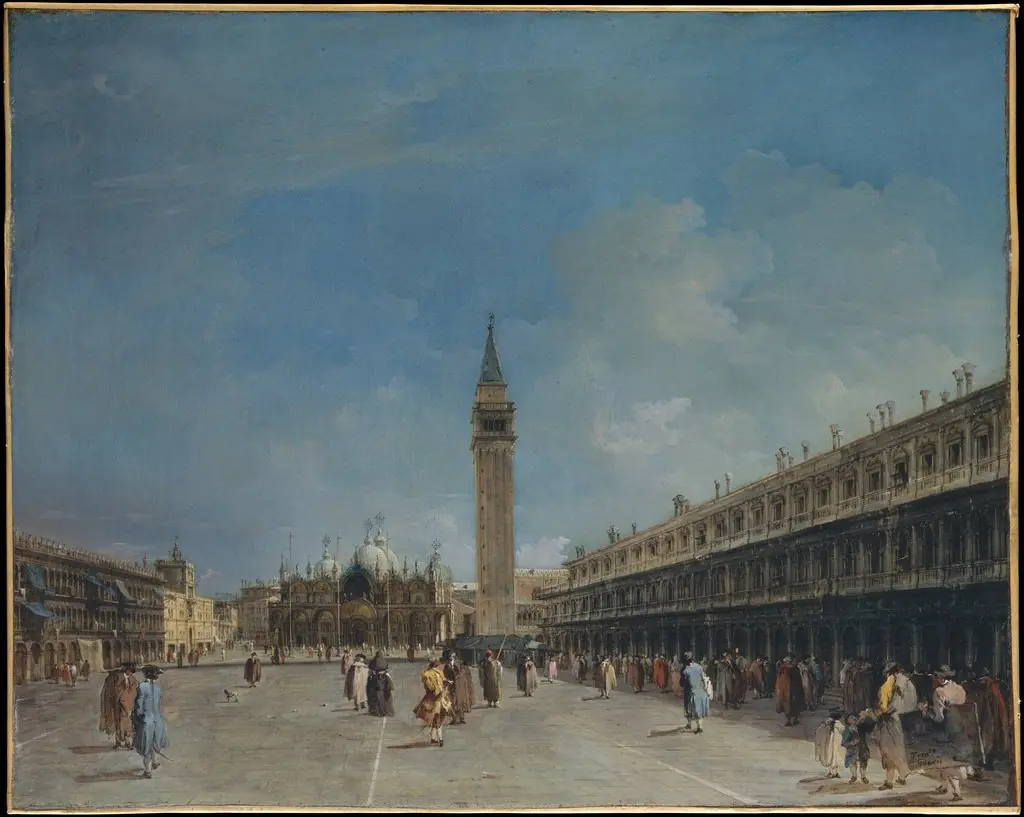 Piazza San Marco
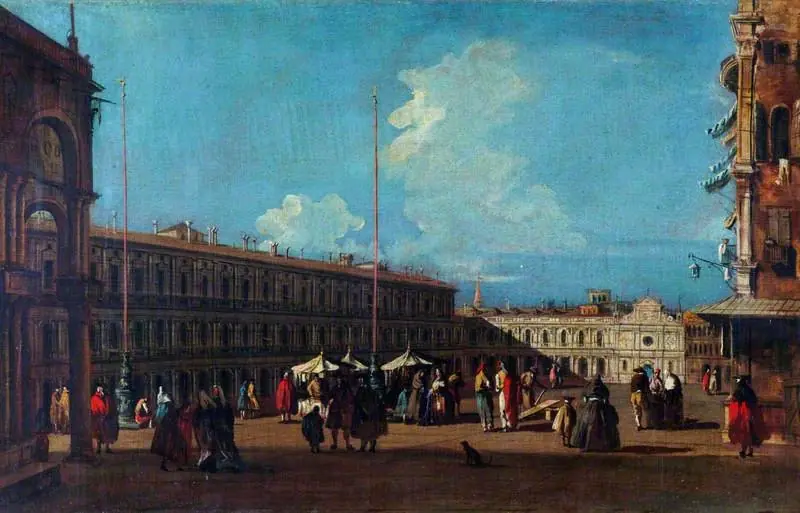 Venice: The Piazza San Marco Looking West