Artwork
Venice: The Piazzetta
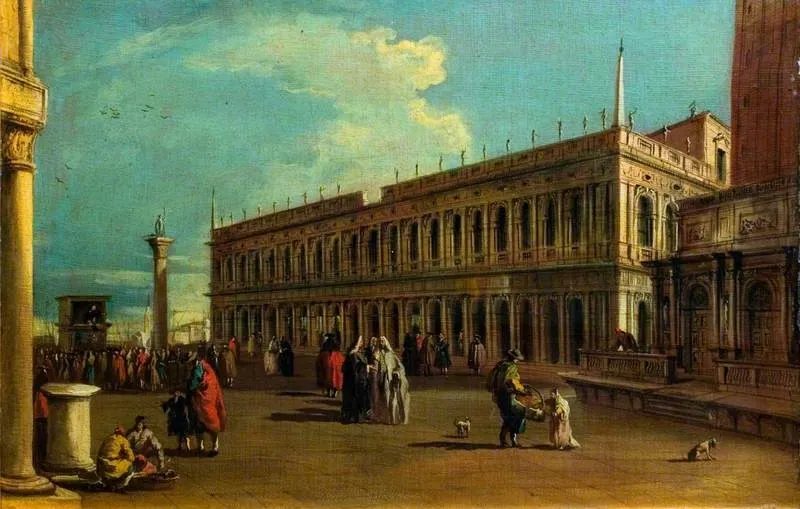
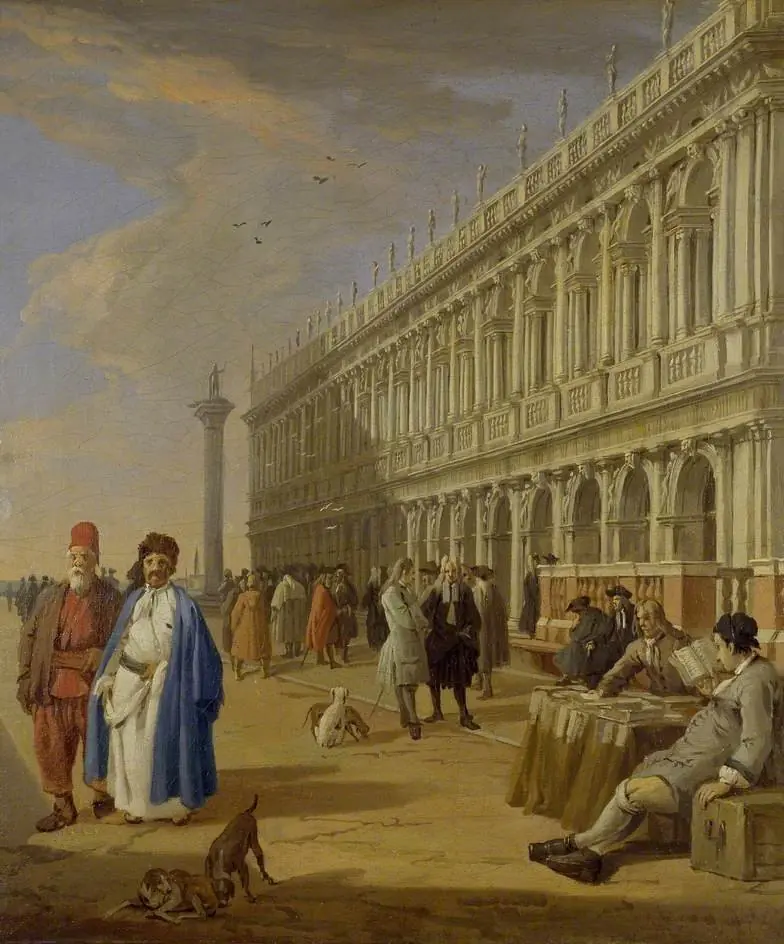
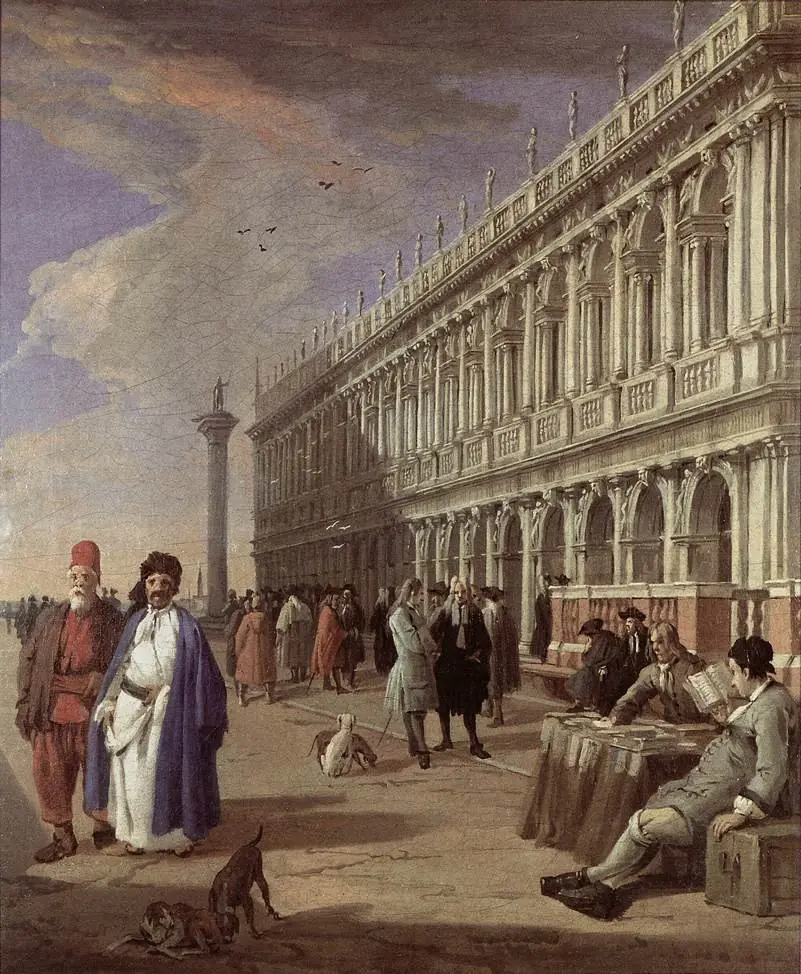
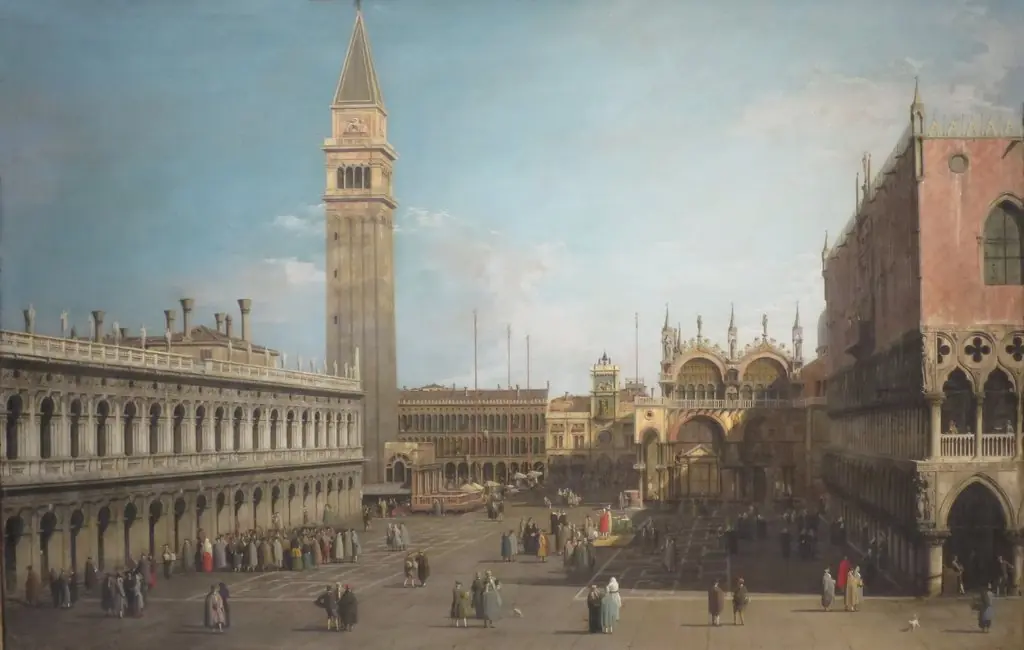
Venice: The Piazzetta is an oil painting by the Rococo painting artist Canaletto. It dates from 1737 and is held in the collection of the Victoria and Albert Museum.
About this work
Overview
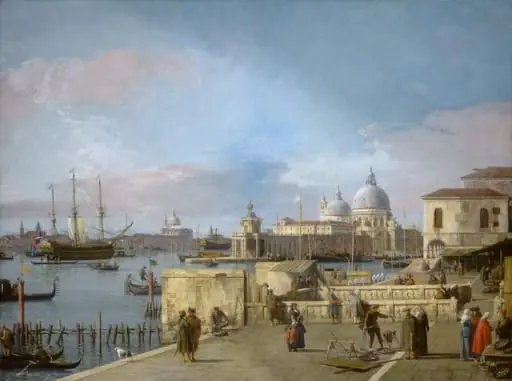
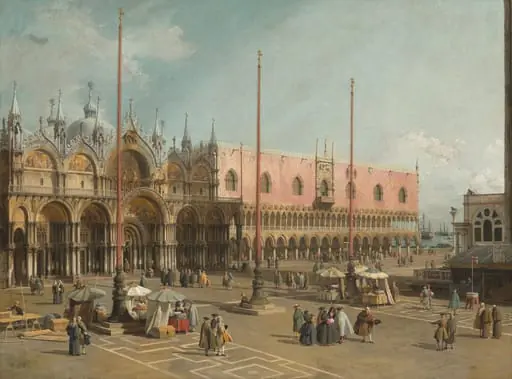
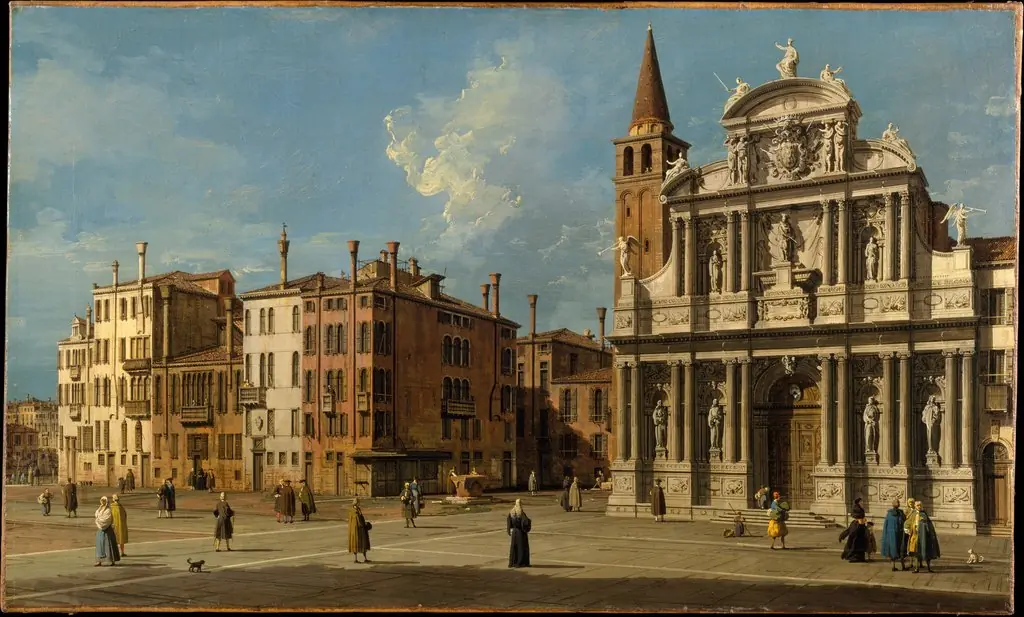
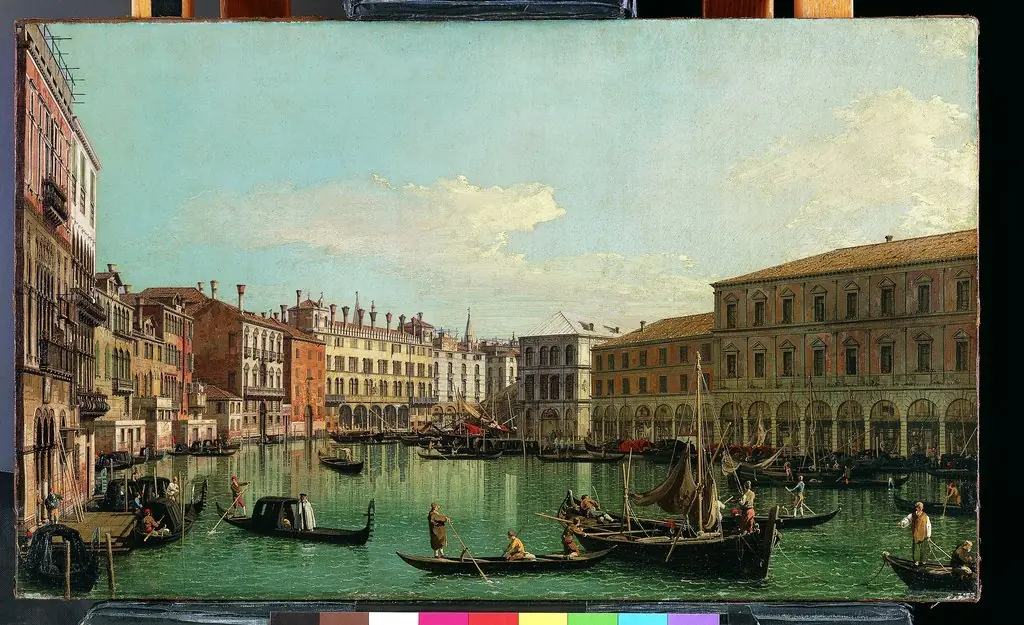
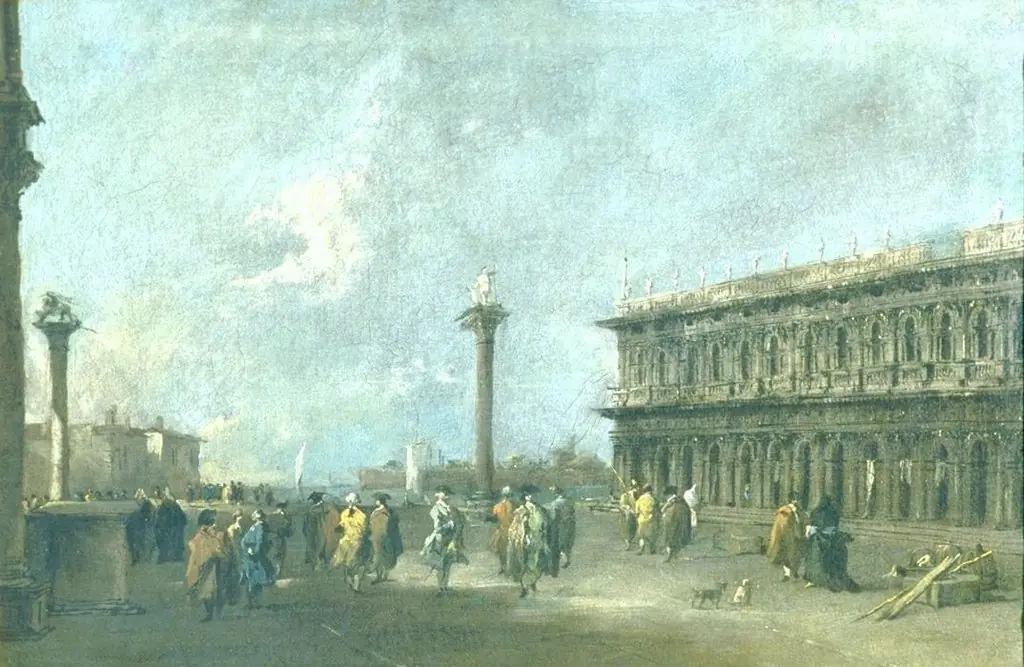
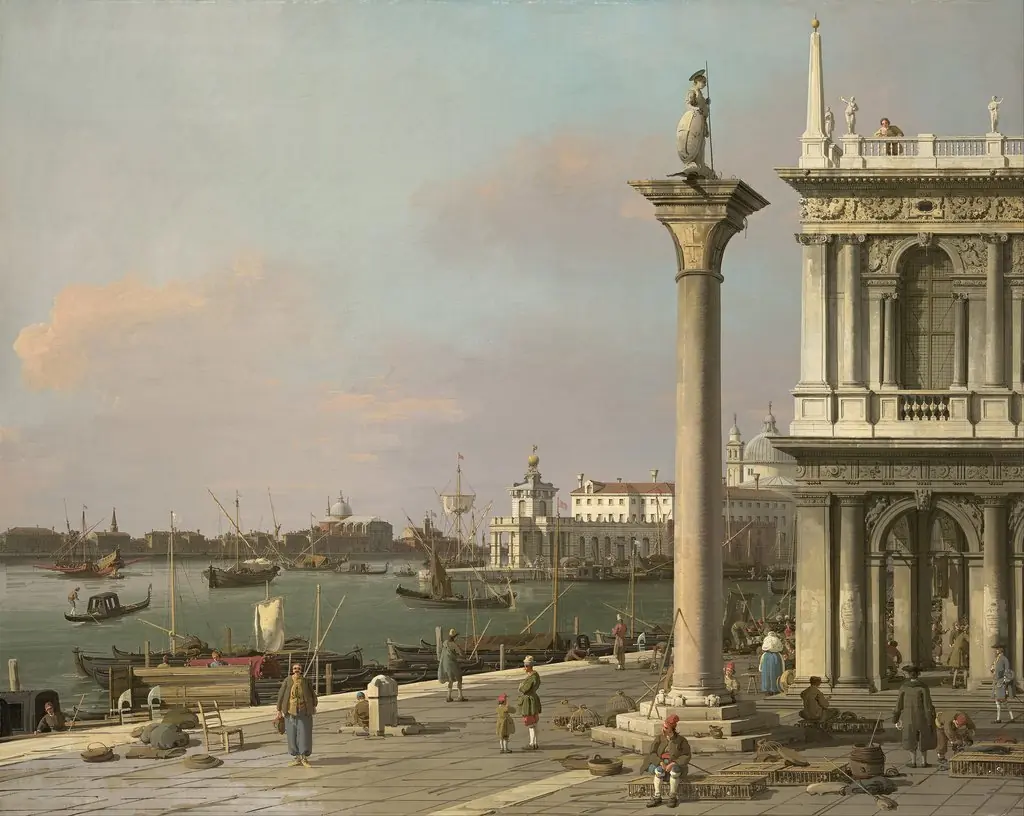
Painted circa 1737, this oil on canvas depicts the Piazzetta, the narrow waterfront square in Venice linking the Doge’s Palace to the Biblioteca Marciana.
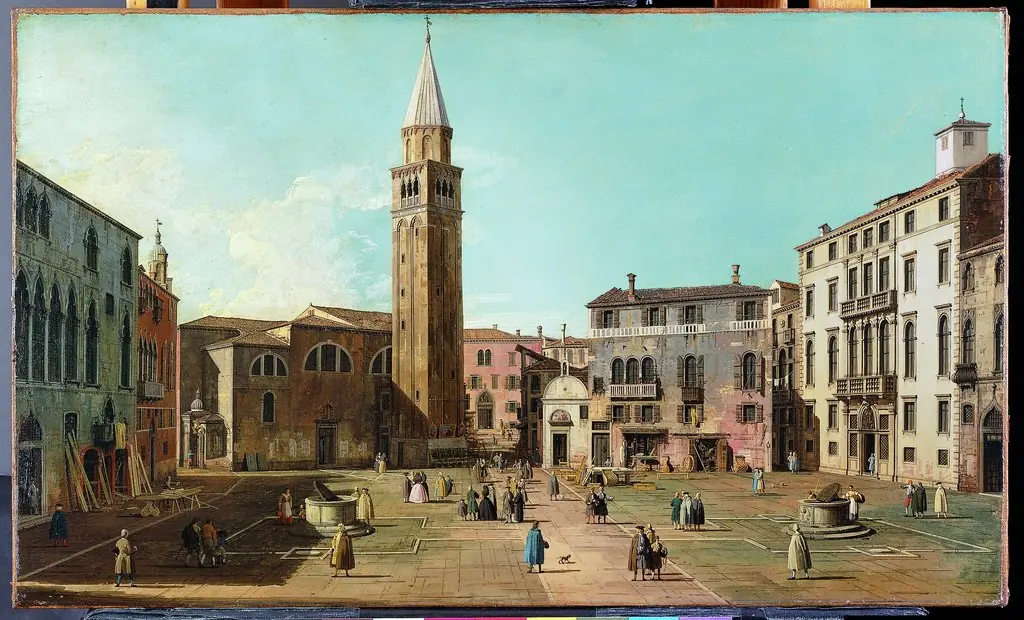
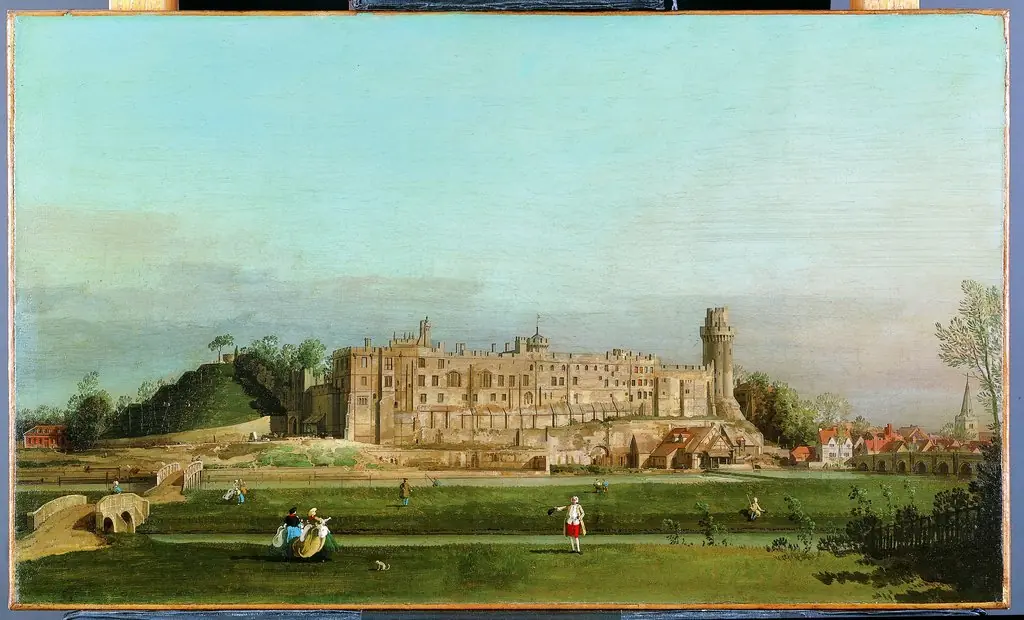
Painted circa 1737, this oil on canvas depicts the Piazzetta, the narrow waterfront square in Venice linking the Doge’s Palace to the Biblioteca Marciana. The artist, Giovanni Antonio Canal—known as Canaletto—was a principal chronicler of the city’s urban fabric during the early 18th century. His work captures a moment of daily life with precision, blending observed reality with subtle compositional control to convey the rhythm of Venetian public space.
Subject & Meaning
The scene centers on the Piazzetta’s ceremonial waterfront, where civic and religious life converged. Figures in period dress move along the quay—walking, pausing, riding—suggesting the square’s role as a hub of social interaction. The architecture, monumental yet unidealized, anchors the composition as a symbol of Venetian authority and civic pride. The painting does not dramatize events but presents them as part of an enduring urban rhythm.
Technique & Style
Canaletto employed fine brushwork and careful linear perspective to render architectural detail with clarity. The sky, lightly clouded and pale blue, provides contrast to the stone facades and gilded surfaces. Figures are rendered with economical strokes, suggesting movement without individualized portraiture. His use of light enhances spatial depth, while the palette remains restrained, favoring earth tones and soft blues to reflect the city’s atmospheric conditions.
History & Provenance
Created during Canaletto’s peak period of activity, the painting likely served patrons seeking souvenirs of Venice, including British travelers on the Grand Tour. Though exact early ownership is undocumented, its style aligns with works commissioned for foreign collectors. The painting remained within European collections through the 18th and 19th centuries, eventually entering a public institution where it continues to represent Venetian topographical art.
Context
In the 1730s, Venice’s political power had waned, but its cultural prestige endured. Canaletto’s views catered to a growing market for accurate, picturesque depictions of the city, appealing to both local pride and foreign fascination. His work stood apart from theatrical Baroque scenes by emphasizing observation over invention, even as he subtly arranged elements to enhance visual harmony and spatial clarity.
Legacy
Canaletto’s approach influenced later topographical painters and contributed to the development of urban landscape as a distinct genre. His method of combining precise architecture with lively, unposed human activity became a model for documenting city life. Though later artists would romanticize Venice, his work remains valued for its quiet fidelity to the city’s physical and social texture.
Artist & collection
Artist
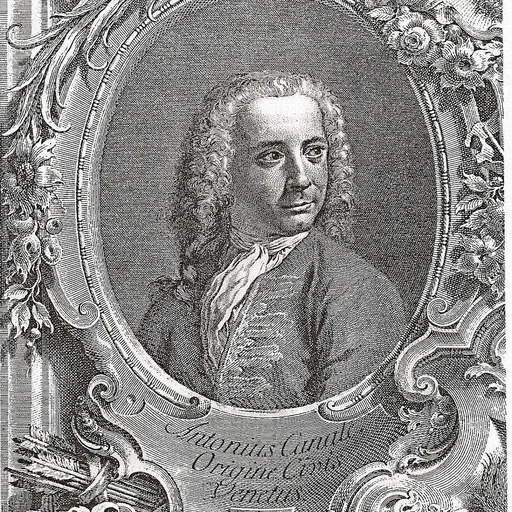
Giovanni Antonio Canal (18 October 1697 – 19 April 1768), commonly known as Canaletto (Italian: ), was an Italian painter from the Republic of Venice, considered an important member of the 18th-century Venetian school.