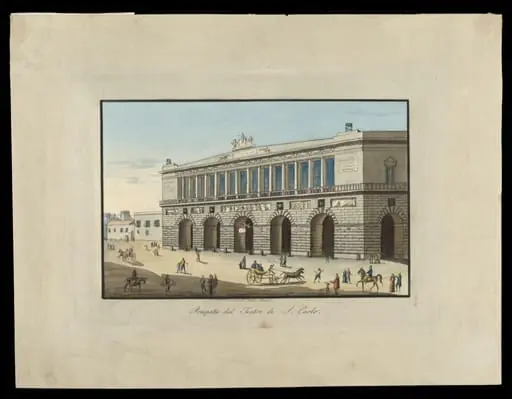
Artwork
H Beard Print Collection
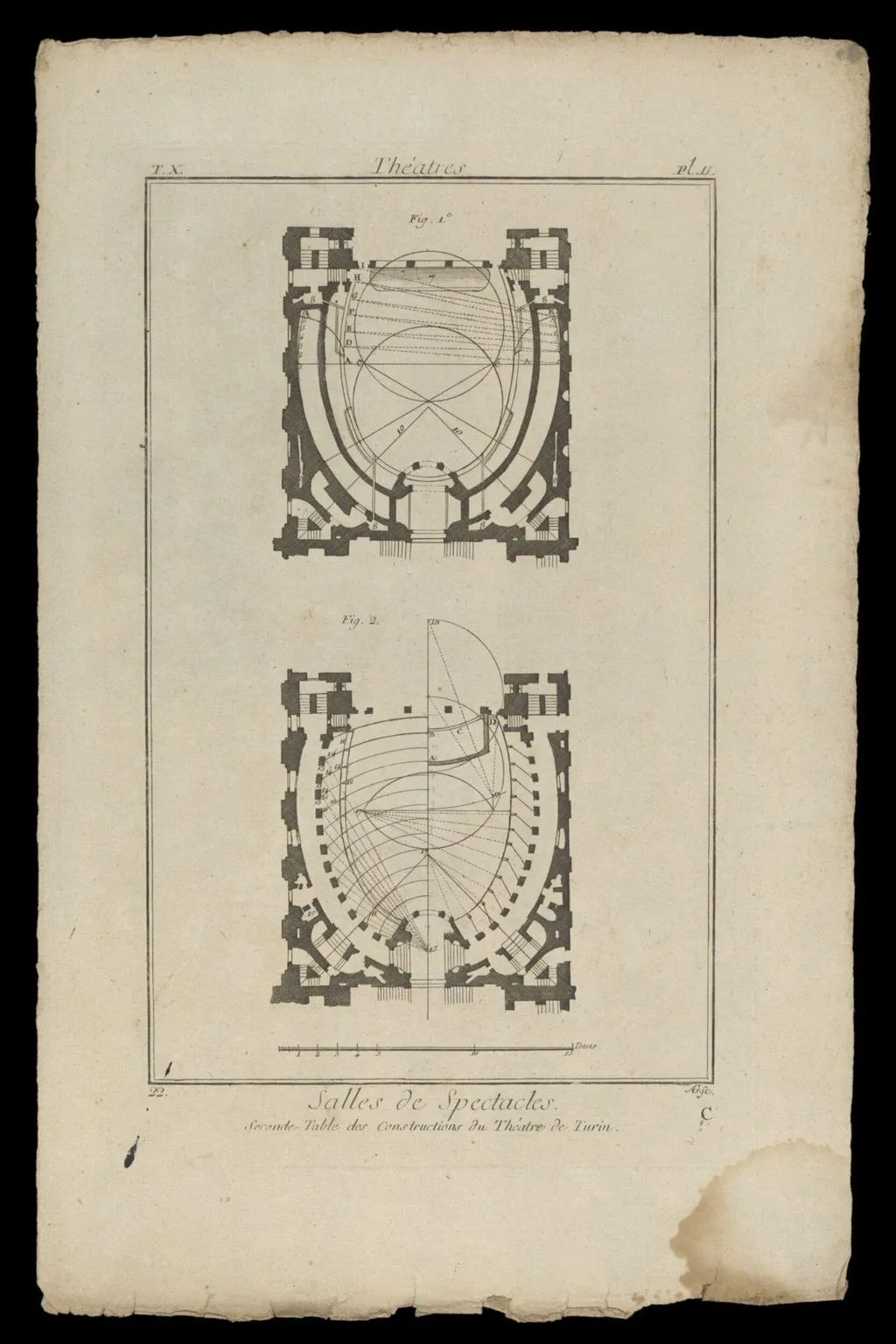
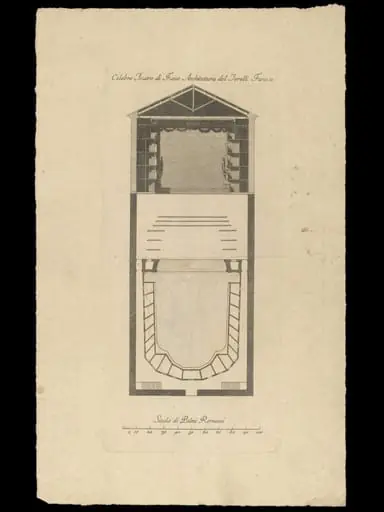
H Beard Print Collection is a print by AG. It dates from 1750 and is held in the collection of the Victoria and Albert Museum. This engraving is part of a series documenting theatre architecture in 18th-century Europe.
About this work
Overview
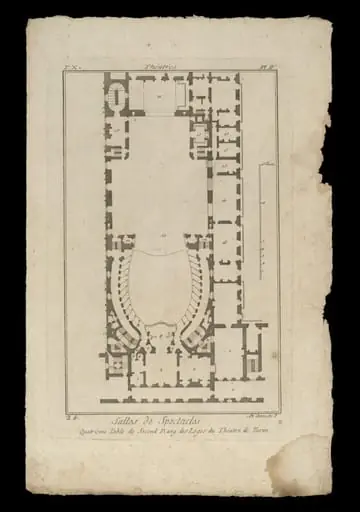
It presents a detailed floor plan for the Théâtre de Turin, likely extracted from a larger publication compiled by Gabriel Martin Dumont around 1774.
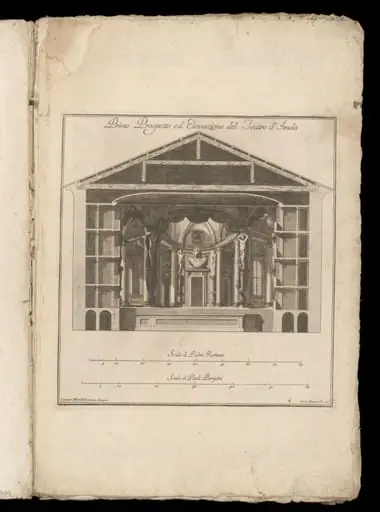
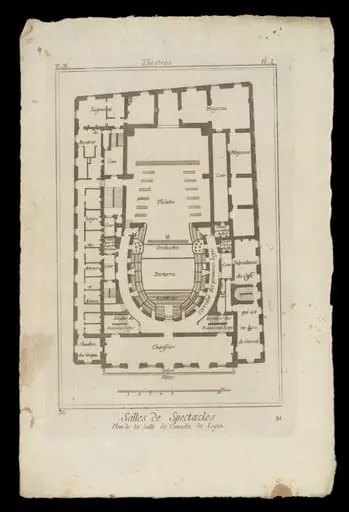
This engraving is part of a series documenting theatre architecture in 18th-century Europe. It presents a detailed floor plan for the Théâtre de Turin, likely extracted from a larger publication compiled by Gabriel Martin Dumont around 1774. The print belongs to a collection focused on comparing design elements across French and Italian performance spaces, emphasizing structural clarity over decorative detail.
Subject & Meaning
The print serves as a technical record of theatrical space, illustrating the arrangement of seating, stage, and backstage areas. Its purpose was not artistic expression but documentation and comparison, reflecting Enlightenment-era interest in systematic knowledge. By presenting Turin’s theatre alongside French counterparts, the work underscores a broader cultural dialogue on performance infrastructure and spatial efficiency.
Technique & Style
Executed in fine-line engraving, the image relies on precise, unadorned contours to convey architectural layout. Shading is minimal, and no perspective is used—only orthogonal projections typical of architectural drafting. The absence of figures or ornamentation directs attention solely to spatial relationships, aligning with the utilitarian goals of the publication’s scholarly intent.
History & Provenance
The print originates from Dumont’s illustrated volume, 'Parallele des Plans des Plus Belles Salles de Spectacles d'Italie et de France,' published circa 1774. Though the full book is rare, fragments survive in institutional collections, including the Victoria and Albert Museum. Its production coincided with a surge in European interest in theatre design, driven by both academic curiosity and the expansion of public performance venues.
Context
In the late 18th century, theatres became symbols of civic culture, prompting detailed studies of their construction. Dumont’s work emerged amid growing exchanges between French and Italian designers, who influenced each other’s use of stage machinery and audience seating. This print reflects a trend toward standardizing and cataloging theatrical architecture as part of a broader European intellectual movement.
Legacy
Though largely forgotten today, Dumont’s publication contributed to the archival record of early modern theatre design. Surviving plates like this one remain valuable to historians studying the evolution of stage technology and audience experience. Their preservation in museum collections ensures continued access for research into the material culture of performance spaces.
Artist & collection
Artist
This artist made 18th-century prints that capture everyday life in bold lines and simple shapes.

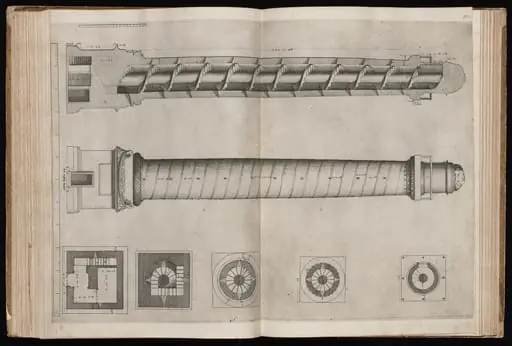 Section and Elevation of Trajan's Column
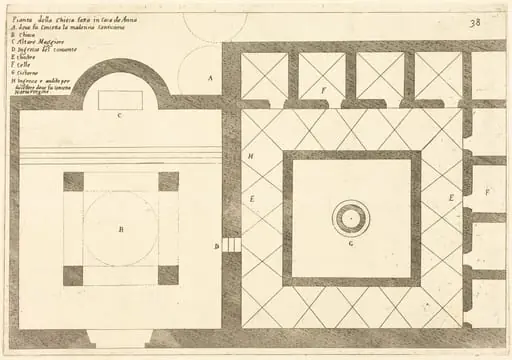 Plan of the Church near the House of Annas
 Section and Interior of the Sanctuary of San Lorenzo de El Escorial
 H Beard Print Collection
 Plan of All the Important Places in Bethlehem
 Plan and Elevation of the Church near the House of Annas
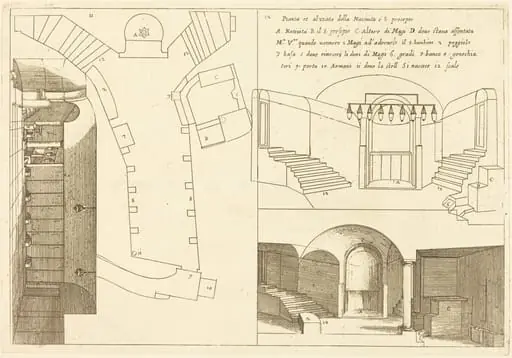 Plan and Elevation of the Church of the Holy Nativity