Artwork
The Rest on the Flight into Egypt
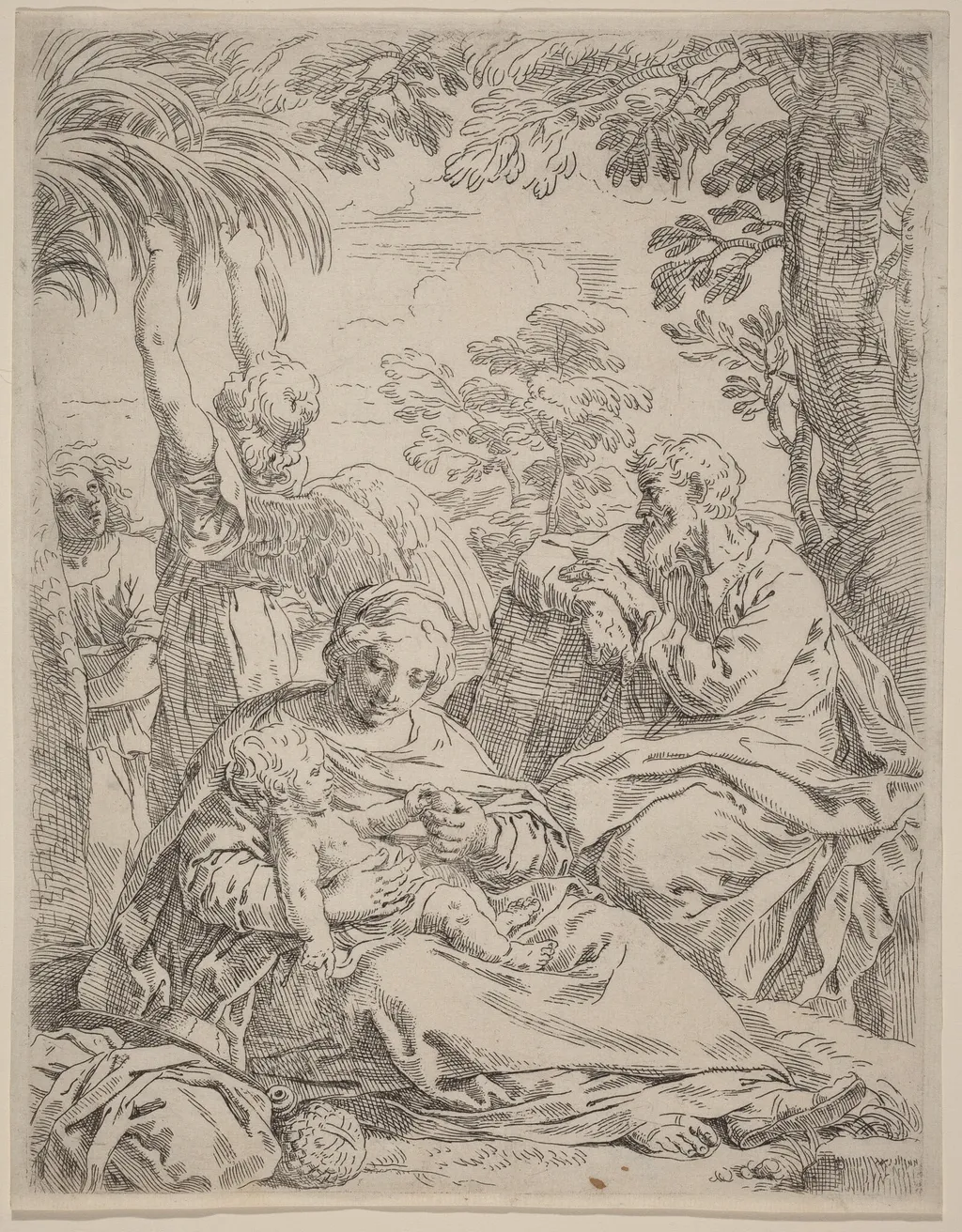
The Rest on the Flight into Egypt is an ink print by the Baroque artist Simone Cantarini. It dates from 1630 and is held in the collection of the National Gallery of Art.
About this work
Overview
The print stands as a quiet meditation on rest amid peril, rendered through the delicate interplay of incised lines and tonal gradations.
Created in 1630 by the Italian artist Simone Cantarini, this etching captures a moment of stillness in the biblical Flight into Egypt. As both a painter and printmaker, Cantarini brought a refined sensitivity to his graphic work, combining the compositional clarity of Bolognese tradition with a naturalistic attention to light and form. The print stands as a quiet meditation on rest amid peril, rendered through the delicate interplay of incised lines and tonal gradations.
Subject & Meaning
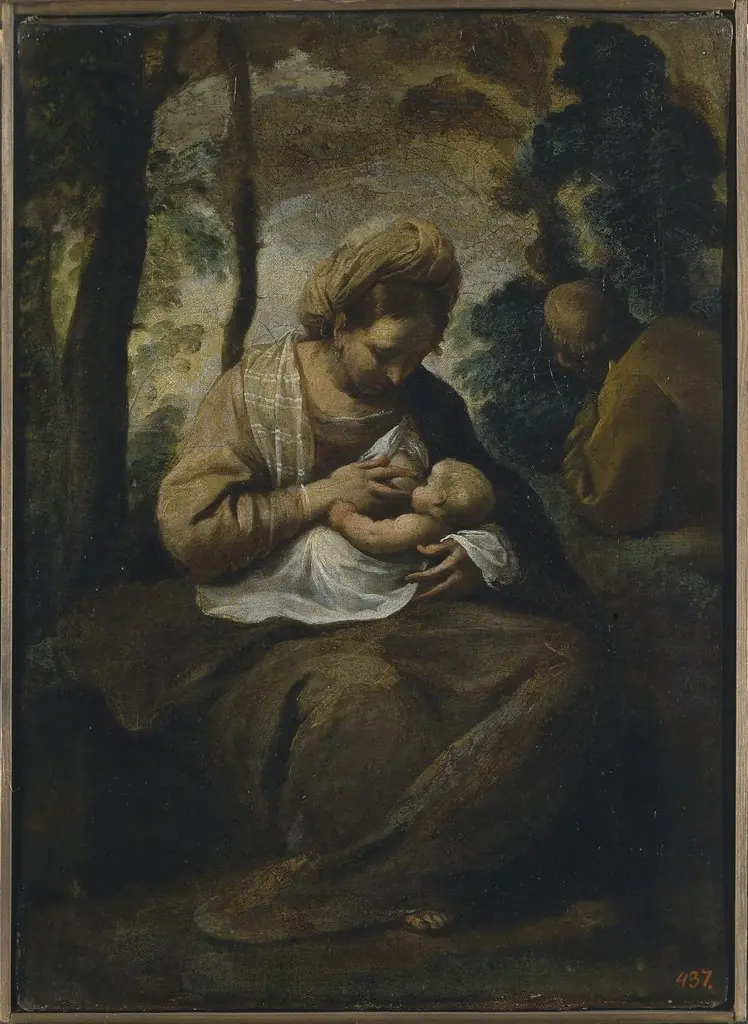
The scene portrays the Holy Family—Mary, Joseph, and the infant Jesus—paused during their escape from Herod’s persecution. Mary cradles the child beneath a tree, while Joseph sleeps nearby, his posture suggesting exhaustion and trust. The absence of threat in the imagery transforms the narrative from one of flight to one of tender respite, emphasizing divine protection through stillness rather than action.
Technique & Style
Cantarini employed etching to achieve subtle tonal transitions, using fine, controlled lines to model shadow and form. The deep, soft shadows contrast with areas of delicate hatching that suggest fading daylight. The trees arch overhead like protective canopies, framing the figures with organic symmetry. His handling of light evokes a quiet, golden hour, enhancing the scene’s intimacy without overt symbolism.
History & Provenance
Cantarini, born in Pesaro and active primarily in Bologna, developed his printmaking skills during a period of intense artistic exchange in northern Italy. This etching reflects his engagement with both Caravaggesque naturalism and the classical balance of the Bolognese school. While its early ownership is undocumented, it entered major collections in the 19th century and is now held in institutions such as the National Gallery of Art, Washington.
Context
In early 17th-century Italy, religious subjects remained central to print culture, often serving devotional or educational purposes. Cantarini’s approach diverged from dramatic narratives common in Counter-Reformation art, favoring introspective moments. His etchings appealed to collectors who valued technical finesse and emotional restraint, aligning with broader trends in Bolognese graphic arts that prioritized quiet dignity over spectacle.
Legacy
Cantarini’s etchings, including this one, influenced later generations of printmakers through their lyrical use of light and compositional calm. Though less widely known than his contemporaries, his work exemplifies the potential of etching to convey narrative depth without theatricality. His emphasis on subtlety and atmosphere helped shape the evolution of Italian graphic art beyond the grandeur of Baroque painting.
Artist & collection
Artist
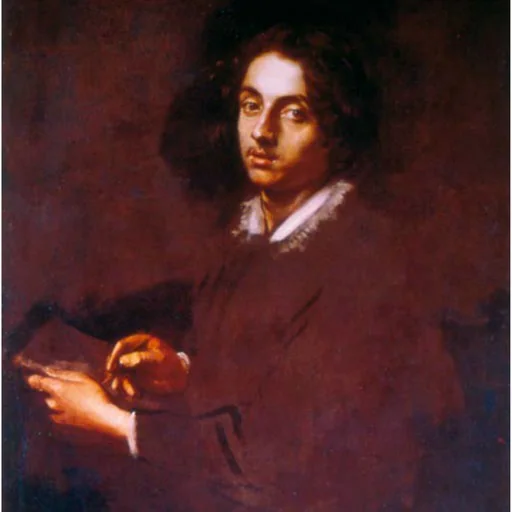
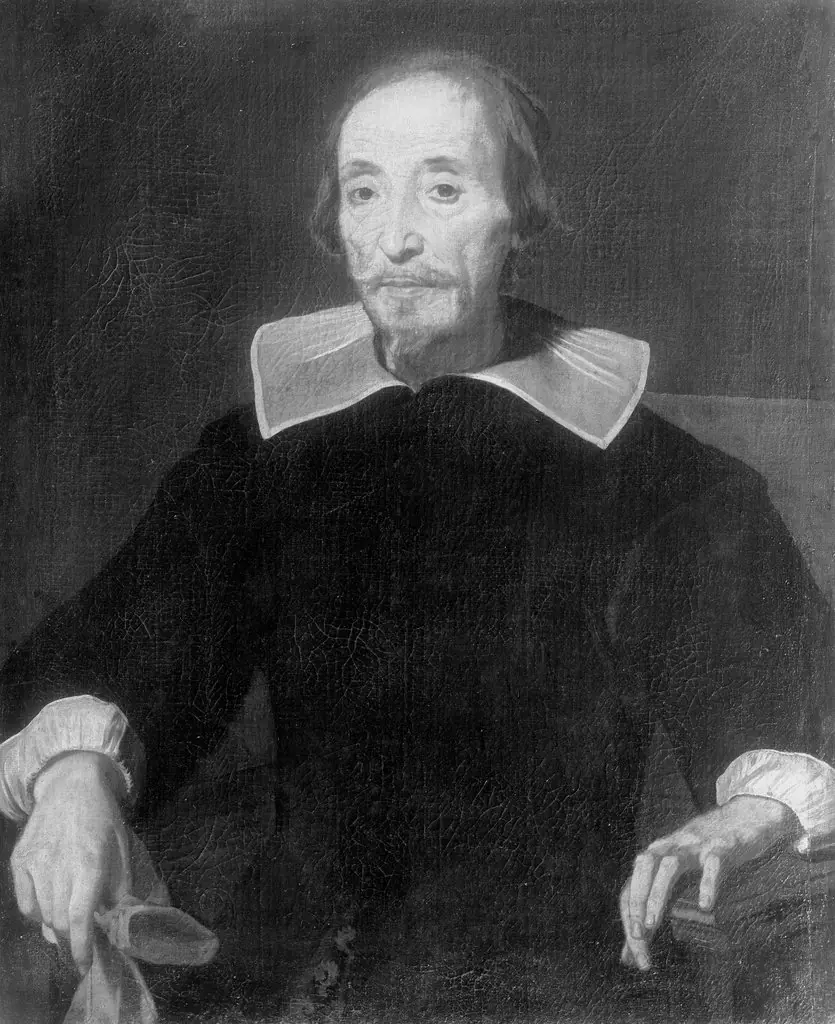
Simone Cantarini or Simone da Pesaro, called il Pesarese (Baptized on 21 August 1612 – 15 October 1648) was an Italian painter and etcher.

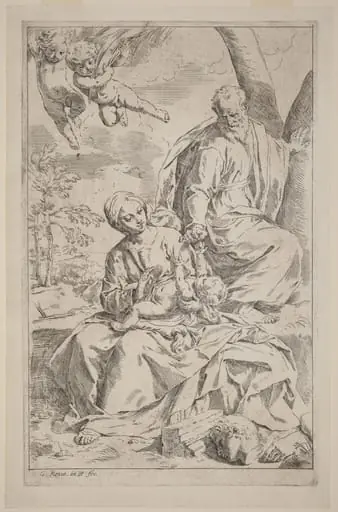 The Rest on the Flight into Egypt
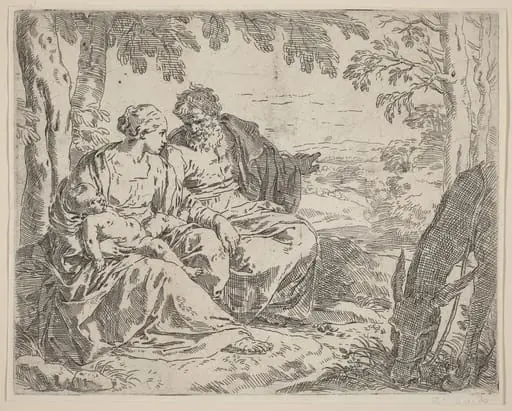 The Rest on the Flight into Egypt
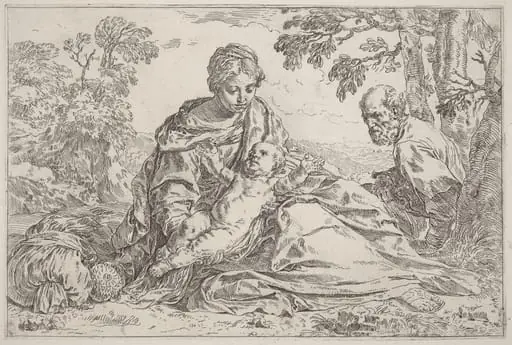 The Rest on the Flight into Egypt
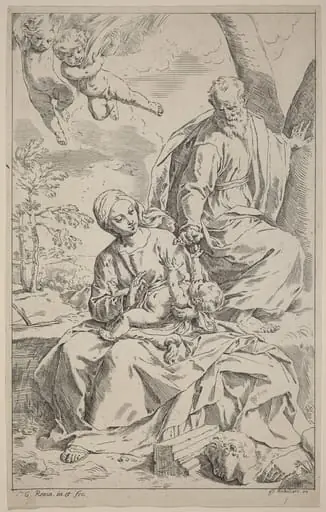 The Rest on the Flight into Egypt
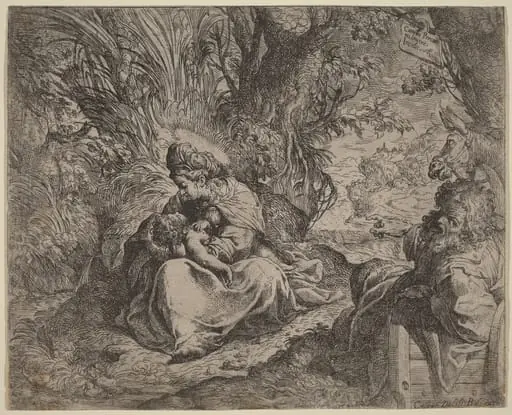 The Rest on the Flight into Egypt
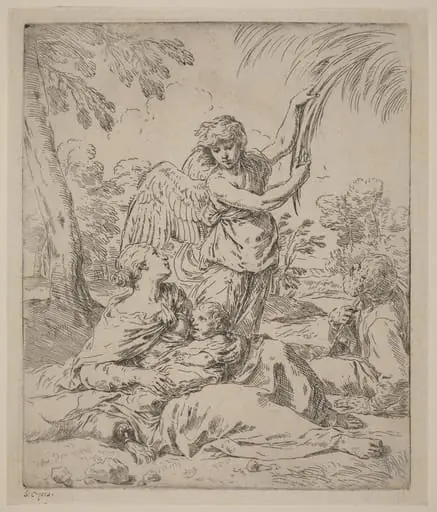 The Rest on the Flight into Egypt
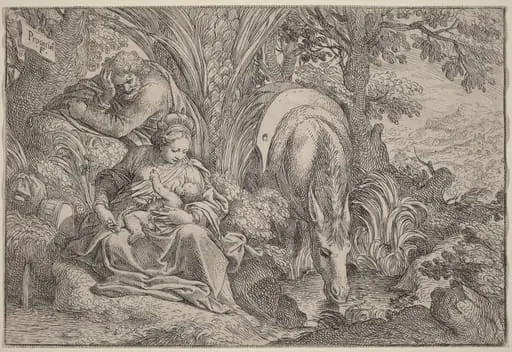 The Rest on the Flight into Egypt
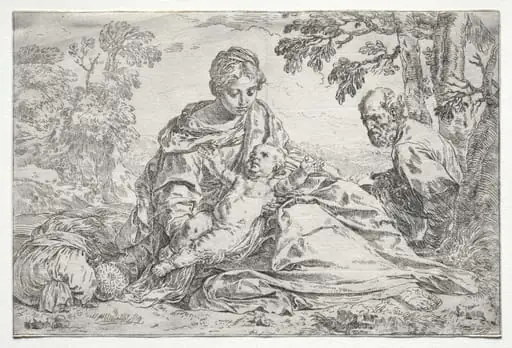 Rest on the Flight into Egypt
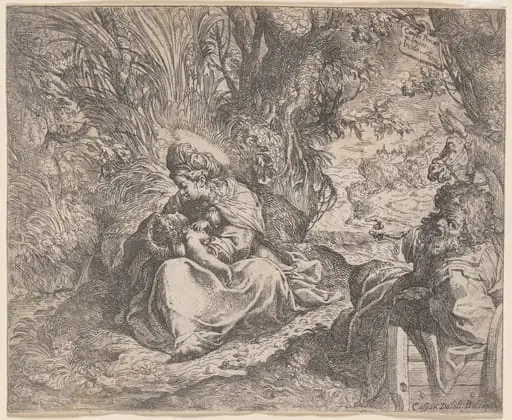 The Rest on the Flight into Egypt
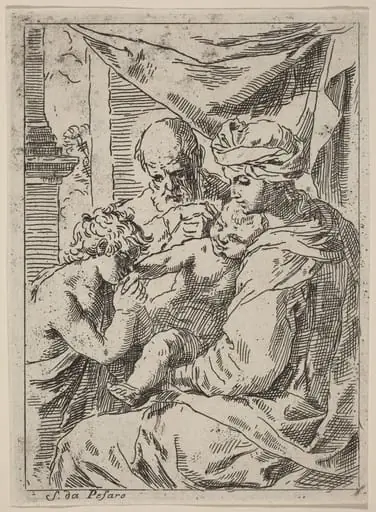 The Virgin and Child with Saint John
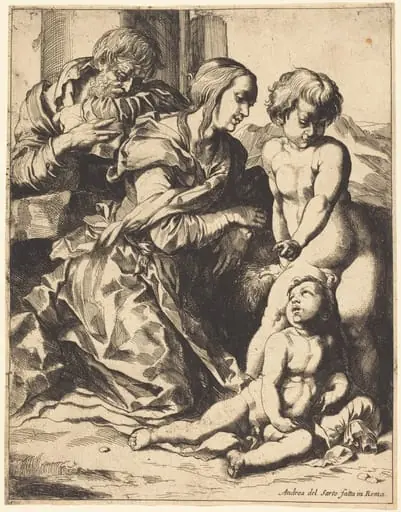 The Holy Family
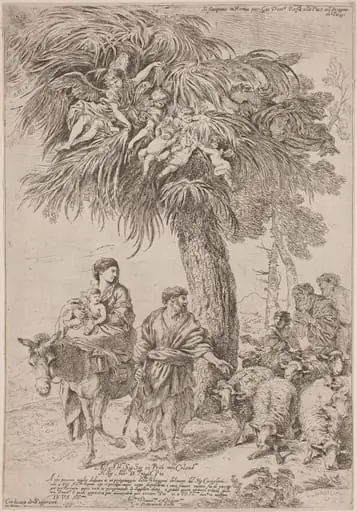 The Flight into Egypt