Artwork
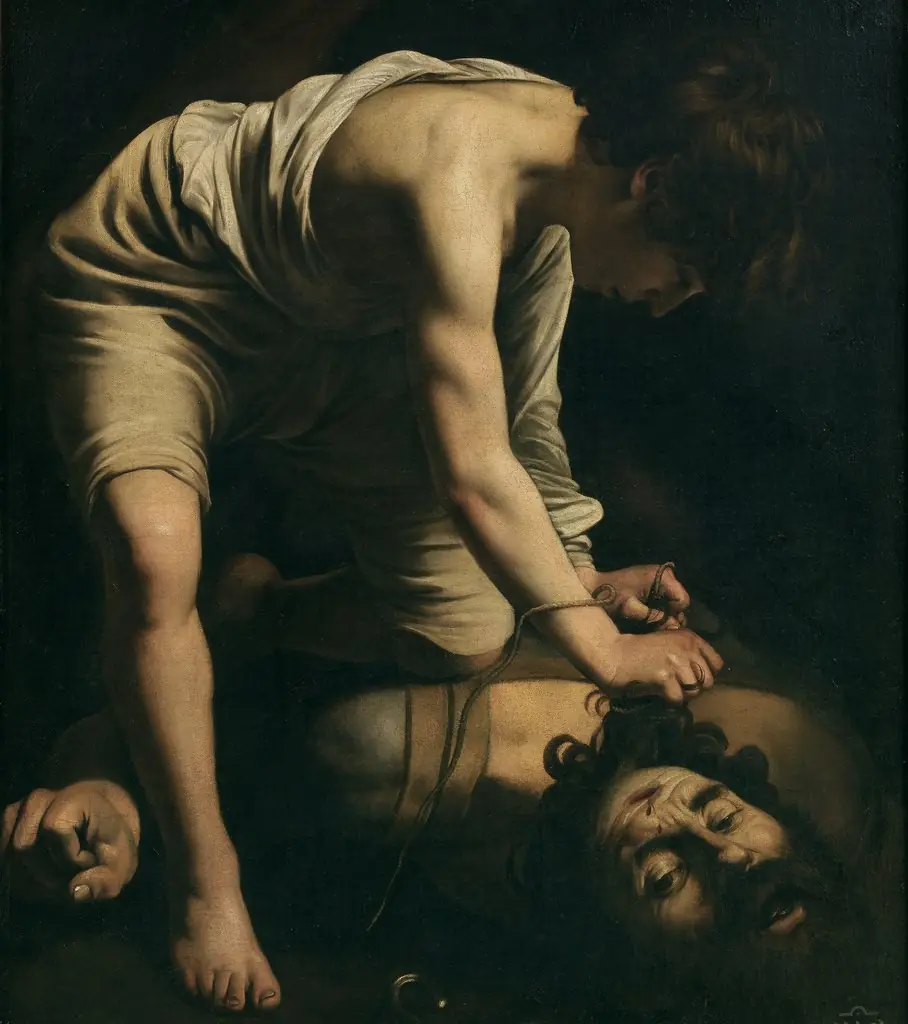
David with the Head of Goliath
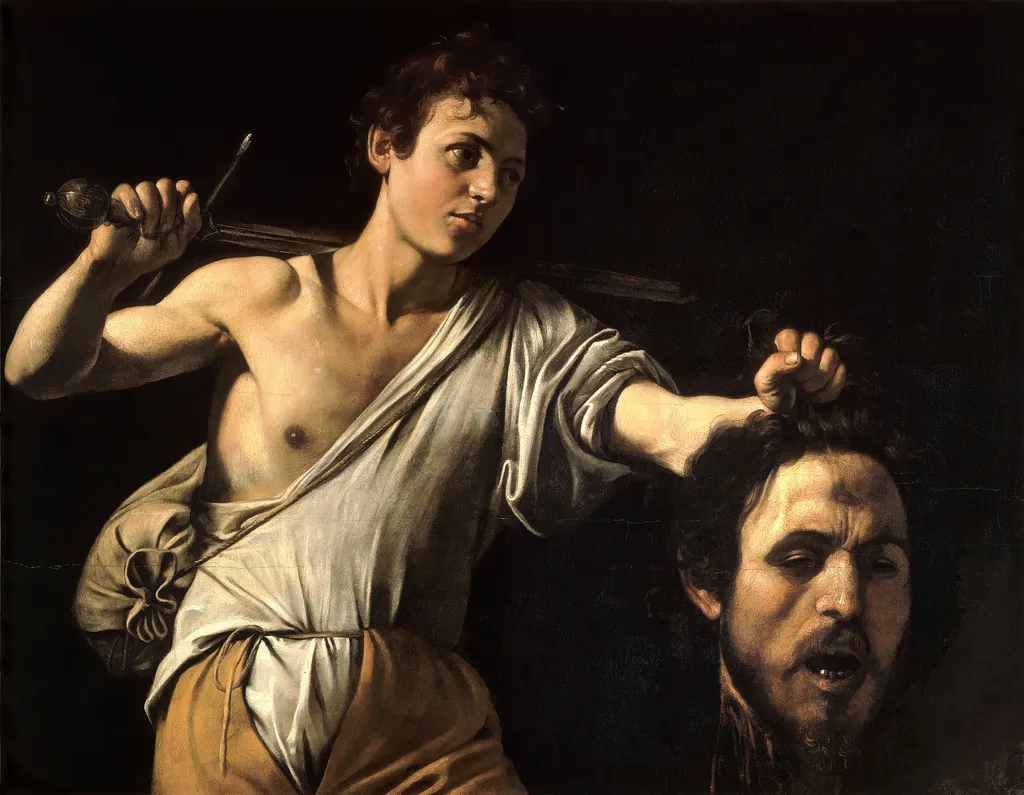
David with the Head of Goliath is an unspecified painting by the Baroque artist Caravaggio. It dates from 1607 and is held in the collection of the Kunsthistorisches Museum.
About this work
Overview
Executed in oil on a poplar wood panel, the work is currently held in the collection of the Kunsthistorisches Museum in Vienna.
This painting, titled David with the Head of Goliath, was created by the Italian artist Caravaggio around 1606-1607. Executed in oil on a poplar wood panel, the work is currently held in the collection of the Kunsthistorisches Museum in Vienna. It represents a significant example of the artist's mature period, showcasing his distinctive approach to biblical narratives through dramatic composition and lighting.
Subject & Meaning
The artwork illustrates the biblical account from the Book of Samuel, depicting the young David triumphing over the giant Goliath. Caravaggio frequently explored intense moments of human drama, and this subject allowed him to portray the complex emotions of victory, justice, and perhaps even a hint of melancholy or self-reflection on the part of the victor. The severed head serves as a stark symbol of the hero's decisive act.
Technique & Style
Caravaggio's characteristic use of oil paint on a poplar panel allowed for rich color saturation and the creation of deep contrasts. His revolutionary approach, often termed Tenebrism, employed stark chiaroscuro, dramatically illuminating key figures against dark backgrounds. This technique intensified the emotional impact of his scenes, drawing viewers into the immediate drama and psychological depth of the depicted moment, a hallmark of his Baroque style.
Own this work as a print
Artist & collection
Artist
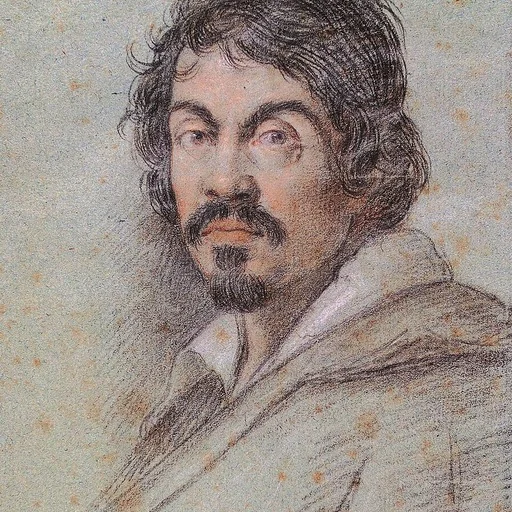
Michelangelo Merisi da Caravaggio (also Michele Angelo Merigi or Amerighi da Caravaggio; 29 September 1571 – 18 July 1610), known mononymously as Caravaggio, was an Italian painter active in Rome for most of his artistic life.