Artwork
Round and Sound, Five Pence a Pound, Duke Cherries
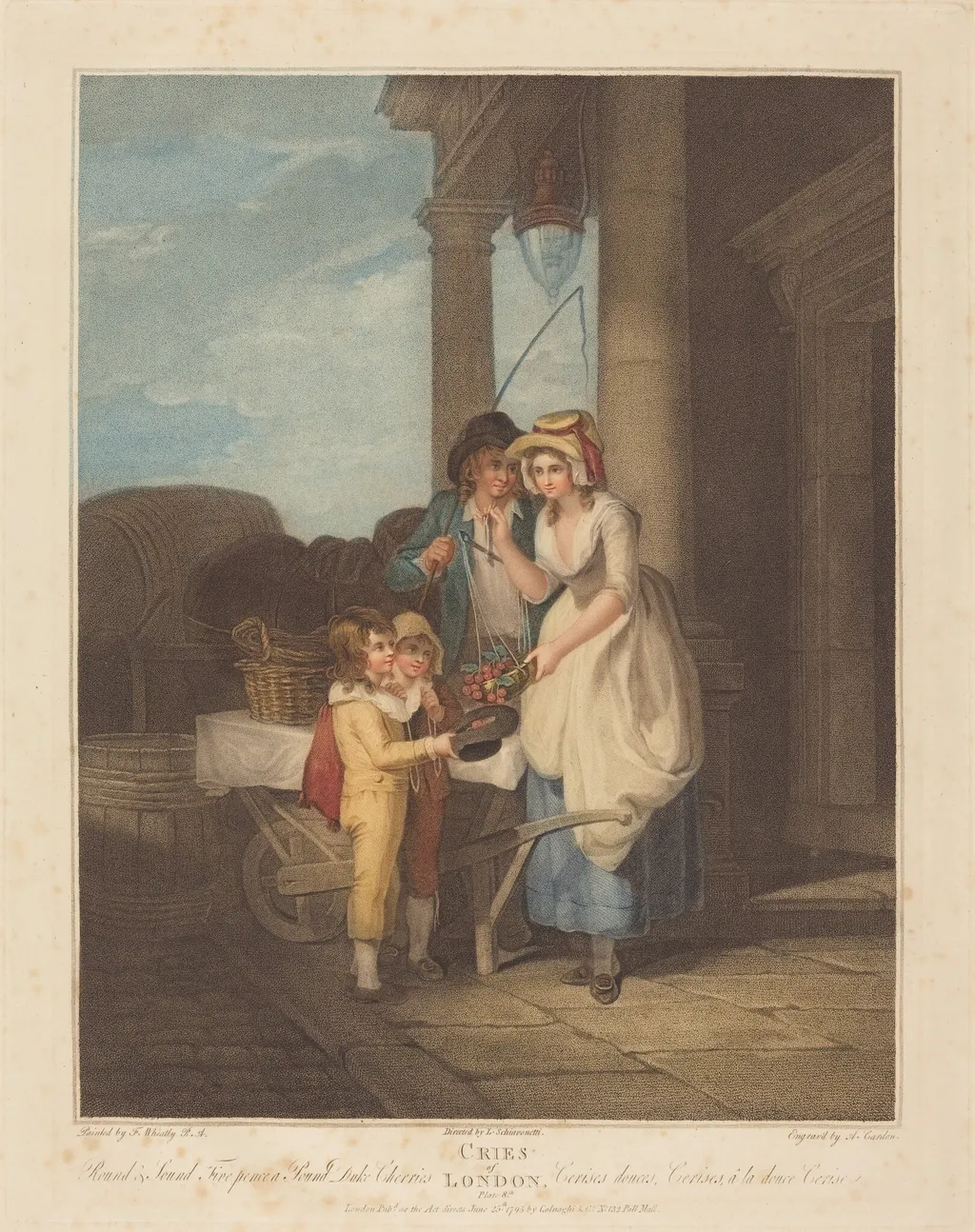
Round and Sound, Five Pence a Pound, Duke Cherries is an ink print by the Romanticist artist Anthony Cardon. It dates from 1795 and is held in the collection of the National Gallery of Art.
About this work
Overview
Created in 1795 by Anthony Cardon, a Flemish engraver working in England, this colored stipple engraving captures a market scene centered on Duke cherries.
Created in 1795 by Anthony Cardon, a Flemish engraver working in England, this colored stipple engraving captures a market scene centered on Duke cherries. Cardon, known for his precision in stipple and chalk techniques, produced this print during a period when he was actively illustrating books and commercial prints. The work blends commercial appeal with observational detail, reflecting the visual culture of late 18th-century British printmaking.
Subject & Meaning
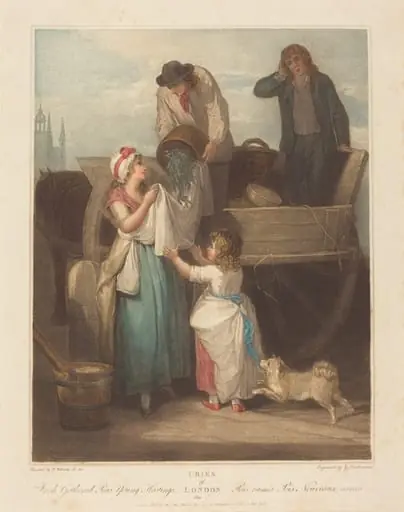
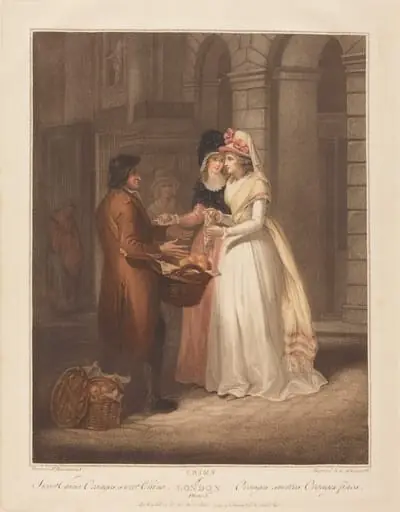
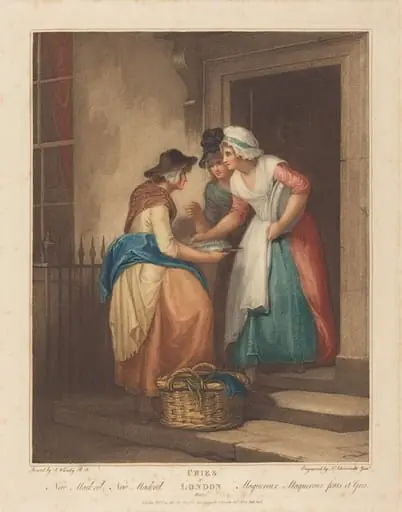
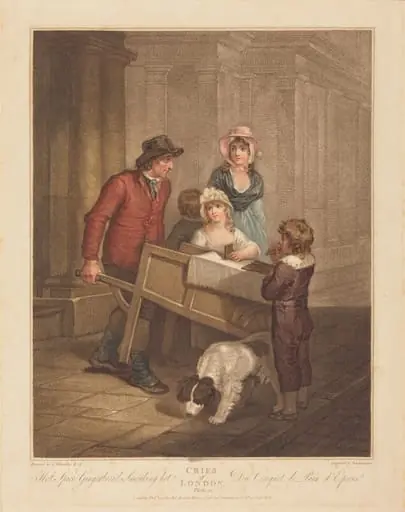
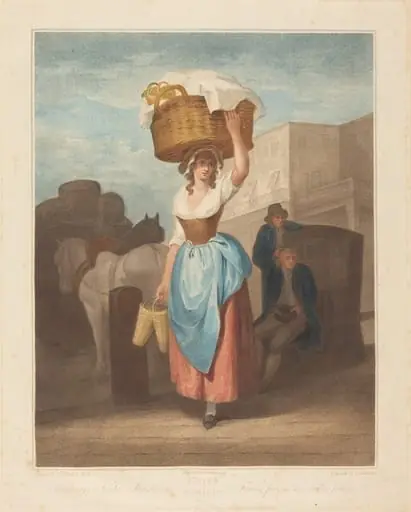
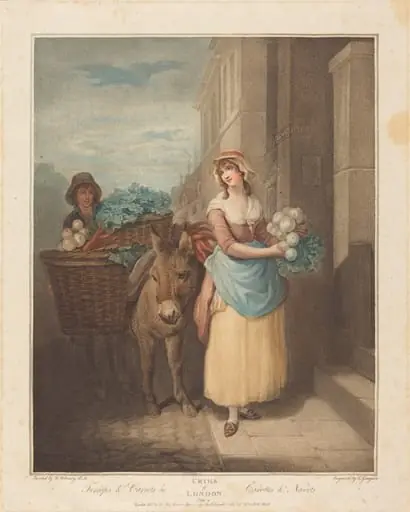
The scene portrays a vendor, a woman in white, offering cherries from a basket, while a man in blue stands behind her. Two children, dressed in yellow and brown, observe nearby. Set against a stone building with columns and a cloudy sky, the image suggests a moment of ordinary commerce. The cherries, prominently labeled with their price, emphasize freshness and accessibility, framing the fruit as both commodity and symbol of seasonal abundance.
Technique & Style
Cardon employed stipple engraving, using fine dots to model form and tone, enhanced with hand-coloring to suggest the glossy sheen of cherries and the texture of fabrics. The method allowed subtle gradations of light and shadow, lending realism to the figures and fruit. Unlike dramatic Romantic compositions, the style remains restrained, prioritizing clarity and detail over emotional intensity, aligning with the conventions of commercial printmaking of the era.
History & Provenance
The print was produced during Cardon’s active years in London, between 1792 and 1813, when he collaborated with publishers on illustrated books and popular prints. While specific early ownership records are scarce, such works were widely distributed as affordable art for middle-class households. Its survival reflects its role in domestic visual culture, where images of food and market life served both decorative and informational purposes.
Context
In late 18th-century Britain, fruit markets were social hubs, and prints like this catered to public interest in seasonal produce and urban life. The depiction of cherries at a fixed price aligns with contemporary efforts to standardize trade and communicate value visually. Though not overtly political, such images subtly reinforced norms of commerce, domesticity, and the visibility of labor in everyday settings.
Legacy
Cardon’s work contributed to the broader tradition of British printmaking that documented daily life with technical precision. While not widely studied today, this print exemplifies how commercial art bridged fine and popular culture. Its survival in institutional collections offers insight into how ordinary scenes were rendered, circulated, and consumed by audiences seeking both utility and visual pleasure.
Artist & collection

Artist
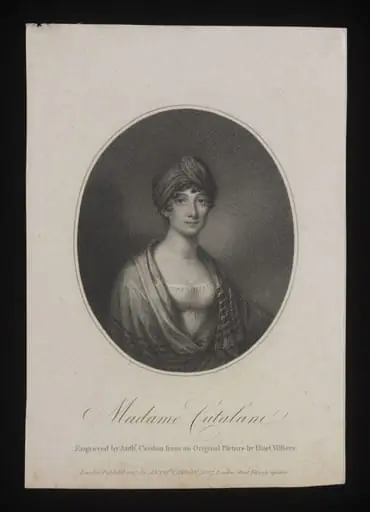
Anthony Cardon (1772–1813) was a Flemish engraver in chalk or stipple, who made his career in England and became noted for his engravings and book illustrations.