Artwork
Flowers in a Glass Bottle
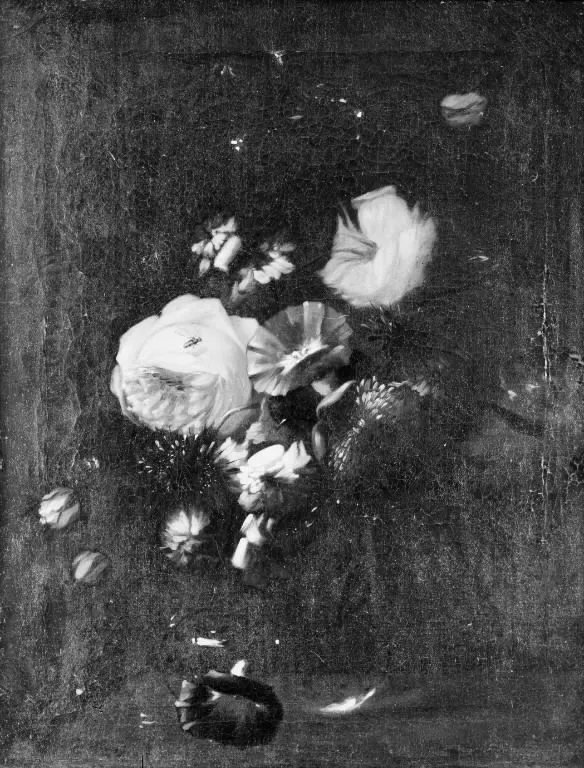
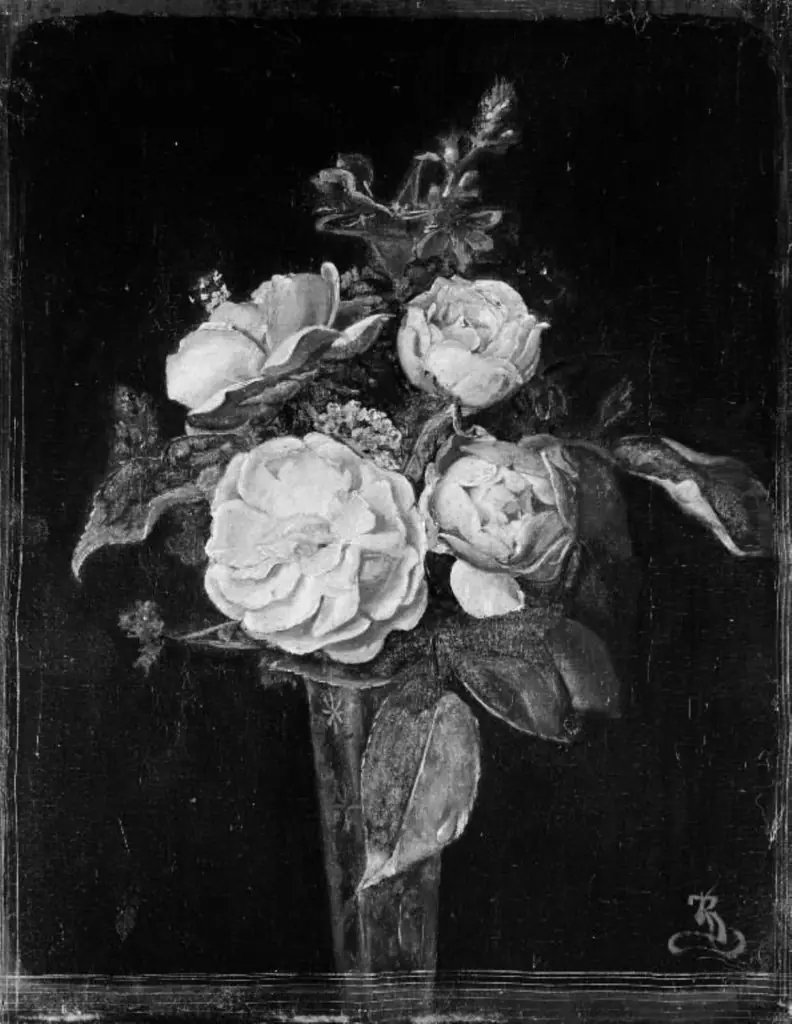
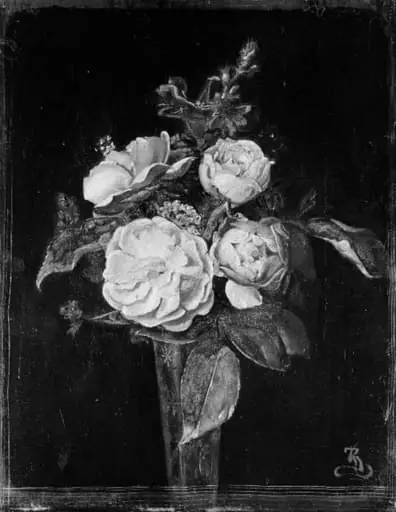
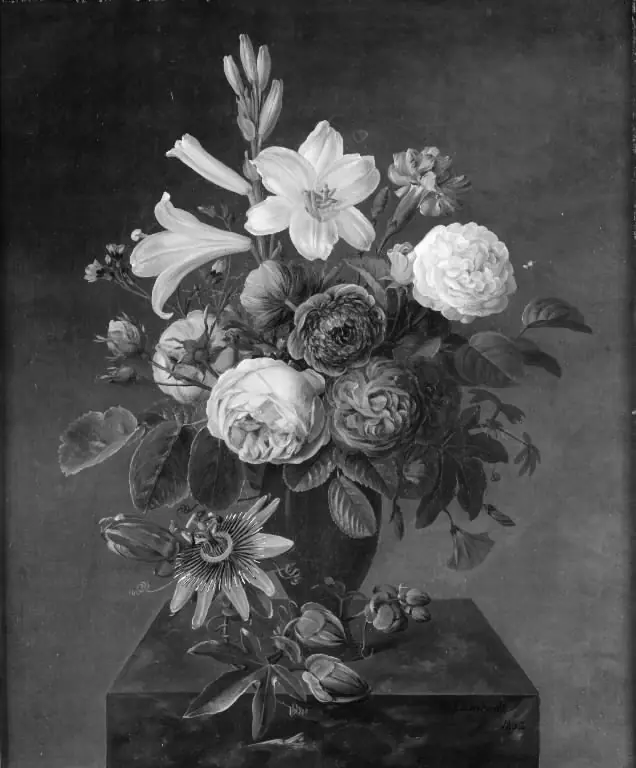
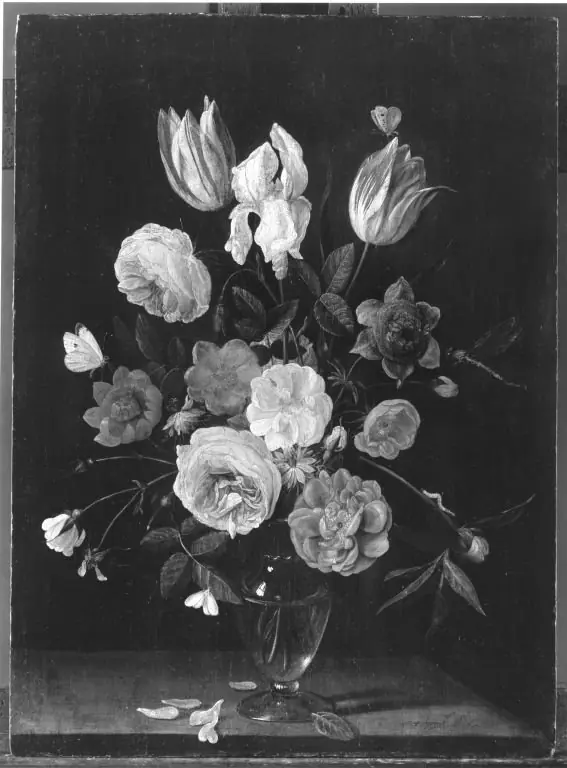
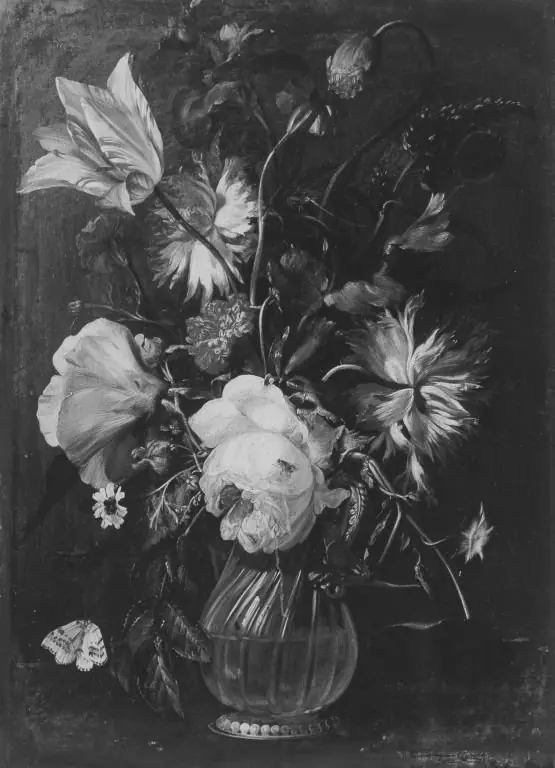
Flowers in a Glass Bottle is an oil painting by the Dutch Golden Age artist Carel de Vogelaer. It dates from 1691 and is held in the collection of the Statens Museum for Kunst.
About this work
Overview
Though Dutch by birth, de Vogelaer spent much of his career in Italy, where he gained recognition for his floral compositions.
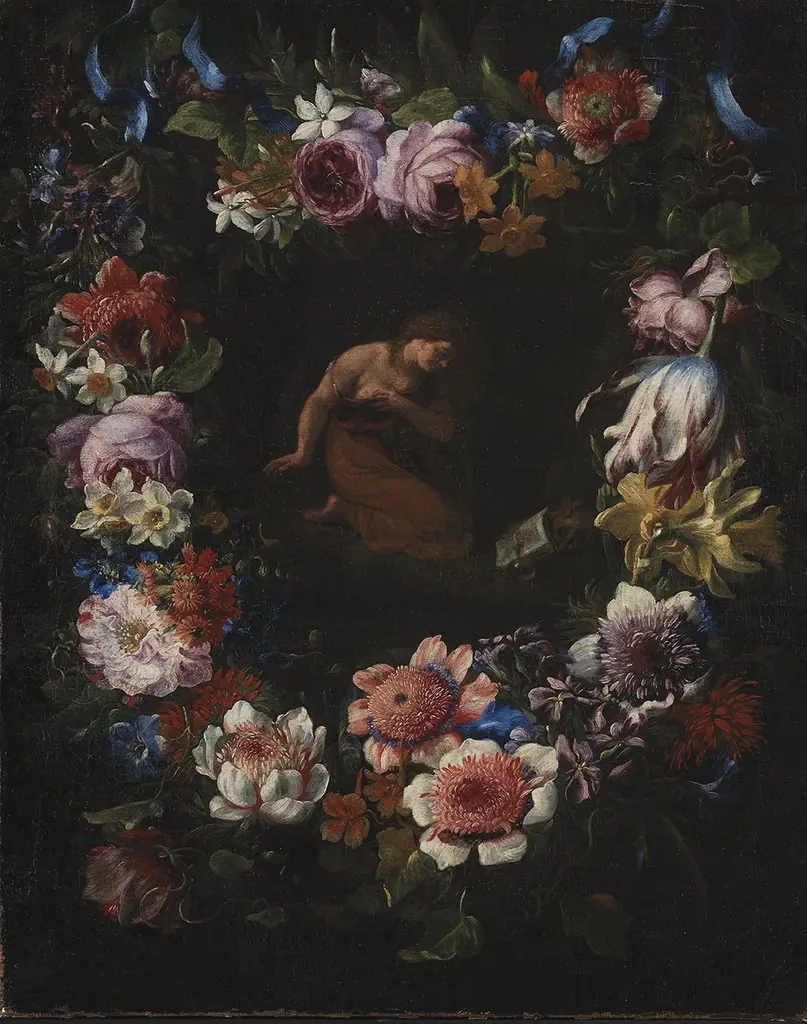
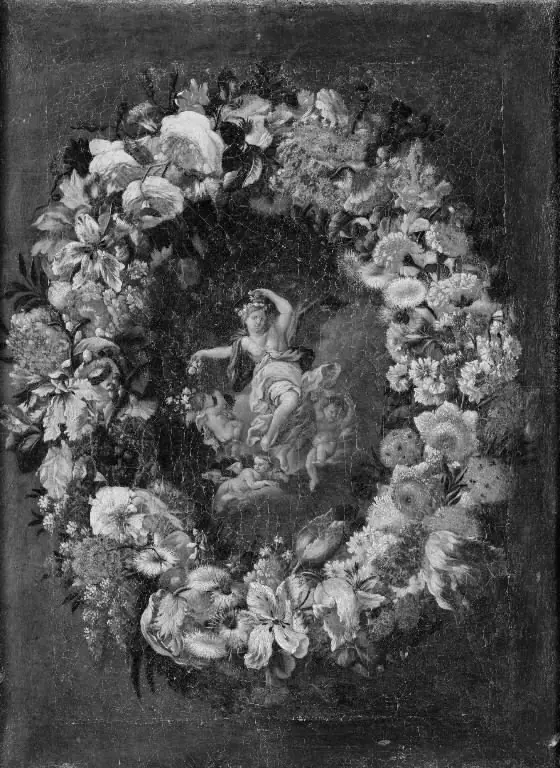
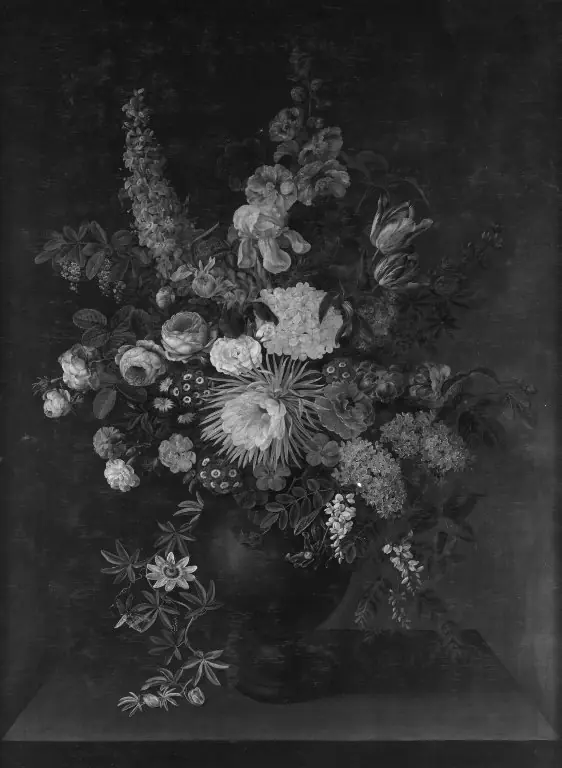
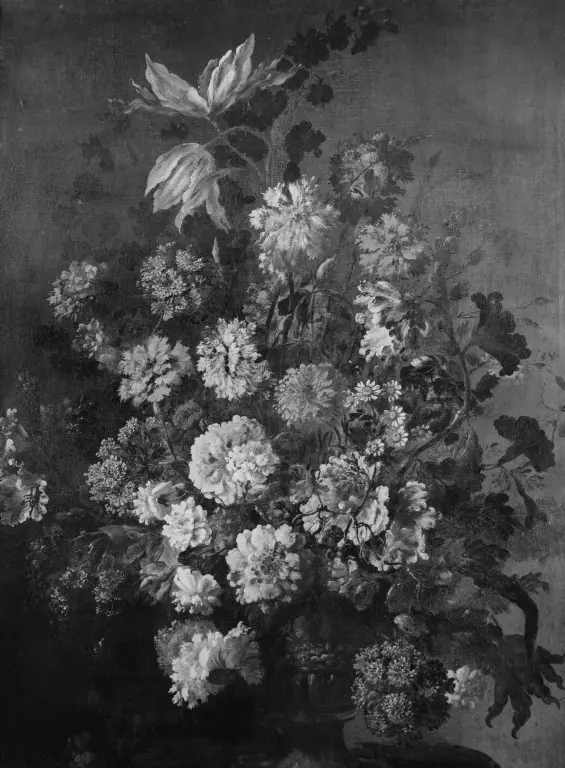
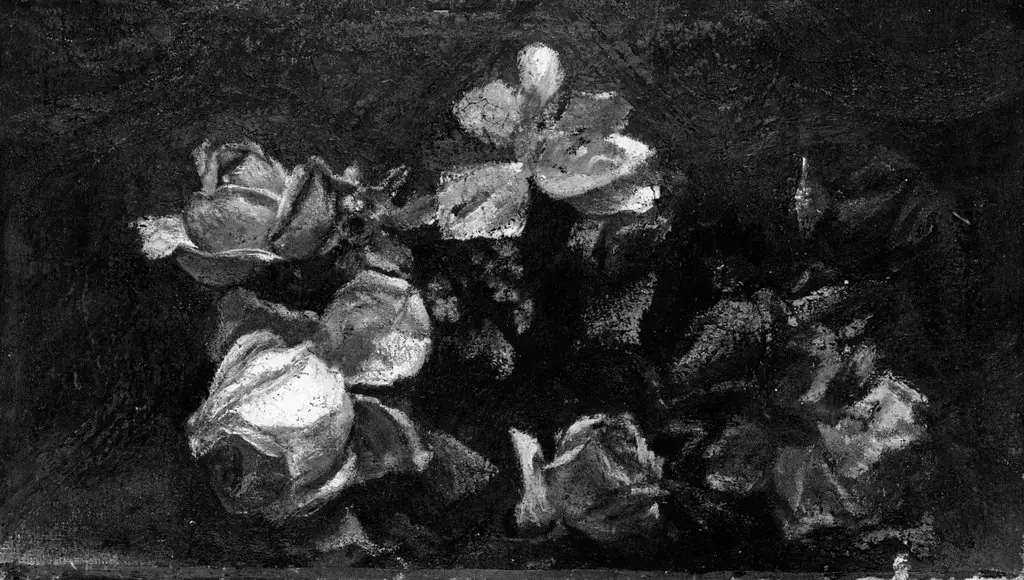
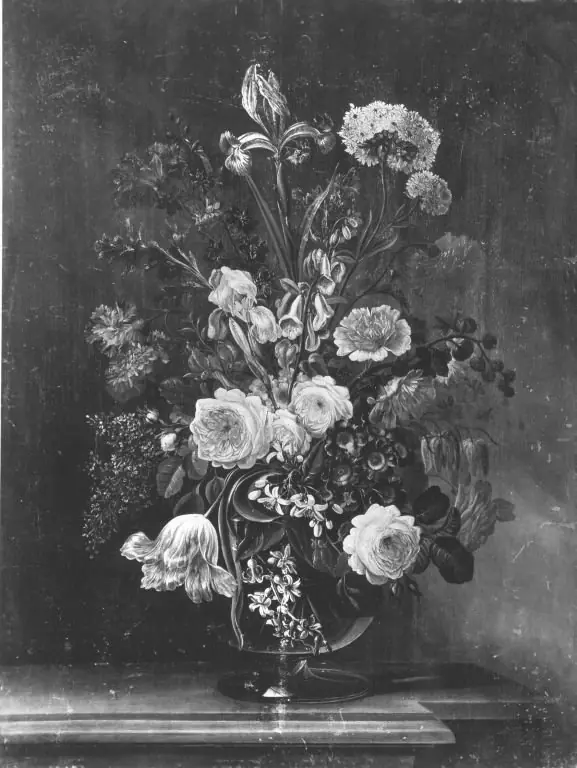
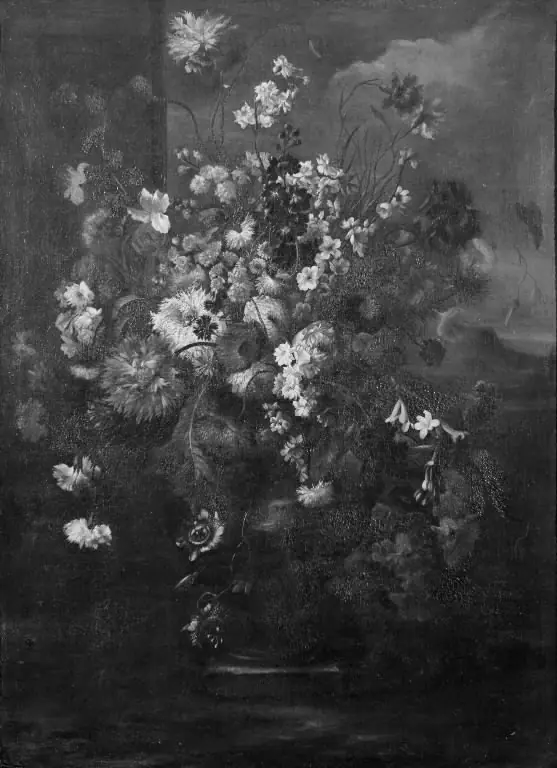
Painted in 1691 by Carel de Vogelaer, this oil on canvas depicts a modest bouquet of flowers in a glass vessel. Though Dutch by birth, de Vogelaer spent much of his career in Italy, where he gained recognition for his floral compositions. The work reflects the Baroque tradition of still life painting, emphasizing naturalism and quiet elegance over ornate display. It resides today in the collection of the Statens Museum for Kunst in Copenhagen.
Subject & Meaning
The arrangement consists of white and pink blooms with scattered green foliage, presented as if freshly gathered. The loose, unstructured placement suggests spontaneity rather than formal design. Unlike many contemporary floral works laden with symbolic meaning, this piece avoids overt allegory, focusing instead on the transient beauty of the flowers themselves, capturing a moment of quiet natural grace.
Technique & Style
De Vogelaer employed fine brushwork to render the delicate textures of petals and leaves, with subtle gradations of light and shadow enhancing their three-dimensionality. The dark, unmodulated background isolates the bouquet, heightening its presence without distraction. The glass vessel is rendered with precision, its transparency and reflections subtly suggesting the artist’s attention to optical detail within a restrained composition.
History & Provenance
Created during de Vogelaer’s time in Italy, where he was known as Carlo dei Fiori, the painting reflects his established reputation among European collectors. While details of its early ownership are sparse, it entered the Danish national collection in the 19th century, where it has remained since. Its preservation in a public museum underscores its recognition as a representative example of Baroque still life from a Dutch artist working abroad.
Context
In late 17th-century Italy, Dutch still life painters were sought after for their technical precision and naturalistic approach to flora. De Vogelaer’s work aligned with this demand, though he typically avoided the elaborate arrangements common in Flemish or Dutch courtly still lifes. His preference for simplicity and intimate scale distinguished him, contributing to a quieter, more contemplative strand within the broader Baroque tradition.
Legacy
De Vogelaer’s influence extended through his role in shaping Italian perceptions of Dutch floral painting. While not widely replicated, his restrained style contributed to a broader appreciation for understated naturalism in still life. Today, his works are studied for their balance between observation and elegance, offering insight into cross-cultural artistic exchange during the late Baroque period.
Artist & collection
Artist
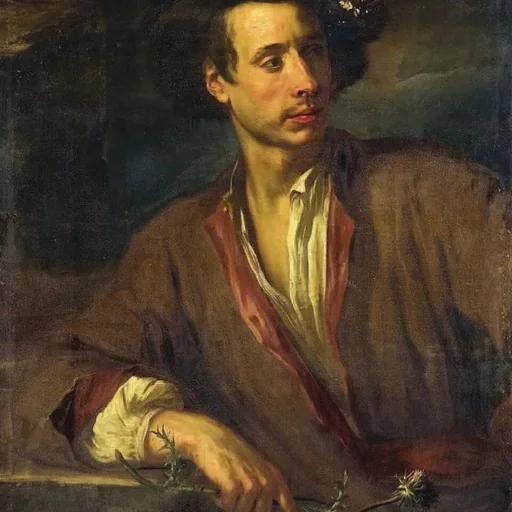
Karel van Vogelaer or Carel de Vogelaer, nicknamed Distelbloem (Thistle flower) (1653 - 8 August 1695) was a Dutch still life painter from Maastricht primarily active in Italy where he was known as 'Carlo dei Fiori'.