Artwork
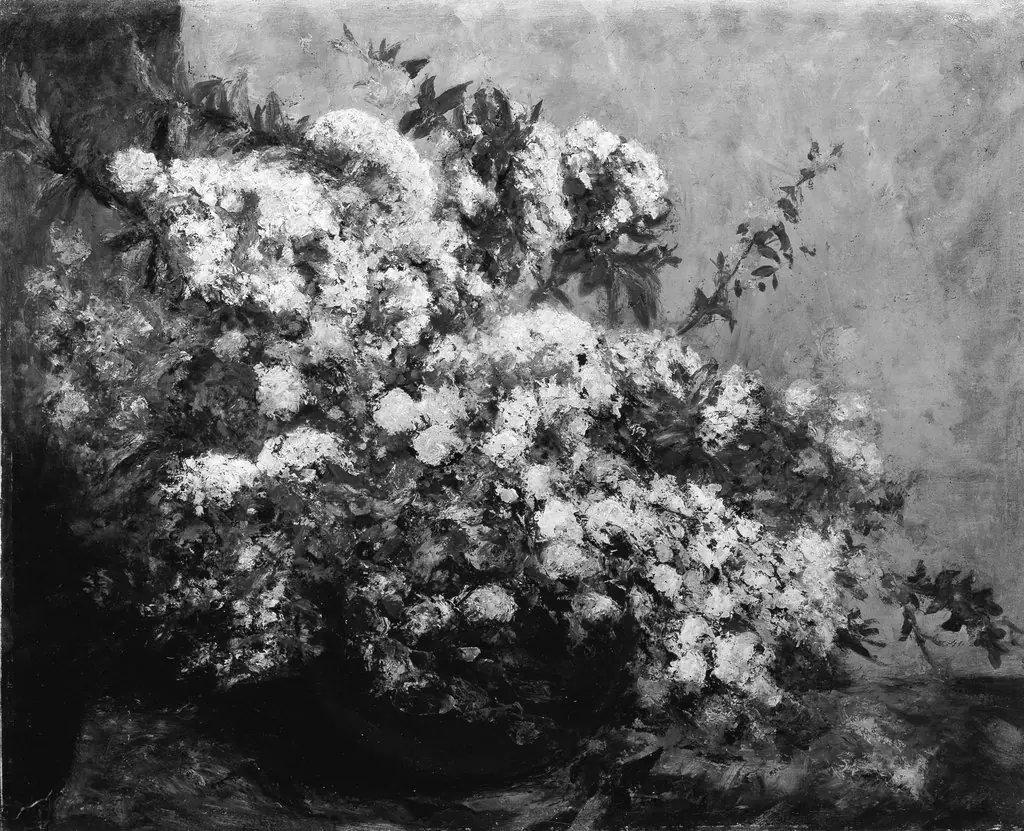
Flowers—Decorative Study
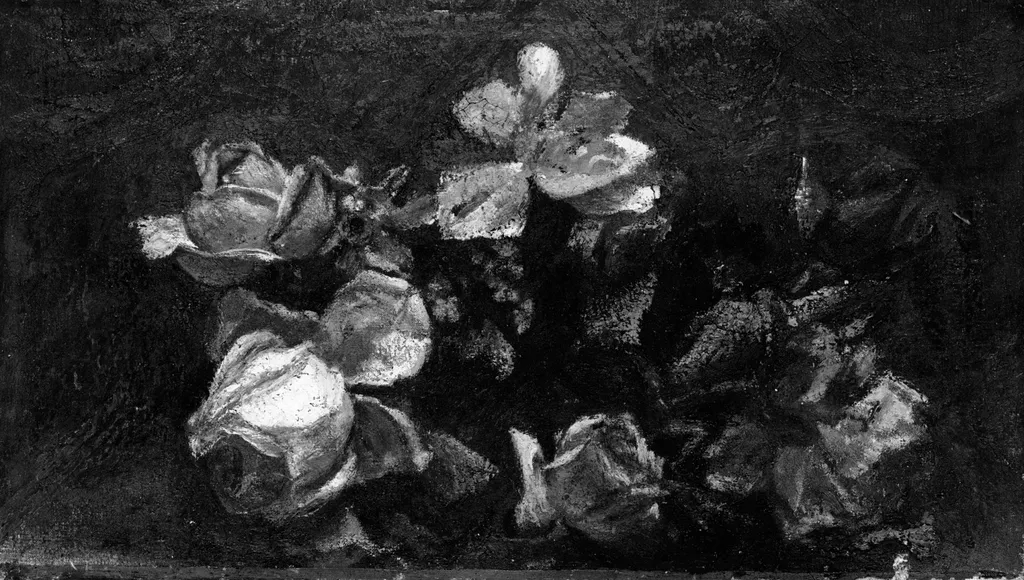
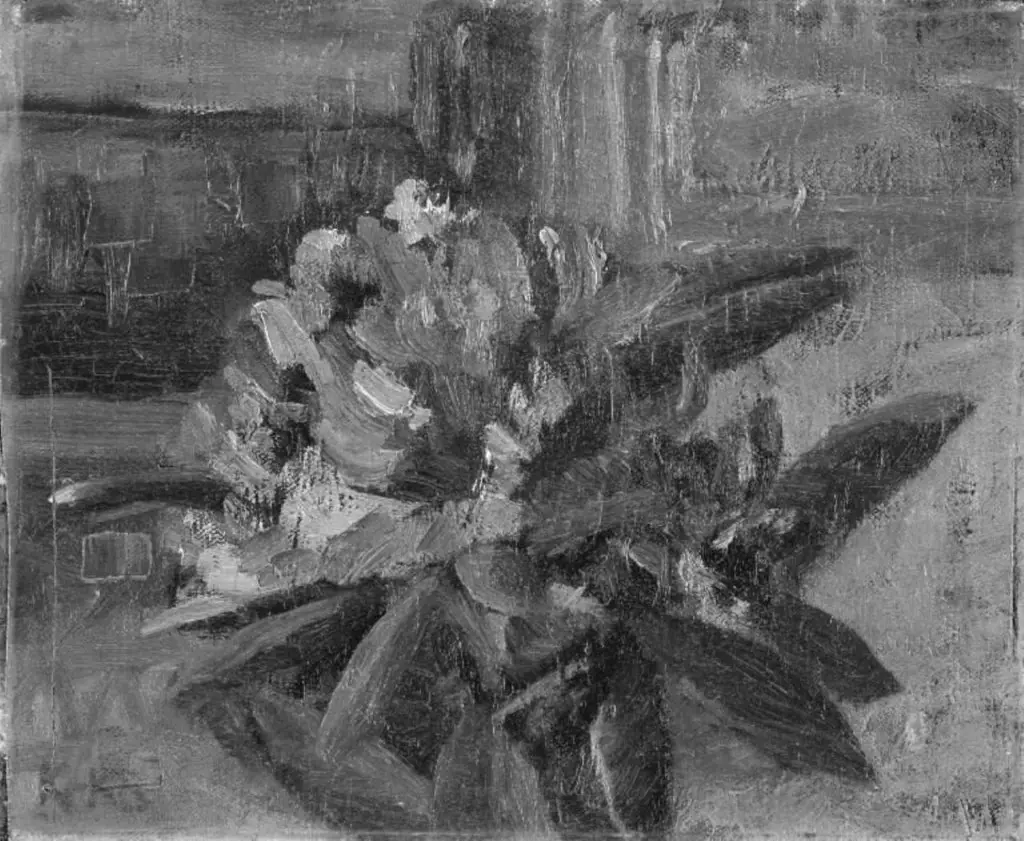
Flowers—Decorative Study is an unspecified painting by John La Farge. It dates from 1882 and is held in the collection of the Clark Art Institute.
About this work
Overview
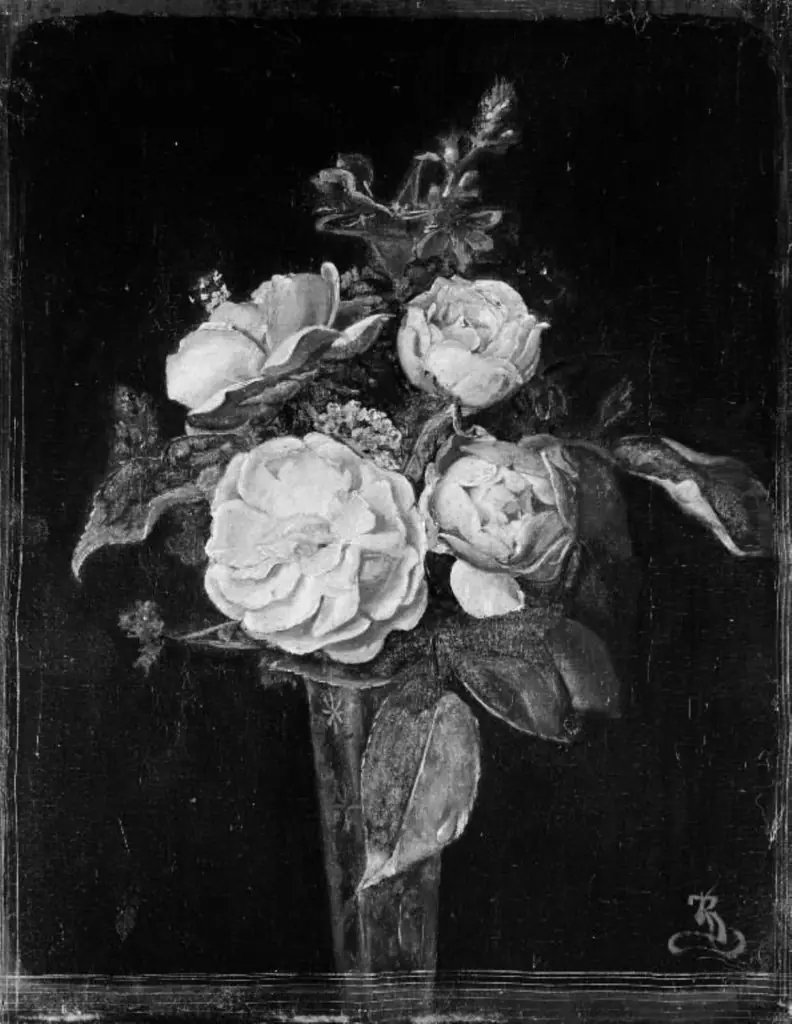
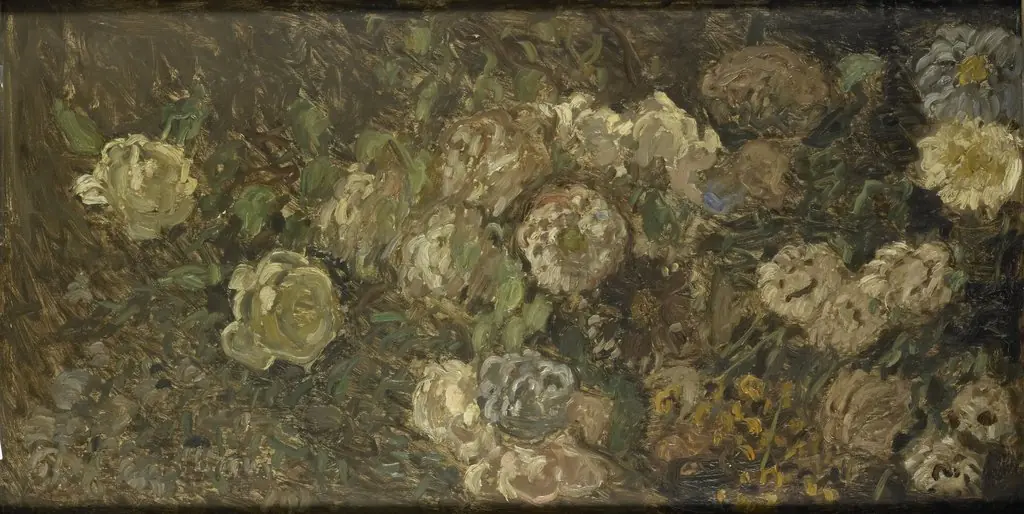
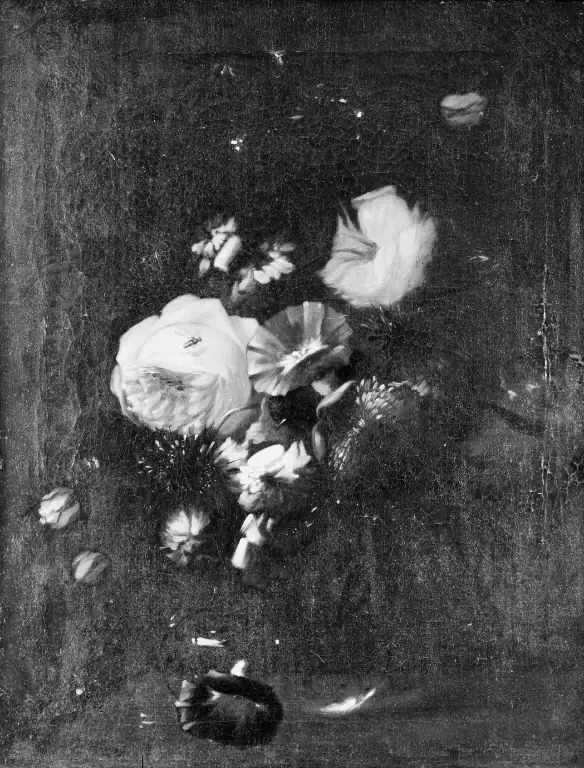
Flowers—Decorative Study, painted circa 1882 by American artist John La Farge, is a still-life arrangement of flowers characterized by its soft, delicate quality and innovative use of color against a dark backdrop.
Subject & Meaning
The subject is a loosely arranged bouquet with varied flower orientations, emphasizing natural, organic composition over formal symmetry. The focus on light, shade, and the subtle glow of the flowers may suggest an exploration of luminosity, a theme consistent with La Farge's work in stained glass.
Technique & Style
La Farge's expertise in color, honed through his stained glass innovations (including a 1880 patent for glass layering), is evident in the painting's nuanced palette of whites, grays, and the strategic use of a dark background to enhance the flowers' visibility and glow.
History & Provenance
Created during a period of La Farge's rising prominence, following his 1878 Trinity Church commission and glass layering patent in 1880, the work is now part of the Clark Art Institute's collection.
Context
Flowers—Decorative Study reflects the intersection of La Farge's interests in decorative arts, stained glass, and painting, showcasing how techniques from one medium influenced another in his practice.
Legacy
While specific direct influences of *Flowers—Decorative Study* are not widely documented, it contributes to the broader understanding of La Farge's versatile career and his contributions to American decorative and fine arts at the turn of the 19th century.
Artist & collection

Artist
John La Farge (March 31, 1835 – November 14, 1910) was an American artist whose career spanned illustration, murals, interior design, painting, and popular books on his Asian travels and other art-related topics.

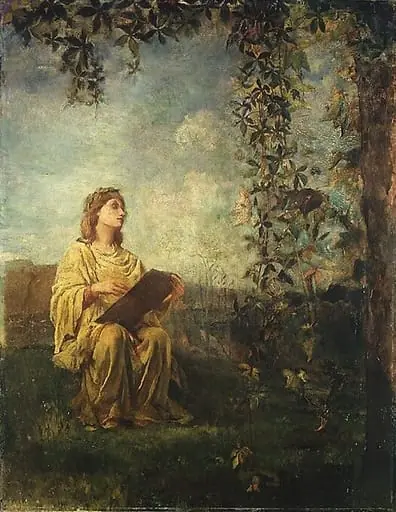 The Muse of Painting
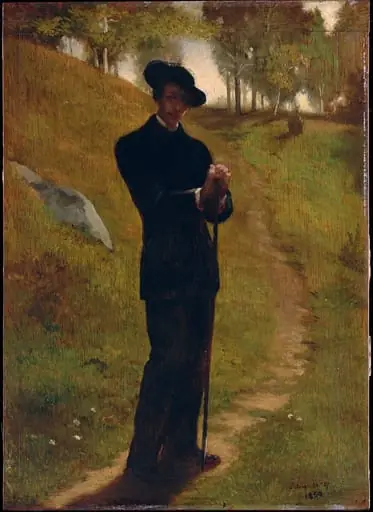 Portrait of the Painter
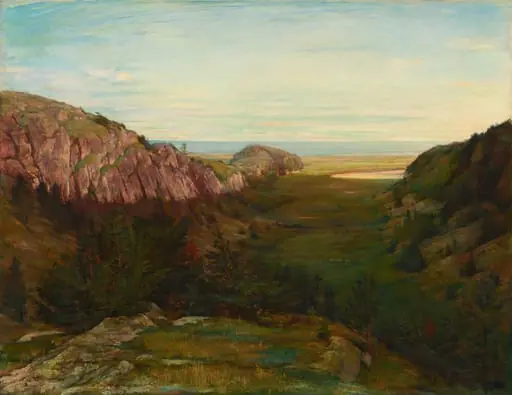 The Last Valley - Paradise Rocks
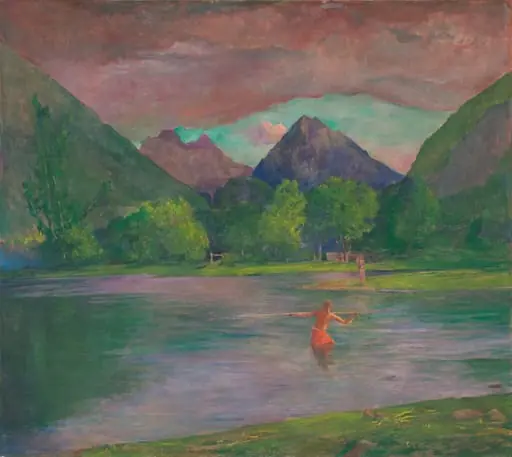 The Entrance to the Tautira River, Tahiti. Fisherman Spearing a Fish
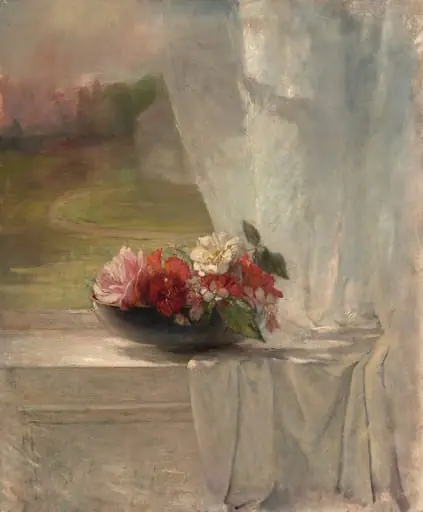 Flowers on a Window Ledge
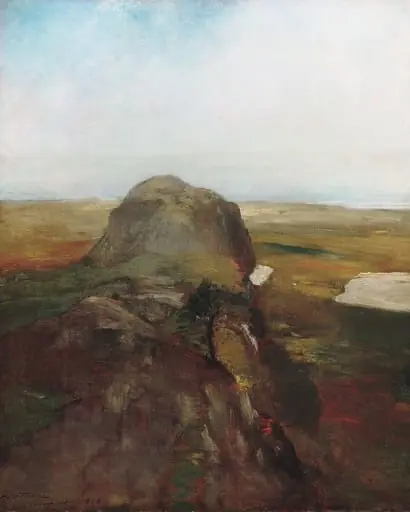 Autumn Study, View over Hanging Rock, Newport, R.I.
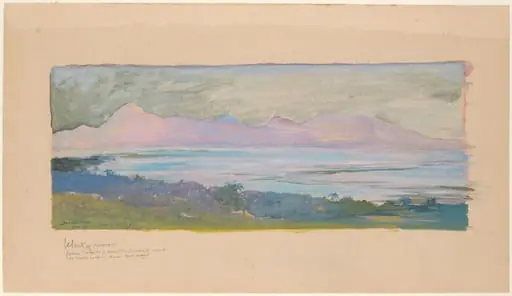 The Island of Moorea Looking across the Strait from Tahiti, January 1891
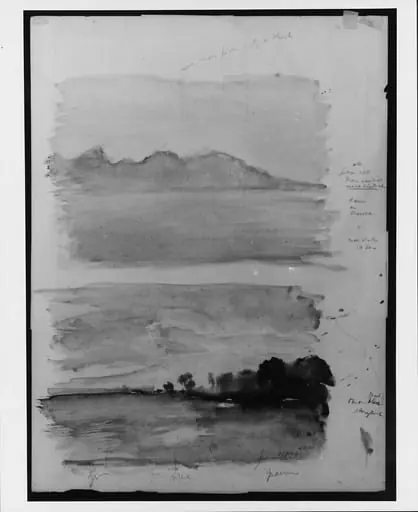 Double Study of Dawn, Moorea Seen across the Water, Tahiti