Artwork
The Interior of the Palm House on the Pfaueninsel Near Potsdam
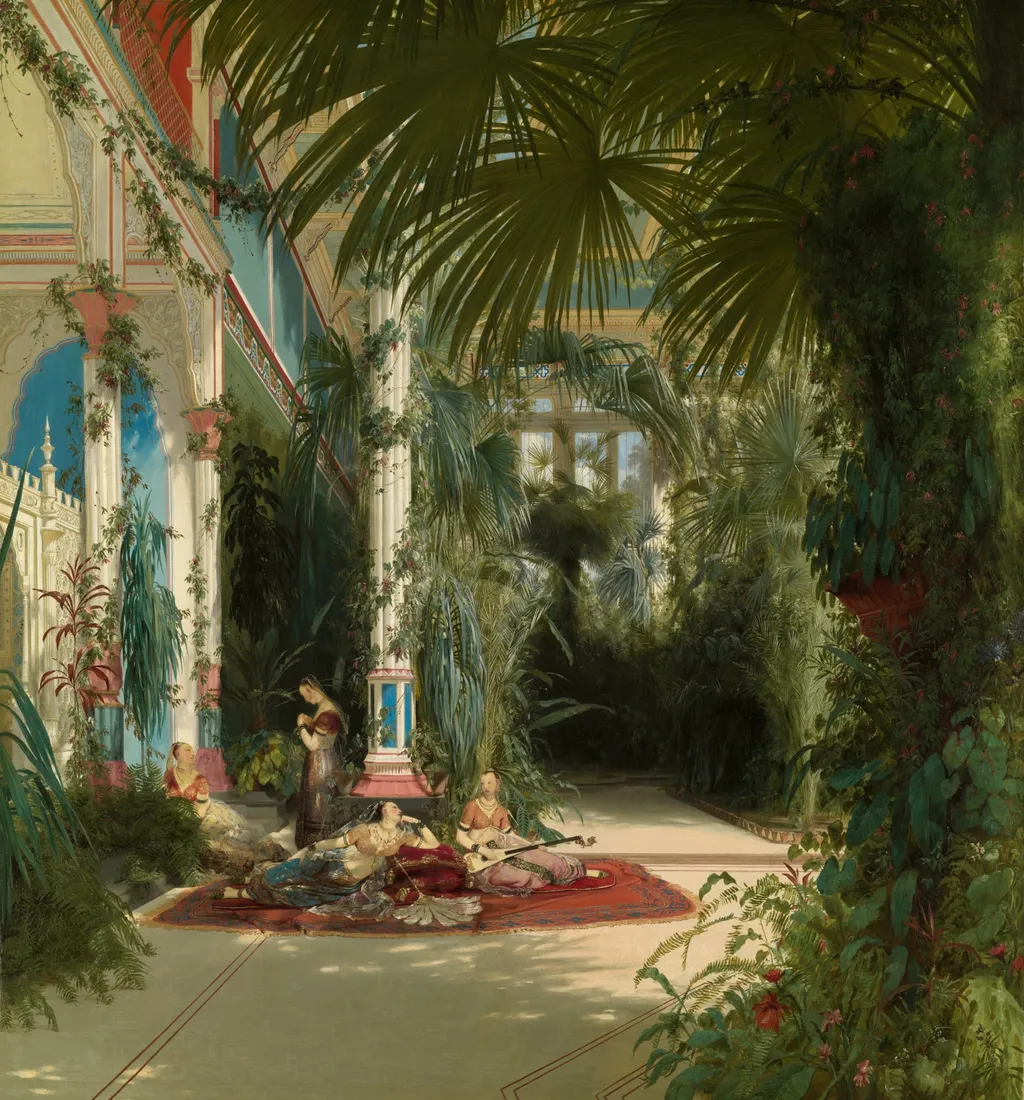
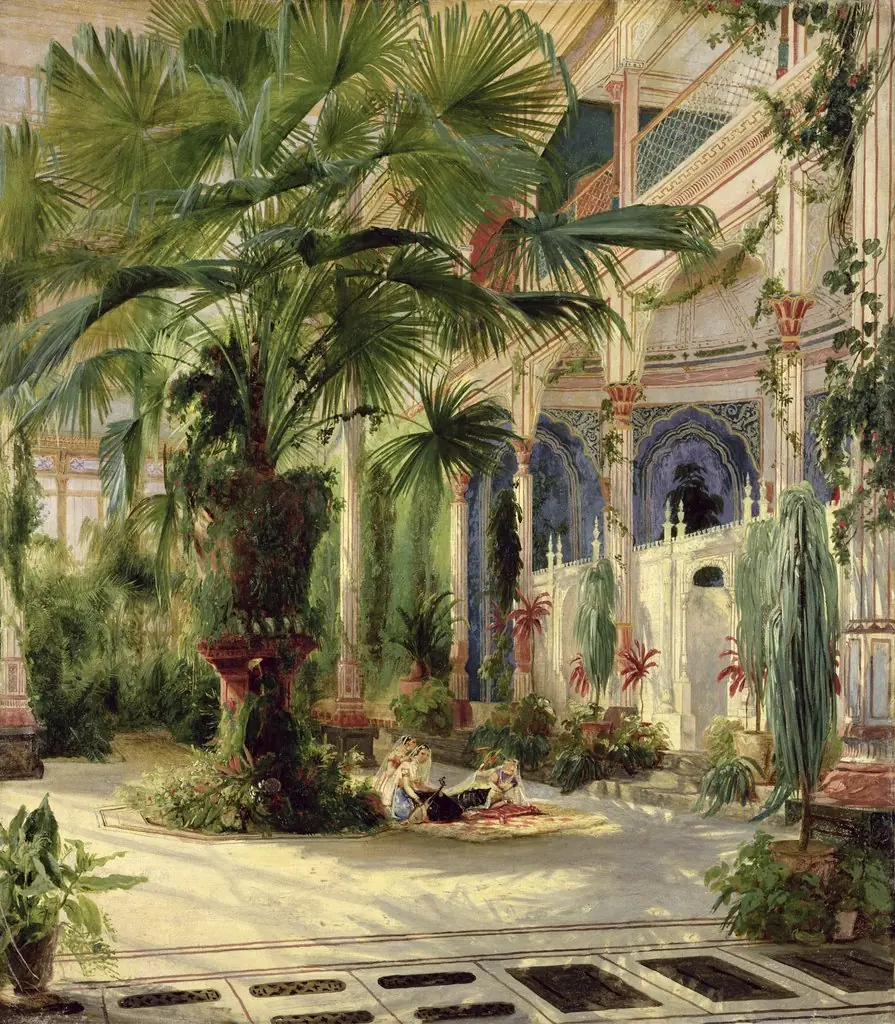
The Interior of the Palm House on the Pfaueninsel Near Potsdam is an oil painting by the German Romanticist artist Carl Blechen. It dates from 1834 and is held in the collection of the Art Institute of Chicago.
About this work
This painting shows a lush greenhouse filled with palm trees and tangled vines.
This painting shows a lush greenhouse filled with palm trees and tangled vines. It was made in 1834 by Carl Blechen. The building itself looks almost swallowed by the plants growing inside.
The artist added human figures dressed in exotic costumes. They blend into the scene like part of the decor. The light through the glass roof makes everything glow.
The figures come from colonial fantasies about faraway places. Look up Carl Blechen next.
Overview
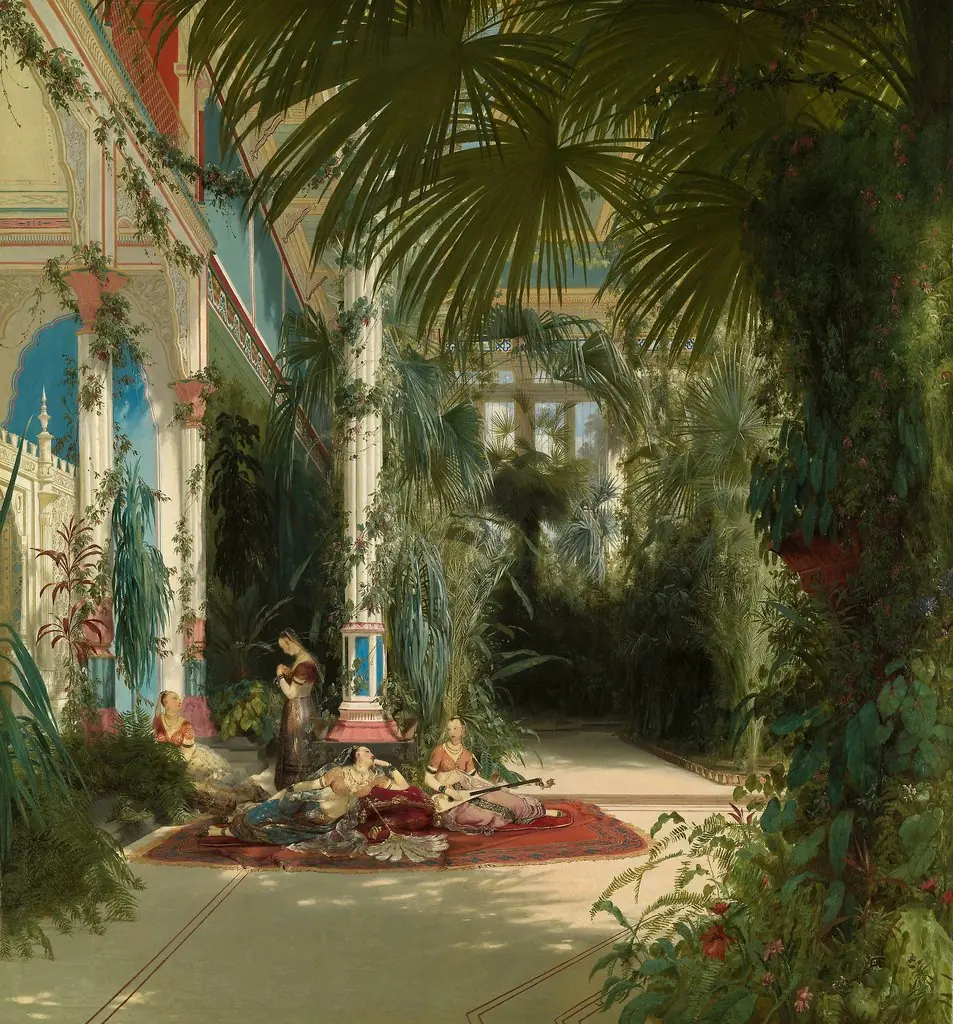
Carl Blechen’s 1834 oil painting depicts the interior of the Palm House on the Pfaueninsel near Potsdam, a glass greenhouse designed by architect Karl Friedrich Schinkel to house the Prussian royal collection of tropical flora. The canvas is filled with towering palm trunks, dense foliage, and winding vines that seem to engulf the building’s structural elements, while light streaming through the roof creates a luminous atmosphere.
Subject & Meaning
Within the verdant setting Blechen placed several figures dressed in richly patterned, non‑European costumes. Their attire mirrors the colors and motifs of the surrounding architecture, suggesting an integration of human presence with the decorative scheme of the greenhouse. The inclusion of these exoticized figures reflects contemporary colonial fantasies that imagined distant lands as leisurely, ornamental spaces.
Technique & Style
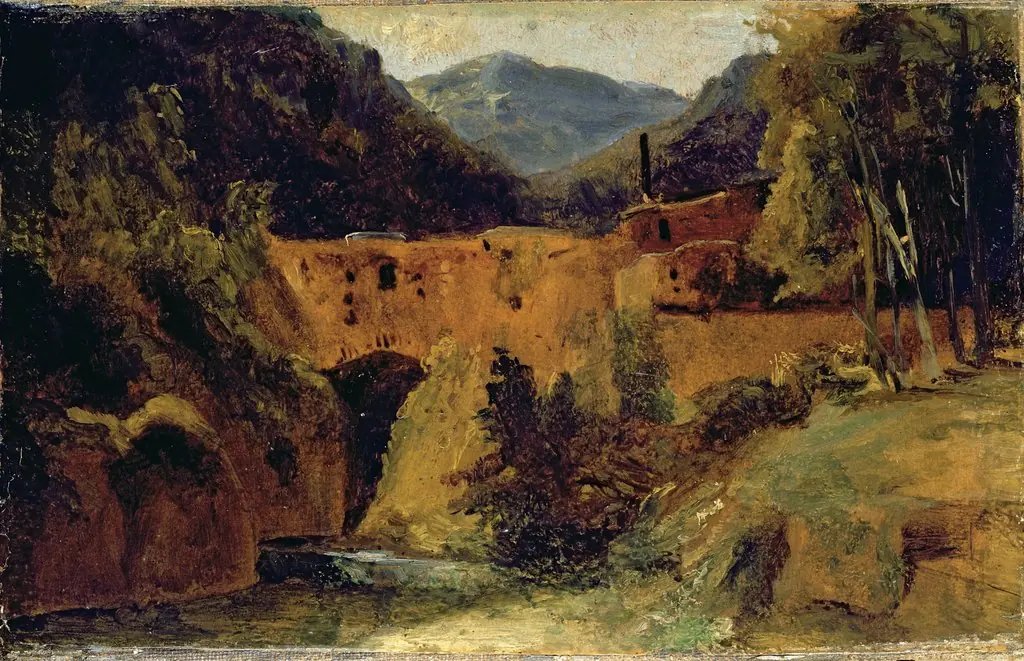
Blechen employs a fluid brushwork that captures fleeting atmospheric effects, a skill honed after his 1828‑29 Italian journey. The painting balances Romantic sensibility with a nascent realism, rendering light and shadow with precision while allowing the foliage to dissolve into soft, almost translucent forms. This approach underscores the tension between the constructed interior and the encroaching natural growth.
History & Provenance
Created during the brief but influential career of Blechen, a pivotal figure in early‑19th‑century German art, the work exemplifies his transition from Romantic theater‑inspired scenes to a more observational treatment of nature. The Palm House itself was a royal project, and the painting likely served to document and celebrate the architectural and botanical achievements of the Prussian court.
Context
The Palm House on the Pfaueninsel was part of a broader European fascination with exotic plant collections and the construction of glass conservatories in the early 1800s. Schinkel’s design merged neoclassical architecture with the burgeoning interest in natural science, while Blechen’s depiction situates the structure within the era’s artistic dialogue between nature, technology, and imperial imagination.
Artist & collection
Artist
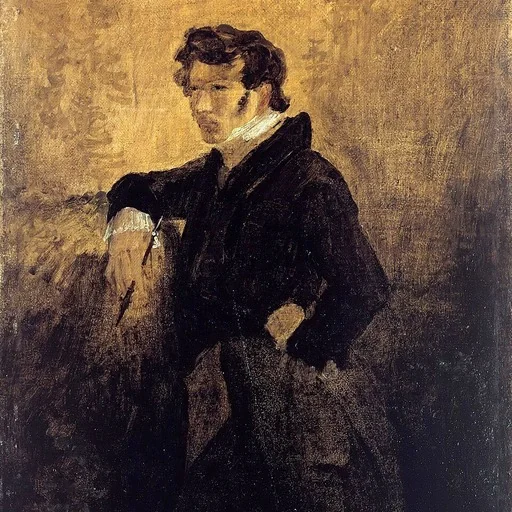
Carl Eduard Ferdinand Blechen (29 July 1798 – 23 July 1840) was a German landscape painter and a professor at the Academy of Arts, Berlin. His distinctive style was characteristic of the Romantic ideals of natural beauty.

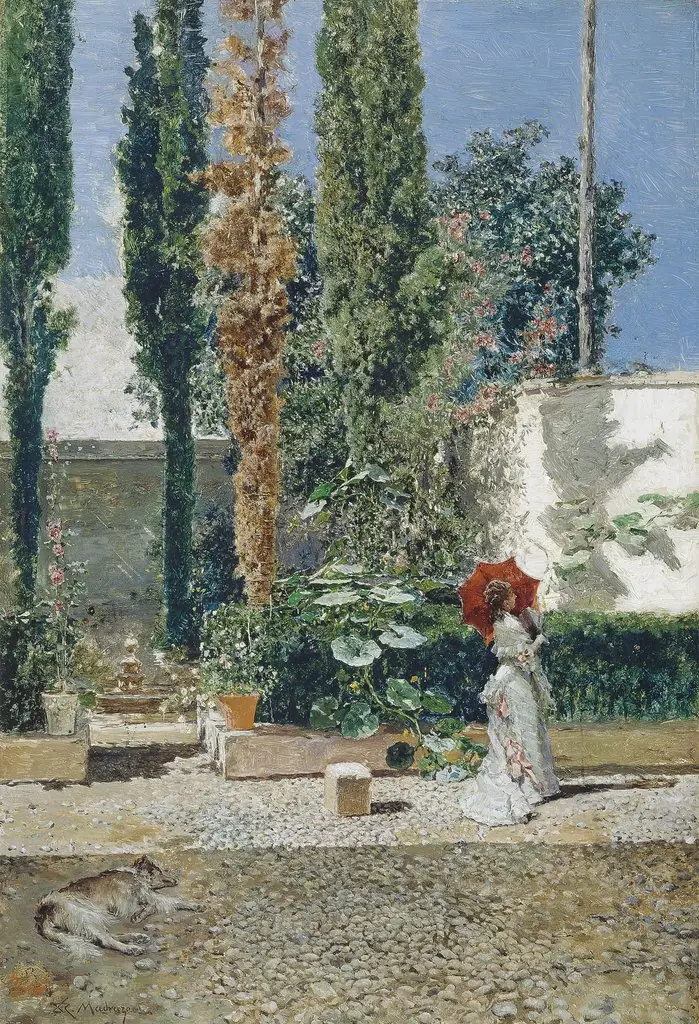 The Garden of the Fortuny Residence
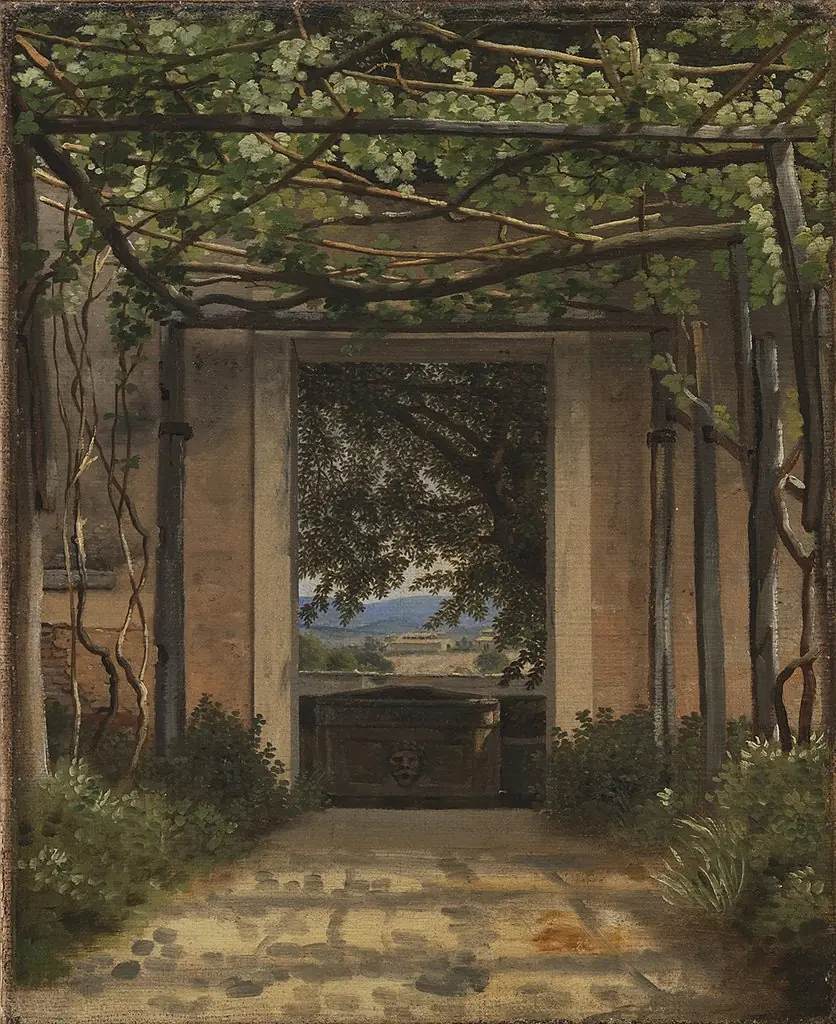 A Pergola, Italy
 Wilanów
 Drawing Room
 En sal i Palazzo Borghese
 En sal i Palazzo Borghese
 Interior of the Byzantine Court
 The Garden Steps Leading to the Artist's Studio on Blegdammen
 The Garden Steps Leading to the Painter Christen Købke's Studio at Blegdammen, Copenhagen