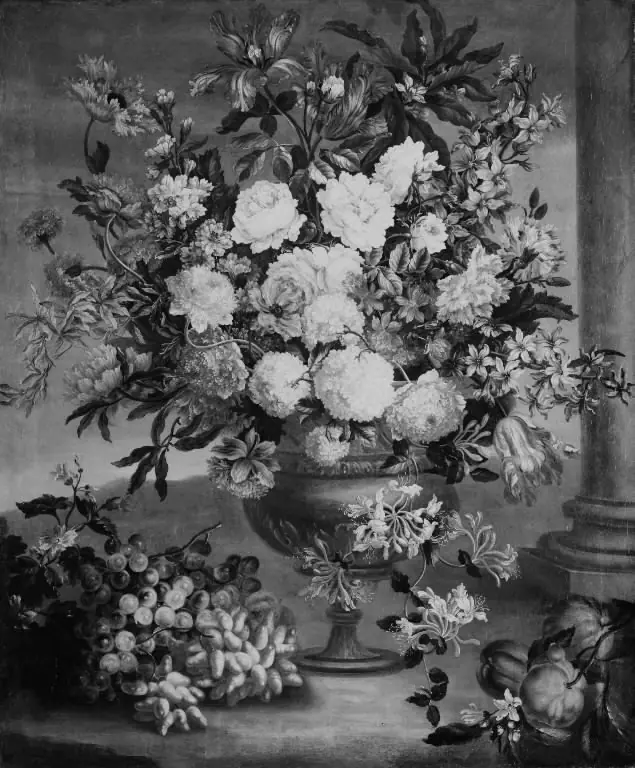
Artwork
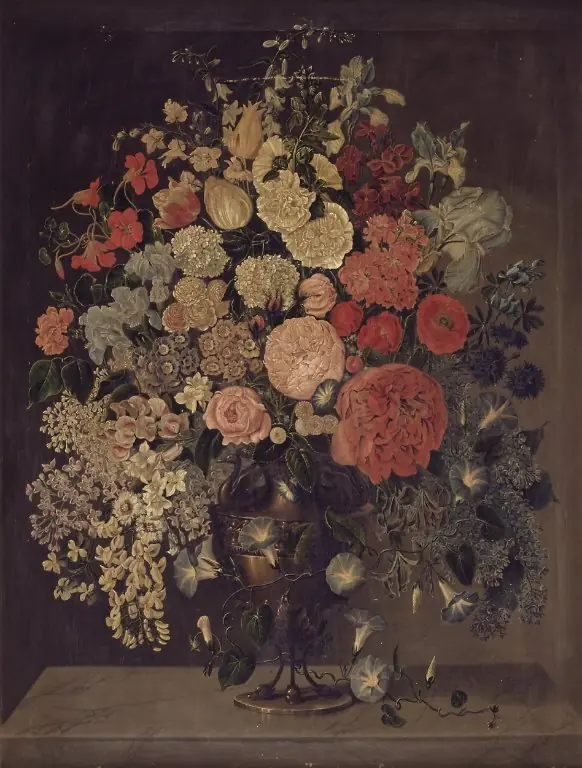
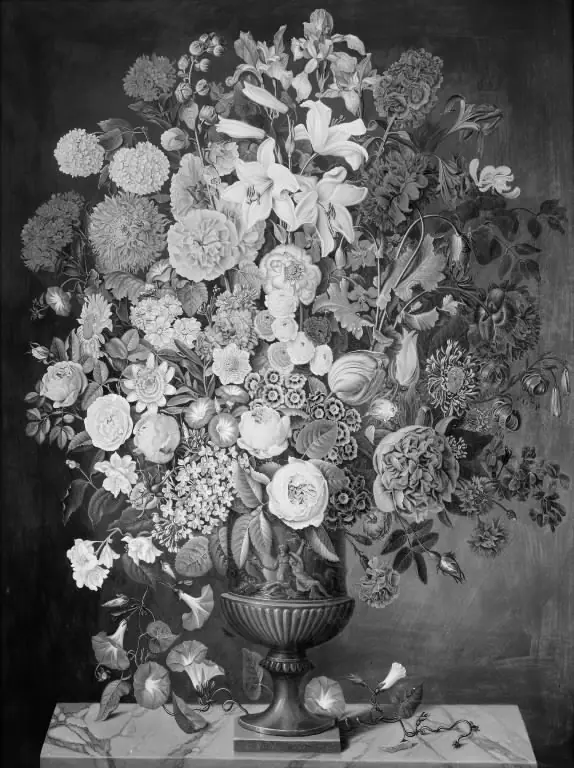
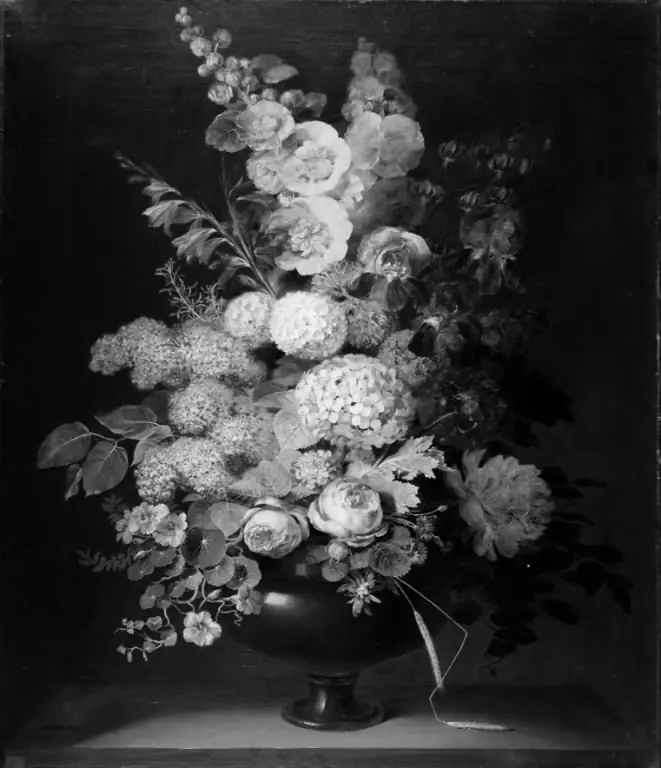
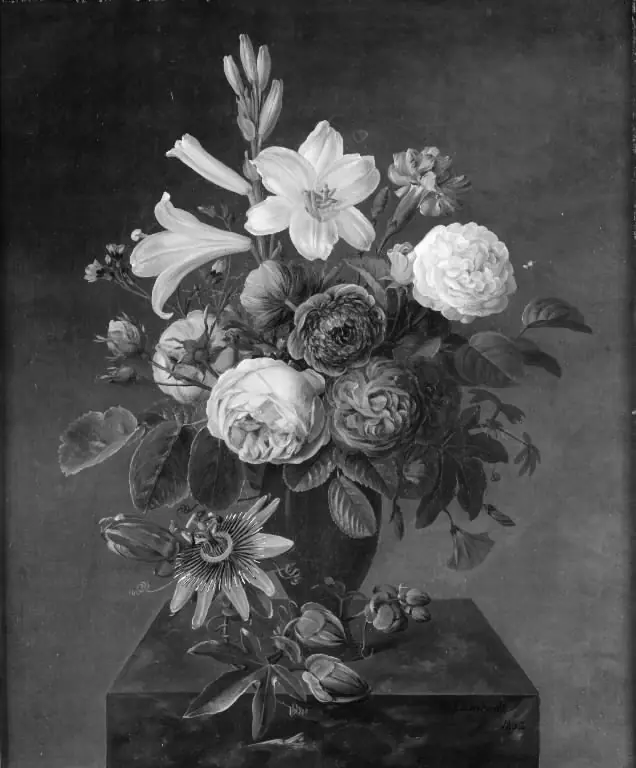
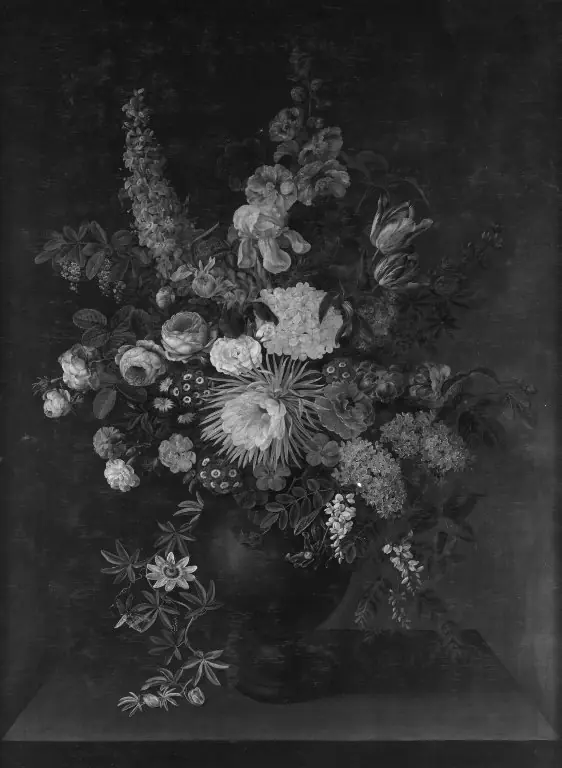
Blomster i en trefodet vase og en skål med kirsebær
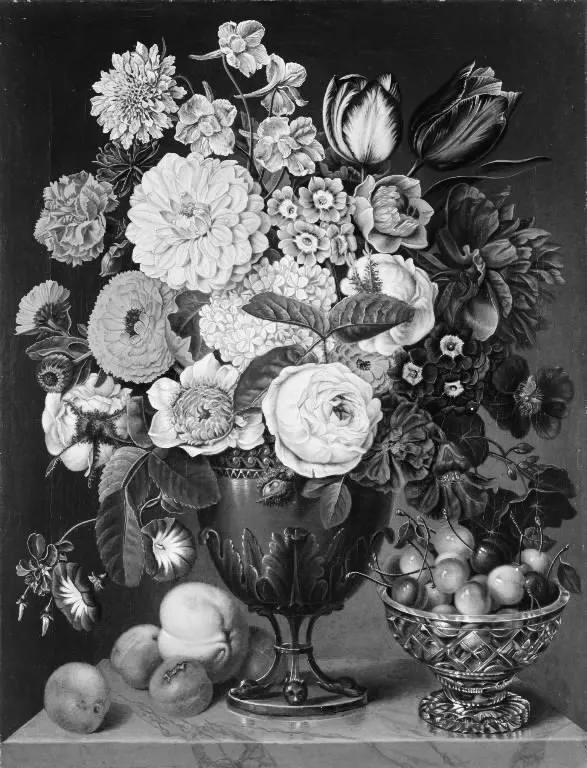
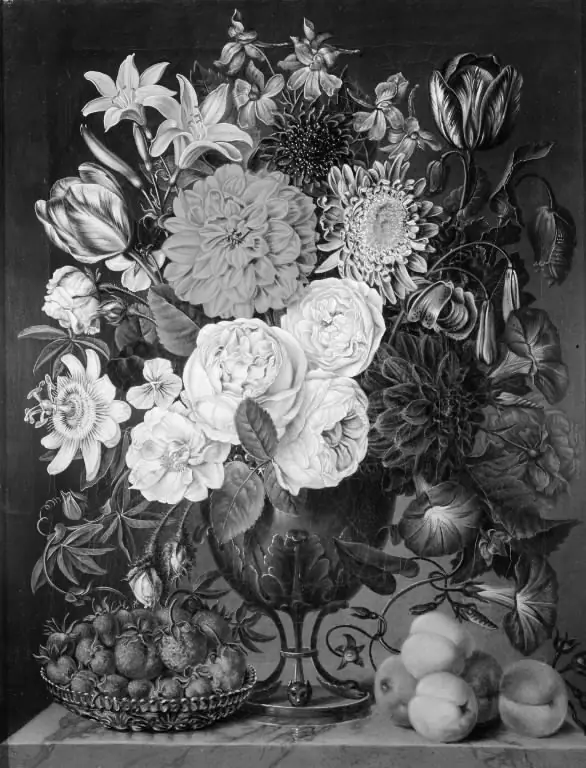
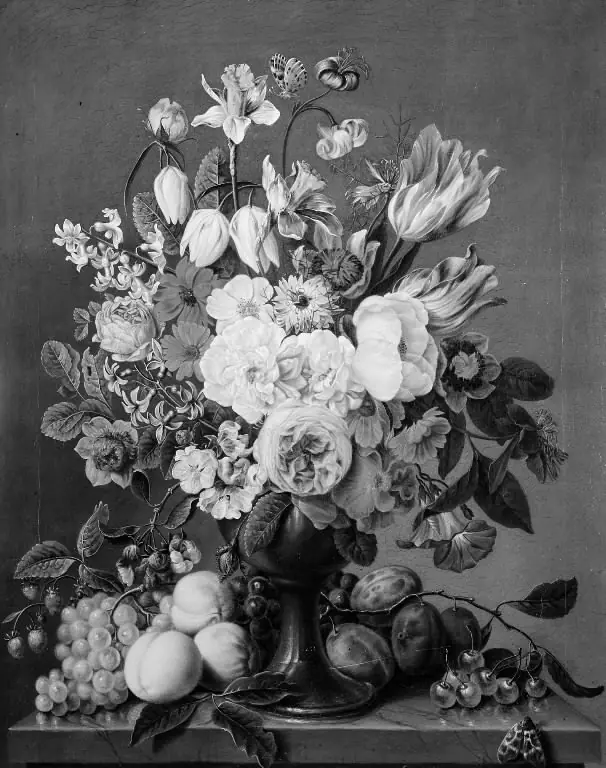
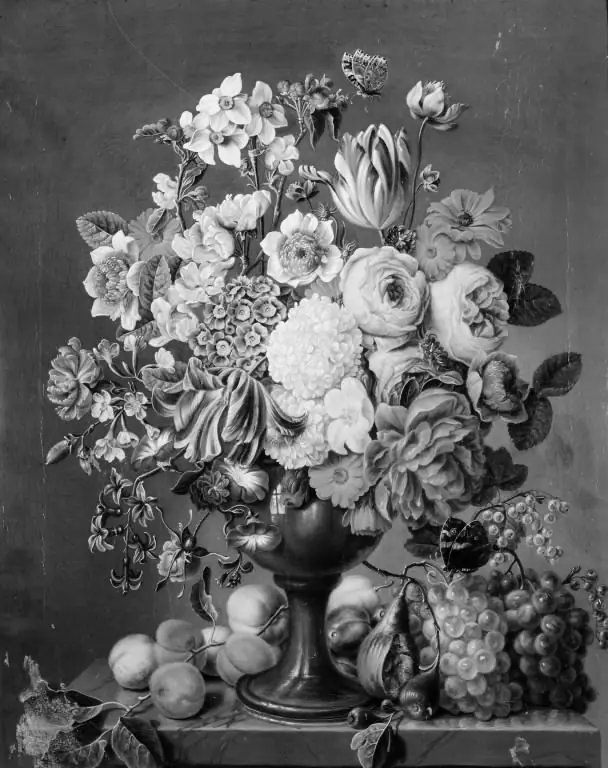
Blomster i en trefodet vase og en skål med kirsebær is an oil painting by the Biedermeier artist Carl Christian Seydewitz. It dates from 1838 and is held in the collection of the Statens Museum for Kunst.
About this work
Overview
The work exemplifies the quiet introspection of the Biedermeier era, turning everyday domestic objects into subjects of deliberate observation.
Painted in 1838, *Blomster i en trefodet vase og en skål med kirsebær* is an oil-on-canvas still life by Carl Christian Seydewitz, a Danish-German artist with military service and a background in portraiture. The work exemplifies the quiet introspection of the Biedermeier era, turning everyday domestic objects into subjects of deliberate observation. It resides in the collection of Statens Museum for Kunst in Copenhagen.
Subject & Meaning
The painting presents a simple arrangement of flowers in a three-legged vase and a bowl of cherries, rendered without theatricality or symbolic flourish. These humble items reflect the Biedermeier preference for intimate, unadorned domestic scenes, emphasizing tranquility and the beauty of ordinary life rather than grand narrative or allegory.
Technique & Style
Seydewitz employs a restrained palette and precise brushwork to capture the texture of petals, the sheen of fruit, and the matte surface of ceramic. The composition is balanced and centered, with soft lighting that enhances the tactile quality of the objects. His approach is methodical, avoiding dramatic contrast in favor of subtle tonal shifts.
History & Provenance
Created during Seydewitz’s active years as both an officer and artist, the painting entered the collection of Statens Museum for Kunst in Denmark, where it remains today. Its provenance is unbroken, with no record of public sale or private transfer beyond institutional ownership since its creation.
Context
In the 1830s, Denmark’s cultural climate favored domestic realism over revolutionary themes. The Biedermeier movement, influential across Central Europe, encouraged artists to find dignity in quiet interiors and personal moments. Seydewitz’s shift from portraiture to still life aligns with this broader trend among middle-class artists seeking stability in art.
Legacy
Though Seydewitz is better known for his portraits, this still life endures as a representative example of Danish Biedermeier painting. It contributes to the understanding of how artists in smaller European nations adapted broader stylistic trends to local sensibilities, valuing restraint and observation over spectacle.
Artist & collection
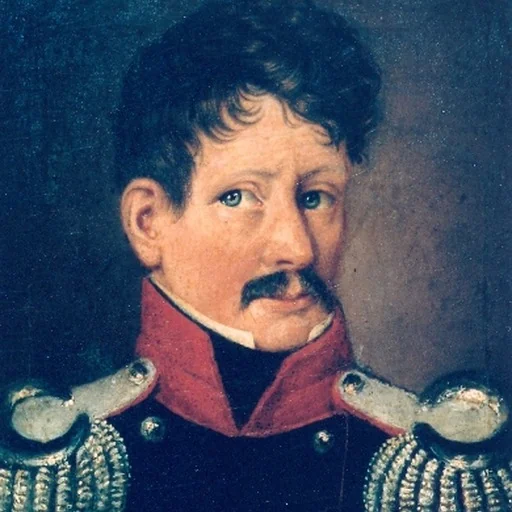
Artist
Carl Christian von Seydewitz (3 November 1777 – 10 October 1857) was a Danish-German portrait painter and army officer. He was not a member of the nobility but, from 1770 to 1860, officers were allowed to use "von" with their surnames.