Artwork
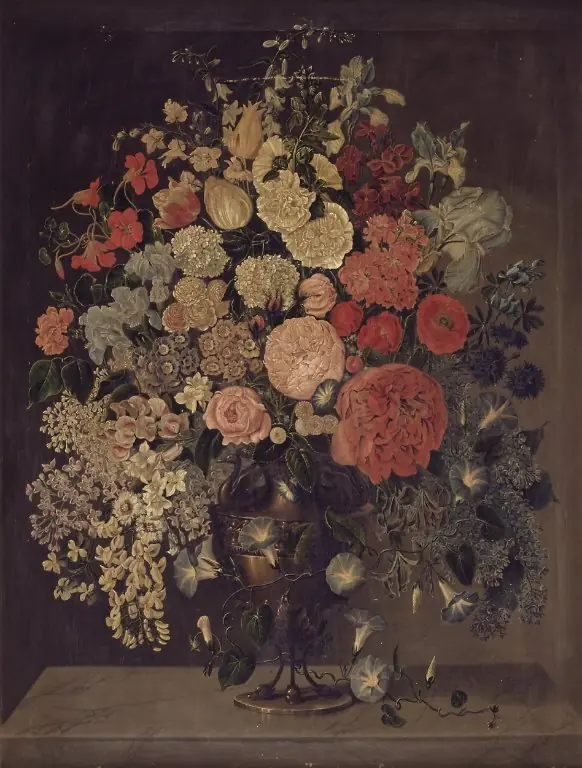
Blomster i en vase
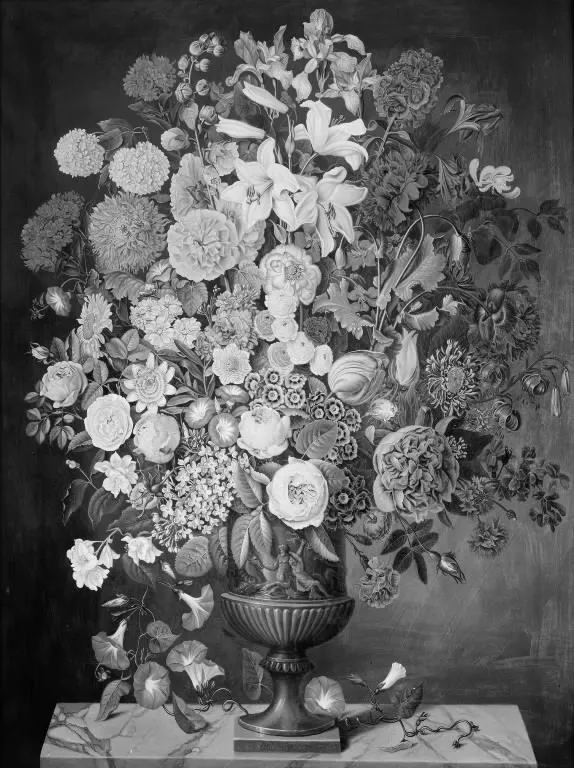
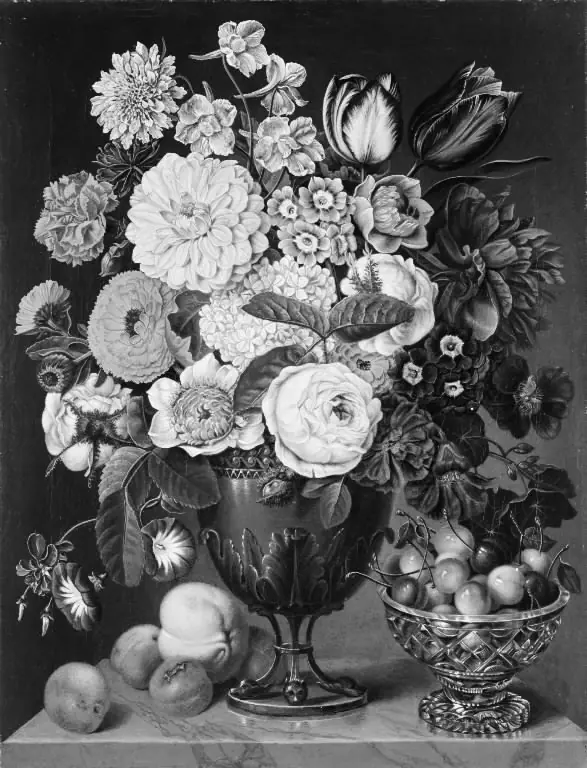
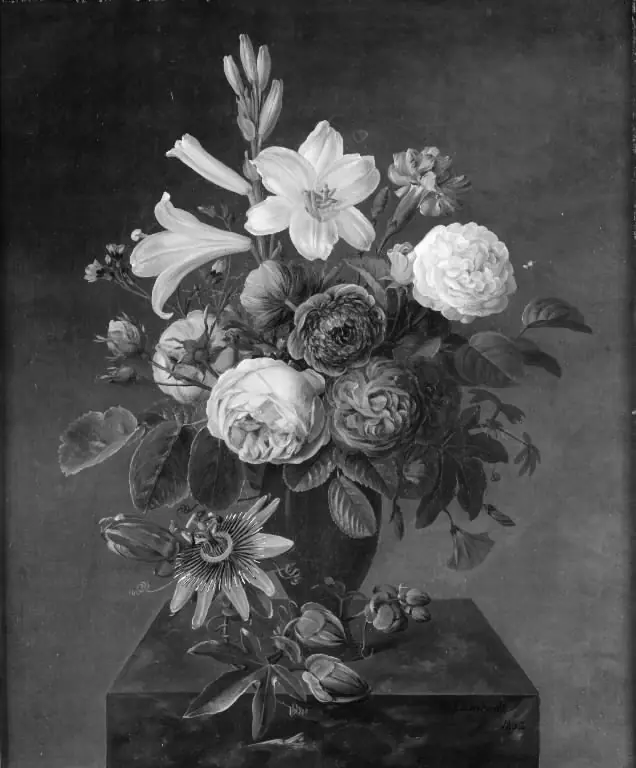
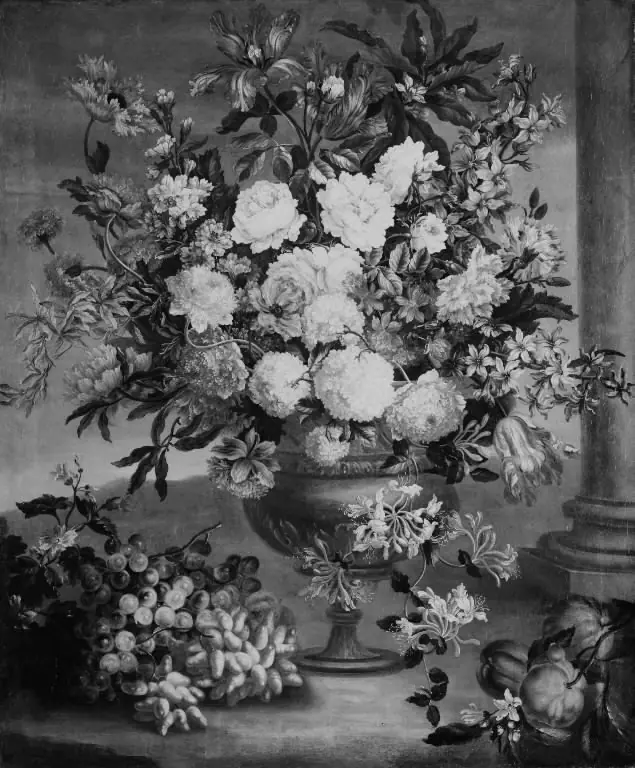
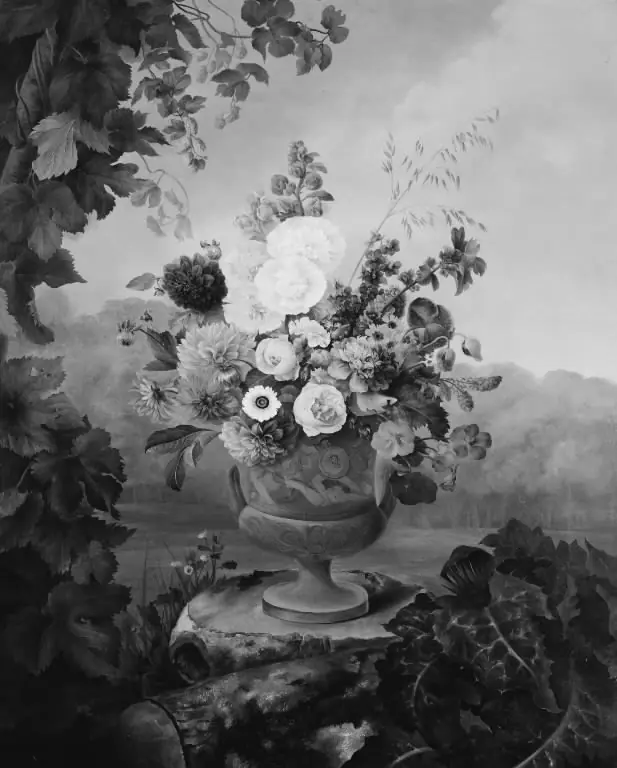
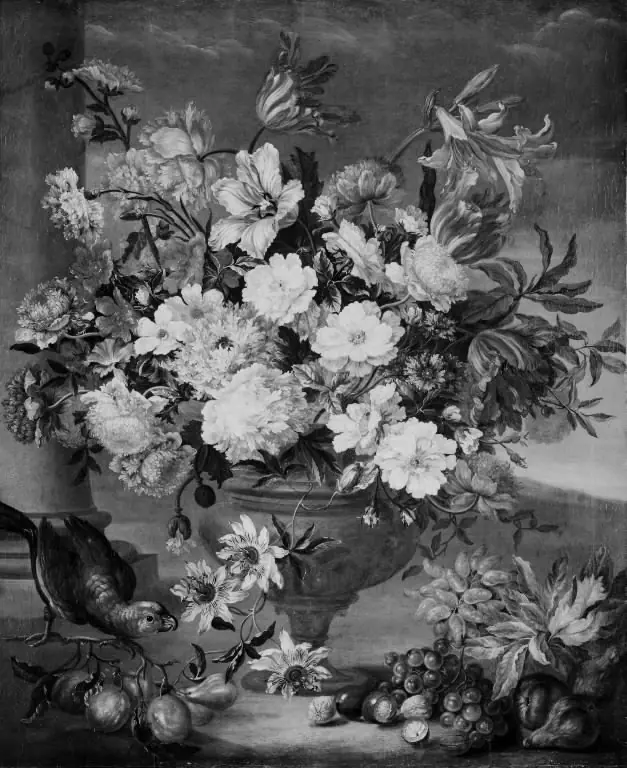
Blomster i en vase is an oil painting by Carl Christian Seydewitz. It dates from 1830 and is held in the collection of the Statens Museum for Kunst.
About this work
Overview
Seydewitz, a Danish-German artist and former military officer, turned to still life later in his career after establishing himself as a portraitist.
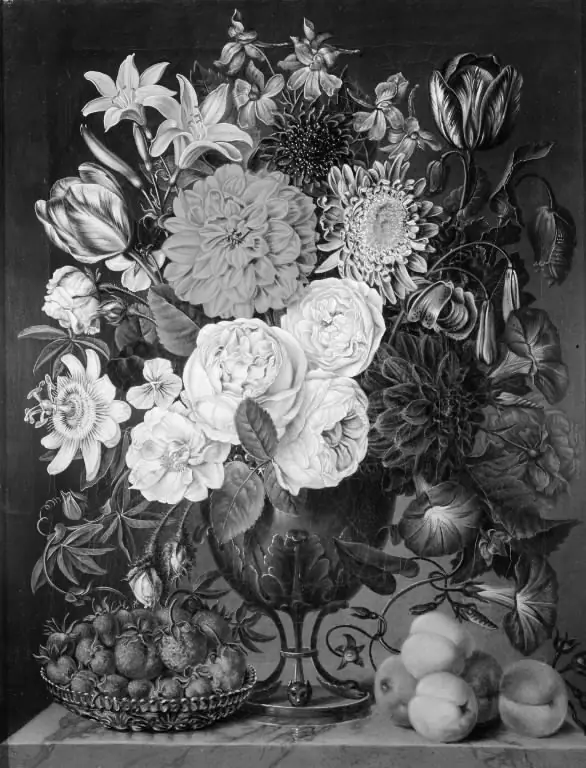
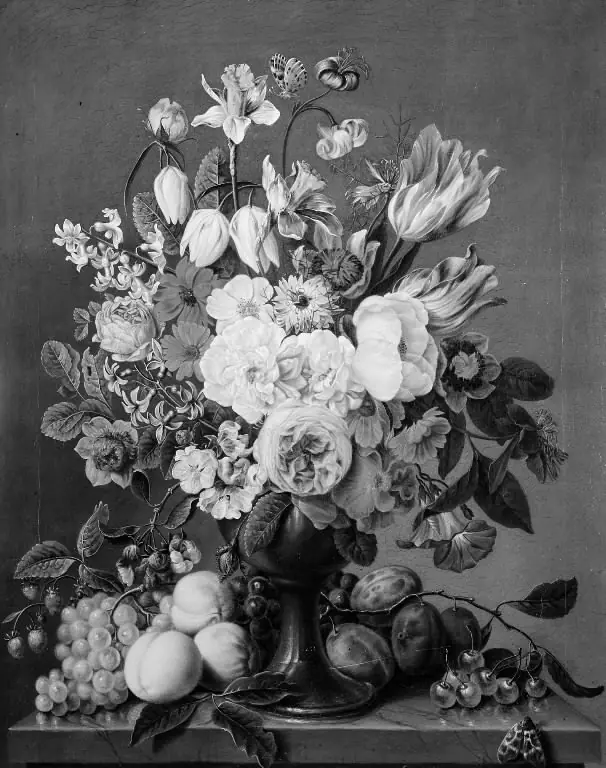
Created in 1830 by Carl Christian Seydewitz, *Blomster i en vase* is an oil painting depicting a lush arrangement of flowers in a decorative vase. Seydewitz, a Danish-German artist and former military officer, turned to still life later in his career after establishing himself as a portraitist. The work is part of the permanent collection at Statens Museum for Kunst in Copenhagen, reflecting his engagement with domestic subjects beyond formal portraiture.
Subject & Meaning
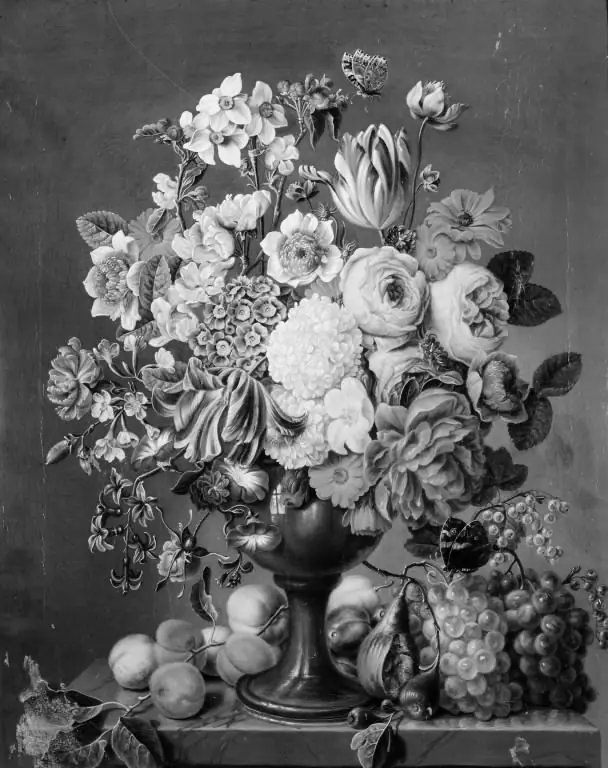
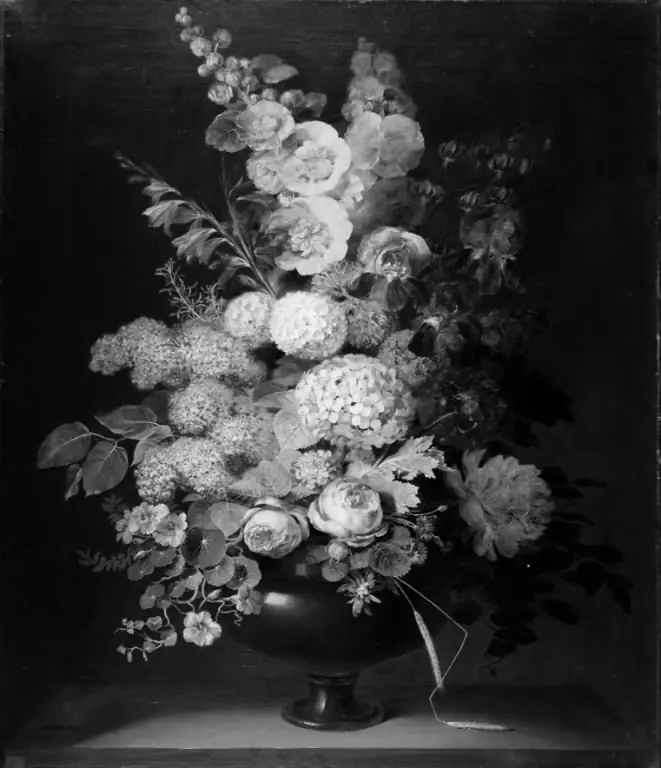
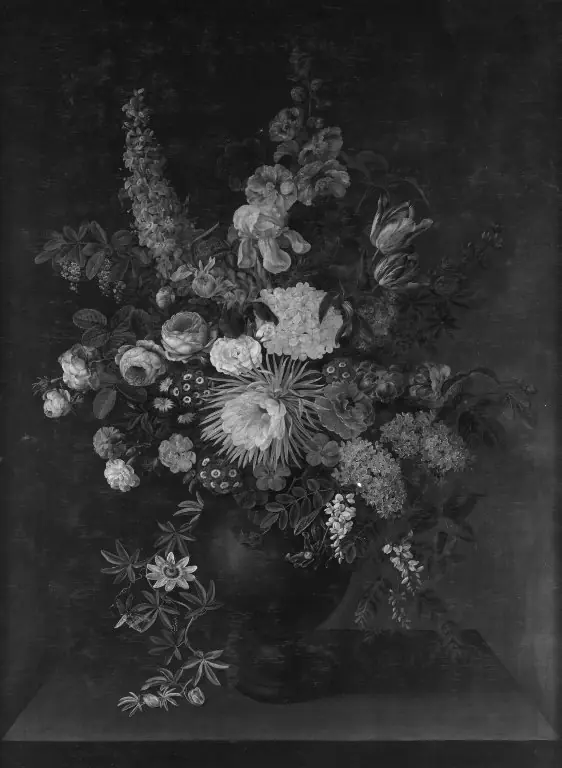
The painting presents a dense bouquet featuring white lilies, roses, and other blossoms arranged in a tall, patterned vase resting on a marble tabletop. The selection and arrangement suggest a cultivated, intimate setting, possibly intended to convey seasonal abundance or quiet domestic harmony. Unlike symbolic floral traditions of earlier centuries, this work emphasizes visual richness over allegory, focusing on the aesthetic pleasure of natural forms.
Technique & Style
Seydewitz rendered each petal, leaf, and vase detail with meticulous attention, using fine brushwork to capture texture and light. The colors are vibrant yet naturalistic, with careful modulation of tones to suggest volume and depth. The marble surface reflects subtle ambient light, grounding the composition in a tangible space. His approach reflects a quiet realism, prioritizing observational accuracy over dramatic effect.
History & Provenance
Seydewitz, born in 1777 and active until his death in 1857, painted this work during a period when he increasingly focused on still life after his military service. The painting entered the collection of Statens Museum for Kunst in the 19th century, likely through acquisition or donation. Its presence in the national collection underscores its recognition as a representative example of Danish still-life painting from the early 1800s.
Context
In early 19th-century Denmark, still-life painting gained traction as artists moved beyond religious and historical themes toward everyday subjects. Seydewitz’s floral works align with this trend, influenced by Dutch and Flemish traditions but adapted to a more restrained, Nordic sensibility. His background as a portraitist informed his precision, distinguishing his still lifes from more decorative contemporaries.
Legacy
While Seydewitz is primarily remembered for his portraits, *Blomster i en vase* exemplifies his skill in capturing natural detail and contributes to the broader understanding of Danish still-life practice. The painting remains a quiet reference point in the museum’s collection, illustrating how artists of the period found artistic value in the transient beauty of domestic flora.
Artist & collection
Artist
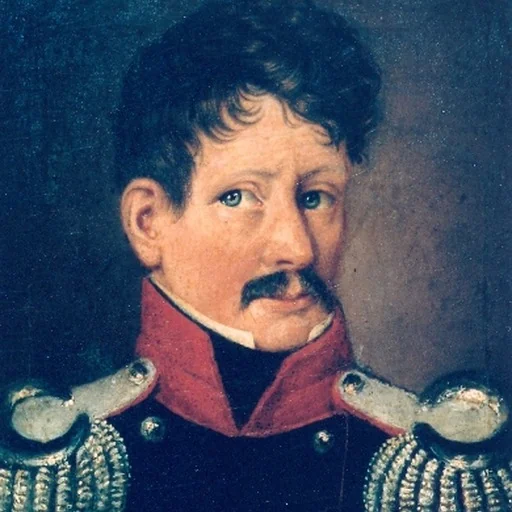
Carl Christian von Seydewitz (3 November 1777 – 10 October 1857) was a Danish-German portrait painter and army officer. He was not a member of the nobility but, from 1770 to 1860, officers were allowed to use "von" with their surnames.