Artwork
Urania
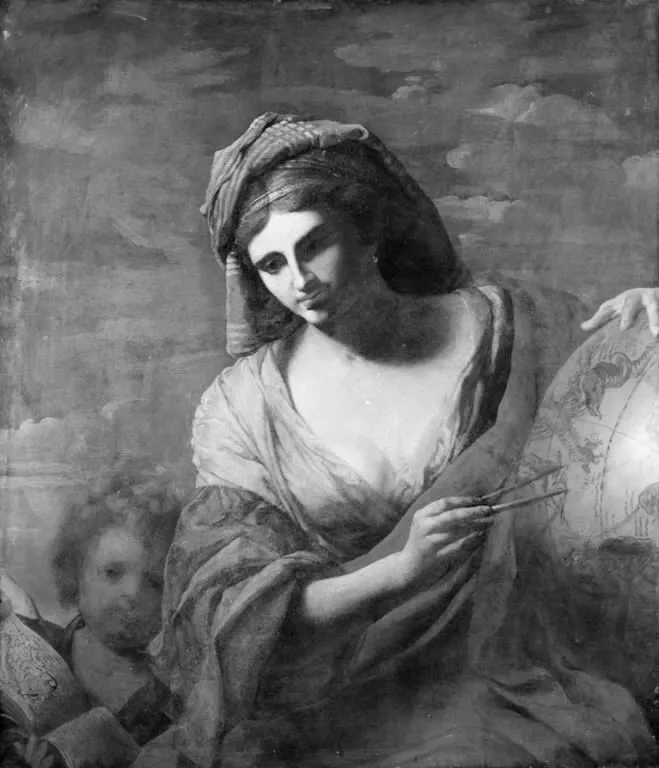
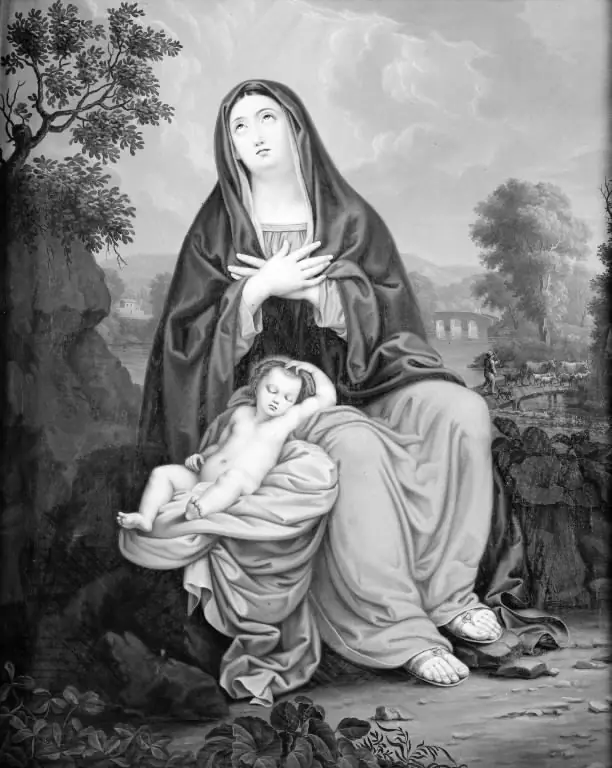
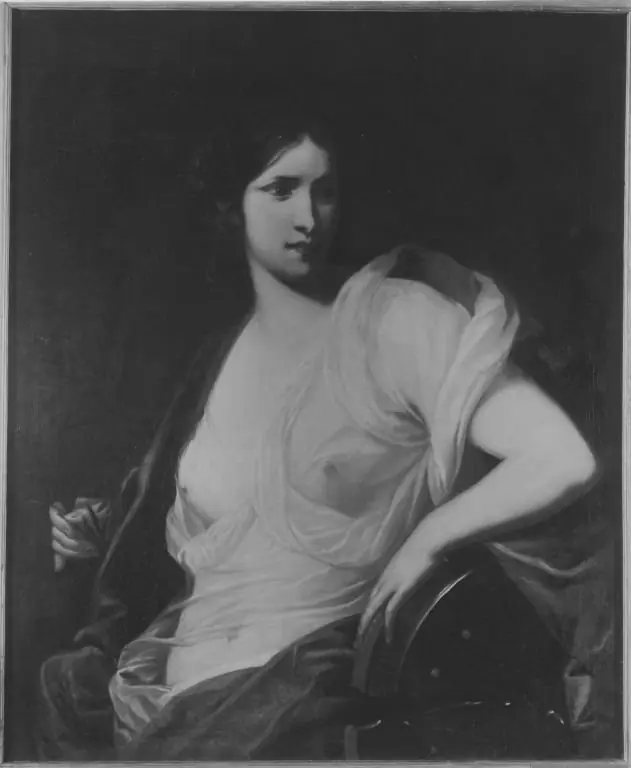
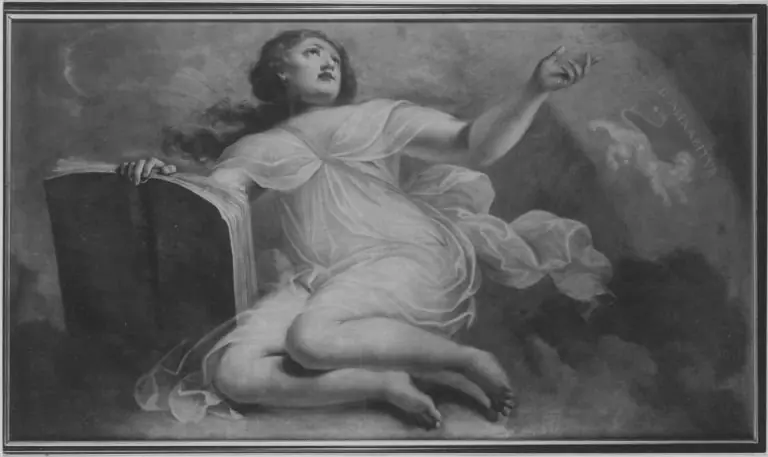
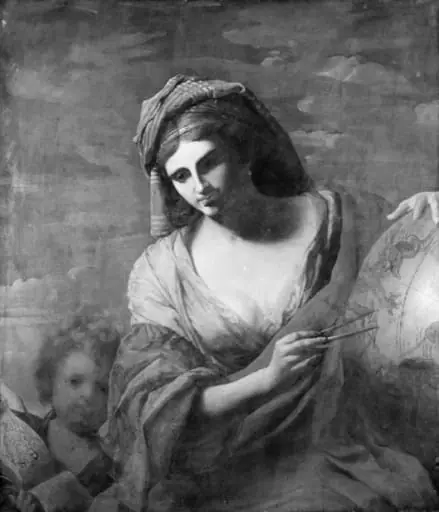
Urania is an oil painting by the German Romanticist artist Carl Christian Seydewitz. It dates from 1824 and is held in the collection of the Statens Museum for Kunst.
About this work
Overview
Carl Christian Seydewitz, a Danish‑German painter who also served as an army officer, completed the oil painting *Urania* in 1824. The work is part of the permanent collection of Denmark’s Statens Museum for Kunst and exemplifies the artist’s engagement with Romantic‑era themes.
Subject & Meaning
The composition features a solemn woman draped in a flowing robe, clutching a globe and a compass, symbols traditionally linked to astronomy and navigation. A small child peeks from behind her, gazing outward, a visual cue that suggests the transmission of knowledge or the curiosity of discovery.
Technique & Style
Executed in oil on canvas, the painting employs the soft chiaroscuro and atmospheric background typical of early 19th‑century German Romanticism. The cloudy sky behind the figures creates a sense of depth while the delicate rendering of fabric and skin conveys a refined, academic approach.
History & Provenance
Seydewitz, who was allowed to use the noble particle “von” in his name despite non‑noble origins, produced *Urania* during his dual career as a portraitist and military officer. The work entered the Statens Museum for Kunst collection, where it remains on display.
Context
Created at a time when Romantic artists often personified abstract concepts, the painting aligns with contemporary interests in science and the Enlightenment’s legacy. The figure of Urania, the muse of astronomy, reflects the period’s fascination with the heavens and the pursuit of knowledge.
Artist & collection
Artist
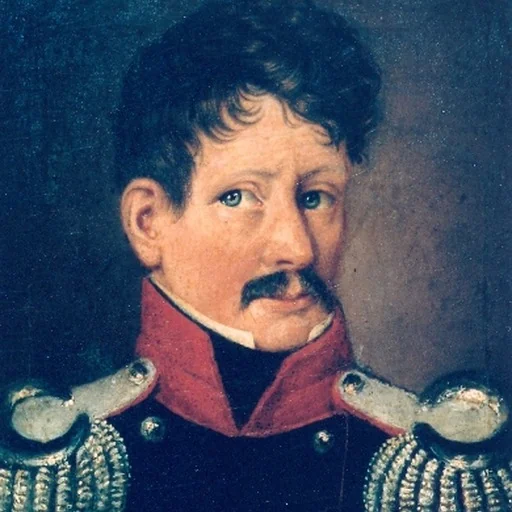
Carl Christian von Seydewitz (3 November 1777 – 10 October 1857) was a Danish-German portrait painter and army officer. He was not a member of the nobility but, from 1770 to 1860, officers were allowed to use "von" with their surnames.