Artwork
Lisbeth, Seen from Behind
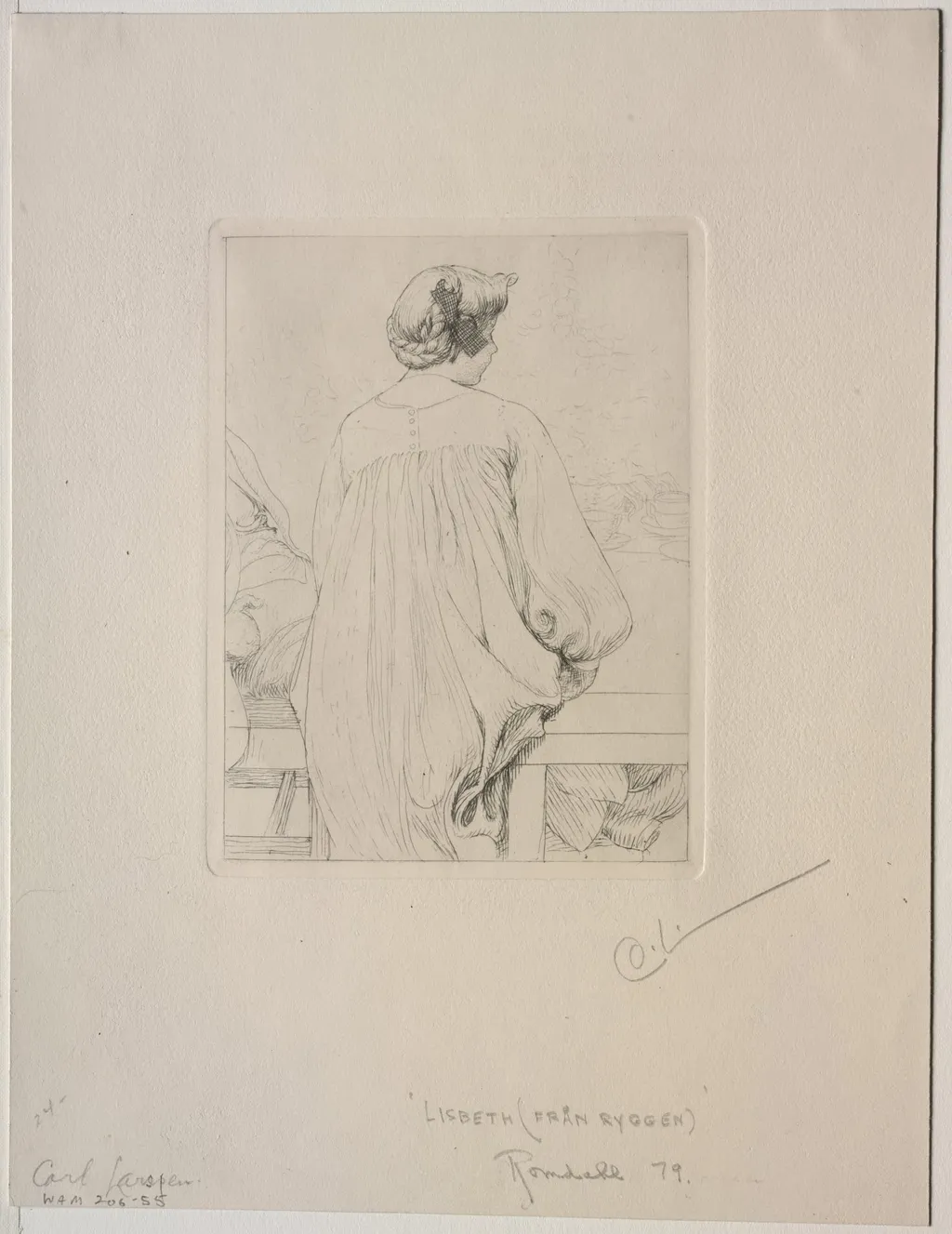
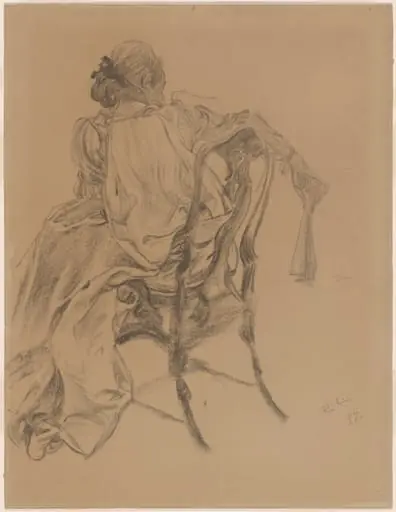
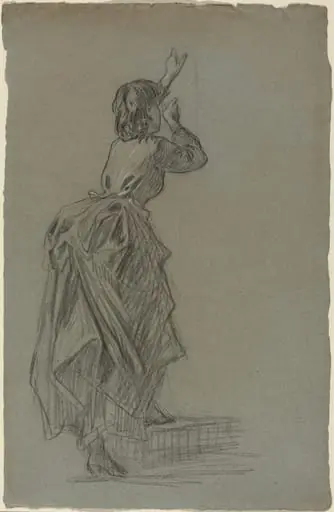
Lisbeth, Seen from Behind is a print by Carl Larsson. It dates from 1911 and is held in the collection of the Cleveland Museum of Art.
About this work
Overview
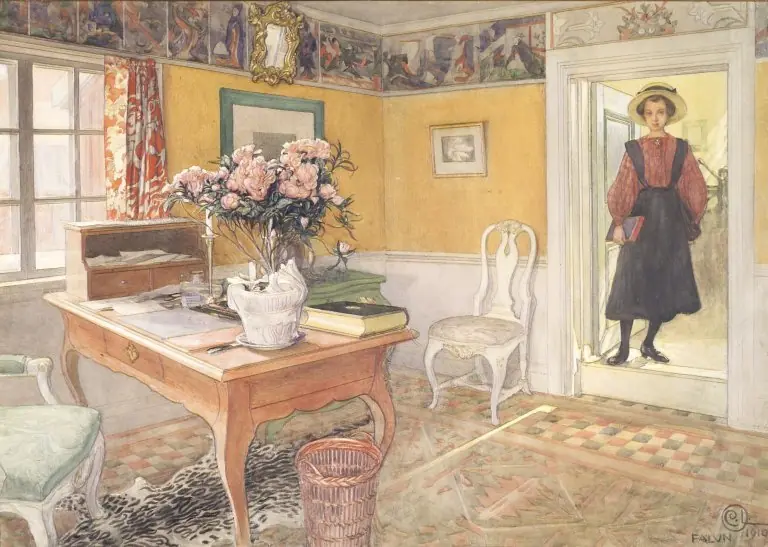
Created in 1911 by Swedish artist Carl Larsson, this print captures a quiet, intimate moment of a woman seen from behind.
Created in 1911 by Swedish artist Carl Larsson, this print captures a quiet, intimate moment of a woman seen from behind. Though Larsson is best known for his luminous watercolor scenes of domestic life, this work reflects his broader engagement with figure studies and subtle tonal modeling. Executed in a restrained palette, it belongs to the collection of the Cleveland Museum of Art, where it stands as a quiet counterpoint to his more vibrant family compositions.
Subject & Meaning
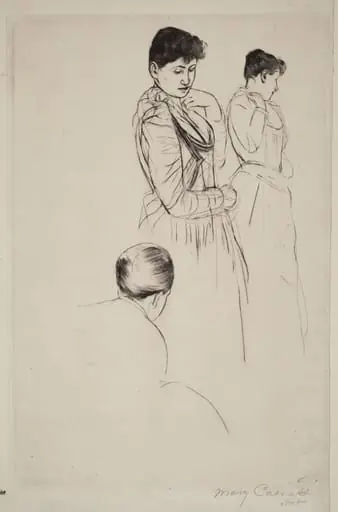
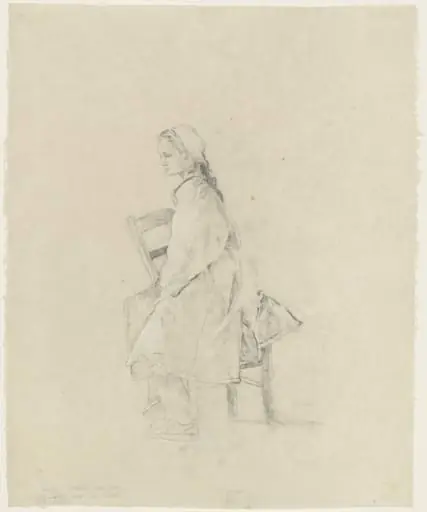
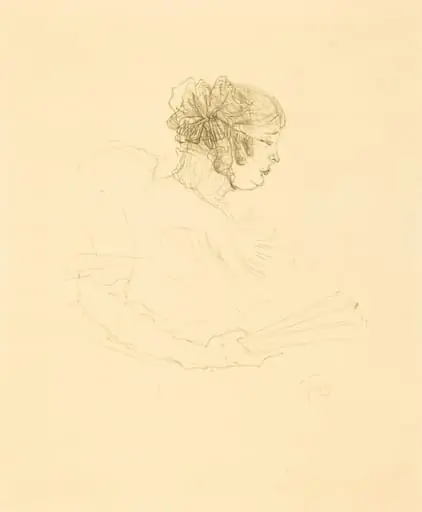
The figure, identified as Lisbeth, is depicted in a moment of stillness, her posture suggesting contemplation or pause. Dressed in a high-necked, long-sleeved gown, she faces away from the viewer, inviting quiet introspection rather than direct engagement. The absence of facial expression and the focus on her back and posture shift emphasis from identity to presence, evoking themes of solitude and private ritual within the domestic sphere.
Technique & Style
Larsson employs chiaroscuro to model the figure with soft gradations of light and shadow, giving volume to the form without harsh contrasts. The muted background, rendered in neutral tones, recedes to isolate the subject. Brushwork is deliberate yet unobtrusive, favoring atmospheric harmony over detail. The composition’s simplicity and emphasis on silhouette reflect a sensitivity to form and spatial balance, characteristic of Larsson’s mature style.
History & Provenance
The work was produced during a period when Larsson was increasingly exploring figure studies beyond his celebrated home scenes. It entered the Cleveland Museum of Art’s collection in the 20th century, likely through acquisition or donation. Its status as a print suggests it may have been part of a limited series or reproduction, though its original medium and edition history remain less documented than his larger watercolors.
Context
In early 20th-century Sweden, domestic life was a central theme in artistic expression, often tied to ideals of simplicity and naturalism. Larsson’s work, including this piece, aligns with broader Nordic interests in intimate, unidealized moments. While associated with the Arts and Crafts movement’s emphasis on craftsmanship, this print reveals a more personal, introspective direction in his later career, away from narrative toward psychological stillness.
Legacy
Though less widely known than his colorful interiors, 'Lisbeth, Seen from Behind' exemplifies Larsson’s ability to convey emotional depth through restraint. It contributes to a broader understanding of his artistic range beyond popular imagery, influencing later Scandinavian artists who valued subtlety and quiet observation. The work remains a quiet reference point in studies of modern Nordic figuration.
Artist & collection
Artist
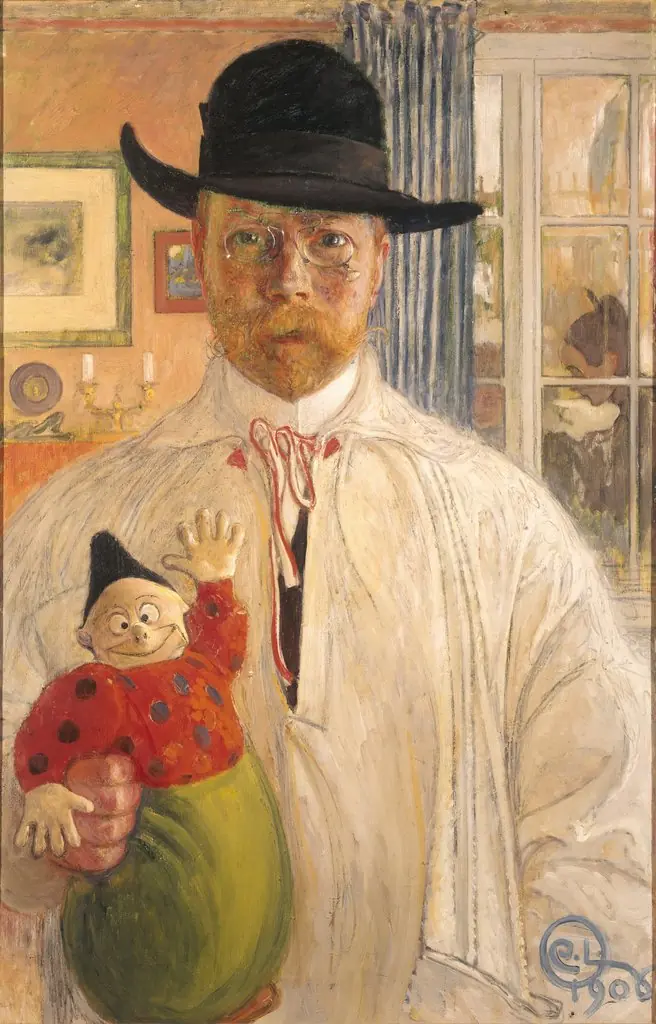
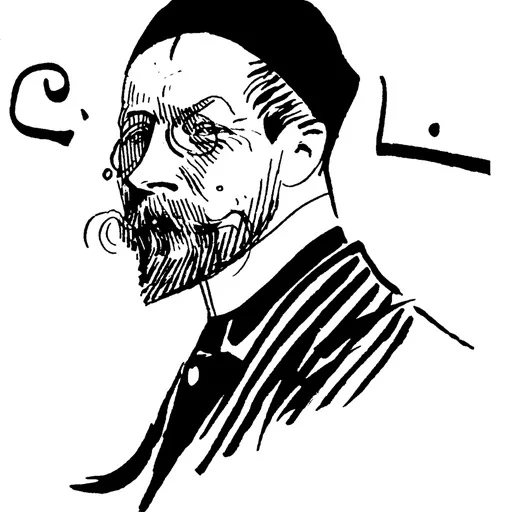
Carl Olof Larsson (Swedish pronunciation: ; 28 May 1853 – 22 January 1919) was a Swedish painter representative of the Arts and Crafts movement.